Capitolo 1
The Mind's Greatest Battlefield: Finding Peace in an Anxious World
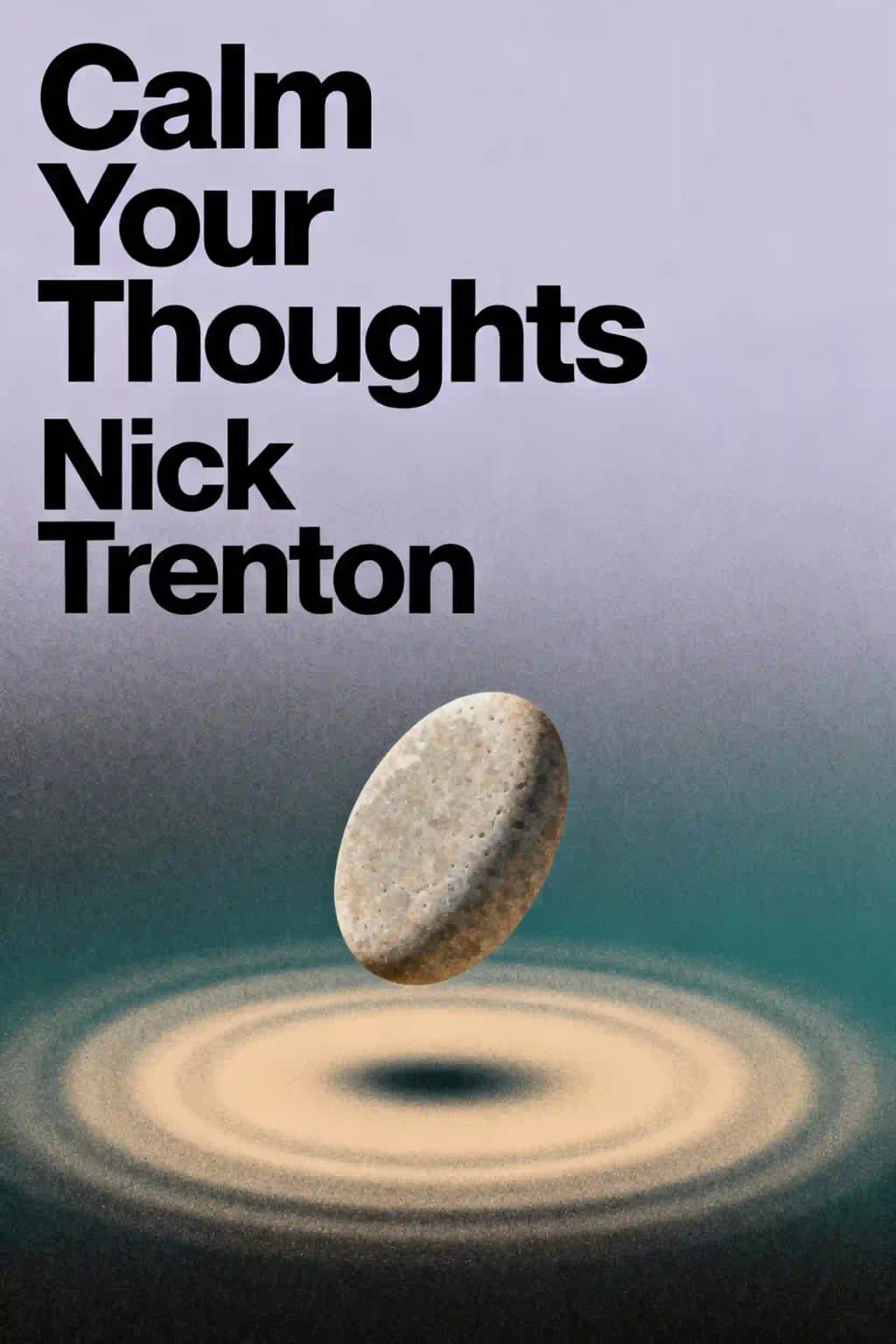
Anxiety has become the defining mental health challenge of our generation. According to the World Health Organization, anxiety disorders affect over 300 million people globally, making it the most common mental health condition worldwide. Yet despite its prevalence, many suffer in silence, believing their racing thoughts and constant worry are simply character flaws rather than manageable conditions. Nick Trenton's approach to anxiety management has gained attention from celebrities like Emma Stone and Ryan Reynolds, who have openly discussed using similar techniques to manage their own anxiety. The book has become something of a sleeper hit in wellness circles, with therapists increasingly recommending it alongside clinical treatment. What makes this approach so compelling is that it doesn't promise magical cures or overnight transformation-instead, it offers something far more valuable: a roadmap for reclaiming control from an anxious mind, one thought at a time.
Capitolo 2
The Anxious Brain: Understanding Why Your Mind Works Against You
Anxiety isn't simply a personal failing - it's a complex interplay of biological, psychological, and environmental factors deeply rooted in our evolutionary history. Our brains evolved with a powerful negativity bias that once served our ancestors well, helping them spot threats and avoid danger in hostile environments. Dr. John Cacioppo's groundbreaking research demonstrated that our brains literally react more strongly to negative stimuli than positive ones - an electrical surge in brain activity that's measurably more powerful when viewing threatening images versus pleasant ones. This heightened response occurs in multiple brain regions, particularly the amygdala, which processes emotional reactions and threat detection.
This evolutionary adaptation helped our cave-dwelling ancestors survive by prioritizing potential threats in their environment. Missing a predator could be fatal, while missing a pleasant opportunity - like finding an extra piece of fruit - was merely inconvenient. But in our modern world, this same mechanism causes us to fixate on the one negative comment among dozens of compliments, obsess over minor social mishaps, or lie awake replaying embarrassing moments from years ago while forgetting countless positive experiences. Our threat detection system doesn't distinguish between physical dangers and social threats, treating a critical email with the same urgency as a predator.
Extensive research in neuroscience suggests we need approximately five positive experiences to counterbalance a single negative one just to maintain emotional equilibrium. This 5:1 ratio appears consistently across various studies examining relationships, workplace dynamics, and personal well-being. This isn't because we're broken or weak - it's how our brains are wired through millions of years of evolution prioritizing survival over contentment. Understanding this built-in tendency helps explain why anxiety feels so overwhelming and persistent, even in objectively safe situations.
When we experience uncertainty - whether about a relationship, health concern, or professional situation - our brains enter an analytical mode designed to resolve the discomfort. This state activates the prefrontal cortex, our brain's planning and problem-solving center. We believe if we just think hard enough, research thoroughly enough, or worry sufficiently, we'll discover a solution that eliminates uncertainty. But this approach backfires spectacularly, creating an endless loop where each "solution" spawns new uncertainties to analyze, leading to what psychologists call "analysis paralysis."
The path forward isn't more analysis but learning to tolerate uncertainty itself. As counterintuitive as it sounds, embracing uncertainty rather than fighting against it is the first step toward breaking free from anxiety's grip. This involves practicing mindfulness techniques, accepting imperfect solutions, and challenging our need for absolute certainty. This doesn't mean surrendering control, but rather recognizing which aspects of life are genuinely within our control and which aren't. True emotional resilience comes not from eliminating uncertainty but developing the capacity to face it without becoming overwhelmed - a skill that can be cultivated through consistent practice and professional support when needed.
Modern therapeutic approaches like Acceptance and Commitment Therapy (ACT) and mindfulness-based stress reduction have shown remarkable success in helping people develop this tolerance for uncertainty. These methods work with our brain's natural tendencies rather than against them, creating new neural pathways that support healthier responses to uncertainty and anxiety.
Capitolo 3
Mastering Emotional Regulation: The Foundation of Anxiety Management
Emotions aren't problems to be solved but natural aspects of human experience that add richness and meaning to life. The goal isn't to eliminate negative emotions but to develop the ability to respond thoughtfully rather than react impulsively when they arise. Even challenging emotions like anger, fear, and sadness serve important evolutionary functions - they're vital signals that help us navigate threats, opportunities, and social relationships.
This distinction between reacting and responding forms the cornerstone of emotional regulation. Reacting happens automatically, driven by immediate emotional impulses and focused solely on short-term relief. Responding involves creating space between stimulus and action - a pause where conscious choice becomes possible. Most emotional triggers aren't truly emergencies, yet we've hardwired immediate reactions into our habits through years of unconscious conditioning and learned responses.
Consider common scenarios: your partner suggests holiday plans that conflict with your preferences, a colleague criticizes your work in a meeting, or your child refuses to follow important instructions. Reacting might mean immediately dismissing their idea, becoming defensive, or raising your voice. Responding would involve pausing to understand their perspective, acknowledging your emotional state, and engaging in thoughtful discussion. This small shift in approach can dramatically change outcomes in relationships, work environments, and internal thought patterns.
Stanford psychologist J.J. Gross developed a comprehensive five-step framework for emotional regulation that provides practical guidance for managing difficult feelings. First, select situations wisely, avoiding unnecessary triggers when possible - like declining invitations to events you know will cause excessive stress. Second, modify unavoidable situations by adjusting expectations and preparing coping strategies in advance. Third, redirect attention away from what upsets you toward something constructive, such as focusing on solutions rather than problems. Fourth, reappraise your thoughts by examining underlying beliefs and considering alternative interpretations. Finally, when all else fails, modulate your response through techniques like deep breathing, progressive muscle relaxation, or physical movement.
The STOPP Method offers another valuable approach: Stop what you're doing, Take a breath, Observe what's happening in your mind and body, Pull back for perspective, and Practice what works by choosing the most effective action. This simple sequence interrupts automatic patterns and creates space for thoughtful choices. Each step builds upon the previous one, creating a reliable pathway from reactivity to response.
Understanding emotional patterns requires examining the ABC Loop: Antecedent (what happens before), Behavior (your response), and Consequence (the outcome). By analyzing this sequence in situations that trigger anxiety, you can identify specific triggers - like certain times of day, social situations, or work scenarios - understand why they affect you so deeply, and recognize that your habitual behaviors might temporarily satisfy emotional needs while ultimately reinforcing negative cycles.
Emotional dashboarding provides another powerful tool by documenting experiences across five categories: the objective situation (just facts), your thoughts and interpretations, the specific emotions triggered, physical sensations in your body, and your impulses or actions. This practice helps break overwhelming experiences into manageable components, revealing patterns that might otherwise remain hidden. For example, you might notice that work presentations consistently trigger not just anxiety but also specific thought patterns about competence, physical symptoms like shallow breathing, and an impulse to over-prepare.
When worried thoughts intrude, worry postponement allows you to acknowledge concerns without being consumed by them. Rather than suppressing thoughts (which paradoxically strengthens them), you defer them to a designated "worry time" - "I'll think about this tomorrow at 10 AM." This technique works because it honors the legitimate need to address concerns while preventing them from hijacking your present moment. Remarkably, when that time arrives, the urgency has often dissipated entirely, revealing the transient nature of most anxious thoughts and demonstrating how time itself can be a powerful tool for emotional regulation.
Capitolo 4
Rewiring Your Mind: Cognitive Strategies for Anxiety Management
Your brain isn't an inescapable prison of anxiety but a tool you can learn to use effectively. The irony is that by fearing anxiety itself, we trap ourselves in worry spirals. The key lies in developing distress tolerance - the ability to experience uncomfortable emotions without being overwhelmed by them. This capacity isn't innate but can be systematically developed through consistent practice and understanding of our neural pathways.
This process begins by identifying specific triggers that initiate distress, whether situations, people, words, memories, or physical sensations. Common triggers might include work presentations, social gatherings, health-related news, or even certain locations. Next, recognize your personal warning signs - the thoughts, emotions, or behavioral urges that signal mounting anxiety. These might manifest as racing thoughts, shallow breathing, muscle tension, or an overwhelming urge to escape. Most importantly, practice forgoing escape behaviors like overthinking, seeking reassurance, or substance use that provide temporary relief but prevent developing true resilience.
Instead of fleeing discomfort, stay present with uncomfortable emotions. This self-directed exposure therapy requires consciously choosing a different path when triggered, perhaps through mantras like "I can bear this" or "This feeling will pass." With practice, you'll develop genuine emotional resilience - not by eliminating distress but by changing your relationship with it. This might mean staying in a challenging social situation for five more minutes or deliberately facing a feared scenario under controlled conditions.
Ancient wisdom traditions offer powerful frameworks for developing this resilience. The Buddhist concept of nekkhamma (nonattachment) teaches that suffering comes from our dependence on external conditions for happiness. When we pin our well-being to people, possessions, or circumstances, we become devastated when inevitable changes occur. This principle suggests that true emotional freedom comes from cultivating inner stability independent of external factors.
Our attachments to people are particularly problematic. We're not actually attached to individuals themselves but to the experiences and emotions they provide - comfort, validation, security, or love. When these connections become entanglements, we start thinking in terms of demands and needs, believing our happiness depends entirely on external factors. This creates fear, insecurity, and obsession that disrupt our emotional balance. Learning to maintain healthy boundaries while nurturing connections is essential for emotional well-being.
Similarly, Stoicism views unchecked emotions as enemies of happiness. This philosophy centers on two key principles: first, events themselves are neutral - our perceptions and judgments create our emotional reactions; second, while we can't control external circumstances, we have complete authority over our responses. As Marcus Aurelius wrote, "If you are pained by any external thing, it is not this thing that disturbs you, but your own judgment about it." Modern applications might include reframing a job rejection as an opportunity for growth or viewing criticism as valuable feedback.
Gratitude serves as a direct antidote to our brain's negativity bias by forcing us to appreciate the good we typically overlook. Practicing gratitude through journaling (listing five things you're thankful for daily), writing gratitude letters, or finding an accountability partner can help cultivate this perspective-shifting practice. Savoring - the act of appreciating experiences while engaging in them - complements gratitude as "gratitude in real time," helping us step outside anxieties and focus on singular pleasurable moments, whether enjoying a meal, conversation, or natural beauty.
Cognitive Behavioral Therapy (CBT) provides an evidence-based approach to tackle the inner dialogue behind worry and anxiety. Rather than promoting blind positivity, CBT focuses on thinking more clearly and realistically by addressing cognitive distortions like catastrophizing, mind reading, or emotional reasoning. The approach follows three essential steps: observation, challenge, and replacement of distorted thinking patterns.
First, observe your self-talk - the internal film script that can be edited and rewritten. Watch for overgeneralizing language like "always," "never," "nobody," or "completely" that suggests all-or-nothing thinking. Next, challenge negative patterns using "thought stopping" techniques - physical or verbal interruptions that redirect attention away from unhelpful thoughts. This might include wearing a rubber band and snapping it when negative thoughts arise or using a designated "worry time" to contain anxious thinking. Finally, replace distorted thoughts with more accurate, realistic alternatives that serve you better, focusing on evidence-based thinking rather than emotional reasoning.
Capitolo 5
The Present Moment: Mindfulness as an Antidote to Anxiety
Mindfulness represents the polar opposite of anxiety - a profound shift from unconscious reactivity to conscious awareness. When anxious, we're caught in automatic patterns, trapped in future fears or past regrets. In contrast, mindfulness cultivates a state of alert presence where we can observe our thoughts and feelings without becoming entangled in them. This distance through awareness allows us to respond thoughtfully rather than react impulsively, breaking free from ingrained anxiety patterns that may have persisted for years.
While mindfulness isn't synonymous with meditation, formal meditation practice offers a structured, systematic way to develop this essential skill. Regular practice strengthens our "mindfulness muscle," making it increasingly natural to maintain awareness during daily challenges. Research shows that consistent mindfulness practice can actually reshape neural pathways, reducing activity in the amygdala - the brain's fear center - while strengthening regions associated with emotional regulation.
Meditation requires only three fundamental elements: awareness of the present moment, focused attention, and a relaxed yet alert state. Despite popular misconceptions, you don't need special clothes, incense, cushions, or whale music - just a quiet space where you can remain relatively undisturbed. Many myths about meditation stem from ego-based resistance or cultural stereotypes. There's no need to change your identity, betray your religious beliefs, or commit to asceticism just because you meditate. The practice is fundamentally about developing a clearer relationship with your own mind.
Some critics view meditation as selfish avoidance - "sitting around doing nothing" while real work accumulates. This perspective misunderstands meditation's profound impact on productivity and relationships. In reality, it's one of the most valuable uses of time, encouraging genuine embrace of reality and fostering deep compassion for self and others. Though meditation often leads to relaxation, it's not simply "chilling out" or escaping. It differs fundamentally from affirmations, visualizations, or self-hypnosis, which actively create different mental states rather than observing what's already present.
To begin mindfulness meditation, establish a consistent practice time - choose a period with minimal distractions, starting with just ten minutes. Many find early morning ideal, before the day's demands begin. Select a quiet space without elaborate decor, turn off all devices, and clearly communicate to household members that you need privacy. Find a comfortable seated position with your spine naturally straight, arms parallel to your body, and palms resting on your thighs. Lower your chin slightly with eyes closed or maintaining a soft downward gaze. Then simply be present, focusing on your breath - notice the specific sensations of air entering your nostrils, your chest rising and falling, the warmth and silence between breaths.
Your mind will inevitably wander - this is not a failure but an essential part of the practice. When you notice your attention has drifted, gently return to your breath without judgment or self-criticism, perhaps even feeling grateful for noticing the wandering. If you feel an itch or discomfort, observe it with curiosity without immediately reacting - notice how sensations, like anxious thoughts, eventually pass on their own when not fed with attention.
Initial meditation challenges are normal and shouldn't discourage you. Common pitfalls include inconsistent practice, expecting dramatic results too quickly, impatience leading to technique-hopping, and persistent self-doubt about doing it "correctly." To make meditation stick, focus on consistency rather than duration - even 2-3 minutes daily builds stronger neural pathways than sporadic longer sessions.
Your lifestyle outside meditation significantly impacts your practice. Modern challenges like information overload, disrupted sleep patterns, excessive caffeine consumption, and constant media exposure create mental chaos that meditation alone can't fully counterbalance. Consider implementing a structured "media detox" to reclaim your attention from deliberately addictive content designed to hijack your emotions and trigger anxiety responses.
When facing meditation challenges, remember that thinking is what brains naturally do - don't resist your thoughts, just notice them with compassionate acceptance. Everything in our experience flows and changes; no sensation, emotion, or thought is permanent. To establish meditation as a lasting habit (which research suggests takes about 66 days on average), try "habit anchoring" by connecting your practice to an existing routine like your morning coffee or evening wind-down ritual. This strategic approach makes the habit more likely to stick and become a natural part of your daily life.
Capitolo 6
Beyond Meditation: Practical Tools for Daily Life
While meditation provides a foundation for anxiety management, we need additional tools for navigating daily stressors. The Four A's of Stress Management offer a comprehensive framework: Avoid unnecessary stressors by rearranging schedules, saying "no" to excessive commitments, or delegating tasks when possible; Alter unavoidable situations by communicating needs clearly, negotiating deadlines, or restructuring responsibilities; Accept what cannot be changed while validating your emotions and practicing self-compassion; and Adapt through longer-term shifts in perspective, expectations, and developing new coping strategies.
Stress diaries serve as powerful diagnostic tools to identify anxiety triggers by recording detailed information: stress levels (rated 1-10), physical symptoms (headaches, muscle tension, digestive issues), productivity impacts, recent events, potential causes, and your responses - both helpful and unhelpful. After keeping detailed entries for a week, analyze patterns to uncover insights that might otherwise remain hidden. Look for time-based patterns (morning anxiety, Sunday night dread), situational triggers (work meetings, social gatherings), and effectiveness of various coping strategies. Beyond structured diaries, traditional journaling helps process complex emotions, gratitude journals shift focus toward positives and build resilience, and emotional release journaling provides a safe space for processing difficult experiences without judgment.
When anxiety spirals out of control, the 5-4-3-2-1 Grounding Technique provides immediate relief by engaging your five senses systematically: find five things you can see (focus on details like textures and colors), four things you can touch (notice temperature, texture, pressure), three things you can hear (from distant to close sounds), two things you can smell (or imagine smelling), and one thing you can taste. This technique works by redirecting attention to the present moment, effectively halting rumination and activating the parasympathetic nervous system.
Narrative therapy explores how we construct our lives as stories, recognizing that much of our anxiety comes from the tales we tell ourselves - and these stories can be rewritten. The key principle is that people are separate from their problems - you are not your anxiety, but rather experiencing anxiety. Externalization puts the problem "out there" rather than seeing it as an inherent flaw. Instead of saying "I'm an overthinker," say "Overthinking is a problem I'm experiencing right now." This shift empowers you as the author of your experience and opens possibilities for change.
Rumination - mentally regurgitating and re-chewing thoughts like cows process their cud - triggers more anxiety rather than solutions. To break free, identify specific rumination patterns (catastrophizing, perfectionism, what-if scenarios) and create psychological distance by labeling thoughts ("Here's The Worry Loop again") rather than being consumed by them. Add humor by imagining your "pity party" as an absurd little parade with tiny balloons and confetti - visualization can help break tension. Distinguish between productive problem-solving (action-oriented, time-limited) and useless rumination (circular, endless), and when caught ruminating, redirect energy toward concrete action steps or absorbing activities that demand full attention. Effective pattern-breaking activities might include intense exercise, complex puzzles, or engaging social interactions.
Capitolo 7
The Journey Toward Mental Freedom
Anxiety isn't something that simply vanishes overnight. It's a journey of gradual transformation - learning to work with your mind rather than against it. The techniques and perspectives shared throughout this exploration aren't quick fixes but rather tools for a lifelong practice of mental wellness. Like building physical strength or developing any skill, mental resilience requires consistent practice, patience, and a willingness to embrace the process.
What makes this approach powerful is its foundation in both ancient wisdom traditions and modern psychological research. From Buddhist nonattachment to cognitive behavioral therapy, from Stoic philosophy to mindfulness practices, these diverse approaches converge on fundamental truths about human experience: that suffering comes largely from how we relate to our thoughts and emotions, not from the thoughts and emotions themselves. Research in neuroplasticity confirms what contemplative traditions have long taught - that regular mental practices can literally reshape our brains and nervous systems over time.
The path forward involves developing awareness of mental patterns without judgment, cultivating compassion for yourself during difficult moments, and gradually building the capacity to sit with uncertainty and discomfort without being overwhelmed. This might mean noticing the physical sensations of anxiety - racing heart, shallow breathing, tense muscles - and learning to observe them with curiosity rather than resistance. It's about recognizing that thoughts aren't facts, emotions aren't commands, and anxiety isn't your identity - it's simply one experience among many that flows through your awareness, like clouds passing through the sky.
Perhaps most importantly, this journey requires patience and persistence. You didn't develop anxiety patterns overnight, and you won't transform them immediately either. Each small practice - each moment of noticing without judging, each deep breath during stress, each gentle redirection of ruminating thoughts - builds neural pathways that gradually become your new normal. Consider how a river slowly carves new channels through rock; similarly, your mind creates new patterns through repeated gentle redirections.
The goal isn't to eliminate anxiety entirely but to change your relationship with it - to recognize anxious thoughts as passing weather patterns in your mind rather than absolute truths about reality. This might mean acknowledging that you can feel anxious and still take meaningful action, that uncertainty can coexist with peace, and that imperfection is a natural part of being human. With consistent practice and self-compassion, you can discover that even amid life's inevitable uncertainties and challenges, a profound sense of peace remains available, waiting just beneath the surface of anxious thinking.
Through daily practices like meditation, journaling, or mindful movement, you begin to build a foundation of awareness that serves as an anchor during turbulent times. This isn't about achieving some perfect state of calm but rather developing the resilience to navigate life's ups and downs with greater ease and wisdom. Remember that setbacks are not failures but opportunities for deeper learning and growth on this continuing journey toward mental freedom.