Capitolo 1
When Bonds of Blood Become Chains of Fate
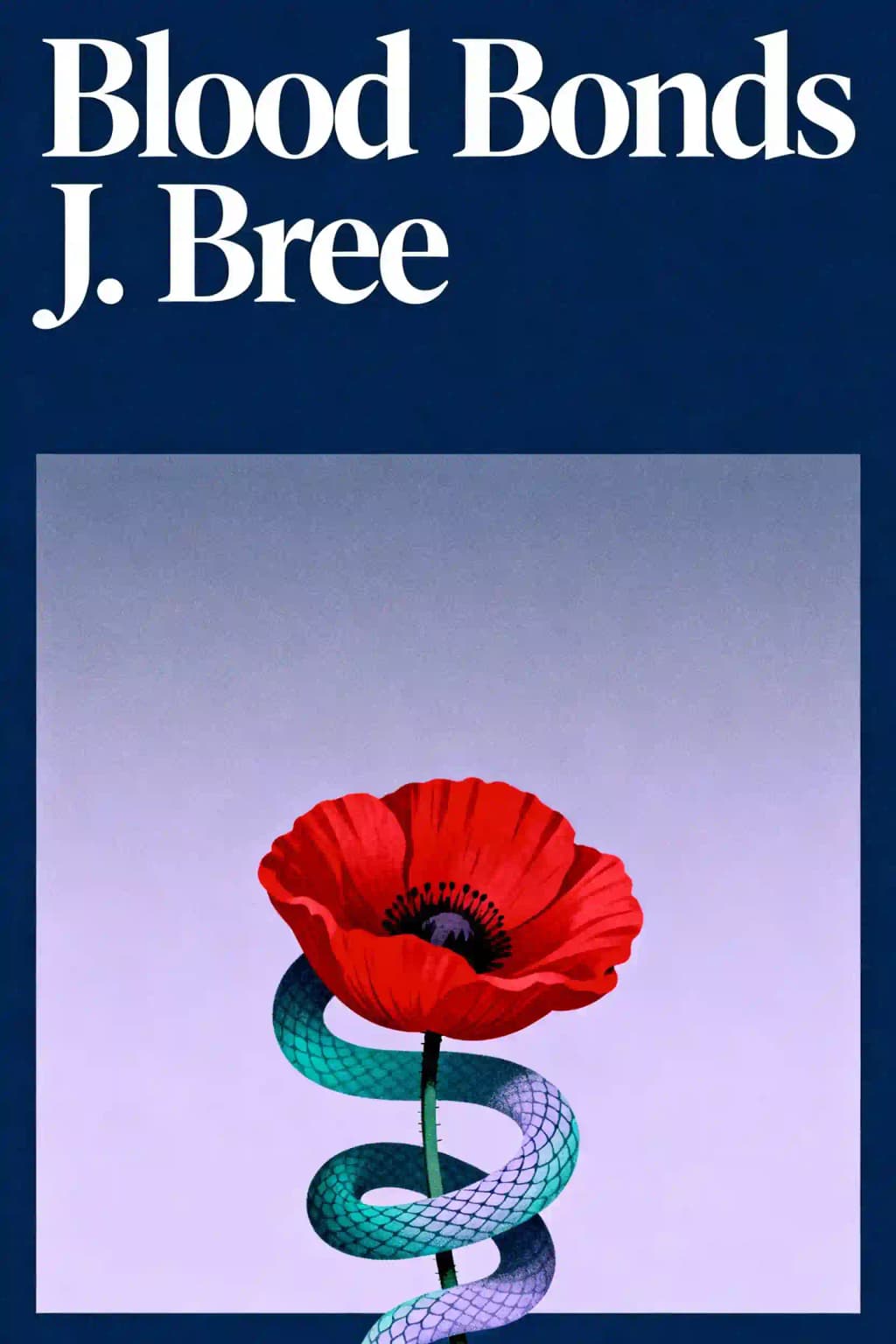
Blood Bonds by J. Bree has captivated readers worldwide with its dark paranormal romance and complex power dynamics. This third installment in The Bonds That Tie series has garnered a devoted following on BookTok, with fans particularly drawn to its exploration of polyamorous relationships and supernatural abilities. The novel continues the journey of Oleander Fallows, a young woman with extraordinary powers who finds herself bound to multiple partners through mystical connections. What makes this series particularly compelling is how it balances intense romance with high-stakes action, creating a reading experience that's both emotionally charged and adrenaline-fueled. As one celebrity fan noted, "It's like Hunger Games meets Twilight, but with a heroine who could destroy them all."
Capitolo 2
The Infinite Weapon: Oleander's Deadly Gift
Oleander Fallows is no ordinary protagonist. After surviving a car accident that killed her parents, she awakens in a hospital with mysteriously silver hair and an internal force-her bond-that remains vigilantly protective. As a Soul Render, she possesses the terrifying ability to literally tear souls from bodies, making her the most powerful and feared weapon in a world divided between Gifted individuals and the oppressive Resistance.
Her power manifests most dramatically when she's in danger. When threatened, her eyes shift to void-like darkness, and her personality transforms completely. This alternate self-her bond-is ruthlessly protective and enjoys the destruction it wreaks. "I'm already a monster, North. What's a few more souls when I've already taken thousands?" she confesses during a particularly vulnerable moment. This duality creates constant internal conflict for Oleander, who struggles to reconcile her compassionate nature with the violent capabilities of her gift.
What makes Oleander's character truly compelling is how her traumatic past shapes her present. Having previously endured two years of captivity and torture under Silas Davies, a sadistic Resistance leader obsessed with harnessing her power, she developed survival mechanisms that make her simultaneously vulnerable and indestructible. Her bond emerged early to protect her during torture, creating a psychological shield that both protects and isolates her.
As her powers evolve throughout the story, Oleander discovers the horrifying ability to not just rend souls but to consume them, absorbing their energy to strengthen herself and her Bonds. This development forces her to confront difficult questions about morality and identity: Is she a monster for using these abilities, even when protecting those she loves? The answer remains ambiguous, reflecting the complex moral landscape of the world J. Bree has created.
Capitolo 3
The Sacred Bond: A Web of Supernatural Connections
At the heart of Blood Bonds lies the concept of supernatural connections between individuals. These bonds manifest as physical sensations-a buzzing under the skin, an ache in the chest, or restless energy-and create unbreakable links between compatible people. For Oleander, these connections form with multiple partners, creating a complex web of relationships that drives much of the narrative tension.
The bond system follows specific rules: Central Bonds can connect with multiple partners, while those partners (called simply "Bonds") connect only with their Central. When separated from her Bonds, Oleander experiences physical discomfort that varies depending on which Bond is absent-"Nox is a slow itch, Gabe an ache in my chest, and Atlas is restless energy." These sensations create a compelling metaphor for emotional dependency and connection.
What makes this supernatural element particularly fascinating is how it interacts with the characters' free will. Despite the biological imperative to be together, the characters must still choose to accept their bonds, creating tension between destiny and choice. North initially resists his connection to Oleander, while Nox actively fights against it throughout much of the story. This resistance creates emotional and physical consequences for both parties, illustrating how denial of one's true nature leads to suffering.
The bond system also manifests in shared abilities. When Oleander fully bonds with someone, they gain access to each other's gifts. North's shadow creatures-nightmare manifestations he can summon at will-recognize Oleander as their mistress. "They belong to me as much as he does," North's bond reveals to her, demonstrating how these connections blur the boundaries between individuals.
This supernatural element elevates the romantic aspects of the story beyond simple attraction, creating relationships that are simultaneously fated and fought for, biological and chosen-a perfect metaphor for the complexity of human connection.
Capitolo 4
A World Divided: The Gifted vs. The Resistance
The setting of Blood Bonds presents a society sharply divided between the Gifted - those with supernatural abilities - and the Resistance, a faction dedicated to controlling or eliminating these powers. This conflict creates a dystopian backdrop where fear, prejudice, and power struggles shape everyday life. The division runs deep through families, communities, and institutions, with both sides claiming moral superiority while committing acts of violence in pursuit of their goals.
The Gifted community operates under a sophisticated council system, with twelve elected representatives and powerful individuals like North Draven holding significant political influence. Their society is strictly hierarchical, with ability types determining social status and opportunities. Healers like Felix occupy an unusual position - essential for survival but often treated as support staff rather than respected leaders. Combat-oriented gifts such as pyrokinesis and telekinesis receive greater respect and authority, while empaths and dreamwalkers face subtle discrimination despite their valuable abilities. This stratification creates internal tensions even within the supposedly unified Gifted community, with frequent power struggles and political maneuvering among the various factions.
The Resistance represents a more militaristic structure, operating through decentralized cells while maintaining several large-scale facilities. They employ increasingly brutal tactics, from public executions of Gifted individuals to sophisticated propaganda campaigns that paint the Gifted as inhuman threats. Their camps - converted military facilities scattered across remote areas - serve as both prisons and research centers where they attempt to harness or neutralize supernatural abilities. The notorious Silas Davies, once a respected military scientist, represents the cruelest aspects of this organization. His three-year torture of Oleander reveals not just personal sadism but a systematic approach to breaking down Gifted individuals both physically and psychologically.
What complicates this seemingly black-and-white conflict is the revelation that approximately 40% of Resistance fighters were once kidnapped children, now grown and indoctrinated through a combination of psychological conditioning and chemical manipulation. This information devastates Oleander when she learns it: "This revelation devastates me as I realize I've killed people who might have been victims themselves. How many of them were stolen from families like mine? How many were forced into this life?" This moral complexity forces both characters and readers to question easy distinctions between heroes and villains, particularly as more details emerge about the early days of the conflict.
The establishment of the Sanctuary - a protected community housing over three thousand Gifted individuals - represents an ambitious attempt to create safety in this dangerous world. Built into a mountain range and protected by both technological and supernatural defenses, it initially appears impregnable. However, even this haven proves vulnerable when betrayal allows Resistance forces to breach its defenses, demonstrating that no place is truly secure in a society fractured by such fundamental divisions. The fall of the Sanctuary becomes a turning point in the story, forcing both sides to confront the true cost of their endless conflict.
Capitolo 5
The Brotherhood of Shadows: North and Nox Draven
The complex relationship between brothers North and Nox Draven forms one of the most compelling dynamics in Blood Bonds. As powerful Gifted individuals who share a Central Bond with Oleander, they navigate their fraternal bond alongside their supernatural connection to her, creating a triangle fraught with tension and unspoken rules.
North Draven embodies authority and control. As a respected councilman with the ability to summon nightmare creatures, he projects an image of perfect composure while harboring intense possessiveness toward Oleander. His shadow creatures-August, a dog-like entity, and an unnamed serpent-reflect different aspects of his personality. Despite his domineering nature, North shows vulnerability in his fear that his bond will harm Oleander, revealing the self-doubt beneath his confident exterior.
Nox, the younger Draven, presents a more volatile personality. His antagonistic relationship with Oleander stems from deep-seated trust issues and fear of vulnerability. When she accidentally triggers his shadow bond by mocking him as "such a good little boy, doing just what you're told," his violent reaction reveals the childhood wounds still influencing his adult behavior. His morning ritual after spending the night with Oleander-vomiting and showering with his clothes on, "trying to scrub away her presence"-demonstrates his desperate attempt to maintain emotional distance.
What makes their brotherhood particularly fascinating is the careful boundaries they maintain regarding Oleander. Despite sharing her as a Bond, they establish clear territories and rules: "North suggesting he'd take her right there on his desk if it weren't Nox's night, maintaining the careful boundaries between brothers." This arrangement highlights how they've adapted their fraternal relationship to accommodate their supernatural connection without destroying their brotherhood.
The contrast between the brothers extends to their leadership styles. While North builds alliances and navigates political complexities, Nox takes a more direct approach, declaring he'll find a traitor himself "within a week" rather than consulting others. Together, they represent different approaches to power-diplomatic versus forceful-while sharing an unbreakable family bond that transcends their supernatural connections.
Capitolo 6
The Protectors: Gabe and Atlas
Complementing the intensity of the Draven brothers are Oleander's other significant Bonds: Gabriel and Atlas. These characters provide emotional support and protection that balances the more dominant energies of North and Nox, creating a more complete support system for Oleander.
Gabriel, a shifter who can transform into a panther, represents unwavering loyalty and emotional stability. Unlike the Dravens, who struggle with vulnerability, Gabe openly embraces his connection to Oleander, offering physical comfort without demanding anything in return. His protective nature manifests literally when he guards a schoolhouse full of civilians in his panther form during the Resistance attack. Behind his strength lies personal tragedy-a mother who has taken to her bed since losing her Bonded, leaving Gabe to handle family responsibilities alone. This background explains his deep appreciation for the family he's found with Oleander and the others.
Atlas Bassinger presents a more complicated case as a former Resistance member who betrayed his family for Oleander. His unique gift makes him invulnerable-"bullets bounce off him"-making him the perfect shield for Oleander in dangerous situations. His relationship with his biological family, particularly his manipulative father and his sister Aurelia, creates ongoing conflict as he navigates his new loyalties. When comparing his sister to Oleander, he notes that Oleander would "break her own heart to do the right thing," highlighting the moral integrity that drew him to her.
What makes these characters particularly compelling is how they complement each other in protecting Oleander. During the Resistance attack on the Sanctuary, they divide responsibilities according to their strengths: Gabe guards civilians in his panther form, while Atlas uses his invulnerability to accompany Oleander as she hunts down enemies. Their different approaches to protection-Gabe's fierce guardianship versus Atlas's unwavering presence-create a comprehensive support system that allows Oleander to embrace her powers without losing herself to them.
Capitolo 7
The Price of Power: Trauma and Recovery
Beneath the supernatural elements and romantic connections lies a profound exploration of trauma and its lasting effects. Nearly every character in Blood Bonds carries psychological wounds that influence their behavior and relationships, creating a nuanced portrayal of how people cope with devastating experiences.
Oleander's trauma from two years of torture under Silas Davies shapes her entire worldview. Her bond emerged as a protective mechanism, creating a split in her personality that allows her to compartmentalize horrific experiences: "The pain is nothing, only the girl feels it and she's sleeping right now." This dissociation serves as both shield and prison, protecting her from immediate pain while preventing complete healing. When Kieran suggests she needs therapy, she resists, arguing that her bond handles the trauma-a clear example of how her coping mechanism has become a barrier to recovery.
The Draven brothers carry their own wounds. North's fear that his bond will harm Oleander suggests past experiences where his power caused damage to someone he cared about. Nox's extreme aversion to vulnerability points to betrayal or abuse that taught him to equate openness with danger. Their different responses to similar trauma-North's controlled exterior versus Nox's volatile reactions-demonstrate how the same wound can create vastly different coping strategies.
Even secondary characters reflect this theme. Gabe's mother has completely withdrawn from life after losing her Bonded, while Felix maintains distance from his family after some unspecified incident with his sister Gracie. The rescued Gifted from Resistance camps show various stages of trauma response, with some too damaged to be rehabilitated-raising the ethical question of whether Oleander's gift might provide mercy through death.
What makes this exploration particularly powerful is how it avoids simplistic solutions. There is no magical healing, even in this supernatural world. Recovery requires time, support, and active work-elements that the characters struggle to provide while fighting for survival. This realistic portrayal of trauma's lasting impact grounds the fantastical elements of the story in emotional truth.
Capitolo 8
The Betrayal: Trust in a World of Deception
The theme of betrayal runs throughout Blood Bonds, culminating in the shocking revelation that Sage-Oleander's closest female friend-is responsible for opening the Sanctuary gates to the Resistance. This betrayal serves as the climactic turning point of the novel, forcing characters to question their judgment and reconsider their most trusted relationships.
The buildup to this revelation is masterfully crafted through subtle clues. Sage's frustration with North and her father making decisions about her Bonds without her input hints at her growing resentment toward authority figures. Her Bond with Kieran, who previously worked with the Resistance, creates a potential channel for outside influence. Even her apparent concern for Riley's "dangerous situation with Giovanna" takes on new meaning in retrospect, possibly indicating divided loyalties rather than genuine worry.
What makes Sage's betrayal particularly devastating is her position as Oleander's confidante. Unlike the romantic Bonds who compete for Oleander's attention, Sage represented a friendship free from supernatural complications-making her treachery a purely human choice rather than a bond-influenced action. The final scene captures Oleander's visceral reaction to this discovery: "My palms break out in sweat as I realize I might not be able to handle this betrayal."
This betrayal connects to broader questions about trust in a world where loyalties are constantly tested. Atlas's mother secretly helped Oleander while remaining part of the Resistance, demonstrating how family bonds can transcend ideological divisions. The "sympathizer plant" who compromised the water supply represents another layer of infiltration. Even the revelation that many Resistance fighters were once kidnapped children blurs the line between enemy and victim, making it increasingly difficult to determine who deserves trust.
By ending with this betrayal, J. Bree leaves readers questioning every relationship established throughout the novel. If Sage-seemingly the most straightforward ally-could turn against them, who else might be harboring secret loyalties? This uncertainty creates powerful momentum for the next installment while reinforcing the central message that in this world, trust is both essential and dangerous.
Capitolo 9
The Evolution of Power: Oleander's Growing Abilities
Throughout Blood Bonds, Oleander's powers undergo a dramatic evolution that parallels her personal growth. Beginning as a defensive mechanism that activates when she's threatened, her Soul Render abilities gradually expand to include offensive capabilities that make her the most formidable weapon in the ongoing conflict.
The most significant development is her ability to consume souls rather than simply rending them. This power first manifests during the supply run when she captures Giles Andrews' soul to "consume it slowly." The process leaves her physically ill as her bond "snacks" on the captured soul, but provides her with increased energy she can channel to her Bonds. This evolution represents a quantum leap in her capabilities, transforming her from a defensive weapon to an active power source that can strengthen her entire Bonded group.
Her mental abilities also expand dramatically. Initially limited to receiving telepathic messages from Gryphon, she develops the capacity to project her consciousness into Atlas's mind while sleeping-a form of astral projection that occurs spontaneously but suggests potential for intentional use. This growth hints at untapped potential in her connection to her Bonds, possibly foreshadowing future developments where she can mentally link with all of them simultaneously.
What makes this evolution particularly compelling is Oleander's ambivalence about her growing powers. Unlike typical power fantasy narratives where characters embrace new abilities enthusiastically, she struggles with the moral implications of her gifts. When Atlas asks how he can help her process her "disturbing new party trick," her response reflects genuine horror at what she's becoming. This reluctance creates tension between her need to protect her Bonds and her fear of losing her humanity in the process.
Atlas suggests a fascinating theory about her development: that her bond might already be "at full capacity" since she's the strongest Soul Render in history, explaining why bonding with others doesn't increase her raw power but instead enhances her control and confidence. This perspective reframes her relationships as sources of stability rather than power, adding emotional depth to her supernatural connections.
Capitolo 10
The Sanctuary: Building a Haven in a Hostile World
The establishment of the Sanctuary represents the characters' attempt to create safety and community in a world torn apart by conflict. This protected settlement serves as both literal and metaphorical refuge-a physical space defended by Shields and guards, but also an ideological statement about the possibility of peaceful coexistence for the Gifted.
The physical development of the Sanctuary unfolds throughout the novel. We see Oleander helping with construction in "the fifth zone," working alongside builders until she earns their respect. This hands-on involvement in building their haven connects her personally to the community's growth. The developing town includes essential infrastructure-a medical center, schoolhouse, and security command center-creating a microcosm of normal society within its protected boundaries.
What makes the Sanctuary particularly significant is how it represents hope in a dystopian landscape. For the rescued Gifted who have endured torture in Resistance camps, it offers the possibility of rehabilitation and a new life. For the Bonds, it promises a future where they might live together without constant threat. Even the name "Sanctuary" carries religious connotations of sacred protection, suggesting this isn't merely a defensive position but a moral statement about the value of Gifted lives.
However, the Sanctuary's vulnerability becomes painfully clear when the Resistance breaches its defenses. The discovery that "the gates have been opened and the Shield is down" transforms their haven into a battleground, with buildings "blown apart" and civilians hiding in storm cellars. This attack demonstrates that no physical barrier can provide absolute security in their world-a harsh reality that forces the characters to recognize that safety ultimately depends on people rather than places.
The betrayal that enables this attack-Sage slitting the Shield operator's throat and opening the gates-carries symbolic weight beyond its tactical significance. It suggests that the greatest threat to any community comes not from external enemies but from trusted insiders who turn against their own. This painful lesson will undoubtedly shape how the Sanctuary is rebuilt and governed in the aftermath, potentially creating a more vigilant but less trusting community.
Capitolo 11
When Darkness Becomes Light: Finding Hope in Connection
Despite the dark themes and violent conflicts that dominate Blood Bonds, the novel ultimately offers a hopeful message about the power of connection to heal even the deepest wounds. Through their supernatural bonds and chosen family, the characters find strength to face trauma and adversity that would destroy them individually.
The clearest expression of this hope comes through Oleander's evolving relationships with her Bonds. With North, she discovers safety despite his intimidating power: "For the first time since my parents died, I feel safe, secure, and loved." With Gryphon, she finds understanding and acceptance of her darkest aspects. With Gabe, she experiences unconditional support and loyalty. With Atlas, she receives the promise that "If you get stronger and burn the whole world to the ground, then I'll be there at your side." Even her complicated relationship with Nox suggests potential for growth and healing through honest confrontation.
These connections don't magically erase trauma or solve external problems, but they provide essential support that makes survival possible. When Oleander struggles with the moral implications of consuming souls, her Bonds offer different perspectives that help her process this development. When the Sanctuary is attacked, they divide responsibilities according to their strengths, creating a more effective defense than any could manage alone.
The found family dynamic extends beyond romantic bonds to include characters like Felix, Kieran, and Kyrie, creating a network of relationships that replaces the biological families many characters have lost. This chosen community represents a deliberate rejection of isolation as a response to trauma-instead of withdrawing from connection after being hurt, these characters risk vulnerability to build something new.
Even in the novel's darkest moments, this theme of connection as salvation persists. When Oleander takes souls during the Resistance attack, she channels their energy to strengthen her Bonds, transforming destruction into protection. This metaphor-that even death can serve life when motivated by love-offers a complex but ultimately hopeful vision of how darkness and light intertwine in human experience.
By centering these connections, J. Bree creates a narrative that acknowledges the reality of trauma and violence without surrendering to nihilism. The characters' bonds-both supernatural and emotional-provide reason to continue fighting for a better world, even when that fight requires terrible sacrifices.