Why you attract unavailable people and how to stop
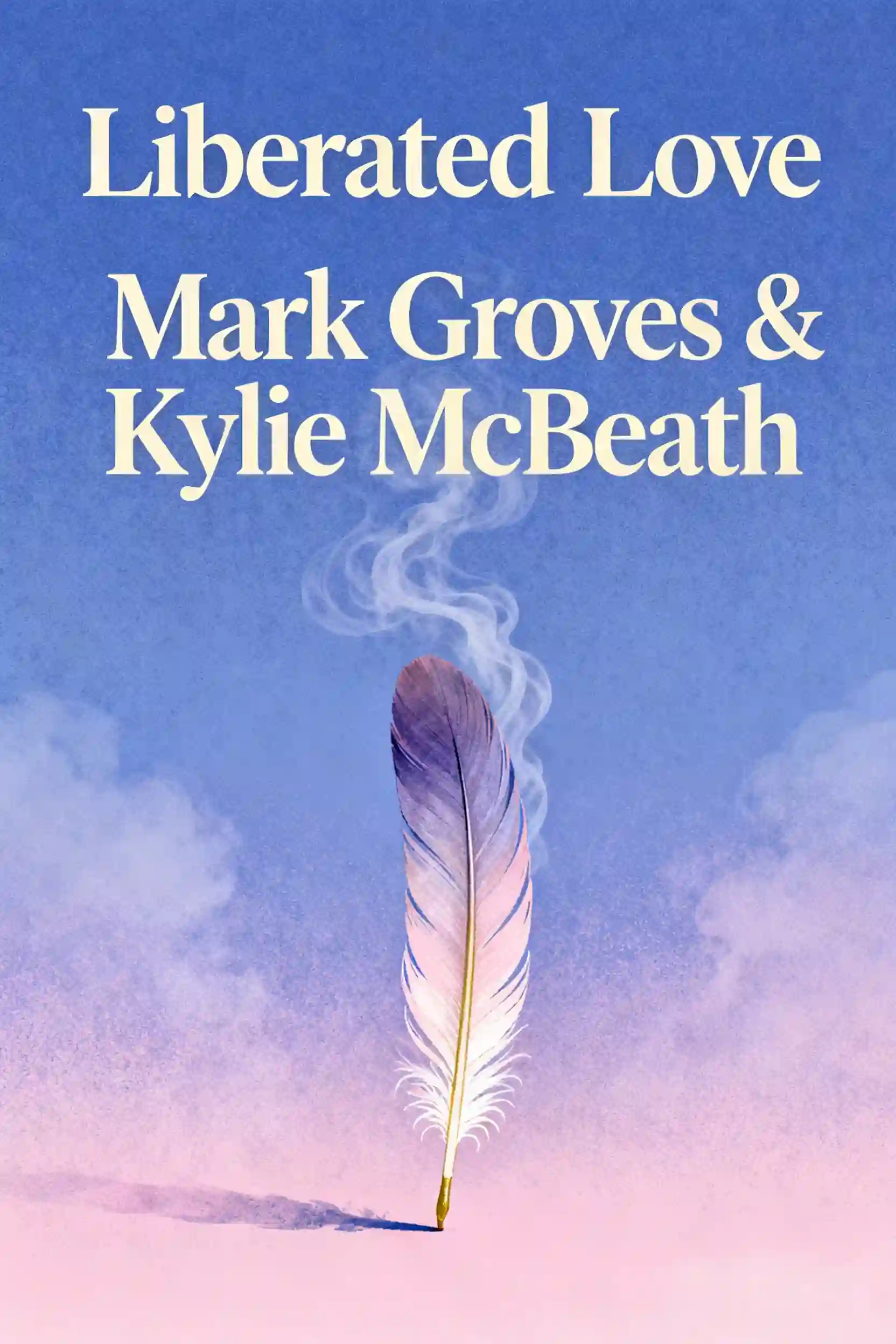
Struggling with a broken love picker? Discover how childhood patterns mistake anxiety for chemistry and learn to rewire your attraction toward security.

Meilleure citation de Why you attract unavailable people and how to stop
Chemistry is often a reflection of familiarity, not compatibility. We have to learn to shift our definition of a 'spark' from anxiety and adrenaline to safety and consistency.
Generated by Noor
Im an informative who keeps attracting emotionally unavailable people and I want to understand my attachment patterns

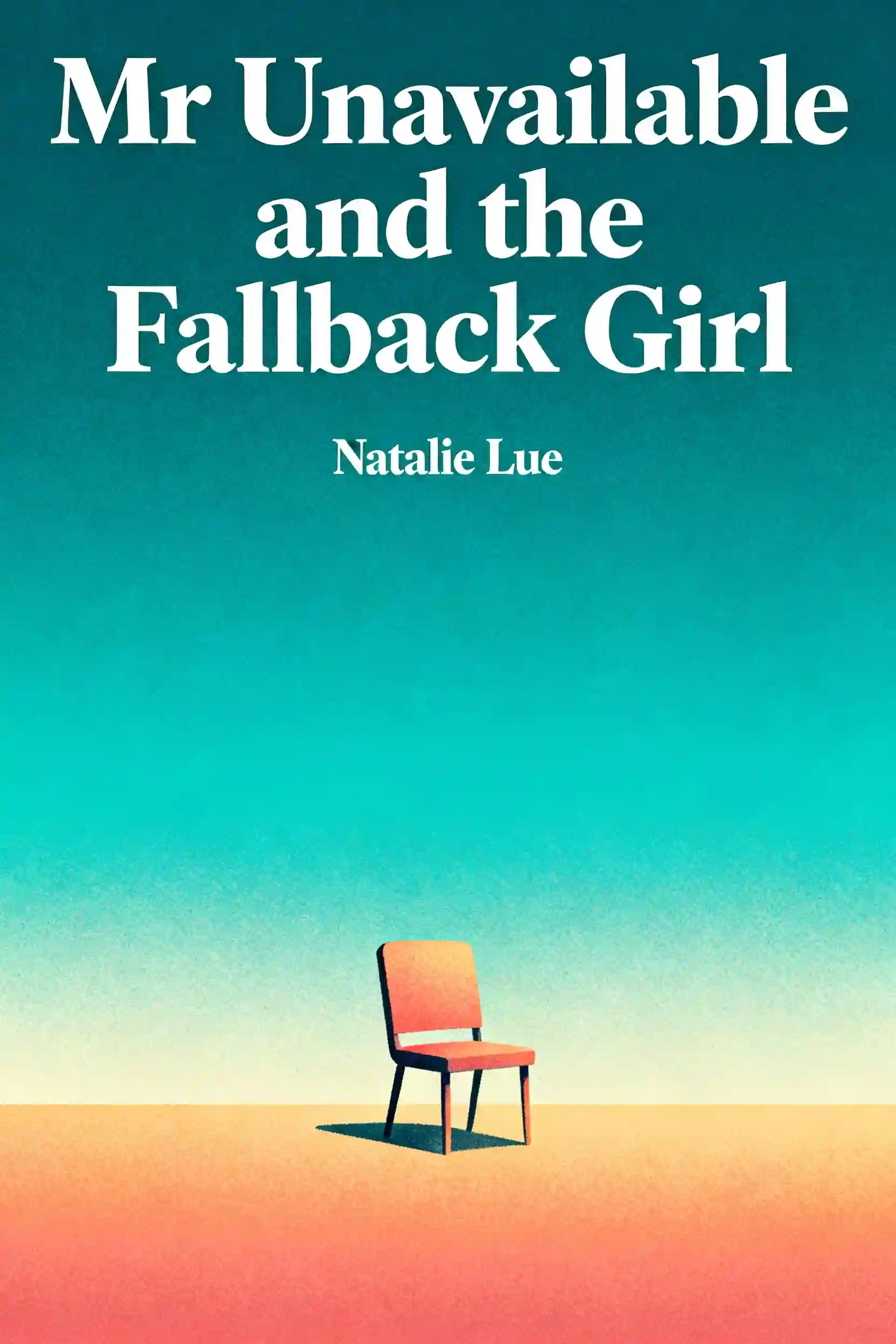
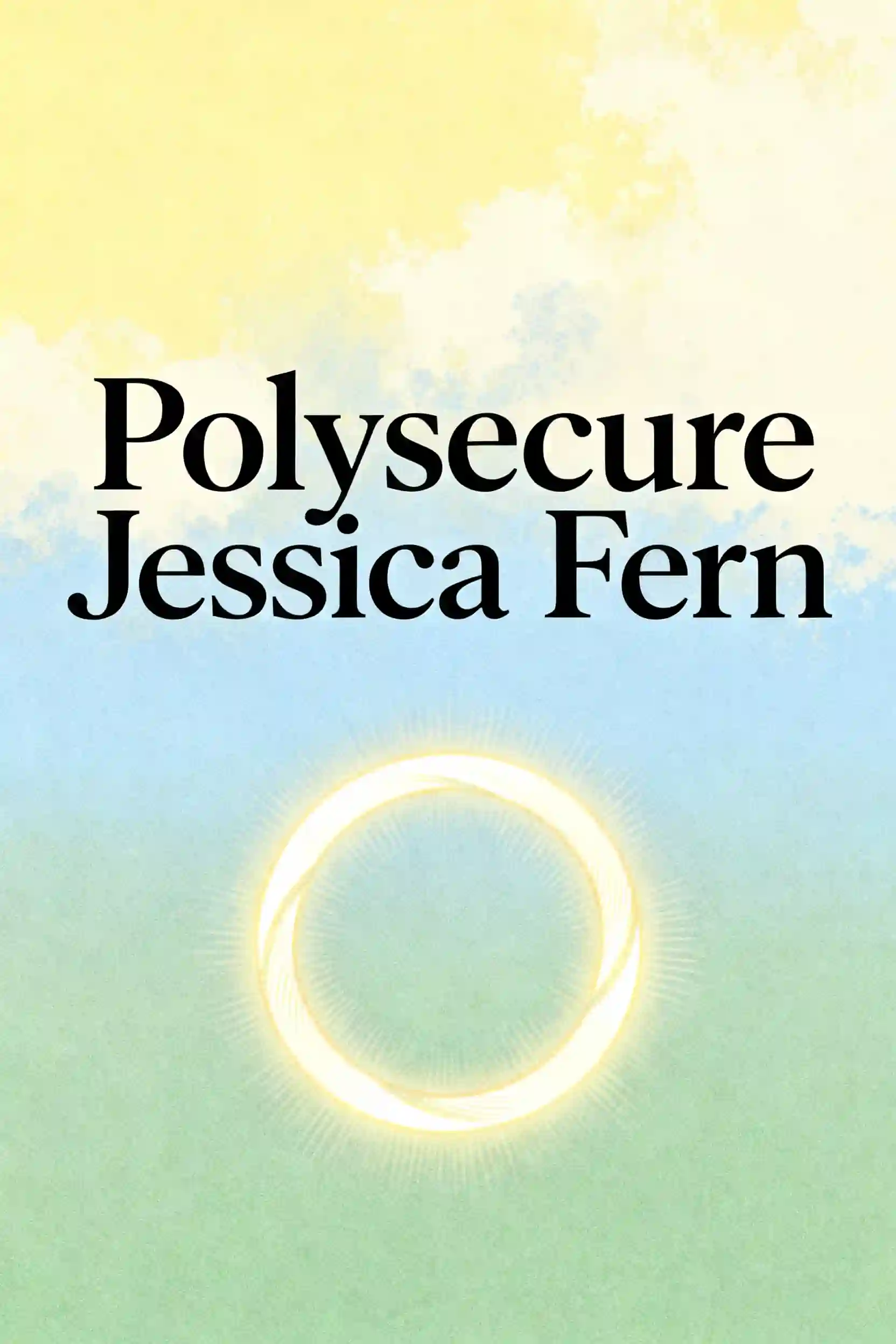
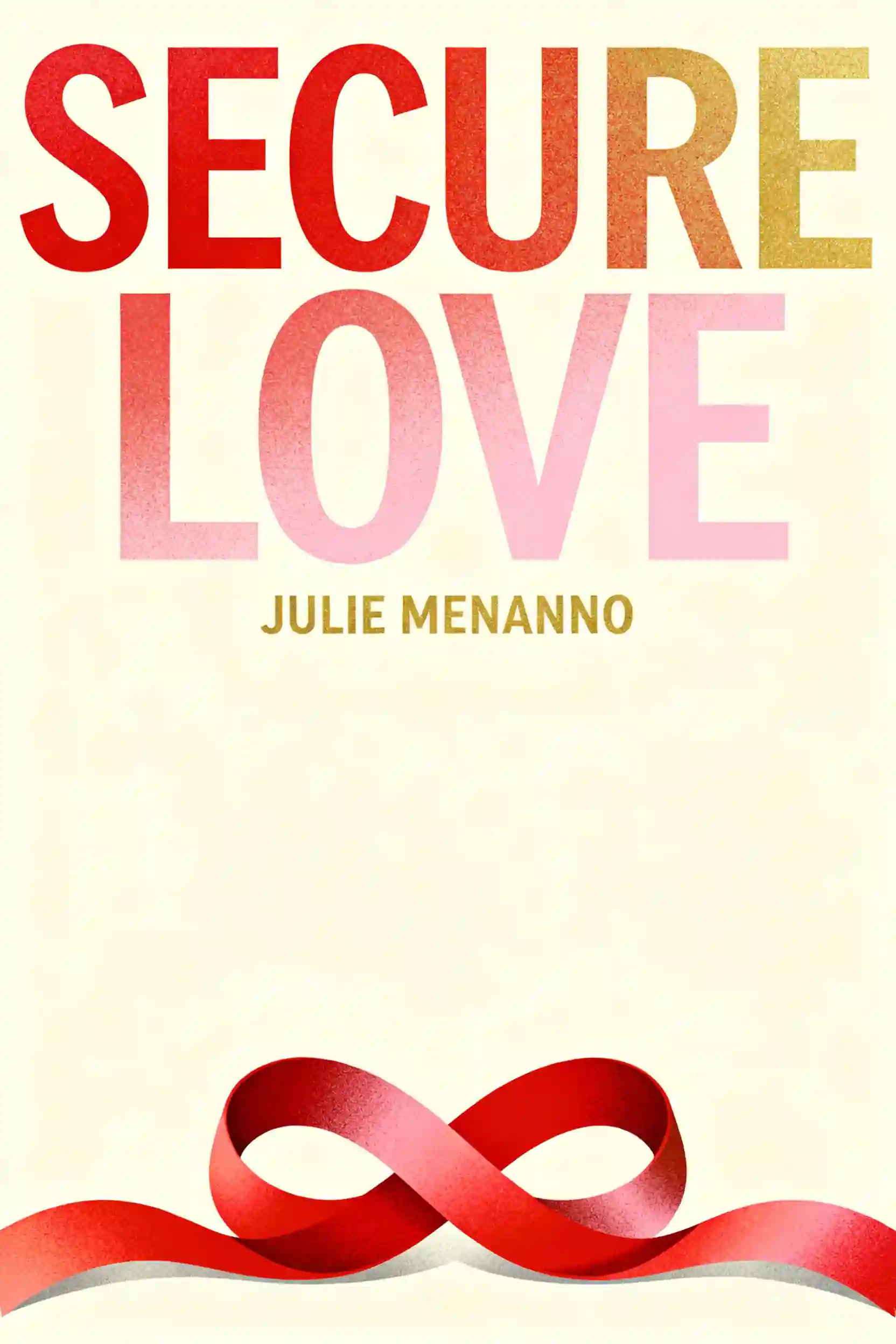
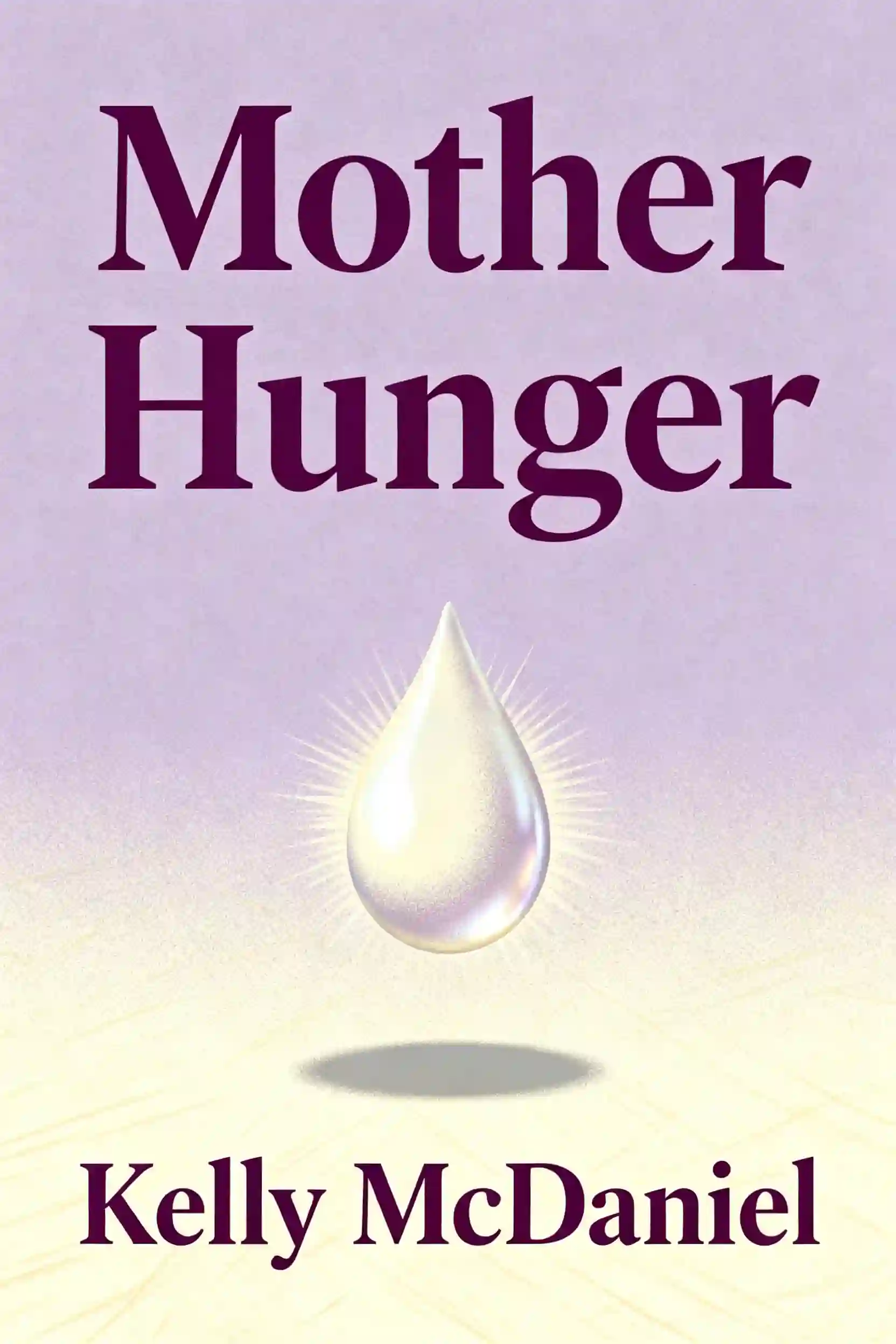
Foire aux questions
The intense chemistry or "spark" you feel is often not a sign of a soulmate, but rather a sign of "anxious activation" in your nervous system. If you grew up in an environment where love was inconsistent or had to be earned, your body mistakes the adrenaline and anxiety of chasing someone for romantic chemistry. Your nervous system gravitates toward what is familiar, even if that familiarity is painful, because it recognizes the "anxious-avoidant" roller coaster as a home-like environment.
This is a mechanical cycle common in anxious-avoidant pairings. The anxious partner (the pursuer) moves toward connection to feel safe when stressed, while the avoidant partner (the distancer) moves toward space to regulate their emotions. The more the anxious person pursues, the more smothered the avoidant person feels, causing them to pull away further. This withdrawal triggers a "five-alarm fire" in the anxious partner, leading to more pursuit and creating an exhausting loop where both parties' survival mechanisms actually harm the relationship.
Overfunctioning occurs when you carry the majority of the emotional weight to keep a relationship from collapsing. Signs include making excuses for a partner's behavior, initiating every vulnerable conversation, and "renting" their interest by over-giving. This often leads to self-abandonment, where you shrink your own needs or hobbies to remain available. A key way to test this is through "behavioral experiments," such as stopping the initiation of texts for a day to see if the relationship can sustain itself without your constant effort.
Yes, you can develop what psychologists call "earned security." This is achieved through a combination of self-awareness, nervous system regulation, and choosing healthier partners over time. By learning to self-soothe—using techniques like box breathing or naming your anxiety—rather than externalizing your regulation through a partner, you can rewire your brain. Healing involves shifting your definition of a "spark" from anxiety to safety and learning to value consistency over intensity.
Secure partners are often perceived as boring because they lack the drama and unpredictability that trigger adrenaline spikes. You can recognize them by their clear communication, their ability to follow through on plans, and their comfort with closeness. To give these relationships a chance, you must look for "green flags" like responsiveness to your needs and the ability to "repair" after a conflict. Over time, as your nervous system relaxes, this predictability becomes the foundation for true intimacy rather than a lack of interest.
Cree par des anciens de Columbia University a San Francisco
"Instead of endless scrolling, I just hit play on BeFreed. It saves me so much time."


"I never knew where to start with nonfiction—BeFreed’s book lists turned into podcasts gave me a clear path."


"Perfect balance between learning and entertainment. Finished ‘Thinking, Fast and Slow’ on my commute this week."
"Crazy how much I learned while walking the dog. BeFreed = small habits → big gains."
"Reading used to feel like a chore. Now it’s just part of my lifestyle."

"Feels effortless compared to reading. I’ve finished 6 books this month already."
"BeFreed turned my guilty doomscrolling into something that feels productive and inspiring."

"BeFreed turned my commute into learning time. 20-min podcasts are perfect for finishing books I never had time for."
"BeFreed replaced my podcast queue. Imagine Spotify for books — that’s it. 🙌"

"It is great for me to learn something from the book without reading it."
"The themed book list podcasts help me connect ideas across authors—like a guided audio journey."
"Makes me feel smarter every time before going to work"
 Ask ChatGPT
 Ask Claude
Cree par des anciens de Columbia University a San Francisco
"Instead of endless scrolling, I just hit play on BeFreed. It saves me so much time."
"I never knew where to start with nonfiction—BeFreed’s book lists turned into podcasts gave me a clear path."
"Perfect balance between learning and entertainment. Finished ‘Thinking, Fast and Slow’ on my commute this week."
"Crazy how much I learned while walking the dog. BeFreed = small habits → big gains."
"Reading used to feel like a chore. Now it’s just part of my lifestyle."
"Feels effortless compared to reading. I’ve finished 6 books this month already."
"BeFreed turned my guilty doomscrolling into something that feels productive and inspiring."
"BeFreed turned my commute into learning time. 20-min podcasts are perfect for finishing books I never had time for."
"BeFreed replaced my podcast queue. Imagine Spotify for books — that’s it. 🙌"
"It is great for me to learn something from the book without reading it."
"The themed book list podcasts help me connect ideas across authors—like a guided audio journey."
"Makes me feel smarter every time before going to work"
"Instead of endless scrolling, I just hit play on BeFreed. It saves me so much time."
"I never knew where to start with nonfiction—BeFreed’s book lists turned into podcasts gave me a clear path."
"Perfect balance between learning and entertainment. Finished ‘Thinking, Fast and Slow’ on my commute this week."
"Crazy how much I learned while walking the dog. BeFreed = small habits → big gains."
"Reading used to feel like a chore. Now it’s just part of my lifestyle."
"Feels effortless compared to reading. I’ve finished 6 books this month already."
"BeFreed turned my guilty doomscrolling into something that feels productive and inspiring."
"BeFreed turned my commute into learning time. 20-min podcasts are perfect for finishing books I never had time for."
"BeFreed replaced my podcast queue. Imagine Spotify for books — that’s it. 🙌"
"It is great for me to learn something from the book without reading it."
"The themed book list podcasts help me connect ideas across authors—like a guided audio journey."
"Makes me feel smarter every time before going to work"
"Instead of endless scrolling, I just hit play on BeFreed. It saves me so much time."
"I never knew where to start with nonfiction—BeFreed’s book lists turned into podcasts gave me a clear path."
"Perfect balance between learning and entertainment. Finished ‘Thinking, Fast and Slow’ on my commute this week."
"Crazy how much I learned while walking the dog. BeFreed = small habits → big gains."
"Reading used to feel like a chore. Now it’s just part of my lifestyle."
"Feels effortless compared to reading. I’ve finished 6 books this month already."
"BeFreed turned my guilty doomscrolling into something that feels productive and inspiring."
"BeFreed turned my commute into learning time. 20-min podcasts are perfect for finishing books I never had time for."
"BeFreed replaced my podcast queue. Imagine Spotify for books — that’s it. 🙌"
"It is great for me to learn something from the book without reading it."
"The themed book list podcasts help me connect ideas across authors—like a guided audio journey."
"Makes me feel smarter every time before going to work"