Discover why motivation fades by day four. Learn how dopamine and behavioral science impact habit formation, from smoking cessation to new fitness routines.

The secret isn't finding more willpower; it’s having a recovery design that expects you to fail. If you don't have a plan for what happens when the dopamine runs out, you're essentially planning to fail the moment life gets slightly inconvenient.
Why Every Streak Dies on Day Four

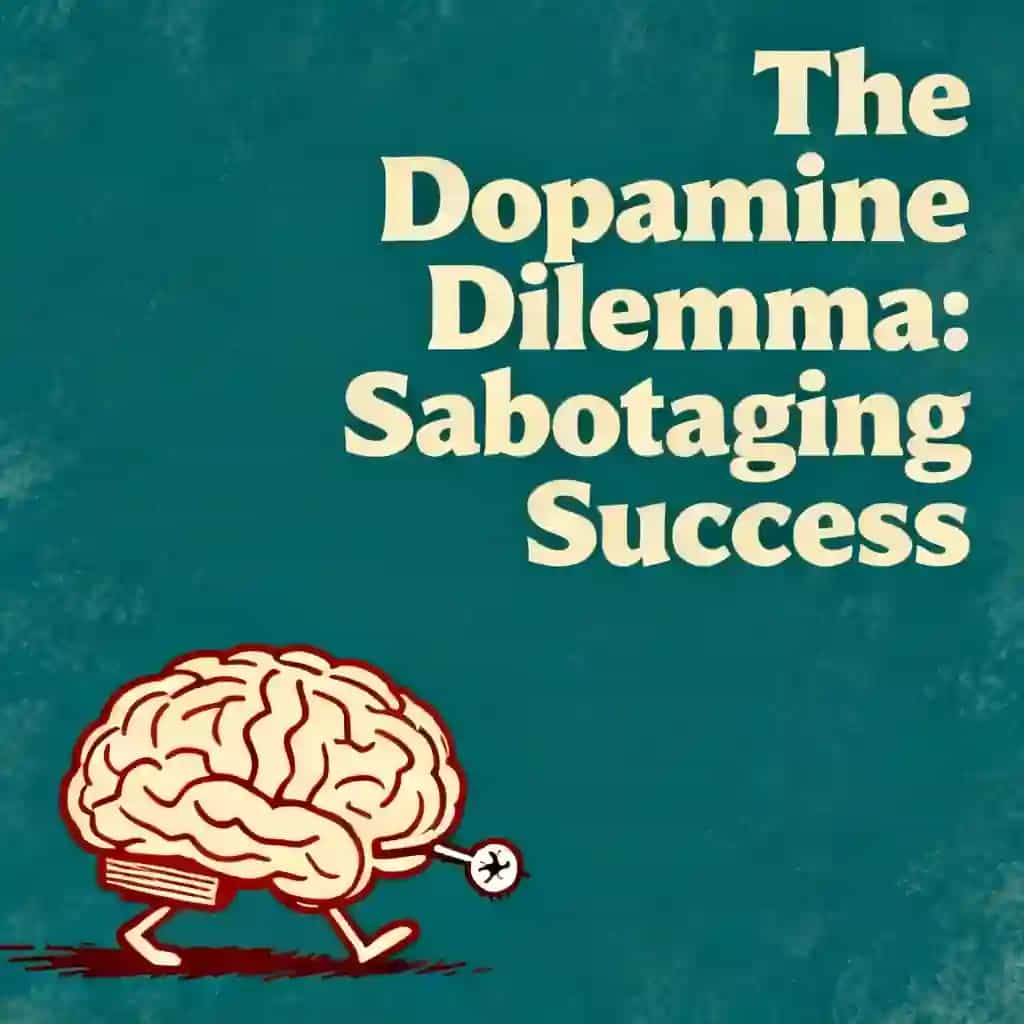
Many people find that their motivation hits a wall around day four because the initial surge of dopamine, which acts as a starter motor for new goals, begins to evaporate. This chemical spike occurs when a task is novel, but as the brain adjusts to the new rhythm by Wednesday or Thursday, the effort required feels significantly heavier. It is a predictable physical response rather than a lack of personal discipline or strength.
Dopamine provides a massive hit of excitement and anticipation when you first start a goal, similar to a 'new car smell' for your ambitions. However, behavioral science shows that dopamine is not a long-term fuel; it spikes during novelty and drops once the brain becomes accustomed to the change. By the middle of the first week, this free motivation disappears, leaving you to face the actual work required to maintain the habit.
The idea that it takes exactly twenty-one days to form a habit is actually a myth with no empirical backing. While this timeline is frequently cited in popular culture, real research from University College London suggests a different reality for habit formation. Understanding that the twenty-one-day rule is unsupported can help individuals better prepare for the actual physical and psychological challenges they will face during the early stages of behavior change.
Research indicates that many attempts at smoking cessation specifically fail on a Wednesday because the brain hits a predictable physical wall. As the initial excitement of quitting fades and the dopamine levels drop, the effort to resist the habit becomes much more difficult. Recognizing that this slump is a result of how the brain processes novelty can help individuals push through the critical moment where a habit either lives or dies.
Cree par des anciens de Columbia University a San Francisco
"Instead of endless scrolling, I just hit play on BeFreed. It saves me so much time."
"I never knew where to start with nonfiction—BeFreed’s book lists turned into podcasts gave me a clear path."
"Perfect balance between learning and entertainment. Finished ‘Thinking, Fast and Slow’ on my commute this week."
"Crazy how much I learned while walking the dog. BeFreed = small habits → big gains."
"Reading used to feel like a chore. Now it’s just part of my lifestyle."
"Feels effortless compared to reading. I’ve finished 6 books this month already."
"BeFreed turned my guilty doomscrolling into something that feels productive and inspiring."
"BeFreed turned my commute into learning time. 20-min podcasts are perfect for finishing books I never had time for."
"BeFreed replaced my podcast queue. Imagine Spotify for books — that’s it. 🙌"
"It is great for me to learn something from the book without reading it."
"The themed book list podcasts help me connect ideas across authors—like a guided audio journey."
"Makes me feel smarter every time before going to work"
Cree par des anciens de Columbia University a San Francisco