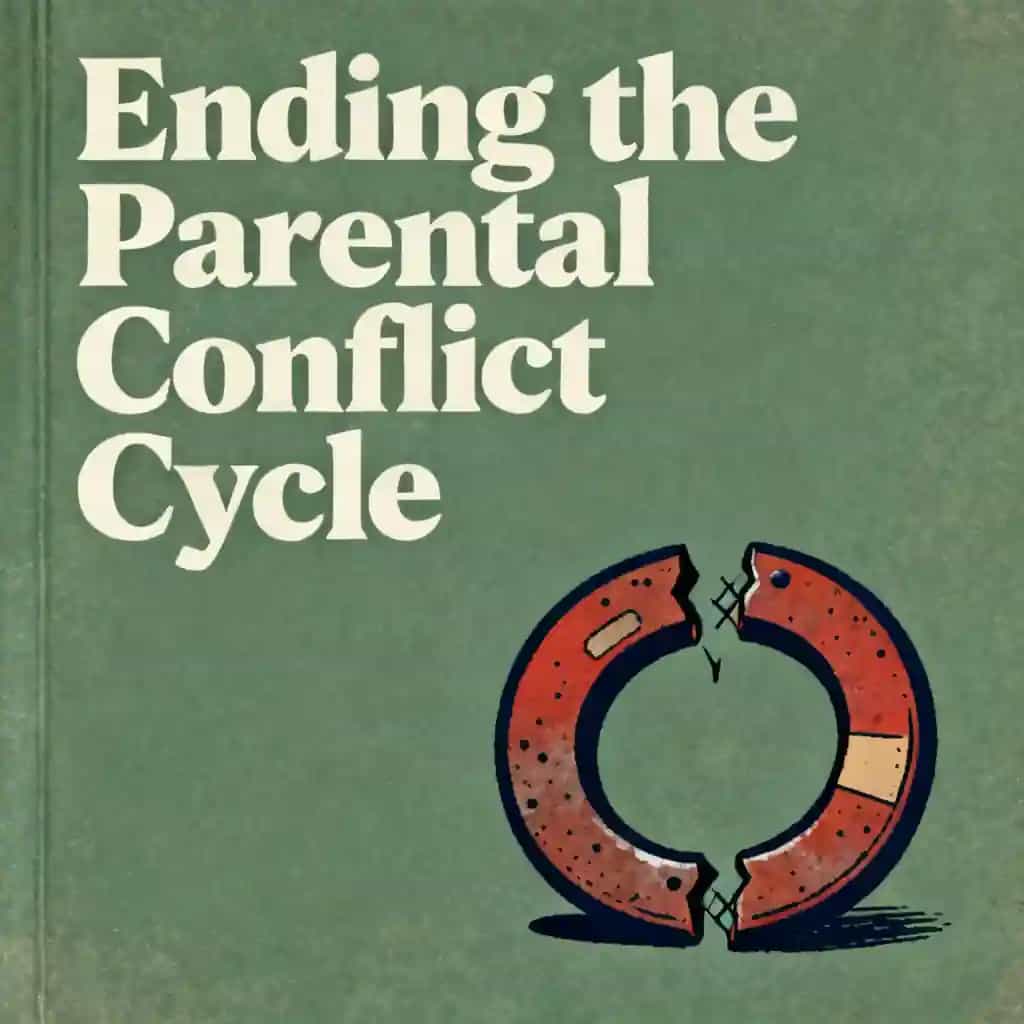
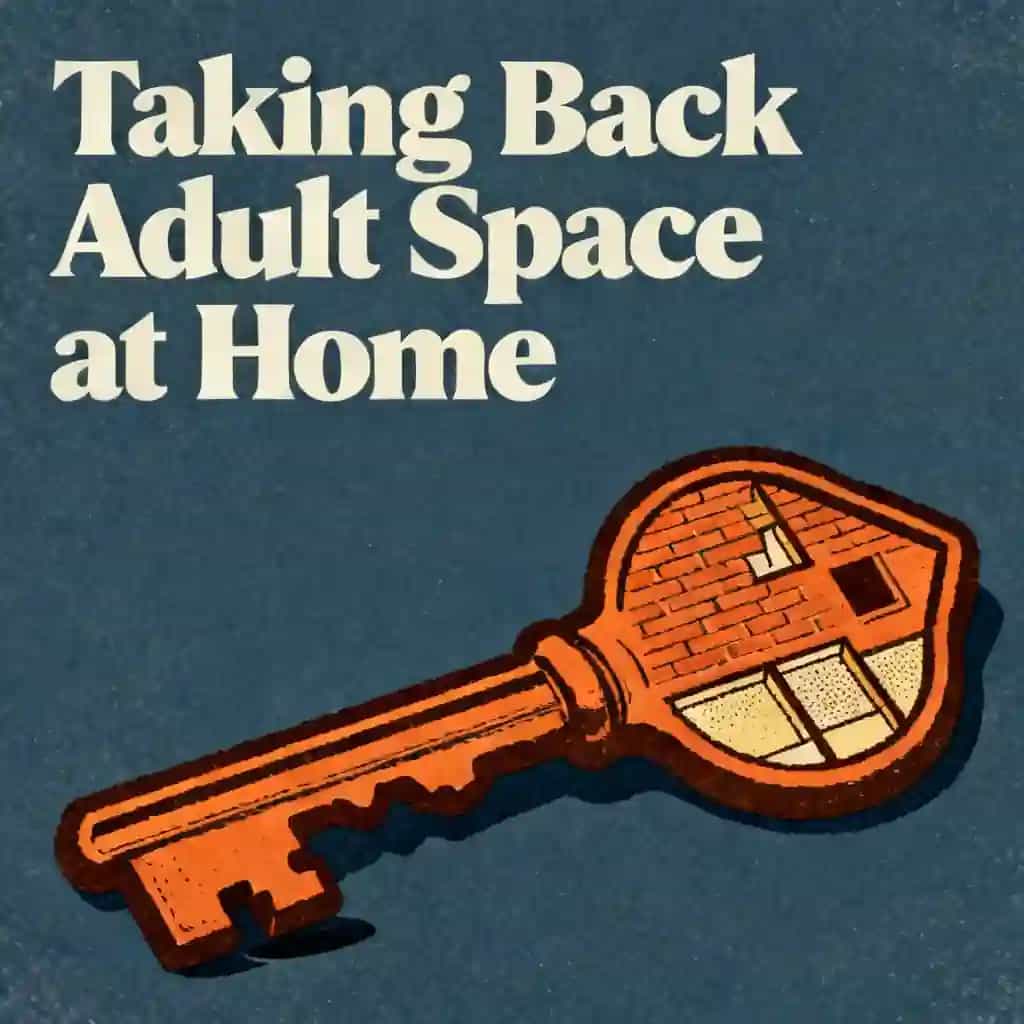
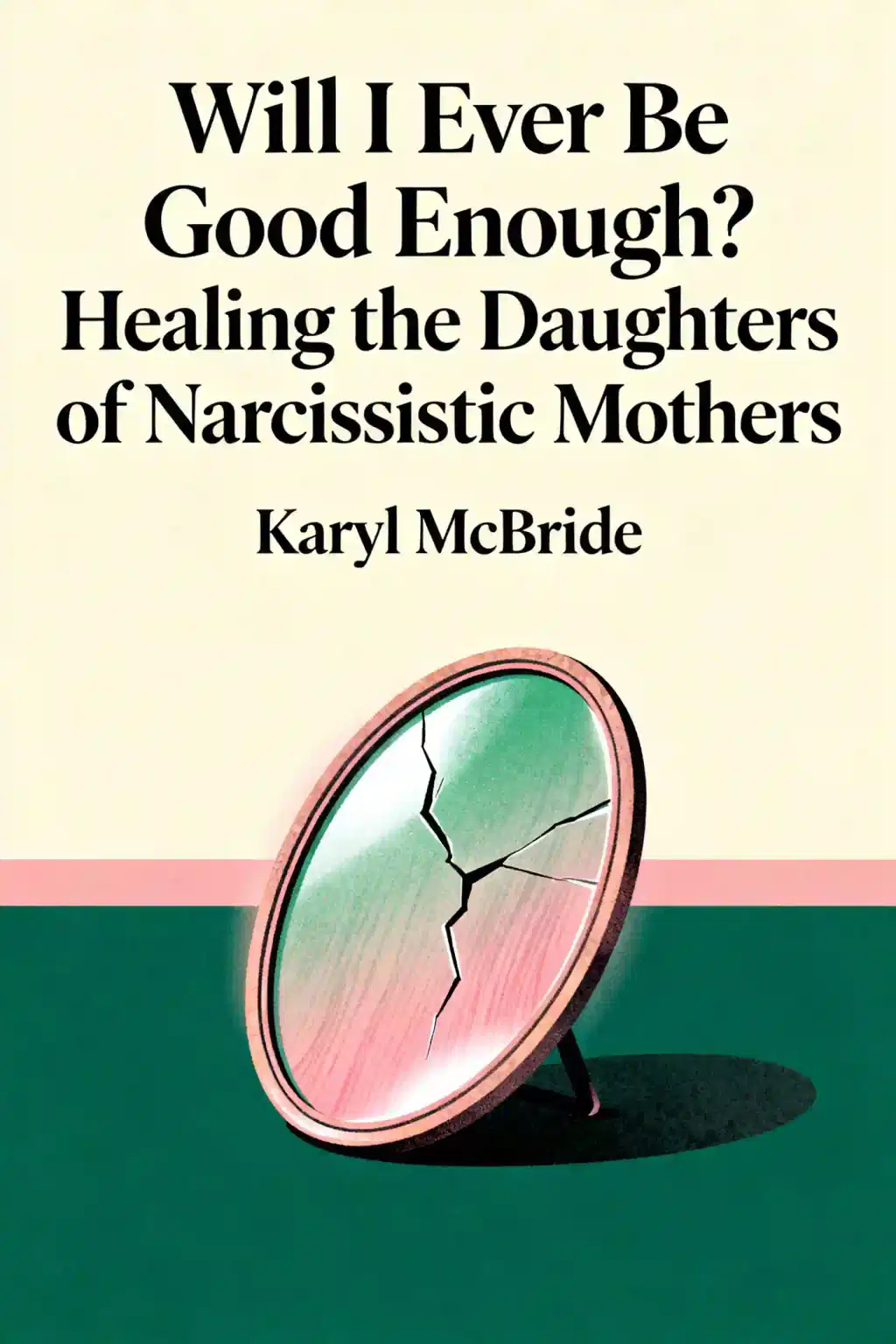
Dealing with Difficult Adult Children: Advice and Support
Struggling with difficult adult children? Learn how to navigate toxic family dynamics, set healthy boundaries, and find support for family conflict resolution.

Meilleure citation de Dealing with Difficult Adult Children: Advice and Support
Your worth is not defined by your child’s choices. You can love someone deeply while still protecting yourself from them, because love without limits isn't love—it’s enabling.

Cette leçon audio a été créée par un membre de la communauté BeFreed
When you have terrible adult kids

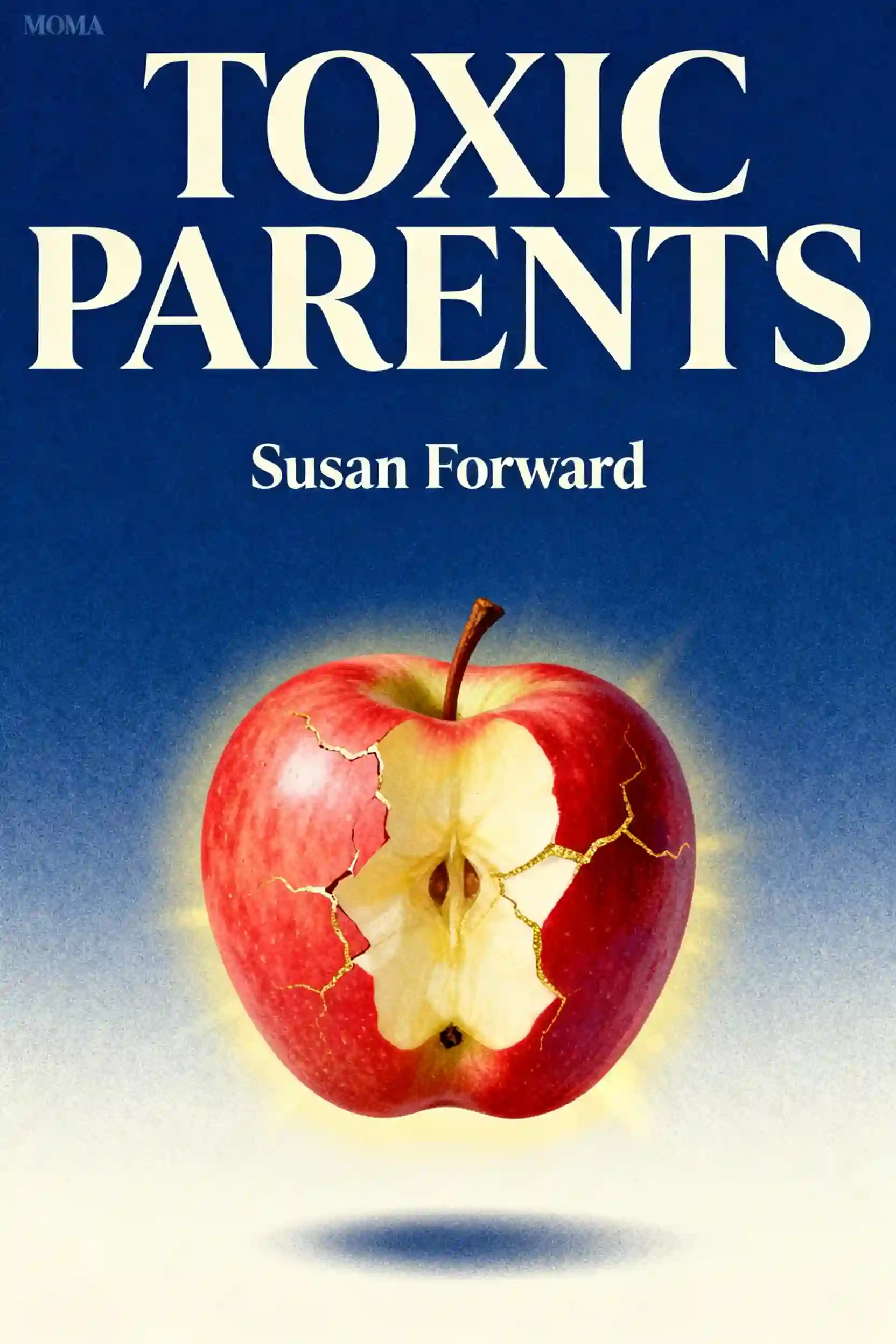
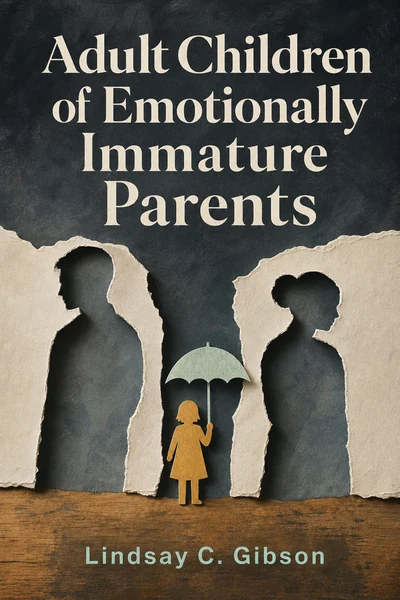
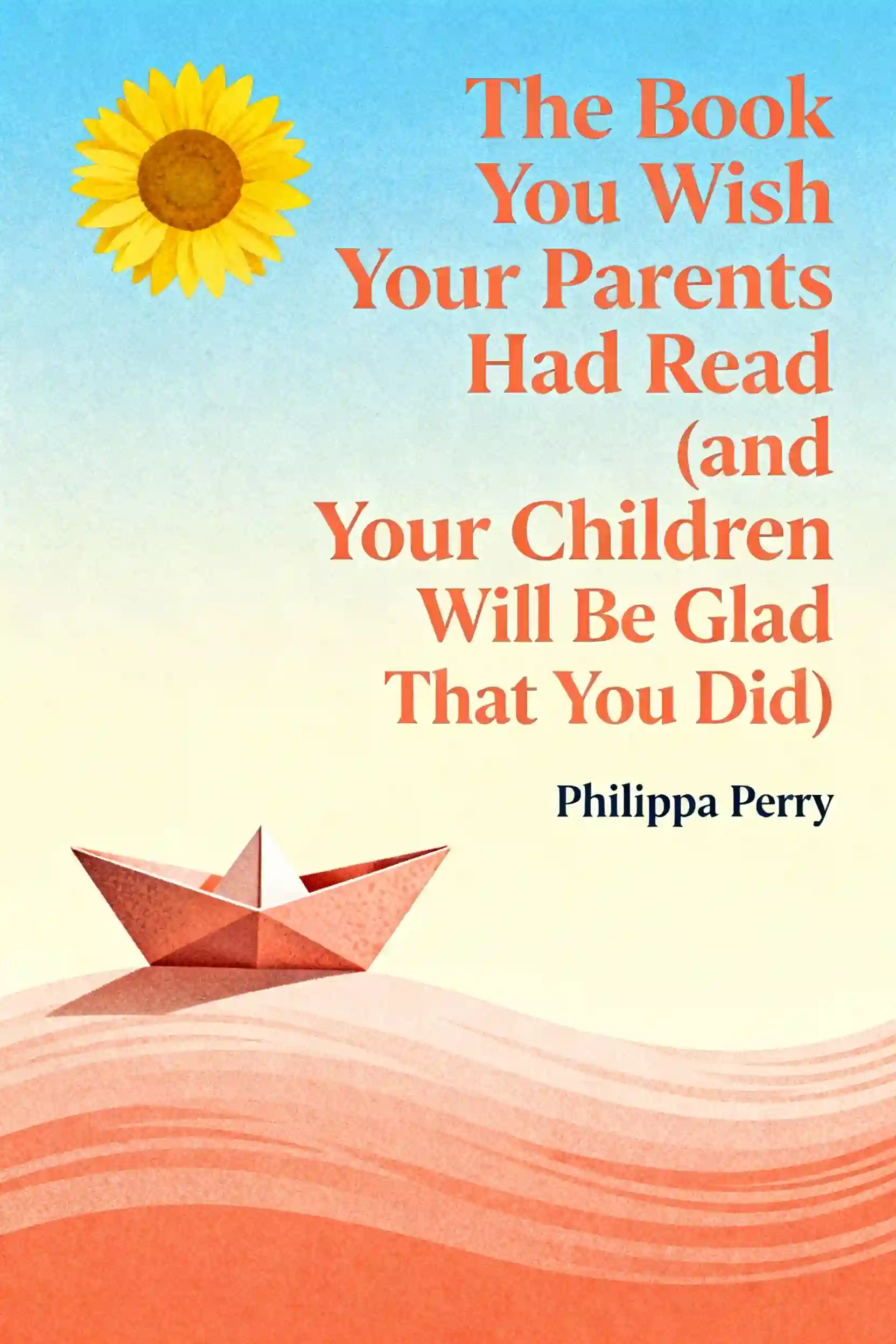
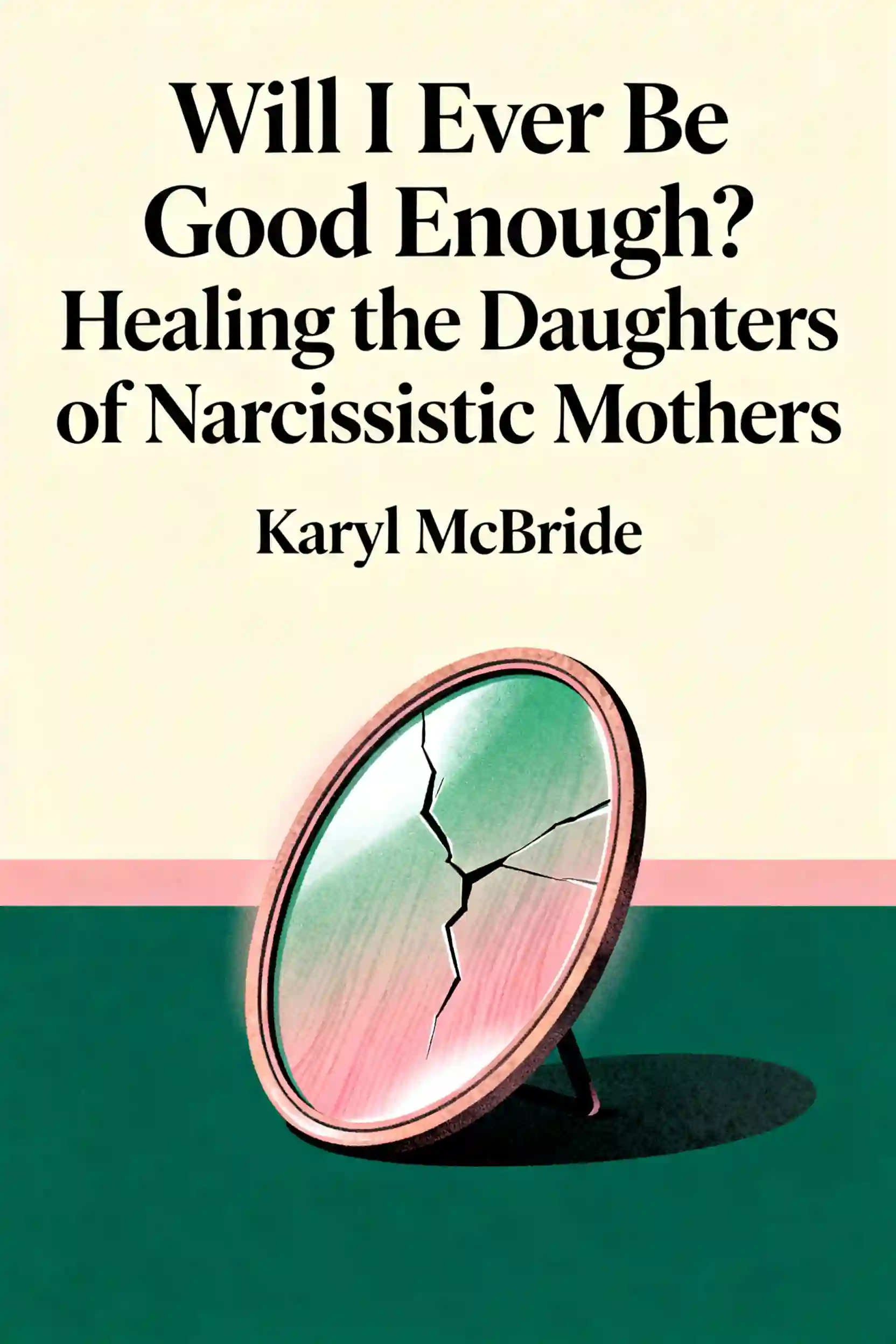
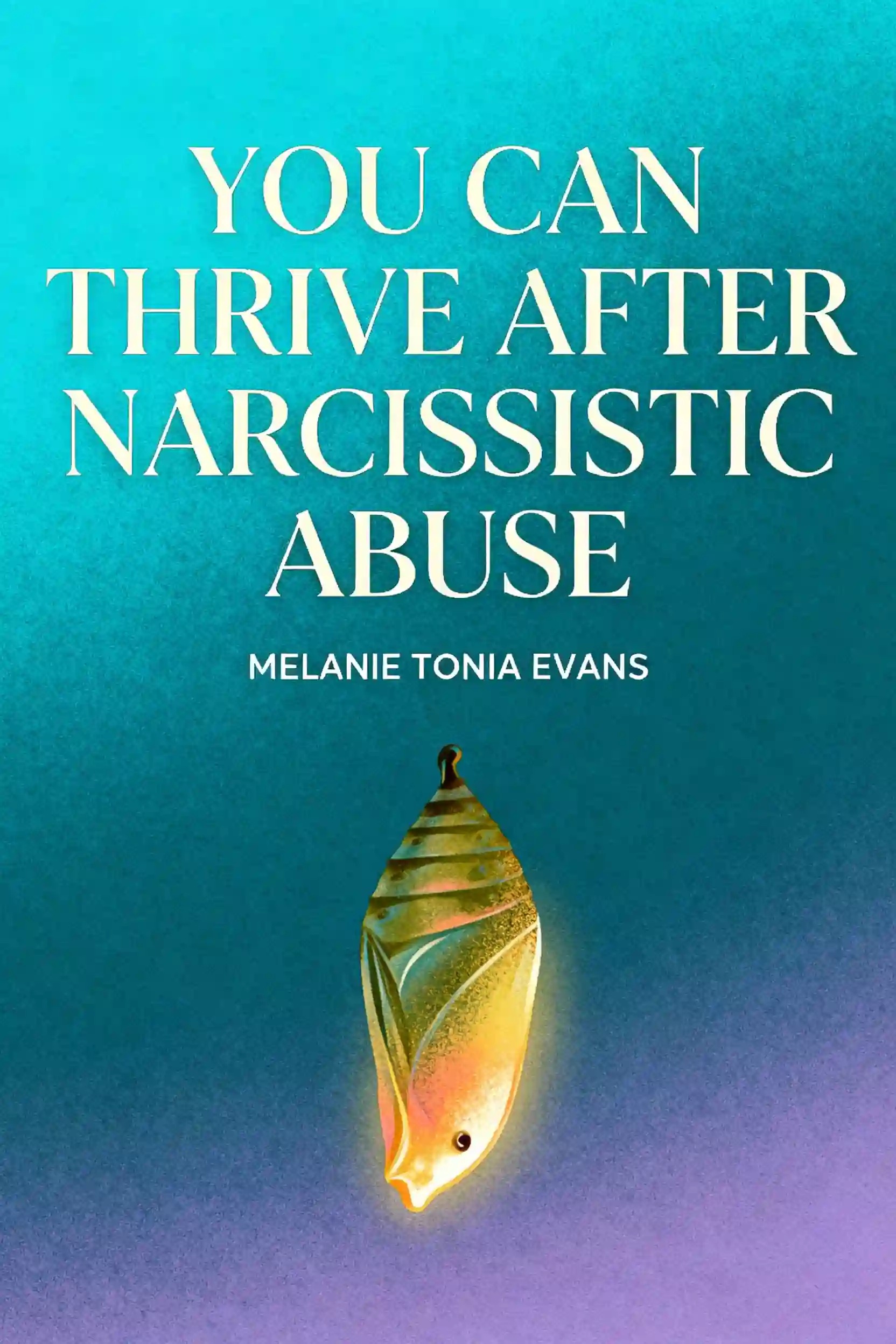
Foire aux questions
Navigating relationships with difficult adult children requires a balance of empathy and firm boundary setting. When dealing with toxic family dynamics, it is essential to identify specific behaviors that cause conflict and address them directly. This podcast offers advice on maintaining your well-being while managing complex interactions, helping you understand when to engage and when to step back for your own mental health and peace of mind.
Setting boundaries with adult children starts with clear communication about your expectations and limits. It involves defining what behaviors are acceptable in your home and relationship, then consistently enforcing those rules. By establishing these parameters, you can reduce family conflict and protect your emotional resources. Our experts discuss practical strategies for implementing these boundaries without escalating existing tensions or causing unnecessary estrangement.
Dealing with estranged adult children is an emotionally taxing experience that often requires external support and guidance. It is important to seek out resources such as support groups, counseling, or educational content that focuses on family conflict resolution. Understanding that you are not alone in this struggle can provide significant comfort. This episode explores the common causes of estrangement and provides a roadmap for healing and potential reconciliation.
Effective family conflict resolution involves active listening, de-escalation techniques, and a willingness to address underlying issues. When parenting adult kids, the dynamic shifts from authority to a more peer-like relationship, which requires new communication skills. We provide actionable advice on how to approach difficult conversations, manage disagreements constructively, and work toward a healthier family environment even when past interactions have been consistently negative or hurtful.
Découvrir plus

Set boundaries with critical parent at 19
This plan is designed for young adults navigating the transition to independence while dealing with emotionally immature parents. It provides the psychological tools and communication strategies needed to claim your autonomy and heal from critical household dynamics.
Heal from emotionally unavailable parenting
This plan is designed for adults who grew up with emotionally distant or immature caregivers and struggle with self-worth or relationship patterns. It provides a structured path to move from survival-based coping mechanisms to a life of secure attachment and authentic connection.

Navigate no-contact decision with parent
This guide provides a compassionate roadmap for individuals struggling with harmful parental relationships. It is designed for those seeking to protect their mental health by navigating the complex emotional and practical steps of going no-contact.

Bedtime Peace and Tantrum De-escalation
This plan is essential for parents struggling with high-conflict evenings and emotional meltdowns. It provides practical tools to replace reactive yelling with proactive, connection-based strategies for a more peaceful home.

Parenting Through the Substance Storm
This plan is essential for parents navigating the volatile landscape of a child's substance use. It provides practical, high-stakes communication tools and boundary-setting frameworks for families facing emotional shutdowns and constant conflict.

Children of alcoholic parents
Growing up with an alcoholic parent creates lasting impacts on emotional development, self-worth, and relationship patterns that persist into adulthood. This learning plan is essential for adult children of alcoholics who struggle with codependency, relationship difficulties, shame, or repeating unhealthy family patterns. Understanding and healing these wounds is critical for breaking the cycle and building the fulfilling, authentic life you deserve.
Heal my relationship with my kids
This plan is designed for parents seeking to move past reactive patterns and deep-seated conflicts to build a healthier bond with their children. It is ideal for those who want to combine self-reflection with practical attachment strategies to foster lifelong trust and connection.

Reclaim Your Calm
This learning plan is essential for parents and caregivers struggling with high-conflict family dynamics and emotional burnout. It provides actionable, trauma-informed strategies to transform reactive patterns into calm, assertive leadership.
Cree par des anciens de Columbia University a San Francisco
"Instead of endless scrolling, I just hit play on BeFreed. It saves me so much time."


"I never knew where to start with nonfiction—BeFreed’s book lists turned into podcasts gave me a clear path."


"Perfect balance between learning and entertainment. Finished ‘Thinking, Fast and Slow’ on my commute this week."
"Crazy how much I learned while walking the dog. BeFreed = small habits → big gains."
"Reading used to feel like a chore. Now it’s just part of my lifestyle."

"Feels effortless compared to reading. I’ve finished 6 books this month already."
"BeFreed turned my guilty doomscrolling into something that feels productive and inspiring."

"BeFreed turned my commute into learning time. 20-min podcasts are perfect for finishing books I never had time for."
"BeFreed replaced my podcast queue. Imagine Spotify for books — that’s it. 🙌"

"It is great for me to learn something from the book without reading it."
"The themed book list podcasts help me connect ideas across authors—like a guided audio journey."
"Makes me feel smarter every time before going to work"
Cree par des anciens de Columbia University a San Francisco
"Instead of endless scrolling, I just hit play on BeFreed. It saves me so much time."
"I never knew where to start with nonfiction—BeFreed’s book lists turned into podcasts gave me a clear path."
"Perfect balance between learning and entertainment. Finished ‘Thinking, Fast and Slow’ on my commute this week."
"Crazy how much I learned while walking the dog. BeFreed = small habits → big gains."
"Reading used to feel like a chore. Now it’s just part of my lifestyle."
"Feels effortless compared to reading. I’ve finished 6 books this month already."
"BeFreed turned my guilty doomscrolling into something that feels productive and inspiring."
"BeFreed turned my commute into learning time. 20-min podcasts are perfect for finishing books I never had time for."
"BeFreed replaced my podcast queue. Imagine Spotify for books — that’s it. 🙌"
"It is great for me to learn something from the book without reading it."
"The themed book list podcasts help me connect ideas across authors—like a guided audio journey."
"Makes me feel smarter every time before going to work"
"Instead of endless scrolling, I just hit play on BeFreed. It saves me so much time."
"I never knew where to start with nonfiction—BeFreed’s book lists turned into podcasts gave me a clear path."
"Perfect balance between learning and entertainment. Finished ‘Thinking, Fast and Slow’ on my commute this week."
"Crazy how much I learned while walking the dog. BeFreed = small habits → big gains."
"Reading used to feel like a chore. Now it’s just part of my lifestyle."
"Feels effortless compared to reading. I’ve finished 6 books this month already."
"BeFreed turned my guilty doomscrolling into something that feels productive and inspiring."
"BeFreed turned my commute into learning time. 20-min podcasts are perfect for finishing books I never had time for."
"BeFreed replaced my podcast queue. Imagine Spotify for books — that’s it. 🙌"
"It is great for me to learn something from the book without reading it."
"The themed book list podcasts help me connect ideas across authors—like a guided audio journey."
"Makes me feel smarter every time before going to work"
"Instead of endless scrolling, I just hit play on BeFreed. It saves me so much time."
"I never knew where to start with nonfiction—BeFreed’s book lists turned into podcasts gave me a clear path."
"Perfect balance between learning and entertainment. Finished ‘Thinking, Fast and Slow’ on my commute this week."
"Crazy how much I learned while walking the dog. BeFreed = small habits → big gains."
"Reading used to feel like a chore. Now it’s just part of my lifestyle."
"Feels effortless compared to reading. I’ve finished 6 books this month already."
"BeFreed turned my guilty doomscrolling into something that feels productive and inspiring."
"BeFreed turned my commute into learning time. 20-min podcasts are perfect for finishing books I never had time for."
"BeFreed replaced my podcast queue. Imagine Spotify for books — that’s it. 🙌"
"It is great for me to learn something from the book without reading it."
"The themed book list podcasts help me connect ideas across authors—like a guided audio journey."
"Makes me feel smarter every time before going to work"