BeFreed
    Categories>Psychology>Dealing with Family Resentment: Coping with Hate for Aunt and Uncle

    Dealing with Family Resentment: Coping with Hate for Aunt and Uncle

    15 min
    |
    |
    8 avr. 2026
    PsychologyRelationshipSelf Help

    Explore strategies for dealing with family resentment and coping with hate for an aunt and uncle. Learn to navigate toxic relatives and family conflict.

    Dealing with Family Resentment: Coping with Hate for Aunt and Uncle

    Meilleure citation de Dealing with Family Resentment: Coping with Hate for Aunt and Uncle

    “

    Resentment is like a private emotional debt where you’re waiting for a payment that’s never going to come. Letting go isn't about saying what they did was okay; it’s about deciding you’re tired of carrying the weight.

    ”

    Cette leçon audio a été créée par un membre de la communauté BeFreed

    Question posée

    I really hate them (my aunt and uncle). I hope their lives become miserable and that they die with guilt.

    Voix des présentateurs
    Lenaplay
    Niaplay
    Style d'apprentissage
    Rapide
    Sources de connaissances
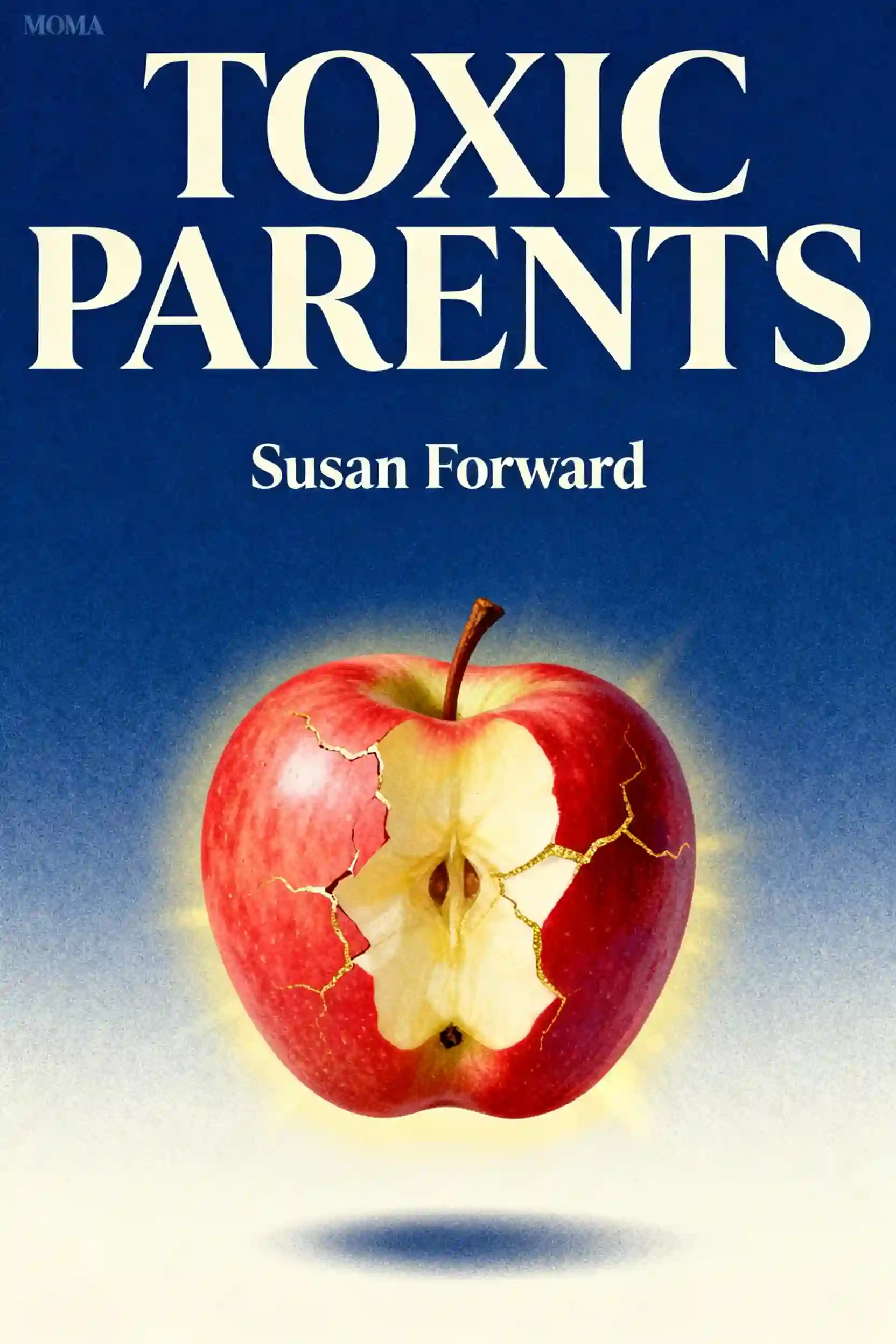
    Toxic Parents
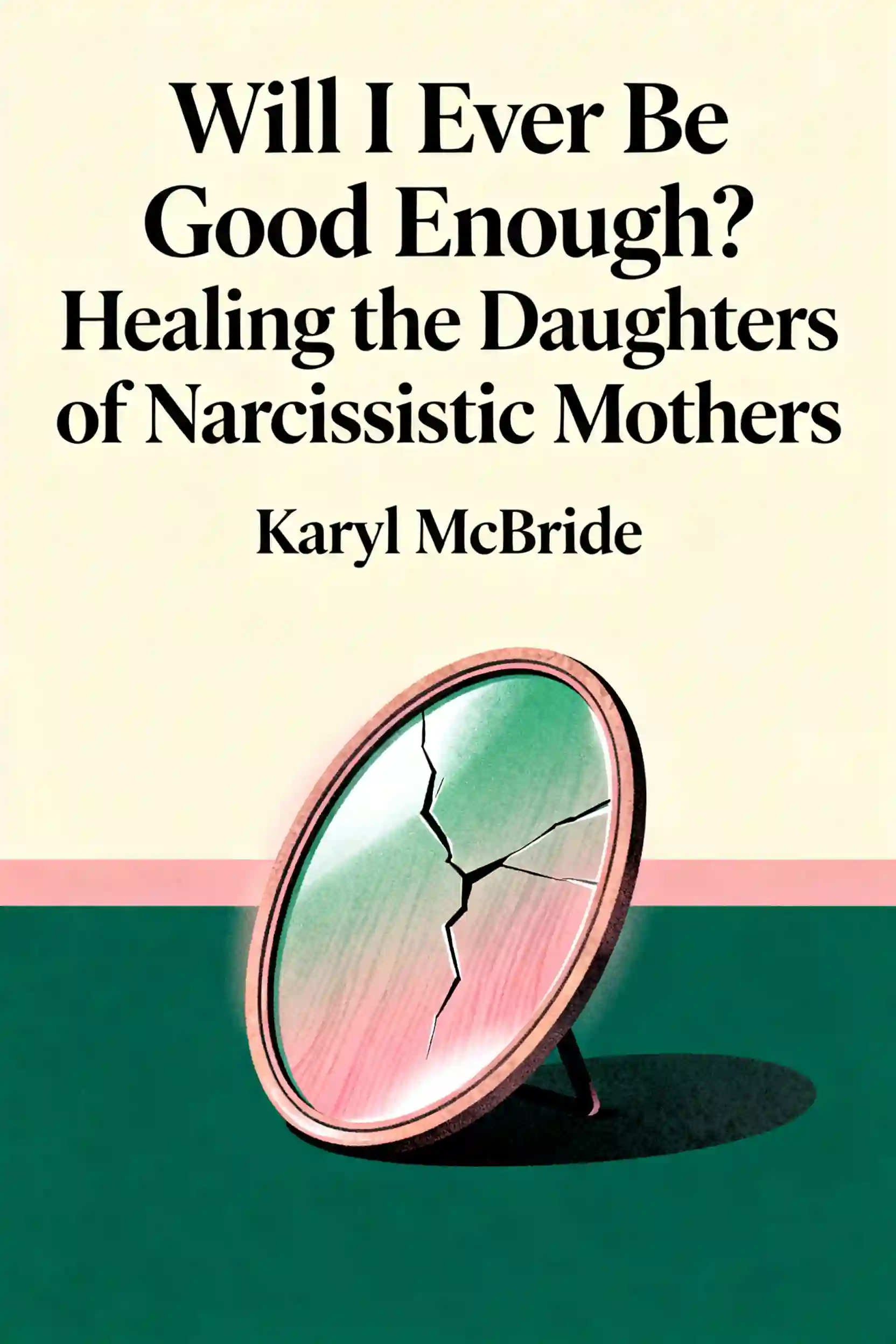
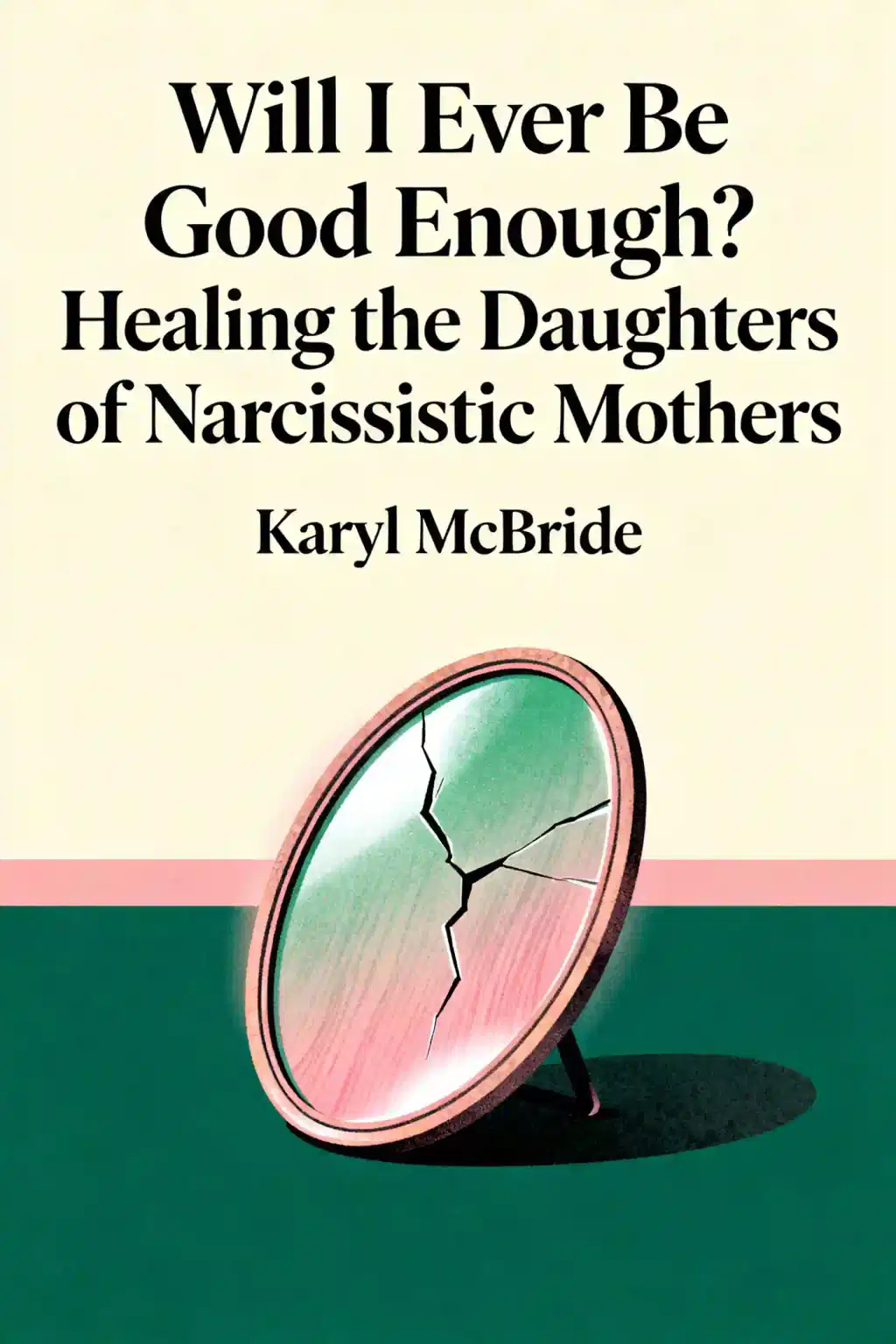
    Will I Ever Be Good Enough?
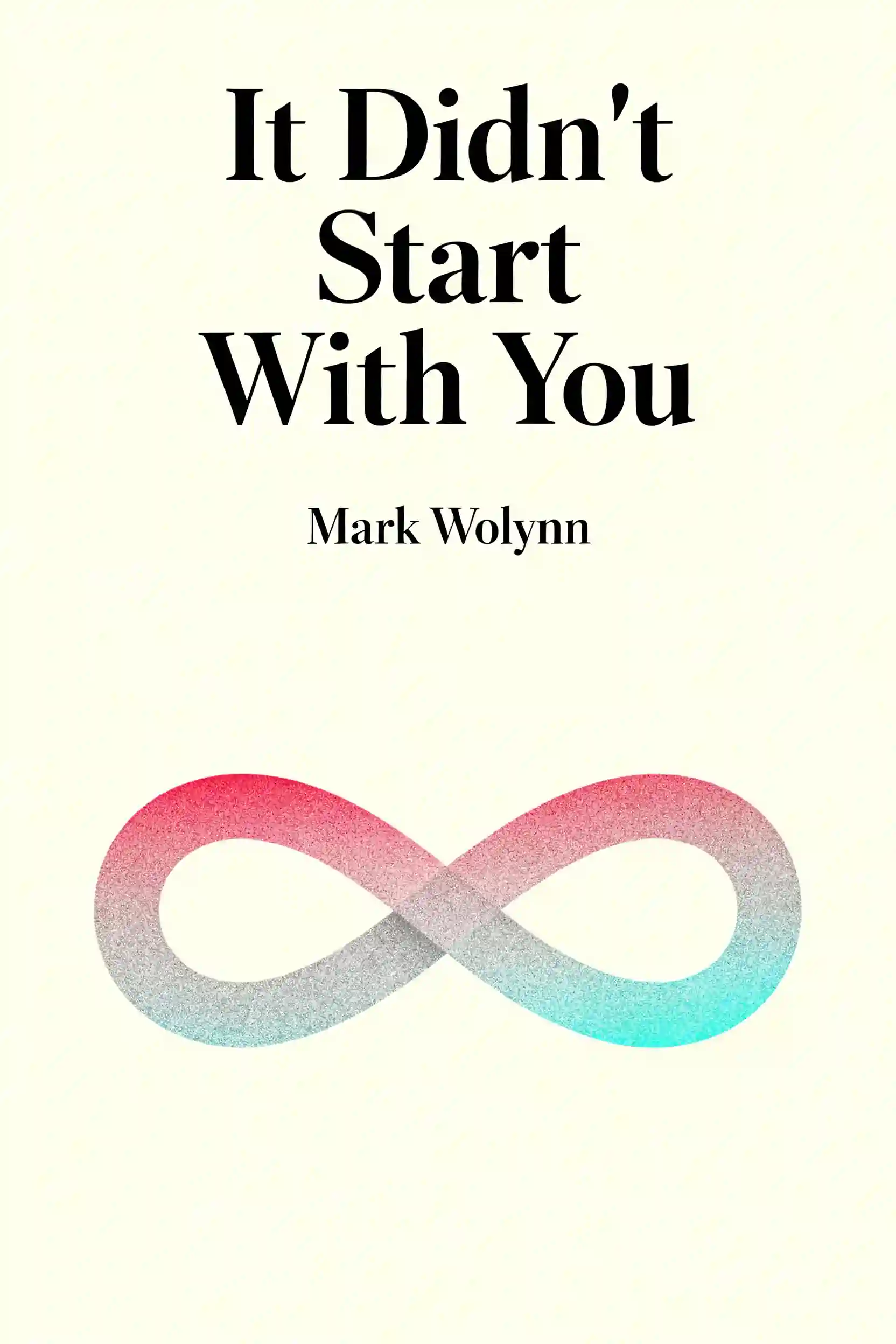
    It Didn't Start with You
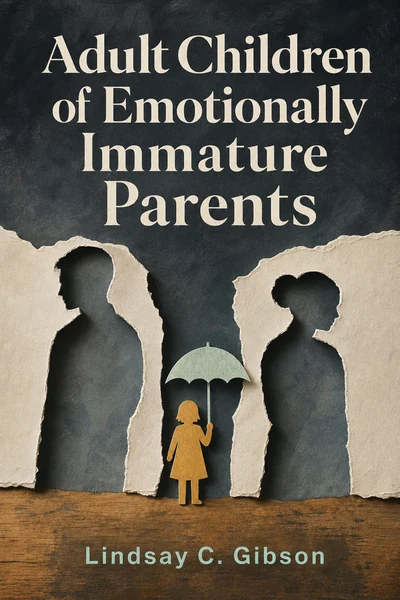
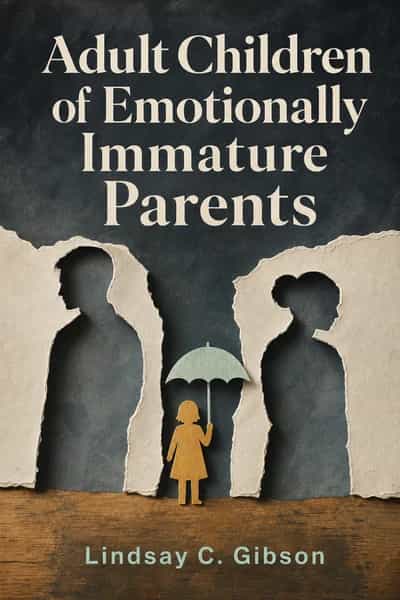
    Adult Children of Emotionally Immature Parents
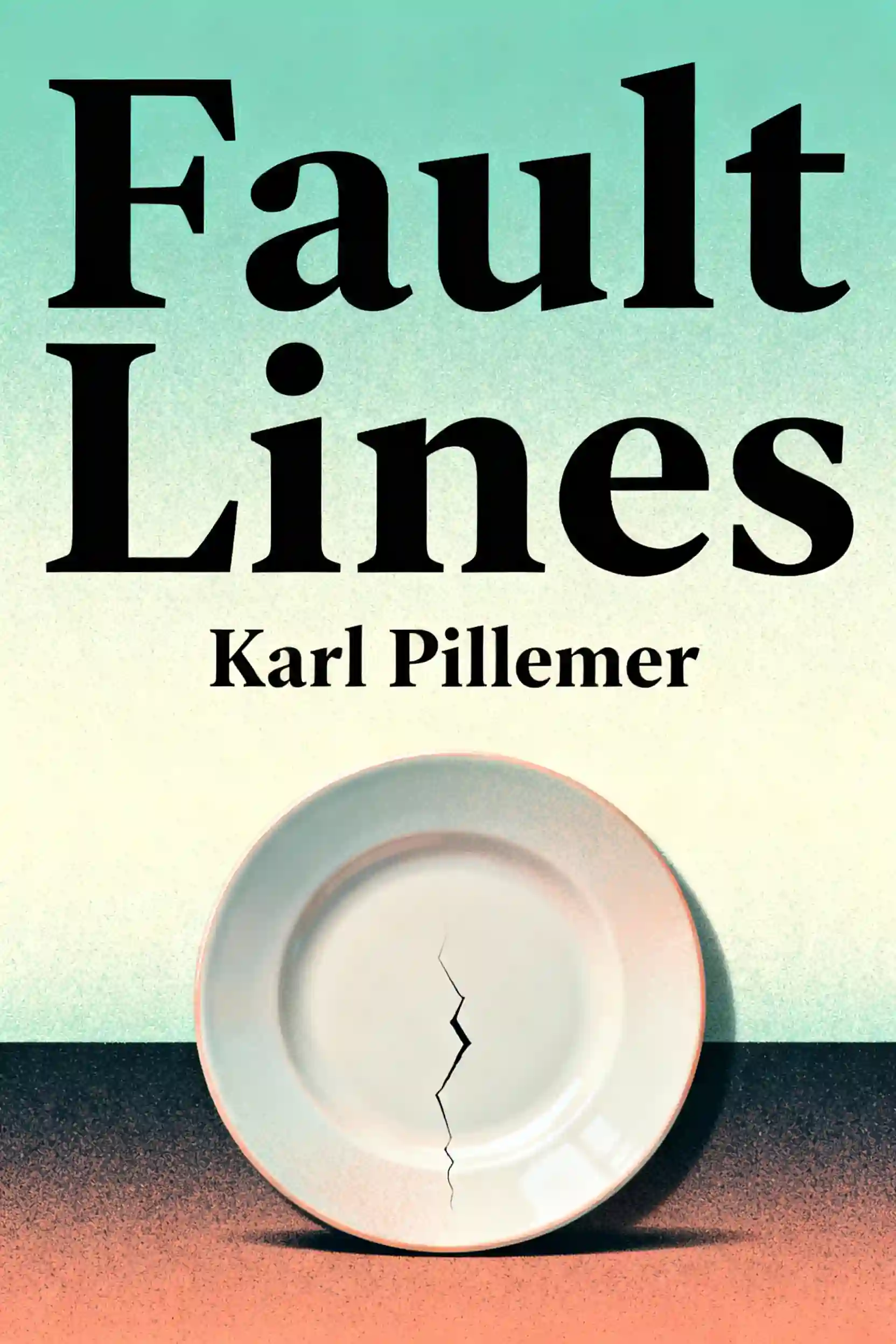
    Fault Lines
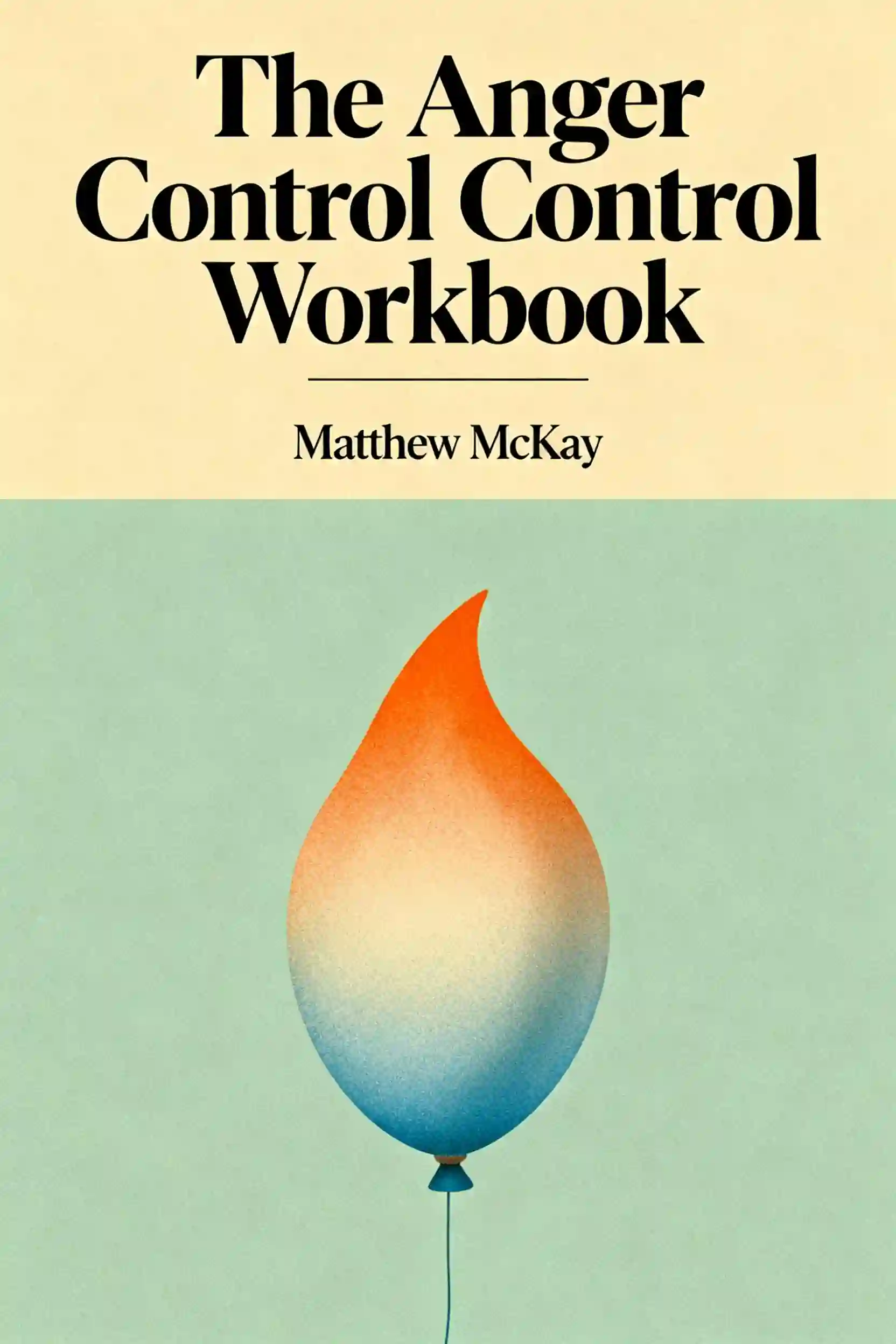
    The Anger Control Workbook

    Foire aux questions

    Découvrir plus

    i’d like to learn better on how to move on from a toxic relationship

    i’d like to learn better on how to move on from a toxic relationship

    PLAN D'APPRENTISSAGE

    i’d like to learn better on how to move on from a toxic relationship

    Breaking free from toxic relationships requires understanding, healing, and rebuilding. This learning plan guides those struggling with unhealthy relationship patterns through recognition, recovery, and renewal, empowering them to create healthier connections while prioritizing their emotional wellbeing.

    2 h 11 m•4 Sections
    Detach & leave toxic partner calmly

    Detach & leave toxic partner calmly

    PLAN D'APPRENTISSAGE

    Detach & leave toxic partner calmly

    This plan is essential for individuals feeling trapped in emotionally draining or manipulative relationships. It provides a structured, low-conflict roadmap for those needing to regain their autonomy and rebuild their lives with dignity.

    4 h 34 m•4 Sections
    Manage Toxic People & Set Firm Boundaries

    Manage Toxic People & Set Firm Boundaries

    PLAN D'APPRENTISSAGE

    Manage Toxic People & Set Firm Boundaries

    This plan is essential for anyone feeling drained by manipulative relationships or struggling to maintain personal limits. It provides practical tools for professionals and individuals to regain control through assertive communication and emotional healing.

    2 h 46 m•4 Sections
    Letting go of past hurts, forgiving the people who hurt you, learning to heal mentally and emotionally

    Letting go of past hurts, forgiving the people who hurt you, learning to heal mentally and emotionally

    PLAN D'APPRENTISSAGE

    Letting go of past hurts, forgiving the people who hurt you, learning to heal mentally and emotionally

    Unresolved emotional wounds can silently control our behaviors, relationships, and life satisfaction. This learning plan provides a structured approach to emotional healing for anyone struggling with past hurts, resentment, or recurring negative patterns that stem from unhealed trauma.

    1 h 58 m•4 Sections
    Stop feeling angry so much

    Stop feeling angry so much

    PLAN D'APPRENTISSAGE

    Stop feeling angry so much

    Frequent anger can damage relationships, harm your health, and leave you feeling out of control. This plan is designed for anyone who finds themselves overreacting to daily frustrations, struggling with a short temper, or wanting to break free from explosive emotional patterns that no longer serve them.

    1 h 53 m•4 Sections
    Break unhealthy attachments

    Break unhealthy attachments

    PLAN D'APPRENTISSAGE

    Break unhealthy attachments

    Unhealthy attachments and codependency can trap you in cycles of emotional dependence and unfulfilling relationships. This learning plan helps anyone struggling with relationship patterns that diminish their sense of self, providing practical tools to break free and build healthier connections.

    1 h 43 m•4 Sections
    Cope with toxic boss

    Cope with toxic boss

    PLAN D'APPRENTISSAGE

    Cope with toxic boss

    Nearly half of employees report having worked under a toxic boss at some point in their careers, leading to stress, decreased productivity, and career stagnation. This learning plan provides practical strategies for professionals who need to navigate challenging leadership dynamics while protecting their wellbeing and career trajectory.

    1 h 59 m•4 Sections
    Why sons cut contact with mothers unexplained

    Why sons cut contact with mothers unexplained

    PLAN D'APPRENTISSAGE

    Why sons cut contact with mothers unexplained

    Family estrangement, particularly between sons and mothers, is a complex issue affecting millions of families yet remains poorly understood. This learning plan provides insight for those experiencing estrangement firsthand, professionals supporting affected families, or anyone seeking to understand the psychological dynamics behind these painful family ruptures.

    1 h 25 m•4 Sections

    Cree par des anciens de Columbia University a San Francisco

    BeFreed rassemble une communauté mondiale de 1,000,000 esprits curieux
    Decouvrez comment BeFreed est discute sur le web

    "Instead of endless scrolling, I just hit play on BeFreed. It saves me so much time."

    @Moemenn
    platform
    star
    star
    star
    star
    star

    "I never knew where to start with nonfiction—BeFreed’s book lists turned into podcasts gave me a clear path."

    @Chloe, Solo founder, LA
    platform
    comments
    12
    likes
    117

    "Perfect balance between learning and entertainment. Finished ‘Thinking, Fast and Slow’ on my commute this week."

    @Raaaaaachelw
    platform
    star
    star
    star
    star
    star

    "Crazy how much I learned while walking the dog. BeFreed = small habits → big gains."

    @Matt, YC alum
    platform
    comments
    12
    likes
    108

    "Reading used to feel like a chore. Now it’s just part of my lifestyle."

    @Erin, Investment Banking Associate , NYC
    platform
    comments
    254
    likes
    17

    "Feels effortless compared to reading. I’ve finished 6 books this month already."

    @djmikemoore
    platform
    star
    star
    star
    star
    star

    "BeFreed turned my guilty doomscrolling into something that feels productive and inspiring."

    @Pitiful
    platform
    comments
    96
    likes
    4.5K

    "BeFreed turned my commute into learning time. 20-min podcasts are perfect for finishing books I never had time for."

    @SofiaP
    platform
    star
    star
    star
    star
    star

    "BeFreed replaced my podcast queue. Imagine Spotify for books — that’s it. 🙌"

    @Jaded_Falcon
    platform
    comments
    201
    thumbsUp
    16

    "It is great for me to learn something from the book without reading it."

    @OojasSalunke
    platform
    star
    star
    star
    star
    star

    "The themed book list podcasts help me connect ideas across authors—like a guided audio journey."

    @Leo, Law Student, UPenn
    platform
    comments
    37
    likes
    483

    "Makes me feel smarter every time before going to work"

    @Cashflowbubu
    platform
    star
    star
    star
    star
    star

    Cree par des anciens de Columbia University a San Francisco

    BeFreed rassemble une communauté mondiale de 1,000,000 esprits curieux
    Decouvrez comment BeFreed est discute sur le web

    "Instead of endless scrolling, I just hit play on BeFreed. It saves me so much time."

    @Moemenn
    platform
    star
    star
    star
    star
    star

    "I never knew where to start with nonfiction—BeFreed’s book lists turned into podcasts gave me a clear path."

    @Chloe, Solo founder, LA
    platform
    comments
    12
    likes
    117

    "Perfect balance between learning and entertainment. Finished ‘Thinking, Fast and Slow’ on my commute this week."

    @Raaaaaachelw
    platform
    star
    star
    star
    star
    star

    "Crazy how much I learned while walking the dog. BeFreed = small habits → big gains."

    @Matt, YC alum
    platform
    comments
    12
    likes
    108

    "Reading used to feel like a chore. Now it’s just part of my lifestyle."

    @Erin, Investment Banking Associate , NYC
    platform
    comments
    254
    likes
    17

    "Feels effortless compared to reading. I’ve finished 6 books this month already."

    @djmikemoore
    platform
    star
    star
    star
    star
    star

    "BeFreed turned my guilty doomscrolling into something that feels productive and inspiring."

    @Pitiful
    platform
    comments
    96
    likes
    4.5K

    "BeFreed turned my commute into learning time. 20-min podcasts are perfect for finishing books I never had time for."

    @SofiaP
    platform
    star
    star
    star
    star
    star

    "BeFreed replaced my podcast queue. Imagine Spotify for books — that’s it. 🙌"

    @Jaded_Falcon
    platform
    comments
    201
    thumbsUp
    16

    "It is great for me to learn something from the book without reading it."

    @OojasSalunke
    platform
    star
    star
    star
    star
    star

    "The themed book list podcasts help me connect ideas across authors—like a guided audio journey."

    @Leo, Law Student, UPenn
    platform
    comments
    37
    likes
    483

    "Makes me feel smarter every time before going to work"

    @Cashflowbubu
    platform
    star
    star
    star
    star
    star

    "Instead of endless scrolling, I just hit play on BeFreed. It saves me so much time."

    @Moemenn
    platform
    star
    star
    star
    star
    star

    "I never knew where to start with nonfiction—BeFreed’s book lists turned into podcasts gave me a clear path."

    @Chloe, Solo founder, LA
    platform
    comments
    12
    likes
    117

    "Perfect balance between learning and entertainment. Finished ‘Thinking, Fast and Slow’ on my commute this week."

    @Raaaaaachelw
    platform
    star
    star
    star
    star
    star

    "Crazy how much I learned while walking the dog. BeFreed = small habits → big gains."

    @Matt, YC alum
    platform
    comments
    12
    likes
    108

    "Reading used to feel like a chore. Now it’s just part of my lifestyle."

    @Erin, Investment Banking Associate , NYC
    platform
    comments
    254
    likes
    17

    "Feels effortless compared to reading. I’ve finished 6 books this month already."

    @djmikemoore
    platform
    star
    star
    star
    star
    star

    "BeFreed turned my guilty doomscrolling into something that feels productive and inspiring."

    @Pitiful
    platform
    comments
    96
    likes
    4.5K

    "BeFreed turned my commute into learning time. 20-min podcasts are perfect for finishing books I never had time for."

    @SofiaP
    platform
    star
    star
    star
    star
    star

    "BeFreed replaced my podcast queue. Imagine Spotify for books — that’s it. 🙌"

    @Jaded_Falcon
    platform
    comments
    201
    thumbsUp
    16

    "It is great for me to learn something from the book without reading it."

    @OojasSalunke
    platform
    star
    star
    star
    star
    star

    "The themed book list podcasts help me connect ideas across authors—like a guided audio journey."

    @Leo, Law Student, UPenn
    platform
    comments
    37
    likes
    483

    "Makes me feel smarter every time before going to work"

    @Cashflowbubu
    platform
    star
    star
    star
    star
    star

    "Instead of endless scrolling, I just hit play on BeFreed. It saves me so much time."

    @Moemenn
    platform
    star
    star
    star
    star
    star

    "I never knew where to start with nonfiction—BeFreed’s book lists turned into podcasts gave me a clear path."

    @Chloe, Solo founder, LA
    platform
    comments
    12
    likes
    117

    "Perfect balance between learning and entertainment. Finished ‘Thinking, Fast and Slow’ on my commute this week."

    @Raaaaaachelw
    platform
    star
    star
    star
    star
    star

    "Crazy how much I learned while walking the dog. BeFreed = small habits → big gains."

    @Matt, YC alum
    platform
    comments
    12
    likes
    108

    "Reading used to feel like a chore. Now it’s just part of my lifestyle."

    @Erin, Investment Banking Associate , NYC
    platform
    comments
    254
    likes
    17

    "Feels effortless compared to reading. I’ve finished 6 books this month already."

    @djmikemoore
    platform
    star
    star
    star
    star
    star

    "BeFreed turned my guilty doomscrolling into something that feels productive and inspiring."

    @Pitiful
    platform
    comments
    96
    likes
    4.5K

    "BeFreed turned my commute into learning time. 20-min podcasts are perfect for finishing books I never had time for."

    @SofiaP
    platform
    star
    star
    star
    star
    star

    "BeFreed replaced my podcast queue. Imagine Spotify for books — that’s it. 🙌"

    @Jaded_Falcon
    platform
    comments
    201
    thumbsUp
    16

    "It is great for me to learn something from the book without reading it."

    @OojasSalunke
    platform
    star
    star
    star
    star
    star

    "The themed book list podcasts help me connect ideas across authors—like a guided audio journey."

    @Leo, Law Student, UPenn
    platform
    comments
    37
    likes
    483

    "Makes me feel smarter every time before going to work"

    @Cashflowbubu
    platform
    star
    star
    star
    star
    star
    1.5K Ratings4.7
    Commencez votre parcours d'apprentissage, maintenant
    BeFreed App
    BeFreed

    Apprenez n'importe quoi, personnalise

    DiscordLinkedIn
    Resumes de livres en vedette
    Crucial ConversationsThe Perfect MarriageInto the WildNever Split the DifferenceAttachedGood to GreatSay Nothing
    Categories tendance
    Self HelpCommunication SkillRelationshipMindfulnessPhilosophyInspirationProductivity
    Listes de lecture de celebrites
    Elon MuskCharlie KirkBill GatesSteve JobsAndrew HubermanJoe RoganJordan Peterson
    Collection primee
    Pulitzer PrizeNational Book AwardGoodreads Choice AwardsNobel Prize in LiteratureNew York TimesCaldecott MedalNebula Award
    Sujets en vedette
    ManagementAmerican HistoryWarTradingStoicismAnxietySex
    Meilleurs livres par annee
    2025 Best Non Fiction Books2024 Best Non Fiction Books2023 Best Non Fiction Books
    Auteurs en vedette
    Chimamanda Ngozi AdichieGeorge OrwellO. J. SimpsonBarbara O'NeillWinston ChurchillCharlie Kirk
    BeFreed vs autres applications
    BeFreed vs. Other Book Summary AppsBeFreed vs. ElevenReaderBeFreed vs. ReadwiseBeFreed vs. Anki
    Outils d'apprentissage
    Knowledge VisualizerAI Podcast Generator
    Informations
    A propos de nousarrow
    Tarifsarrow
    FAQarrow
    Blogarrow
    Carrieresarrow
    Partenariatsarrow
    Programme Ambassadeurarrow
    Repertoirearrow
    BeFreed
    Try now
    © 2026 BeFreed
    Conditions d'utilisationPolitique de confidentialite
    BeFreed

    Apprenez n'importe quoi, personnalise

    DiscordLinkedIn
    Resumes de livres en vedette
    Crucial ConversationsThe Perfect MarriageInto the WildNever Split the DifferenceAttachedGood to GreatSay Nothing
    Categories tendance
    Self HelpCommunication SkillRelationshipMindfulnessPhilosophyInspirationProductivity
    Listes de lecture de celebrites
    Elon MuskCharlie KirkBill GatesSteve JobsAndrew HubermanJoe RoganJordan Peterson
    Collection primee
    Pulitzer PrizeNational Book AwardGoodreads Choice AwardsNobel Prize in LiteratureNew York TimesCaldecott MedalNebula Award
    Sujets en vedette
    ManagementAmerican HistoryWarTradingStoicismAnxietySex
    Meilleurs livres par annee
    2025 Best Non Fiction Books2024 Best Non Fiction Books2023 Best Non Fiction Books
    Outils d'apprentissage
    Knowledge VisualizerAI Podcast Generator
    Auteurs en vedette
    Chimamanda Ngozi AdichieGeorge OrwellO. J. SimpsonBarbara O'NeillWinston ChurchillCharlie Kirk
    BeFreed vs autres applications
    BeFreed vs. Other Book Summary AppsBeFreed vs. ElevenReaderBeFreed vs. ReadwiseBeFreed vs. Anki
    Informations
    A propos de nousarrow
    Tarifsarrow
    FAQarrow
    Blogarrow
    Carrieresarrow
    Partenariatsarrow
    Programme Ambassadeurarrow
    Repertoirearrow
    BeFreed
    Try now
    © 2026 BeFreed
    Conditions d'utilisationPolitique de confidentialite

    Points clés

    1

    When Family Ties Turn Toxic

    0:00

    Lena: You know, Nia, I was thinking about how heavy it feels when family ties don't just fray—they completely snap. We’re talking about that level of hurt where you aren't looking for a bridge back; you’re actually hoping for the other person's total downfall.

    0:15

    Nia: It’s a heavy burden to carry, Lena. And it’s more common than people think. It’s interesting how some families create a "black sheep" dynamic where one person is talked about as a "disappointment" or "annoying" for years, often just because they have the most powerful emotions or the most creativity.

    0:33

    Lena: Right, and that constant exclusion or being treated like you’re "bad" or "inferior" can lead to such deep-seated resentment. I mean, we see people dealing with relatives who are verbally abusive or who even wish for a spouse to pass away just to access retirement funds.

    0:49

    Nia: Exactly, and when you’re in the middle of that, "forgiveness" can feel like a dirty word. So, let’s dive into the anatomy of this resentment and explore how to reclaim your own energy from these toxic dynamics.

    2

    The Anatomy of the Emotional Undertow

    1:02

    Lena: So, let's pick up right there. When we talk about that visceral feeling—wishing someone’s life becomes miserable or that they die with guilt—what is actually happening inside us? I read that resentment is basically a distinct category of emotion. It’s not just a quick flash of anger; it’s more like a slow burn.

    1:24

    Nia: That’s a great way to put it. It’s often described as an emotional undertow. You know how when you’re at the beach, you might be standing in relatively calm water, but there’s this invisible force pulling at your feet? That’s resentment. It’s always about the past—what happened ten years ago at a wedding or how you were treated as a child—and it stays fried in your brain.

    1:46

    Lena: "Fried in your brain"—wow, that’s intense. And it’s not just about one event, right? It’s usually a buildup.

    1:53

    Nia: Exactly. It’s rarely just about the one thing your aunt or uncle said last week. It’s the tip of the iceberg. It’s a long-ago memory of how they reacted to your first partner, or a pattern of them being dismissive of you since year one. It reflects a buildup of unresolved issues where you felt you didn’t deserve what happened. And because it stays unresolved, it turns into this private emotional debt that never gets settled.

    2:18

    Lena: I love that phrase, "private emotional debt." It’s like you’re waiting for a payment that’s never going to come. And that’s why it feels so heavy, isn't it? Because you’re holding onto the bill.

    2:30

    Nia: Precisely. And the thing is, that debt doesn’t feel complete. It feels like a truth you didn’t say or a disrespect you tolerated for too long. When we sit with that bitterness, we’re essentially replaying the injury over and over. The word resentment actually comes from the Latin roots for "feeling something again." You are literally re-feeling the pain every time you think about them.

    2:54

    Lena: So every time you hope they suffer, you’re actually re-injuring yourself in the process?

    3:00

    Nia: In a way, yes. It keeps your mind circling the same wound and your body in a state of tension. It’s exhausting because your inner world stays tied to the very people you want to be away from.

    3

    Why We Cling to the Heat of Hate

    3:14

    Lena: That makes sense, but then why is it so hard to let go? If it’s so exhausting, why do we find ourselves almost... addicted to the anger? I’ve heard people say that hate can actually feel powerful in the moment.

    3:27

    Nia: You’ve hit on something really profound there, Lena. Hate is seductive. It’s fueled by adrenaline, which gives you this temporary feeling of confidence and self-righteousness. It’s almost like an amphetamine effect. For a second, you feel energized and in control because you’re the "righteous" one and they are the "villains."

    3:45

    Lena: Right, it’s like a shield. If I’m angry and I’m hoping for their downfall, I don't have to feel the smaller, more vulnerable feelings underneath.

    1:53

    Nia: Exactly. Resentment can act as emotional armor. It protects you from feeling the raw sting of powerlessness or the deep sadness that these people—who were supposed to be family—treated you so poorly. It can even give you a sense of moral superiority. You think, "I would never do what they did," and that makes you feel better about your own self-worth for a fleeting moment.

    4:15

    Lena: But that adrenaline eventually wears off, doesn't it?

    4:19

    Nia: It does. And what’s left is often depression, anxiety, or lethargy. Then, to get out of that "terrible mood," you might stimulate more hate to get that adrenaline kick again. It’s a vicious cycle. Some psychologists even call it "slow suicide" because of what it does to your health. We’re talking about cardiac activation—a racing heart—plus sleep difficulties and even gastrointestinal issues.

    4:43

    Lena: So it’s literally poisoning the host. But what about the idea that if I stop hating them, they "win"? I think that’s a huge barrier for a lot of people.

    4:53

    Nia: That is such a common fear. We think our resentment is a way of holding them accountable, like our bitterness is a punishment they are feeling. But the reality is that the other person might be going about their day completely unaware, while you’re the one carrying the backpack full of stones. Letting go isn't about saying what they did was okay; it’s about deciding you’re tired of carrying the weight.

    4

    The Role of Self Betrayal and Repression

    5:15

    Lena: We've talked about what they did to us, but I was reading something interesting about how resentment is often tied to self-betrayal. That feels like a tough pill to swallow. Can you break that down?

    5:28

    Nia: It’s definitely a more "shadow work" perspective. The idea is that resentment gets the strongest when a part of you knows you went along with something that your deeper self didn't agree to. Maybe you kept saying "yes" to your aunt’s demands, or you stayed silent when your uncle was being critical, just to keep the peace.

    5:46

    Lena: So the anger isn't just at them—it's at ourselves for not setting a boundary?

    2:30

    Nia: Precisely. It’s anger at the version of you that tolerated what your body already knew was wrong. A lot of us were taught that anger is "ugly" or "disrespectful," so we bury it. But anger doesn't disappear when you push it underground; it just changes form. It becomes sarcasm, passive-aggression, or that quiet, hardening disgust we call resentment.

    6:11

    Lena: It’s like the anger is a "repressed protest." If we can’t say "this is not okay" in the moment, it sinks and starts gathering evidence, quietly recording every single slight.

    6:24

    Nia: "Quietly recording"—that’s a perfect description. And for people who pride themselves on being "the nice one" or "the one who can handle it," resentment becomes their shadow. They might look helpful and patient on the outside, but underneath, there’s a tally being kept.

    6:39

    Lena: And that tally creates a "magnitude gap," doesn't it? Where the victim sees the offense as huge and the retaliatory feelings as totally justified, while an outsider might see it differently.

    6:51

    Nia: Yes, and that gap is why cycles of family drama never seem to end. The victim feels they are just seeking "just deserts," while the other person sees the resentment as a new, unwarranted attack. To break that, we have to look at the "hidden desire" underneath the resentment. Usually, we're resenting because we wanted something we didn't get—respect, safety, or maybe just to be seen. Admitting that desire can actually make the resentment feel "cleaner" and less like a poison.

    5

    Choosing Distance as a Form of Self Preservation

    7:21

    Lena: Sometimes, the hurt is so deep that the only answer people see is cutting ties. But there’s so much social pressure to "stick it out" because they’re family. Is "no contact" actually a healthy option?

    7:34

    Nia: It can be. The idea that "family is everything" can actually be quite harmful if it keeps you in a situation where you’re consistently being harmed. Research shows that chronic family stress is linked to higher risks of anxiety, depression, and even physical inflammation. Sometimes, establishing a permanent boundary isn't about being cruel or seeking revenge—it’s about self-preservation.

    7:58

    Lena: I’ve heard it called "emotional distance." It gives you the space to form a secure sense of self that was never nurtured when you were around those toxic relatives.

    1:53

    Nia: Exactly. And it’s important to distinguish between forgiveness and reconciliation. You can actually forgive someone—meaning you release the negative emotional grip they have on you—without ever reconciling or letting them back into your life. In fact, a national survey found that about 27% of adults are estranged from at least one family member. That’s 67 million people! So if you’re feeling this way, you are far from alone.

    8:33

    Lena: Wow, that’s a huge number. It really normalizes the idea that some relationships are just not safe or healthy to maintain.

    8:42

    Nia: Right. And "going no-contact" can lead to immediate relief, better sleep, and less emotional reactivity. It’s about breaking generational patterns. If you stop participating in the dysfunctional dynamic, you’re essentially saying, "The cycle ends with me." You’re choosing peace over chaos.

    9:00

    Lena: But I imagine the guilt can be intense, especially in cultures where family loyalty is the ultimate virtue.

    9:07

    Nia: It is. That’s why it’s a "brave and terrible" thing to do. You might grieve the family you *wished* you had, even while you feel relief about leaving the one you actually have. But healing isn't a betrayal; it’s a reclamation of yourself. You start redefining what "family" means—maybe it’s the "chosen family" of friends who actually treat you with respect and safety.

    6

    Moving Toward Exorcising the Hate

    9:30

    Lena: So, if someone is listening and they are in that place of intense hate—hoping for misery and death for their relatives—how do they even begin to shift that? It feels like such a huge mountain to climb.

    9:43

    Nia: It starts with recognizing that moving past hate is the only way to truly value who *you* are. One exercise I’ve found powerful is to try and remember your life before the "chains of hatred." How did you feel about yourself when you were kind or interested in things? Adrenaline feels strong, but serotonin and endorphins—the "peace" chemicals—actually help you like yourself more in the long run.

    10:07

    Lena: That’s a good point. Hate makes you focus entirely on the other person. You’re basically giving them free rent in your head, and they’re trashing the place.

    10:16

    Nia: Exactly! To "exorcise" the hate, you have to stop the "victim-villain" narrative. One practical step is to write down the person you hate and the reason why. Then, try to find a reason *not* to hate them—not because they deserve it, but because *you* deserve peace.

    10:32

    Lena: It’s about seeing them as "frail humans" rather than monsters, right? Not to excuse them, but to shrink them down to a size where they don't dominate your whole internal landscape.

    2:30

    Nia: Precisely. When you view them as flawed, perhaps even broken or "cognitively impaired" by their own anger, it takes away their power. There’s a saying that we’re more cognitively impaired when we’re angry than when we’re drunk. Our judgment and depth perception literally shift. If you can see your aunt or uncle as people operating from a place of deep impairment or their own unresolved trauma, it doesn't make what they did "okay," but it makes it feel less like a personal, targeted assault on your soul.

    11:14

    Lena: So it’s about moving from "they destroyed me" to "they are messy, broken people who I no longer allow to dictate my mood."

    8:42

    Nia: Right. And you can even practice a "writing exercise" where you imagine meeting them for an hour. Write a stream-of-consciousness letter getting everything off your chest—the rage, the disappointment, all of it. Then, write a second letter from them to you, saying exactly what you wish they would say. It sounds simple, but it can provide a sense of closure that you’ll never get from them in real life.

    7

    A Practical Playbook for Reclaiming Your Peace

    11:46

    Lena: This is all so helpful, Nia. Let’s get really practical for our listeners who are struggling with this right now. If they are triggered by a holiday or a phone call, what can they do in the moment?

    11:58

    Nia: First, acknowledge the resentment without shame. Don't tell yourself you "should" be over it. Naming it is the first step. Then, focus on what you can control. You can’t control their misery or their guilt, but you can control your boundaries.

    12:14

    Lena: Like an "I statement"? Instead of "You’re a monster," it’s "I feel overwhelmed when this topic comes up, so I’m going to hang up now."

    1:53

    Nia: Exactly. Or even simpler: physical distance. If you’re at an event, leave the room. If it’s a text, don't reply. Also, focus on "empowerment." Resentment feeds on feelings of inferiority and helplessness. If you do things that boost your own confidence and sense of agency—learning something new, taking care of your health—you naturally become less vulnerable to feeling like a victim.

    12:46

    Lena: I love the idea of "gratitude" as the opposite of resentment. Not necessarily being grateful *for* the toxic person, but intentionally looking for other things in your life that are good.

    Nia: Yes! Research shows that the more grateful a person is, the less resentful they tend to be. It’s like they occupy the same space in the brain. If you fill that space with appreciation for your "chosen family" or your own resilience, there’s less room for the aunt and uncle to squat.

    13:14

    Lena: And what about the "die with guilt" part? That’s a very specific wish.

    13:20

    Nia: That wish is often a cry for justice. You want them to finally *see* the pain they caused. But waiting for someone else to feel guilt is like waiting for a rainy day in the desert. You have to provide your own "justice" by living a life that isn't defined by their actions. Real letting go means you stop using resentment as your main way of staying connected to the wound. You admit what happened, you admit it cost you a lot, but you stop making your inner life revolve around it.

    8

    Closing Reflections on the Path Forward

    13:46

    Lena: You know, Nia, as we wrap this up, it strikes me that forgiveness—or even just letting go of the hate—isn't a one-time event. It’s a process that might take a lifetime.

    13:58

    Nia: It really is. You might think you’ve moved on, and then a certain smell or a holiday tradition brings it all back. And that’s not a failure; it’s just your awareness growing. As you enter new stages of life, you might find new layers of grief. Maybe you forgive them in your twenties, but then you have your own kids and you think, "How could they have treated a child that way?" and the anger returns.

    14:21

    Lena: That’s such a powerful point. It’s okay if the healing loops back. It’s not a straight line.

    14:27

    Nia: Not at all. The goal isn't to reach some perfect state where you never feel a twinge of bitterness. The goal is to reduce the "emotional cost" of those wounds. It’s about freeing up that psychic energy so you can use it for your own growth and connection. As one person put it, carrying resentment is like "dropping a backpack after a marathon"—the surge of energy you get when you finally let it go is incredible.

    14:51

    Lena: I think that’s a beautiful thought to leave our listeners with. You deserve that energy. You deserve to not have your future owned by the people who hurt you in the past.

    15:01

    Nia: Absolutely. To everyone listening, we hope this conversation has given you a bit of a roadmap—or at least the permission to prioritize your own peace over the "duty" to stay angry. You can choose a life filled with connection and hope, even if it looks different than the one you originally envisioned.

    15:19

    Lena: Thank you for sharing these insights, Nia. And to our listeners, thank you for being here and doing this hard work. Take a moment today to reflect on one small way you can reclaim a bit of your own energy. Maybe it’s just a deep breath, or maybe it’s setting one tiny boundary. You’re worth the effort.

    15:39

    Nia: You really are. Take care of yourselves out there.

    Dans le même genre

    podcast cover
    Toxic ParentsWill I Ever Be Good Enough?You Can Thrive After Narcissistic AbuseEmotionally Absent Mother
    27 sources
    Toxic family dynamics and why you need space
    When family stress feels constant, wanting to pull away is a survival signal. Learn how to set boundaries and protect your peace from toxic relatives.
    15 min
    podcast cover
    Toxic ParentsSiblings Without RivalryRed Flags in DatingEmotional Blackmail
    25 sources
    Coping with a toxic sister and reclaiming your peace
    When sibling calls trigger anxiety, old family roles may be to blame. Learn how to set boundaries and find freedom without needing an apology.
    13 min
    podcast cover
    The Book of ForgivingUntangling YouForgiveForgiving our fathers and mothers
    26 sources
    Overcoming resentment in your relationship
    Small grievances can build up until they overflow. Learn why we snap at those we love and how to release the heavy weight of resentment to find trust.
    28 min
    podcast cover
    Toxic ParentsMen who hate women & the women who love themCodependent No MoreEmotional Blackmail
    24 sources
    Coping with negative family members and the guilt trap
    Struggling with family loyalty shouldn't cost you your health. Learn to set firm boundaries and use the Grey Rock method to reclaim your peace of mind.
    20 min
    podcast cover
    Toxic ParentsEmotional BlackmailMen who hate women & the women who love themThe narcissist you know
    25 sources
    Family betrayal and protecting your peace from gossip
    When family members spread lies, the betrayal feels personal. Learn how to set internal boundaries and protect your dignity from toxic relatives.
    15 min
    podcast cover
    The No Contact RuleMastering High Conflict: The Ultimate Guide to Difficult RelationshipsEmotional BlackmailConflict Communication
    25 sources
    Breaking the Bond: Reclaiming Power After Toxic Love
    Learn to navigate the biological addiction of trauma bonds and reclaim your strength, even when shared spaces and lingering messages make moving on feel impossible.
    28 min
    book cover
    Toxic Parents
    Susan Forward
    A powerful guide to healing from parental abuse and reclaiming your life, offering strategies for overcoming toxic family dynamics.
    8 min
    book cover
    Radical Acceptance
    Tara Brach
    Embrace life with compassion and mindfulness, overcoming self-doubt and emotional pain.
    9 min