Explore the reality of male anatomy with insights from David Veale’s study. Learn about average clinical measurements and the gap between perception and reality.

The idea that 'deeper is better' falls apart under scientific scrutiny because the most reactive parts of the anatomy are the ones closest to the entrance, accessible to almost any size.
An educational and frank discussion about sexual anatomy, focusing on the physical sensations and differences between varying penis sizes. Address common questions about reach, vaginal sensitivity, and the psychological vs. physical aspects of size preference. Provide factual data on average sizes and define common terminology like 'small', 'large', or 'above average' based on medical and survey data. And show pictures


David Veale and his colleagues conducted a landmark study synthesizing data from over fifteen thousand men to establish a definitive map of the male anatomy. Their research aimed to provide a clear answer to what is considered normal, cutting through locker-room myths and digital distortions. The study found a significant gap between how men perceive their bodies and the actual clinical measurements recorded across the population.
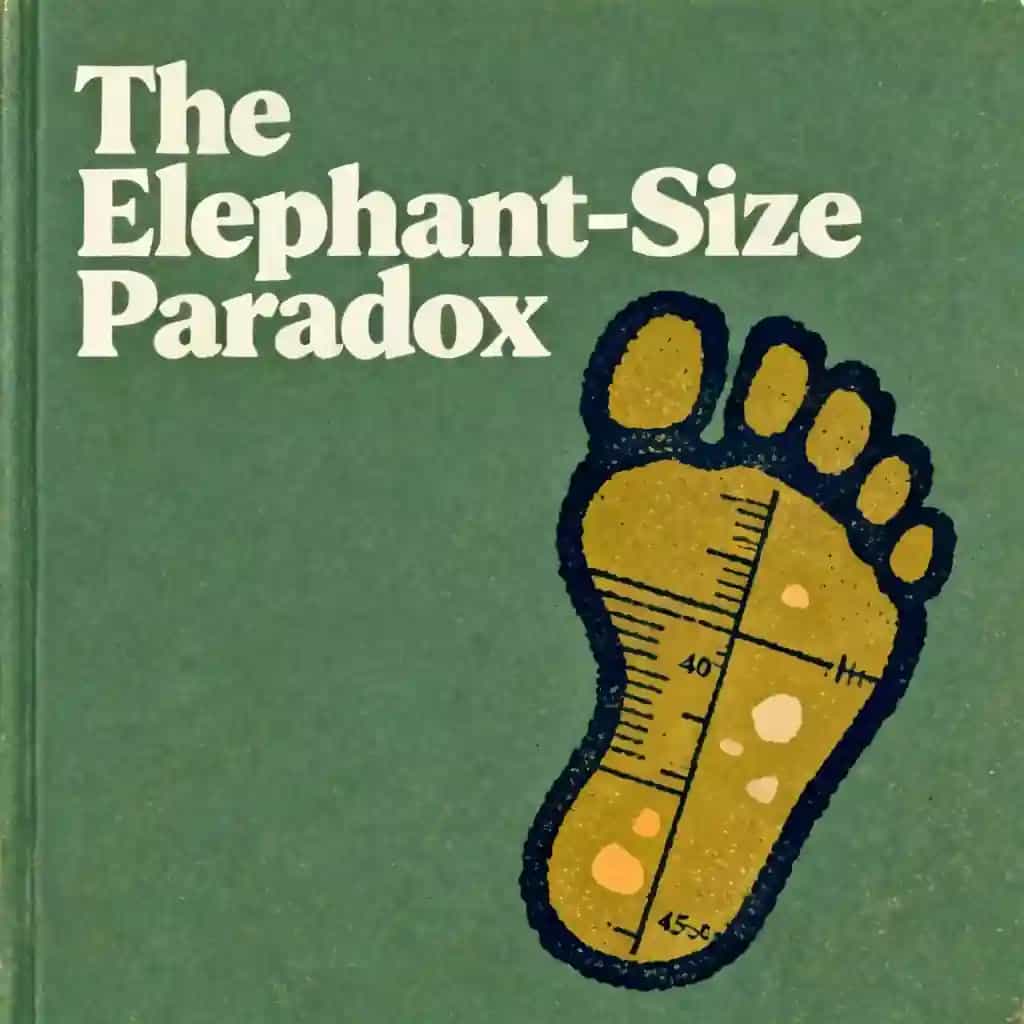
According to the rigorous clinical measurements presented in the study, the average erect penis length is approximately 13.12 centimeters, or about 5.16 inches. This figure is often significantly shorter than the numbers frequently cited in casual conversation or adult media. Understanding this baseline is essential for moving away from the anxiety of an unrealistic ideal and toward a grounded understanding of the human body.
The gap between perception and reality is driven by shifting expectations and the psychological weight of size, which often obscures the physical mechanics of pleasure. While over half of men surveyed in international studies report feeling unsatisfied with their dimensions, the hard data shows that the majority of the population fits within the clinical average. Addressing this discrepancy helps individuals move past body dysmorphia and focus on how bodies actually work together.
Cree par des anciens de Columbia University a San Francisco
"Instead of endless scrolling, I just hit play on BeFreed. It saves me so much time."
"I never knew where to start with nonfiction—BeFreed’s book lists turned into podcasts gave me a clear path."
"Perfect balance between learning and entertainment. Finished ‘Thinking, Fast and Slow’ on my commute this week."
"Crazy how much I learned while walking the dog. BeFreed = small habits → big gains."
"Reading used to feel like a chore. Now it’s just part of my lifestyle."
"Feels effortless compared to reading. I’ve finished 6 books this month already."
"BeFreed turned my guilty doomscrolling into something that feels productive and inspiring."
"BeFreed turned my commute into learning time. 20-min podcasts are perfect for finishing books I never had time for."
"BeFreed replaced my podcast queue. Imagine Spotify for books — that’s it. 🙌"
"It is great for me to learn something from the book without reading it."
"The themed book list podcasts help me connect ideas across authors—like a guided audio journey."
"Makes me feel smarter every time before going to work"
Cree par des anciens de Columbia University a San Francisco