The Elephant Size Paradox
Discover how elephants defy biological expectations by growing to car-stacking proportions while eating proportionally less than smaller animals, thanks to evolutionary adaptations in metabolism and heat regulation.

Meilleure citation de The Elephant Size Paradox
The trunk and the large size evolved together, each making the other more advantageous; the trunk made being big more efficient, and being big made having a trunk more necessary.

Cette leçon audio a été créée par un membre de la communauté BeFreed
how can an elefant be so big?

Découvrir plus

Secrets of a Strange Earth
This plan is designed for curious minds who want to look beyond conventional knowledge to understand the anomalies of our universe and species. It is perfect for lifelong learners and trivia enthusiasts seeking to bridge the gap between science, history, and psychology.

Grow via science, history, gym & mind health
This plan bridges the gap between intellectual curiosity and physical excellence. It is designed for individuals seeking a comprehensive growth strategy that combines scientific rigor, historical perspective, and peak mental and physical health.

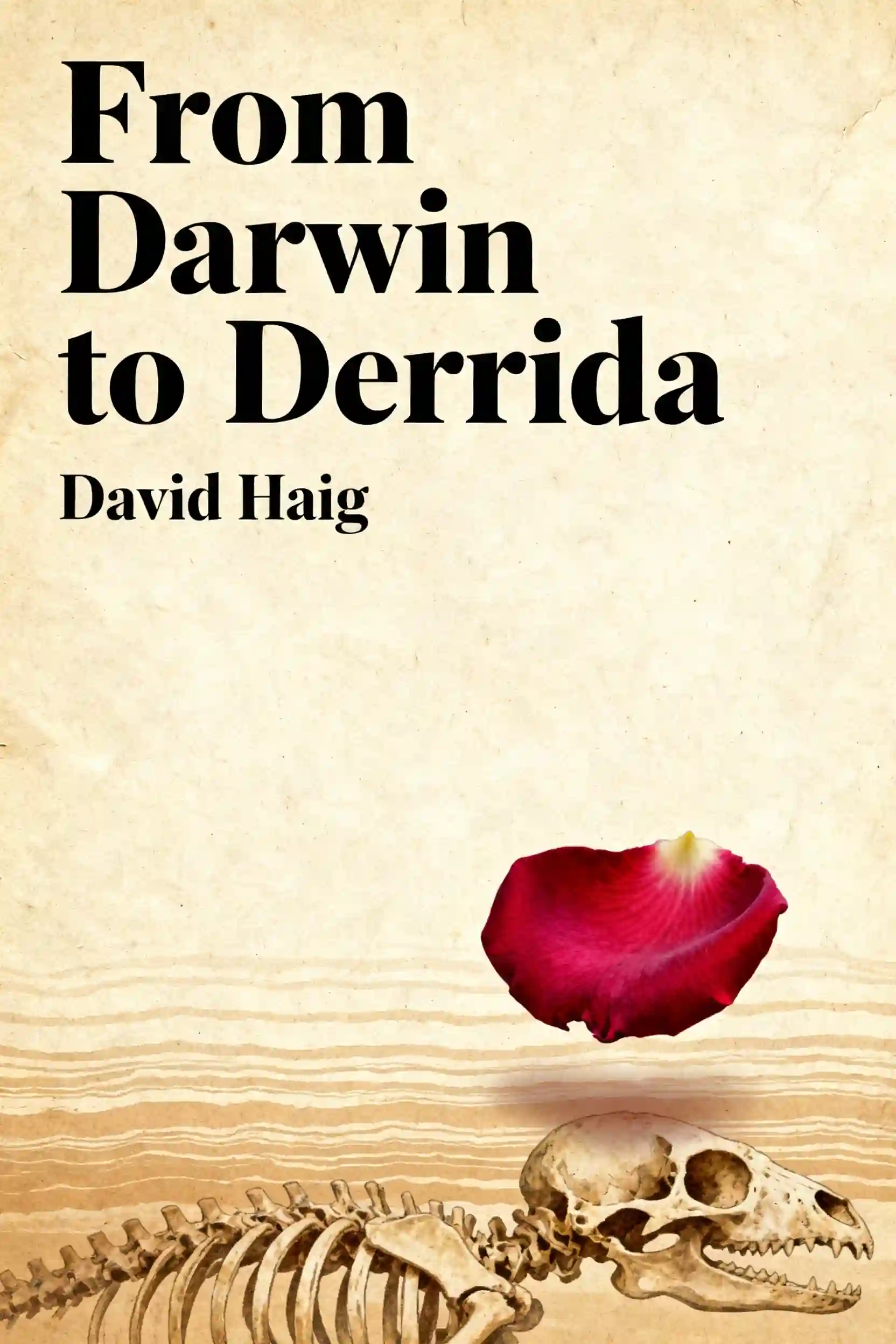
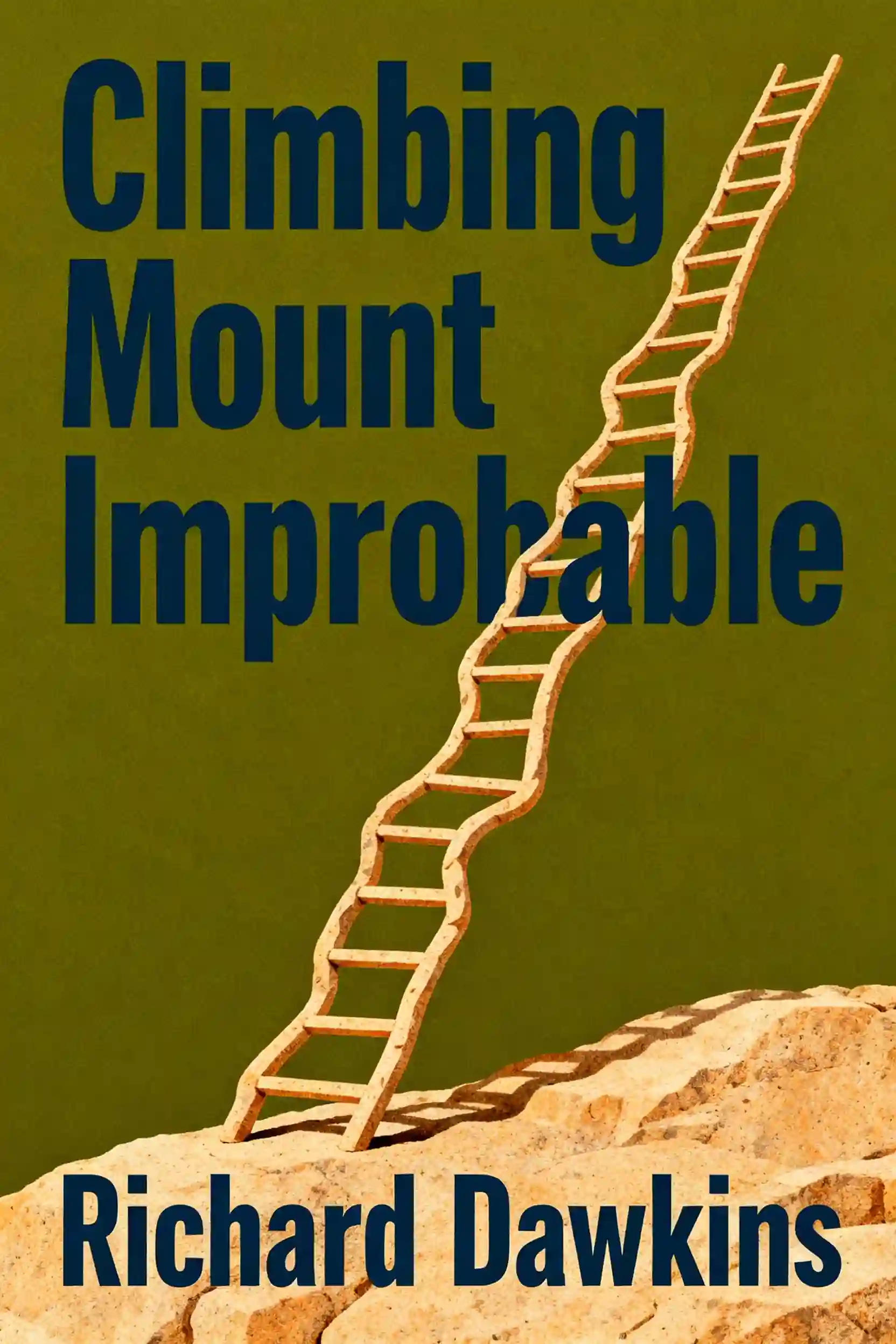
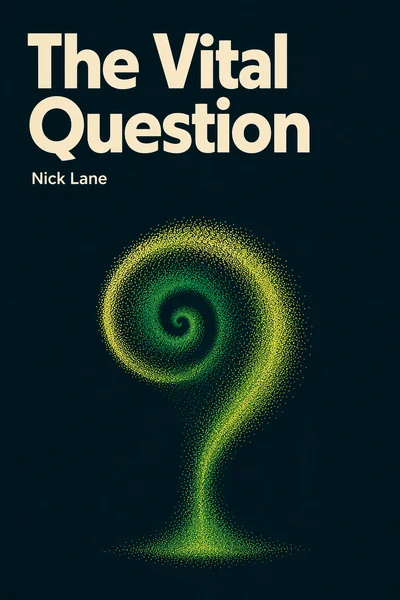
Psychedelic apes by Alex boese
This plan bridge the gap between evolutionary biology and the frontier of consciousness studies. It is ideal for curious minds, psychology students, and history buffs interested in how psychedelics and primate evolution shaped the modern human experience.
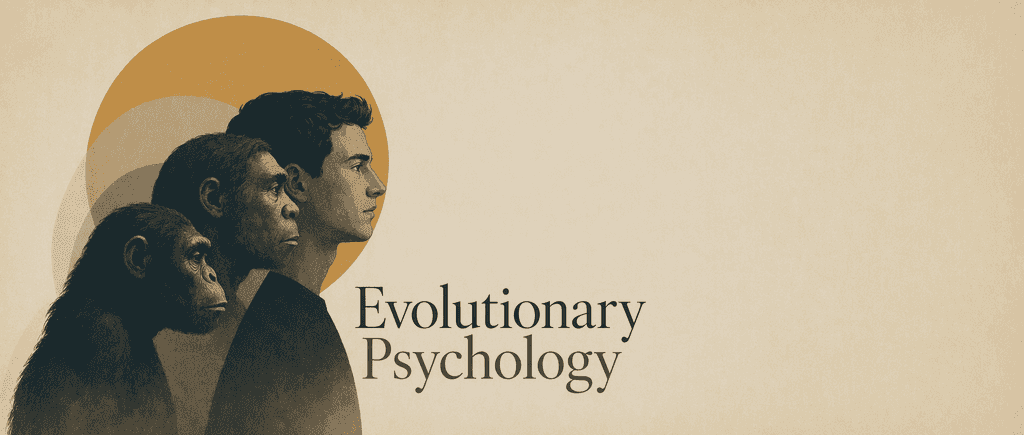
Evolutionary Psychology
This learning plan is essential for anyone seeking to understand the biological foundations of human behavior and why our ancient brains often clash with modern environments. It is particularly beneficial for students of psychology, marketers, and individuals interested in self-improvement and better decision-making.

The Bodybuilder's Guide to Mental Endurance
Bodybuilding is as much a mental challenge as a physical one, especially during grueling fat-loss phases. This guide is essential for athletes looking to master cognitive effort management and sustain the intensity needed to reach peak condition without burning out.

The Psychology of Growth
This plan is essential for entrepreneurs and marketers who want to move beyond surface-level tactics and master the science of persuasion. It provides a deep dive into how the human brain makes decisions, making it perfect for anyone looking to increase conversion rates through psychological insight.

The Rise of Sapiens
This plan offers a profound look at the cognitive and structural shifts that defined humanity's trajectory. It is ideal for history enthusiasts and curious minds seeking to understand how collective beliefs and scientific breakthroughs shaped the modern world.

The Architecture of Choice
This plan bridge the gap between neuroscience and behavioral economics to reveal how our brains navigate social structures. It is ideal for leaders, strategists, and behavioral scientists looking to master the mechanics of human influence and group decision-making.
Cree par des anciens de Columbia University a San Francisco
"Instead of endless scrolling, I just hit play on BeFreed. It saves me so much time."


"I never knew where to start with nonfiction—BeFreed’s book lists turned into podcasts gave me a clear path."


"Perfect balance between learning and entertainment. Finished ‘Thinking, Fast and Slow’ on my commute this week."
"Crazy how much I learned while walking the dog. BeFreed = small habits → big gains."
"Reading used to feel like a chore. Now it’s just part of my lifestyle."

"Feels effortless compared to reading. I’ve finished 6 books this month already."
"BeFreed turned my guilty doomscrolling into something that feels productive and inspiring."

"BeFreed turned my commute into learning time. 20-min podcasts are perfect for finishing books I never had time for."
"BeFreed replaced my podcast queue. Imagine Spotify for books — that’s it. 🙌"

"It is great for me to learn something from the book without reading it."
"The themed book list podcasts help me connect ideas across authors—like a guided audio journey."
"Makes me feel smarter every time before going to work"
Cree par des anciens de Columbia University a San Francisco
"Instead of endless scrolling, I just hit play on BeFreed. It saves me so much time."
"I never knew where to start with nonfiction—BeFreed’s book lists turned into podcasts gave me a clear path."
"Perfect balance between learning and entertainment. Finished ‘Thinking, Fast and Slow’ on my commute this week."
"Crazy how much I learned while walking the dog. BeFreed = small habits → big gains."
"Reading used to feel like a chore. Now it’s just part of my lifestyle."
"Feels effortless compared to reading. I’ve finished 6 books this month already."
"BeFreed turned my guilty doomscrolling into something that feels productive and inspiring."
"BeFreed turned my commute into learning time. 20-min podcasts are perfect for finishing books I never had time for."
"BeFreed replaced my podcast queue. Imagine Spotify for books — that’s it. 🙌"
"It is great for me to learn something from the book without reading it."
"The themed book list podcasts help me connect ideas across authors—like a guided audio journey."
"Makes me feel smarter every time before going to work"
"Instead of endless scrolling, I just hit play on BeFreed. It saves me so much time."
"I never knew where to start with nonfiction—BeFreed’s book lists turned into podcasts gave me a clear path."
"Perfect balance between learning and entertainment. Finished ‘Thinking, Fast and Slow’ on my commute this week."
"Crazy how much I learned while walking the dog. BeFreed = small habits → big gains."
"Reading used to feel like a chore. Now it’s just part of my lifestyle."
"Feels effortless compared to reading. I’ve finished 6 books this month already."
"BeFreed turned my guilty doomscrolling into something that feels productive and inspiring."
"BeFreed turned my commute into learning time. 20-min podcasts are perfect for finishing books I never had time for."
"BeFreed replaced my podcast queue. Imagine Spotify for books — that’s it. 🙌"
"It is great for me to learn something from the book without reading it."
"The themed book list podcasts help me connect ideas across authors—like a guided audio journey."
"Makes me feel smarter every time before going to work"
"Instead of endless scrolling, I just hit play on BeFreed. It saves me so much time."
"I never knew where to start with nonfiction—BeFreed’s book lists turned into podcasts gave me a clear path."
"Perfect balance between learning and entertainment. Finished ‘Thinking, Fast and Slow’ on my commute this week."
"Crazy how much I learned while walking the dog. BeFreed = small habits → big gains."
"Reading used to feel like a chore. Now it’s just part of my lifestyle."
"Feels effortless compared to reading. I’ve finished 6 books this month already."
"BeFreed turned my guilty doomscrolling into something that feels productive and inspiring."
"BeFreed turned my commute into learning time. 20-min podcasts are perfect for finishing books I never had time for."
"BeFreed replaced my podcast queue. Imagine Spotify for books — that’s it. 🙌"
"It is great for me to learn something from the book without reading it."
"The themed book list podcasts help me connect ideas across authors—like a guided audio journey."
"Makes me feel smarter every time before going to work"