The Science of Beating Procrastination
Stop blaming laziness and start hacking your brain. Learn how to bypass decision fatigue, use dopamine anchors, and leverage self-compassion to transform low motivation into consistent action.

Meilleure citation de The Science of Beating Procrastination
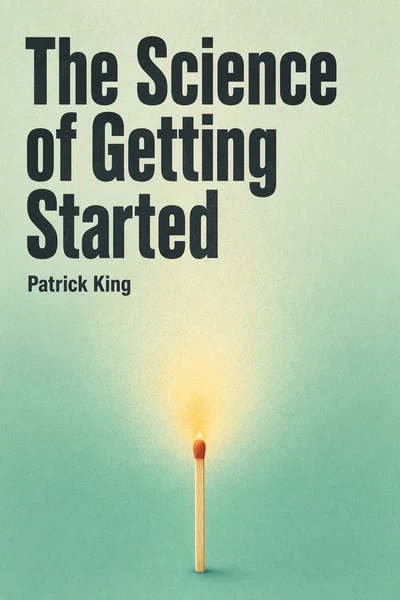
Action changes emotion more often than emotion changes action. We often wait to feel motivated before we start, but you start the action first and the momentum from that tiny win actually builds the motivation as you go.
Generated by Sharmi
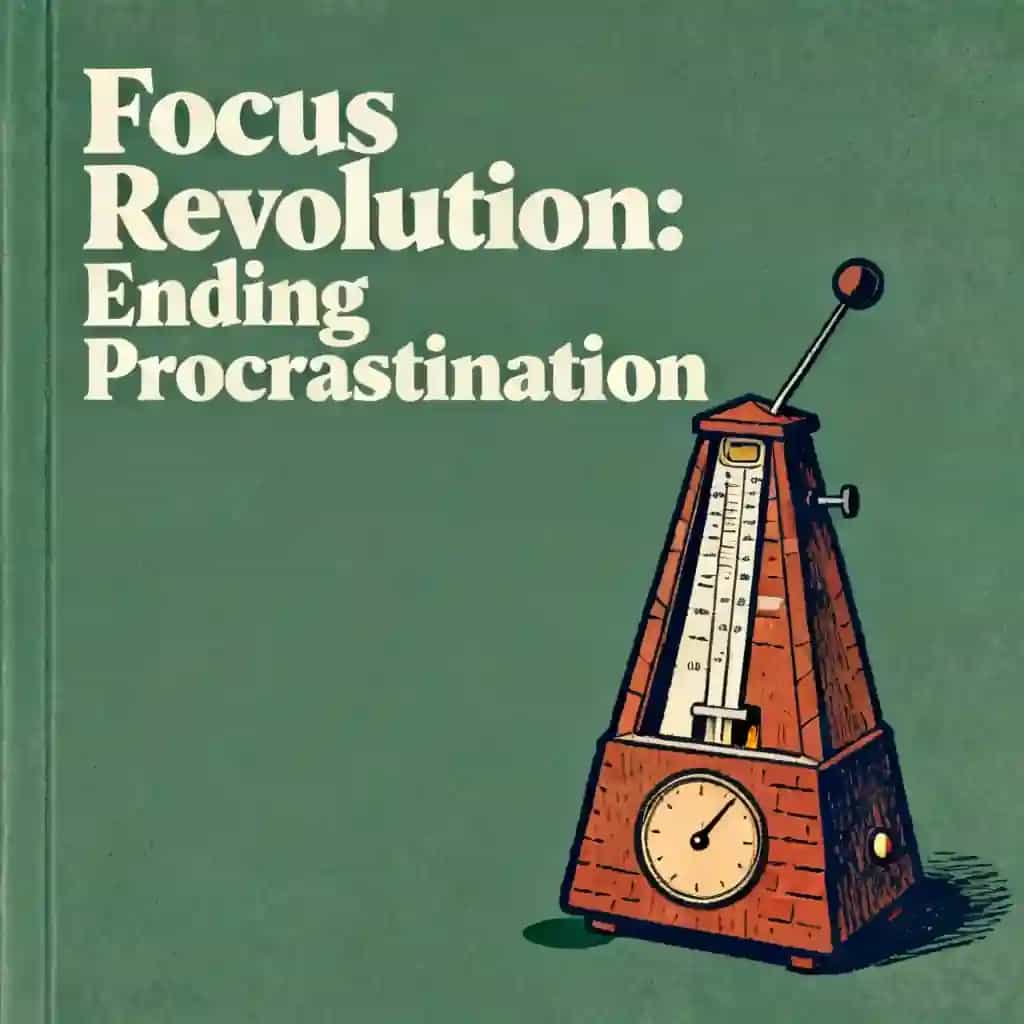
Strategies to overcome low motivation

Foire aux questions
Research suggests that being hard on yourself or using a harsh inner critic is actually counterproductive to motivation. A study from the University of California found that self-compassion, rather than self-criticism, increases your motivation to recover from failure. When you treat yourself with kindness, you lower the "threat" level your brain perceives, making it easier to move past the discomfort of a task rather than getting stuck in a cycle of guilt and avoidance.
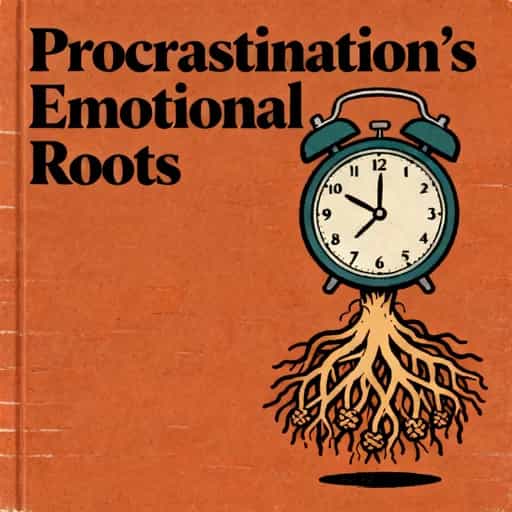
Procrastination is primarily an emotional issue rather than a time management problem. The cycle begins when a task triggers anxiety or fear of failure, causing the brain to choose avoidance to find immediate stress relief. While this provides a temporary "shield" from discomfort, the relief actually reinforces the avoidance behavior. Eventually, guilt kicks in as the task remains unfinished, leading to even higher pressure and a self-perpetuating loop of more anxiety and further avoidance.
Dopamine Anchoring is a three-part neurological loop designed to train the brain to expect a payoff for effort. It consists of a small "Effort Block" (a tiny, manageable unit of work), a "Reward Signal" (an immediate, sensory, "clean" reward like a cup of tea or a specific song), and a "Closure Cue" (a physical or verbal signal like saying "Done" or checking a box). This system helps the brain associate effort with a predictable reward, eventually making the act of starting a task feel safe and automatic.
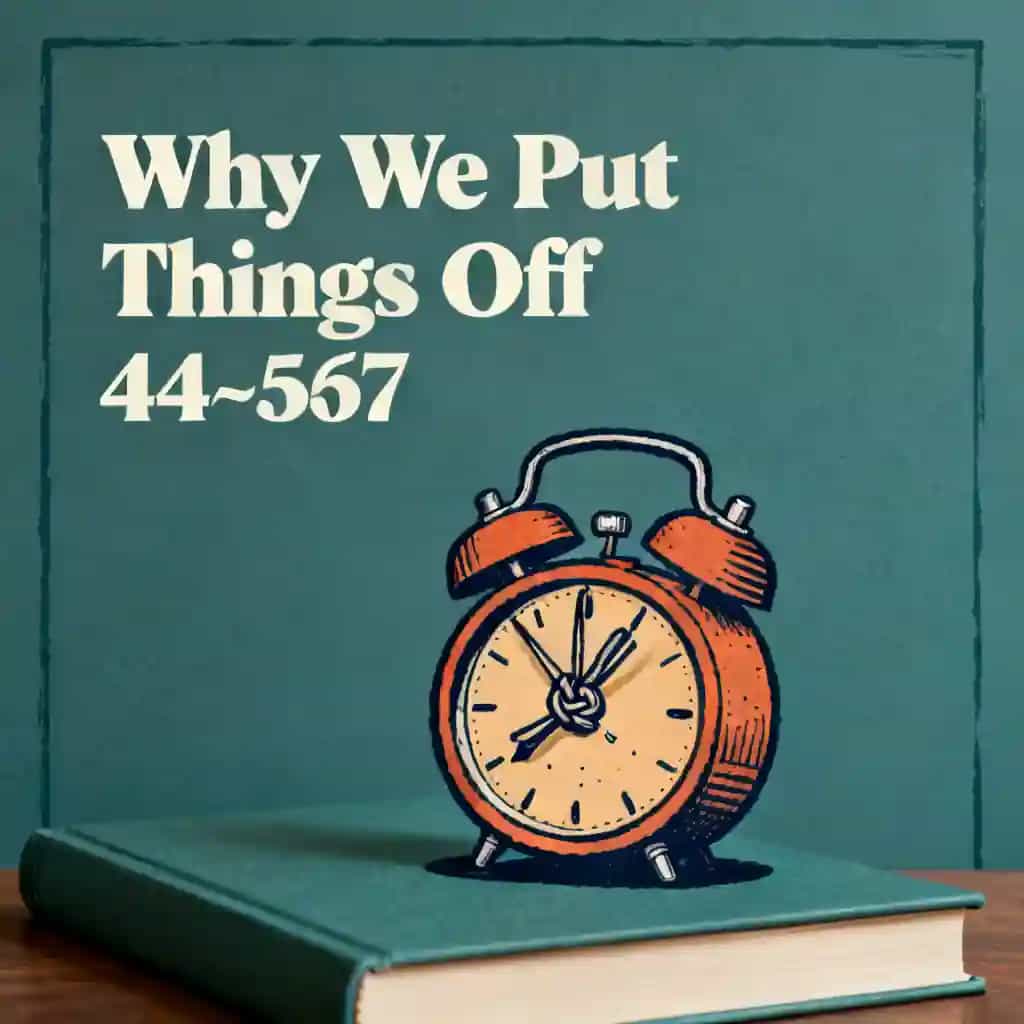
Decision fatigue occurs because choosing what to do and when to do it consumes a finite amount of cognitive energy. When intentions are vague—such as saying "I'll do this later"—the brain has to constantly re-evaluate when to start, which drains willpower. "Activity Scheduling" solves this by removing the decision-making process; by setting a specific time and a specific duration for a task (e.g., Thursday at 9:00 AM for 20 minutes), you reduce the ambiguity and "threat" that leads to delay.
Perfectionism is often driven by the rigid belief that anything less than a perfect result is a disaster. CBT-based behavioral experiments allow you to "test" these catastrophic predictions in a low-stakes way. By intentionally allowing a minor, harmless imperfection—such as sending an email with a small typo—you gather real-world evidence that the world does not end when you aren't perfect. This lowers the perceived threat of the task, which in turn reduces the urge to procrastinate.
Cree par des anciens de Columbia University a San Francisco
"Instead of endless scrolling, I just hit play on BeFreed. It saves me so much time."


"I never knew where to start with nonfiction—BeFreed’s book lists turned into podcasts gave me a clear path."


"Perfect balance between learning and entertainment. Finished ‘Thinking, Fast and Slow’ on my commute this week."
"Crazy how much I learned while walking the dog. BeFreed = small habits → big gains."
"Reading used to feel like a chore. Now it’s just part of my lifestyle."

"Feels effortless compared to reading. I’ve finished 6 books this month already."
"BeFreed turned my guilty doomscrolling into something that feels productive and inspiring."

"BeFreed turned my commute into learning time. 20-min podcasts are perfect for finishing books I never had time for."
"BeFreed replaced my podcast queue. Imagine Spotify for books — that’s it. 🙌"

"It is great for me to learn something from the book without reading it."
"The themed book list podcasts help me connect ideas across authors—like a guided audio journey."
"Makes me feel smarter every time before going to work"
Cree par des anciens de Columbia University a San Francisco
"Instead of endless scrolling, I just hit play on BeFreed. It saves me so much time."
"I never knew where to start with nonfiction—BeFreed’s book lists turned into podcasts gave me a clear path."
"Perfect balance between learning and entertainment. Finished ‘Thinking, Fast and Slow’ on my commute this week."
"Crazy how much I learned while walking the dog. BeFreed = small habits → big gains."
"Reading used to feel like a chore. Now it’s just part of my lifestyle."
"Feels effortless compared to reading. I’ve finished 6 books this month already."
"BeFreed turned my guilty doomscrolling into something that feels productive and inspiring."
"BeFreed turned my commute into learning time. 20-min podcasts are perfect for finishing books I never had time for."
"BeFreed replaced my podcast queue. Imagine Spotify for books — that’s it. 🙌"
"It is great for me to learn something from the book without reading it."
"The themed book list podcasts help me connect ideas across authors—like a guided audio journey."
"Makes me feel smarter every time before going to work"
"Instead of endless scrolling, I just hit play on BeFreed. It saves me so much time."
"I never knew where to start with nonfiction—BeFreed’s book lists turned into podcasts gave me a clear path."
"Perfect balance between learning and entertainment. Finished ‘Thinking, Fast and Slow’ on my commute this week."
"Crazy how much I learned while walking the dog. BeFreed = small habits → big gains."
"Reading used to feel like a chore. Now it’s just part of my lifestyle."
"Feels effortless compared to reading. I’ve finished 6 books this month already."
"BeFreed turned my guilty doomscrolling into something that feels productive and inspiring."
"BeFreed turned my commute into learning time. 20-min podcasts are perfect for finishing books I never had time for."
"BeFreed replaced my podcast queue. Imagine Spotify for books — that’s it. 🙌"
"It is great for me to learn something from the book without reading it."
"The themed book list podcasts help me connect ideas across authors—like a guided audio journey."
"Makes me feel smarter every time before going to work"
"Instead of endless scrolling, I just hit play on BeFreed. It saves me so much time."
"I never knew where to start with nonfiction—BeFreed’s book lists turned into podcasts gave me a clear path."
"Perfect balance between learning and entertainment. Finished ‘Thinking, Fast and Slow’ on my commute this week."
"Crazy how much I learned while walking the dog. BeFreed = small habits → big gains."
"Reading used to feel like a chore. Now it’s just part of my lifestyle."
"Feels effortless compared to reading. I’ve finished 6 books this month already."
"BeFreed turned my guilty doomscrolling into something that feels productive and inspiring."
"BeFreed turned my commute into learning time. 20-min podcasts are perfect for finishing books I never had time for."
"BeFreed replaced my podcast queue. Imagine Spotify for books — that’s it. 🙌"
"It is great for me to learn something from the book without reading it."
"The themed book list podcasts help me connect ideas across authors—like a guided audio journey."
"Makes me feel smarter every time before going to work"