The Art of the Second Guess
Explore the surprising science behind post-purchase doubt and learn how to transform paralyzing indecision into a powerful tool for self-awareness and smarter decision-making.

Meilleure citation de The Art of the Second Guess
Second-guessing isn't a character flaw; it’s just the hardware running its background processes. Our brains are designed to keep the tab open on 'non-winning' evidence to help us reassess, but the goal is to turn that inner doubt into a tool for better decisions rather than a cage of paralysis.
Generated by Frankozolah
The art of second guessing

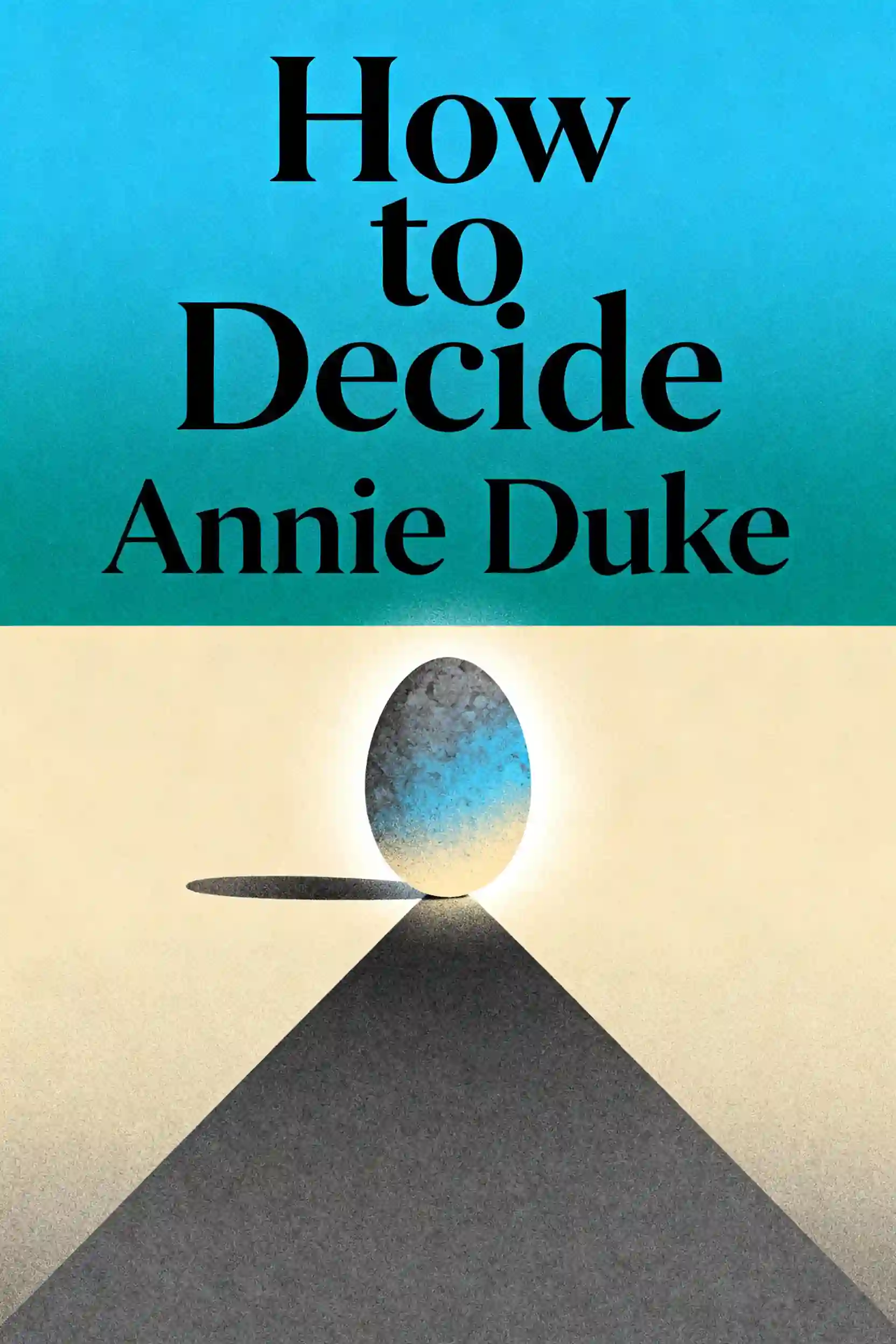
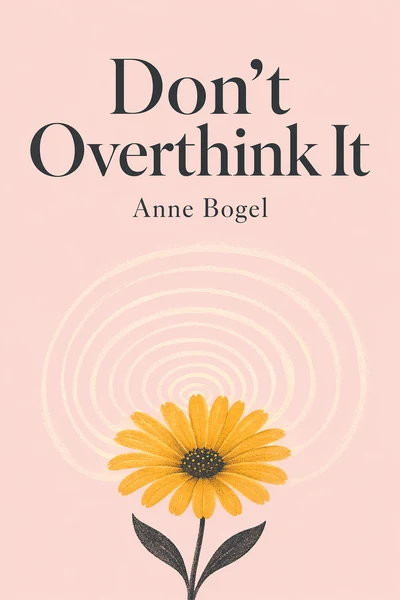
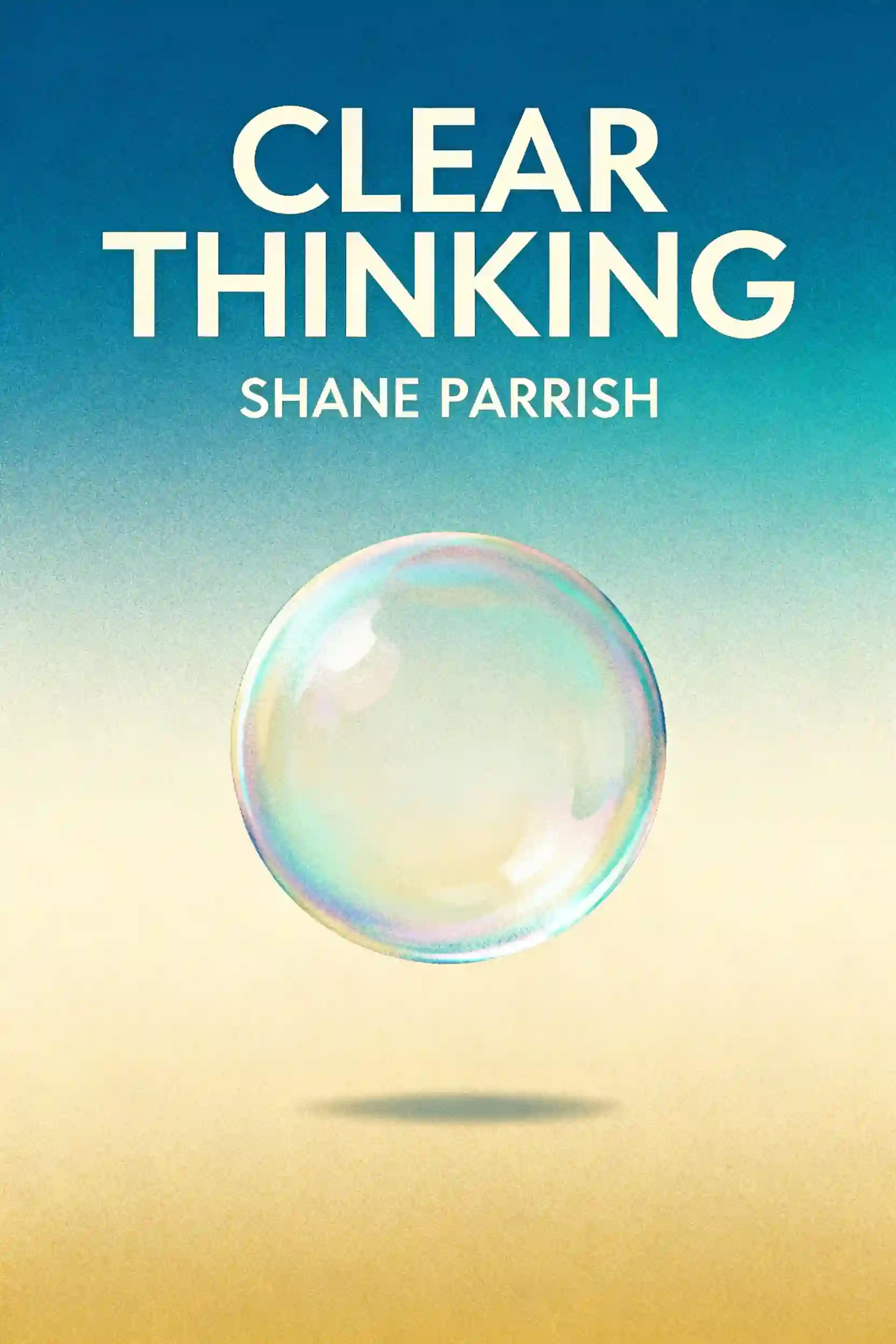
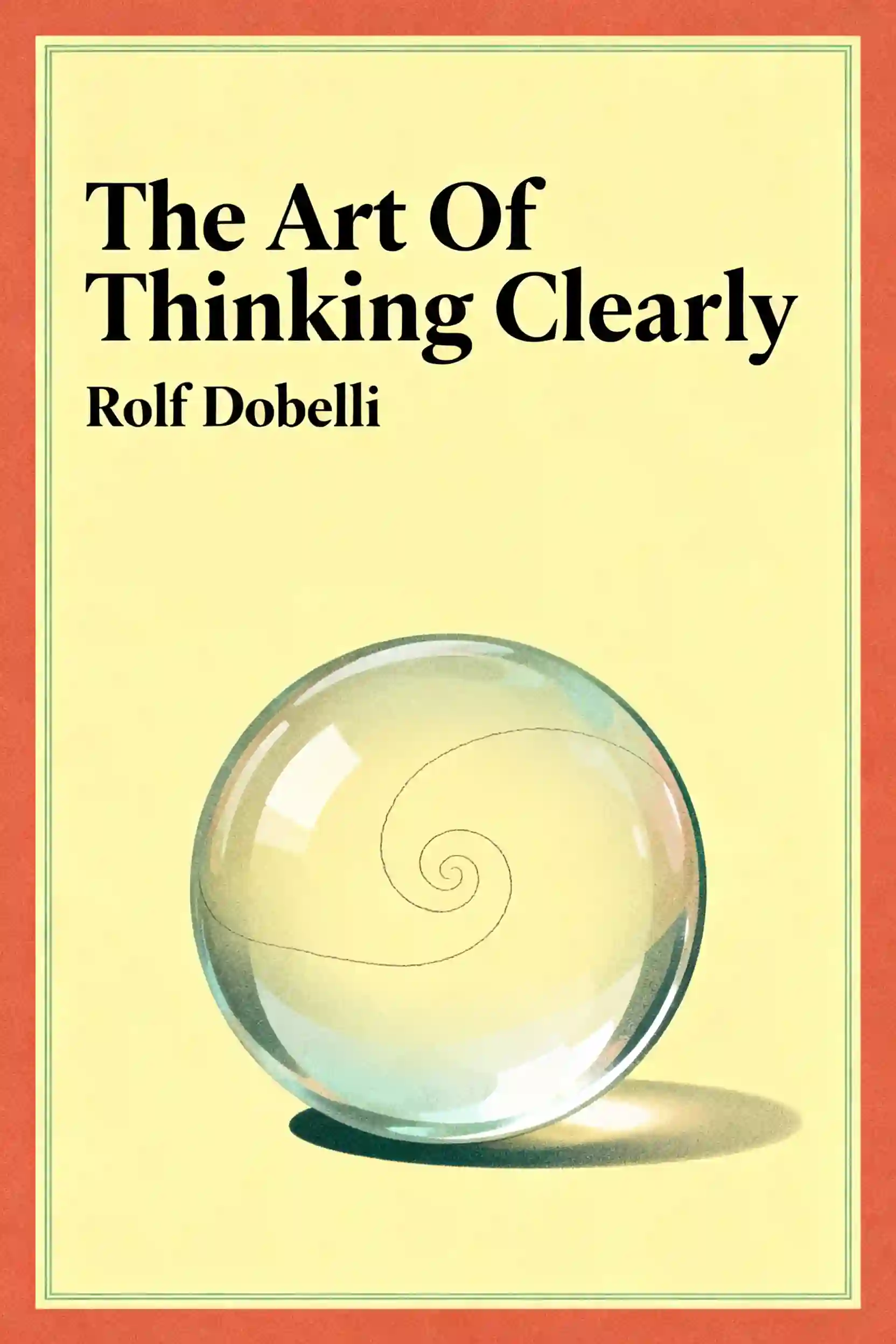
Foire aux questions
Second-guessing is actually hardwired into our neural circuitry, specifically within the parietal cortex. Your brain doesn't simply "save and close" a file once a choice is made; instead, it maintains graded neural activity to keep evaluating the options. This allows the brain to process "non-winning" evidence—the data for the option you didn't choose—as an evolutionary survival mechanism designed to help you reassess choices quickly if new threats or information appear.
Research from 2018 suggests that first instincts are frequently more grounded in the "full picture" than subsequent guesses. When you begin to over-analyze, you often lose sight of the most important factors and start focusing on peripheral, "non-winning" details that didn't matter initially. Explicitly stopping to analyze if a first guess was too high or too low can actually backfire, making the second guess less accurate than the original.
Maximizers are individuals who feel the need to find the absolute best possible option by exhausting every available piece of data, which often leads to regret and wondering if they missed something better. Satisficers, on the other hand, look for an option that meets their specific "good enough" criteria and stop searching once that threshold is hit. While maximizers might occasionally find a slightly better objective result, satisficers are generally much happier because they avoid decision fatigue and chronic regret.
The 10-10-10 rule is a circuit-breaker for the brain that helps shrink the emotional charge of a decision by providing perspective. When you are agonizing over a choice, you ask yourself how you will feel about it in 10 minutes, 10 months, and 10 years. This process helps you realize that many things causing immediate stress—such as an awkward comment in a meeting—will not even be a memory in a year, allowing you to let go of the "imaginary future-stress."
The Silver Medalist Paradox describes why bronze medalists are often happier than silver medalists. Silver medalists tend to engage in "upward counterfactual thinking," focusing on "if only" scenarios that would have led to the gold. Bronze medalists engage in "downward counterfactual thinking," focusing on "at least" scenarios, such as the fact that they made the podium at all. You can apply this by shifting from "if only" thinking to "at least" thinking to foster gratitude and focus on the reality of your progress.
Cree par des anciens de Columbia University a San Francisco
"Instead of endless scrolling, I just hit play on BeFreed. It saves me so much time."


"I never knew where to start with nonfiction—BeFreed’s book lists turned into podcasts gave me a clear path."


"Perfect balance between learning and entertainment. Finished ‘Thinking, Fast and Slow’ on my commute this week."
"Crazy how much I learned while walking the dog. BeFreed = small habits → big gains."
"Reading used to feel like a chore. Now it’s just part of my lifestyle."

"Feels effortless compared to reading. I’ve finished 6 books this month already."
"BeFreed turned my guilty doomscrolling into something that feels productive and inspiring."

"BeFreed turned my commute into learning time. 20-min podcasts are perfect for finishing books I never had time for."
"BeFreed replaced my podcast queue. Imagine Spotify for books — that’s it. 🙌"

"It is great for me to learn something from the book without reading it."
"The themed book list podcasts help me connect ideas across authors—like a guided audio journey."
"Makes me feel smarter every time before going to work"
Cree par des anciens de Columbia University a San Francisco
"Instead of endless scrolling, I just hit play on BeFreed. It saves me so much time."
"I never knew where to start with nonfiction—BeFreed’s book lists turned into podcasts gave me a clear path."
"Perfect balance between learning and entertainment. Finished ‘Thinking, Fast and Slow’ on my commute this week."
"Crazy how much I learned while walking the dog. BeFreed = small habits → big gains."
"Reading used to feel like a chore. Now it’s just part of my lifestyle."
"Feels effortless compared to reading. I’ve finished 6 books this month already."
"BeFreed turned my guilty doomscrolling into something that feels productive and inspiring."
"BeFreed turned my commute into learning time. 20-min podcasts are perfect for finishing books I never had time for."
"BeFreed replaced my podcast queue. Imagine Spotify for books — that’s it. 🙌"
"It is great for me to learn something from the book without reading it."
"The themed book list podcasts help me connect ideas across authors—like a guided audio journey."
"Makes me feel smarter every time before going to work"
"Instead of endless scrolling, I just hit play on BeFreed. It saves me so much time."
"I never knew where to start with nonfiction—BeFreed’s book lists turned into podcasts gave me a clear path."
"Perfect balance between learning and entertainment. Finished ‘Thinking, Fast and Slow’ on my commute this week."
"Crazy how much I learned while walking the dog. BeFreed = small habits → big gains."
"Reading used to feel like a chore. Now it’s just part of my lifestyle."
"Feels effortless compared to reading. I’ve finished 6 books this month already."
"BeFreed turned my guilty doomscrolling into something that feels productive and inspiring."
"BeFreed turned my commute into learning time. 20-min podcasts are perfect for finishing books I never had time for."
"BeFreed replaced my podcast queue. Imagine Spotify for books — that’s it. 🙌"
"It is great for me to learn something from the book without reading it."
"The themed book list podcasts help me connect ideas across authors—like a guided audio journey."
"Makes me feel smarter every time before going to work"
"Instead of endless scrolling, I just hit play on BeFreed. It saves me so much time."
"I never knew where to start with nonfiction—BeFreed’s book lists turned into podcasts gave me a clear path."
"Perfect balance between learning and entertainment. Finished ‘Thinking, Fast and Slow’ on my commute this week."
"Crazy how much I learned while walking the dog. BeFreed = small habits → big gains."
"Reading used to feel like a chore. Now it’s just part of my lifestyle."
"Feels effortless compared to reading. I’ve finished 6 books this month already."
"BeFreed turned my guilty doomscrolling into something that feels productive and inspiring."
"BeFreed turned my commute into learning time. 20-min podcasts are perfect for finishing books I never had time for."
"BeFreed replaced my podcast queue. Imagine Spotify for books — that’s it. 🙌"
"It is great for me to learn something from the book without reading it."
"The themed book list podcasts help me connect ideas across authors—like a guided audio journey."
"Makes me feel smarter every time before going to work"