The spotlight in your head is lying to you
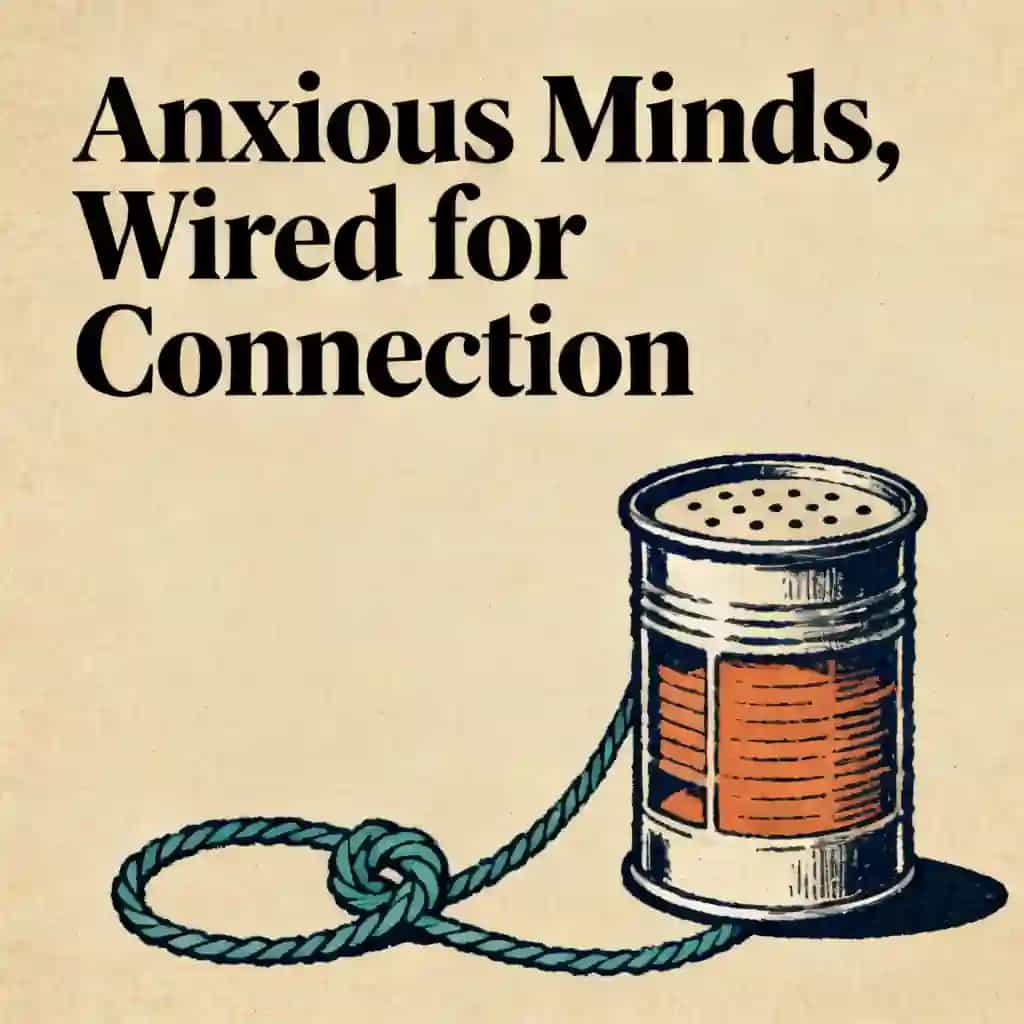
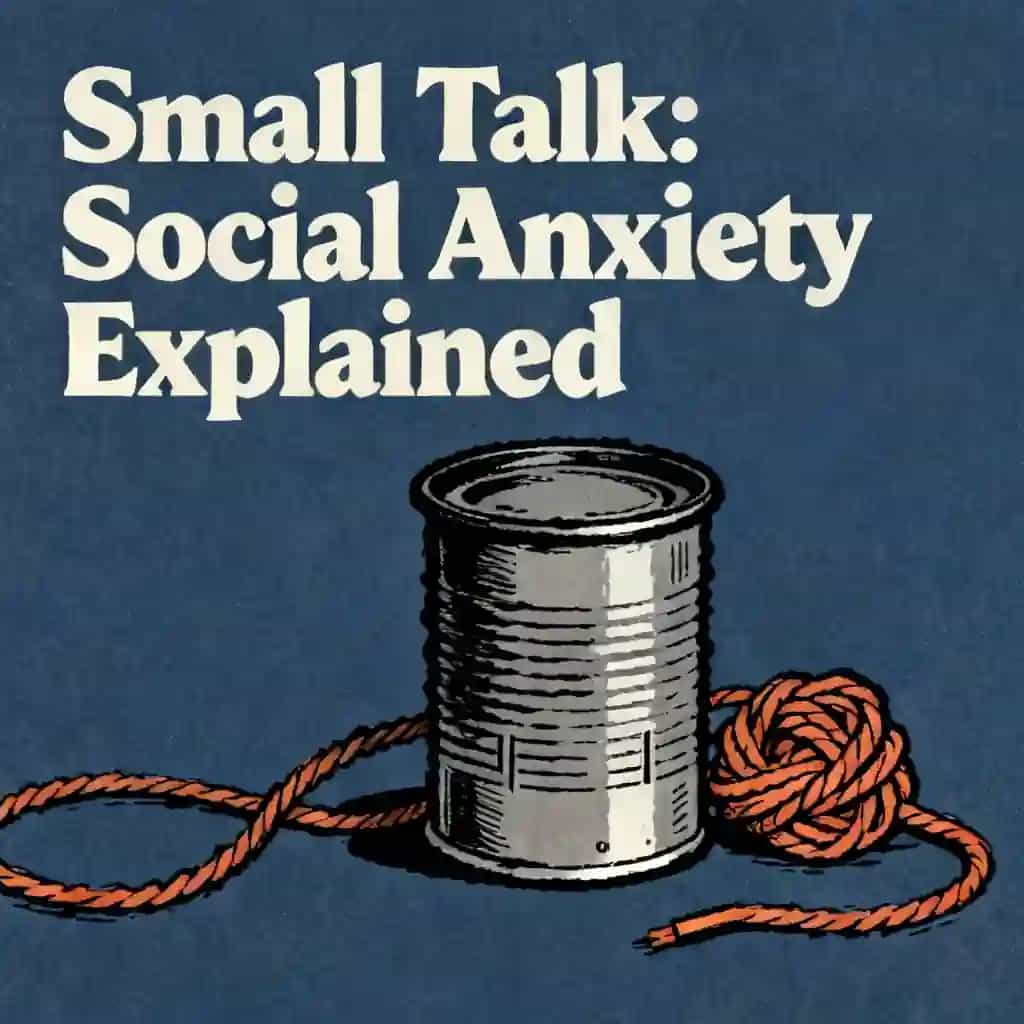
I was thinking about the last time I stood in a quiet elevator, just staring at the floor numbers like they were the most fascinating thing in the world . You know that feeling—where the silence feels heavy, and you’re frantically searching your brain for something, anything, to say, but all you can come up with is a weird comment about the carpet or a generic remark about the weather . It feels like there’s this giant spotlight beaming down on you, and if you trip over a single syllable, everyone’s going to notice and judge you for it. But here’s the wild thing I’ve been chewing on: that spotlight? It’s basically a hallucination. Psychologists actually call it the Spotlight Effect, and it’s this trick our brains play where we vastly overestimate how much other people are actually paying attention to our social performance or our little mistakes . In reality, the person standing next to you is probably caught in their own internal spotlight, worrying about their own hair or their own awkward silence . We’re all so busy being the protagonists of our own dramas that we barely have the bandwidth to be the critics of anyone else’s. And it’s not just a feeling—it’s a documented social bias. Research shows that we consistently underestimate how much people actually like us after a conversation, a phenomenon known as the Liking Gap . We walk away thinking, "Man, I was so awkward," while the other person is walking away thinking, "Wow, they were really nice" . This disconnect is the fundamental barrier to those casual, everyday chats that make life feel a bit more connected. If you’ve ever hesitated to say hello to a neighbor or a cashier because you didn’t want to be "that weird person," you’re fighting against a brain that’s wired to perceive social risk where there’s actually a huge potential for reward . It turns out that those small, fleeting interactions—the ones we often skip to stay in our phone-buffered bubbles—are actually huge boosters for our mood and sense of belonging . So, I want to pull back the curtain on why our brains make this feel so high-stakes and how we can start stepping through those "approach windows" before they slam shut . Because the truth is, most people aren't waiting to judge you—they're actually waiting for someone else to go first .