How to Grow Print on Demand Sales Fast: E-commerce Growth Strategies
Learn how to grow print on demand sales fast with proven e-commerce growth strategies. Discover expert tips for customer acquisition and scaling your online business.

Meilleure citation de How to Grow Print on Demand Sales Fast: E-commerce Growth Strategies
The real secret isn't just having a design; it's about treating it like a testing business. You have to be attached to the result, shifting from an artist to a data-driven entrepreneur.

Cette leçon audio a été créée par un membre de la communauté BeFreed
I want to learn about e-commerce specifically print on demand how to grow customer sales fast

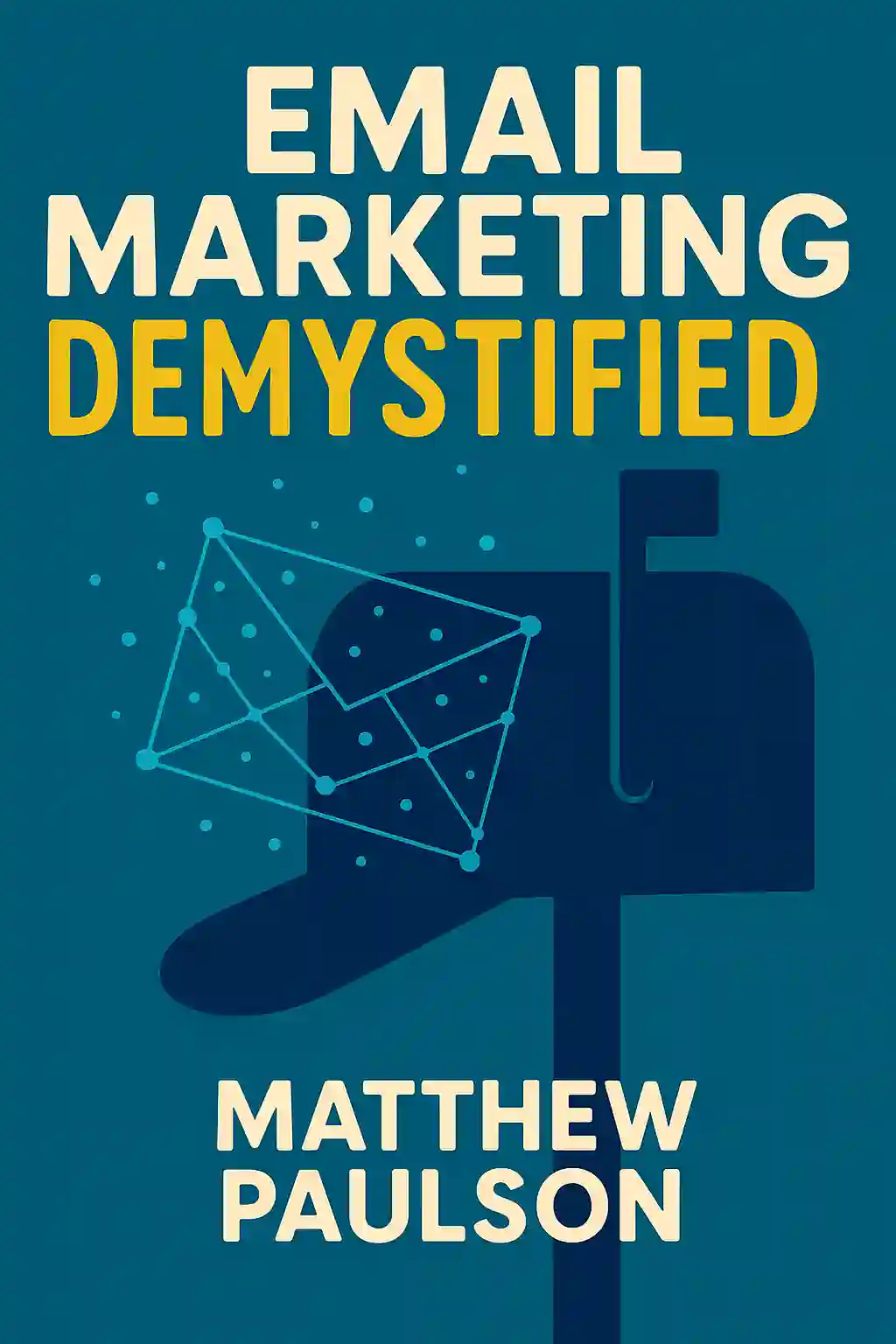
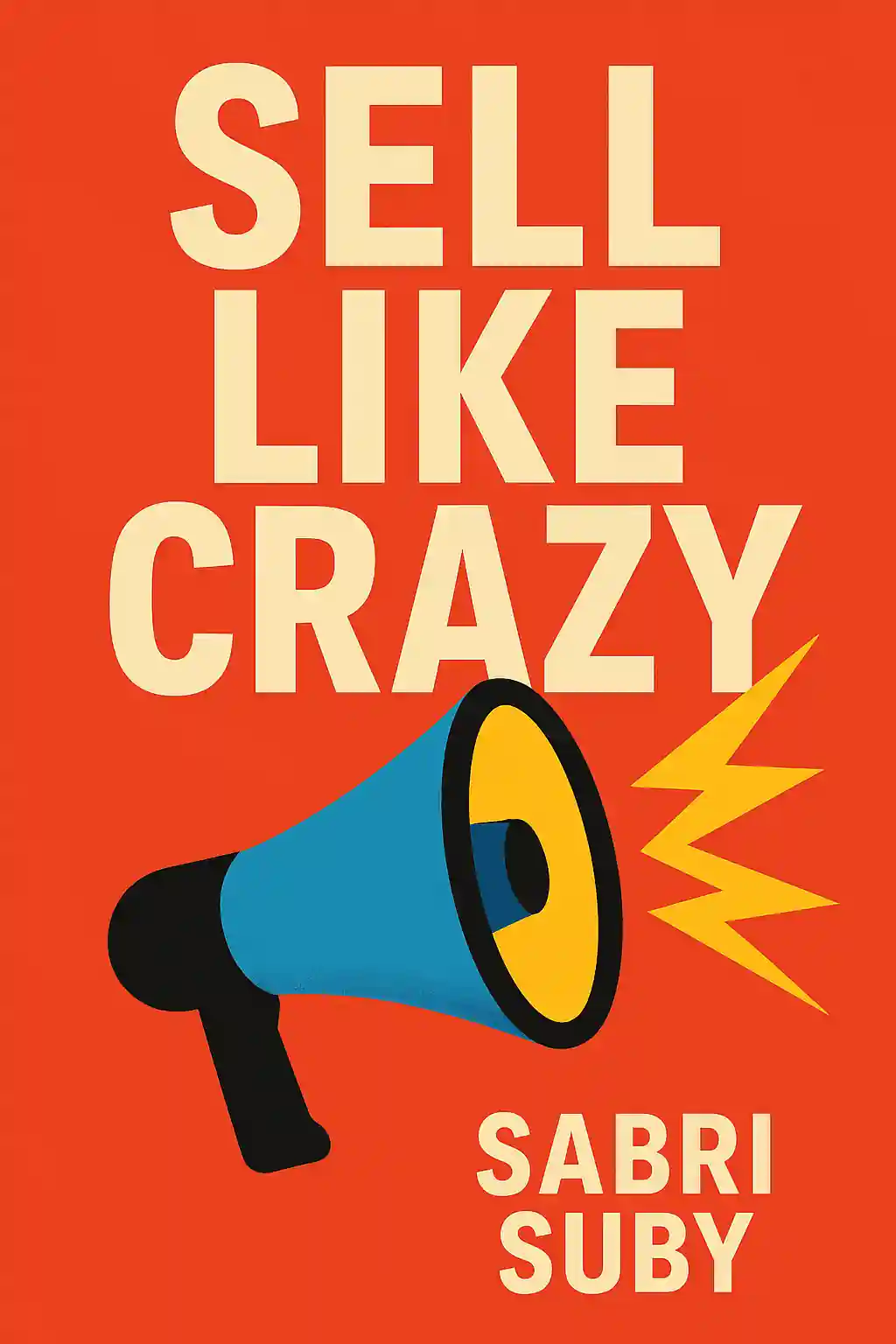
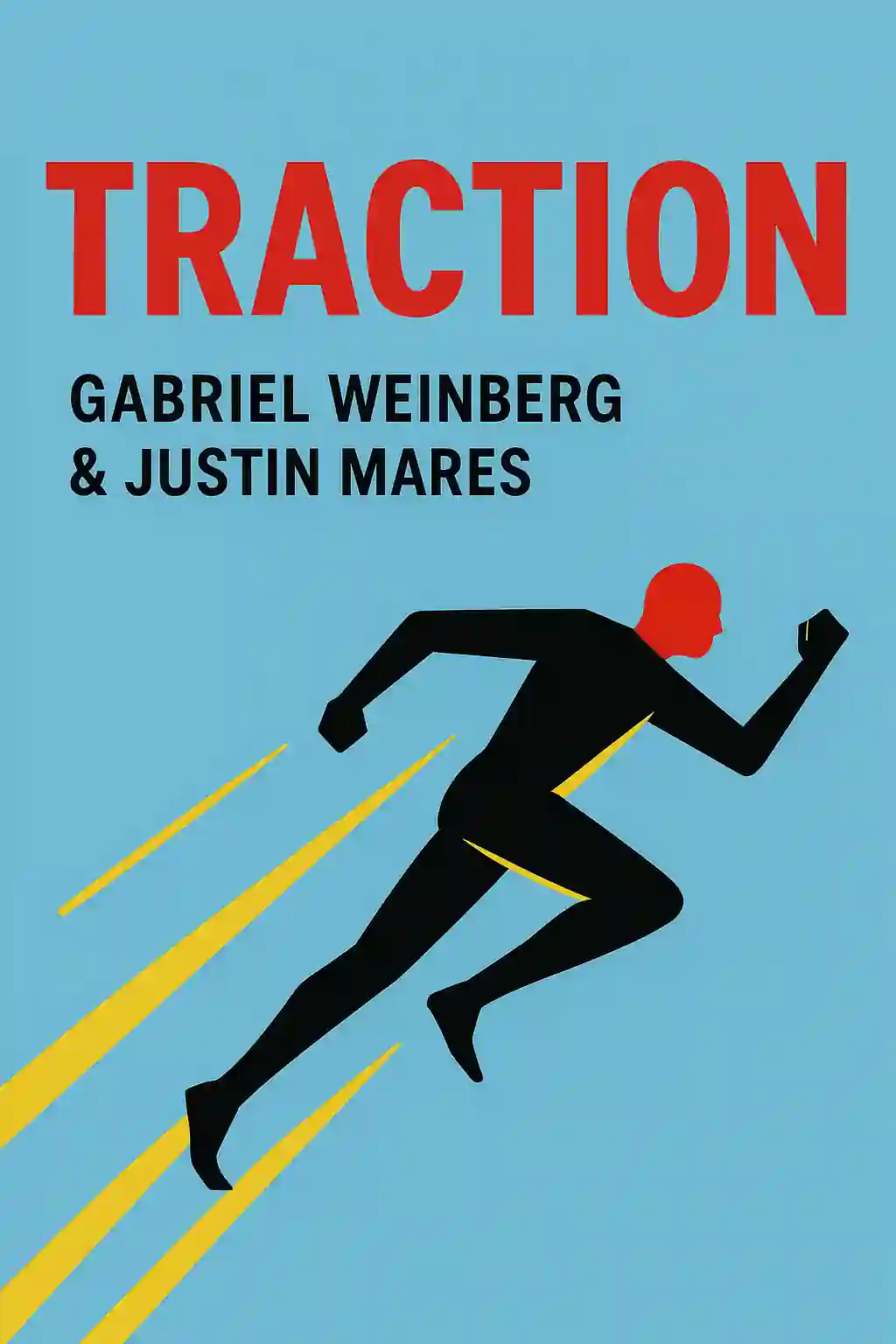
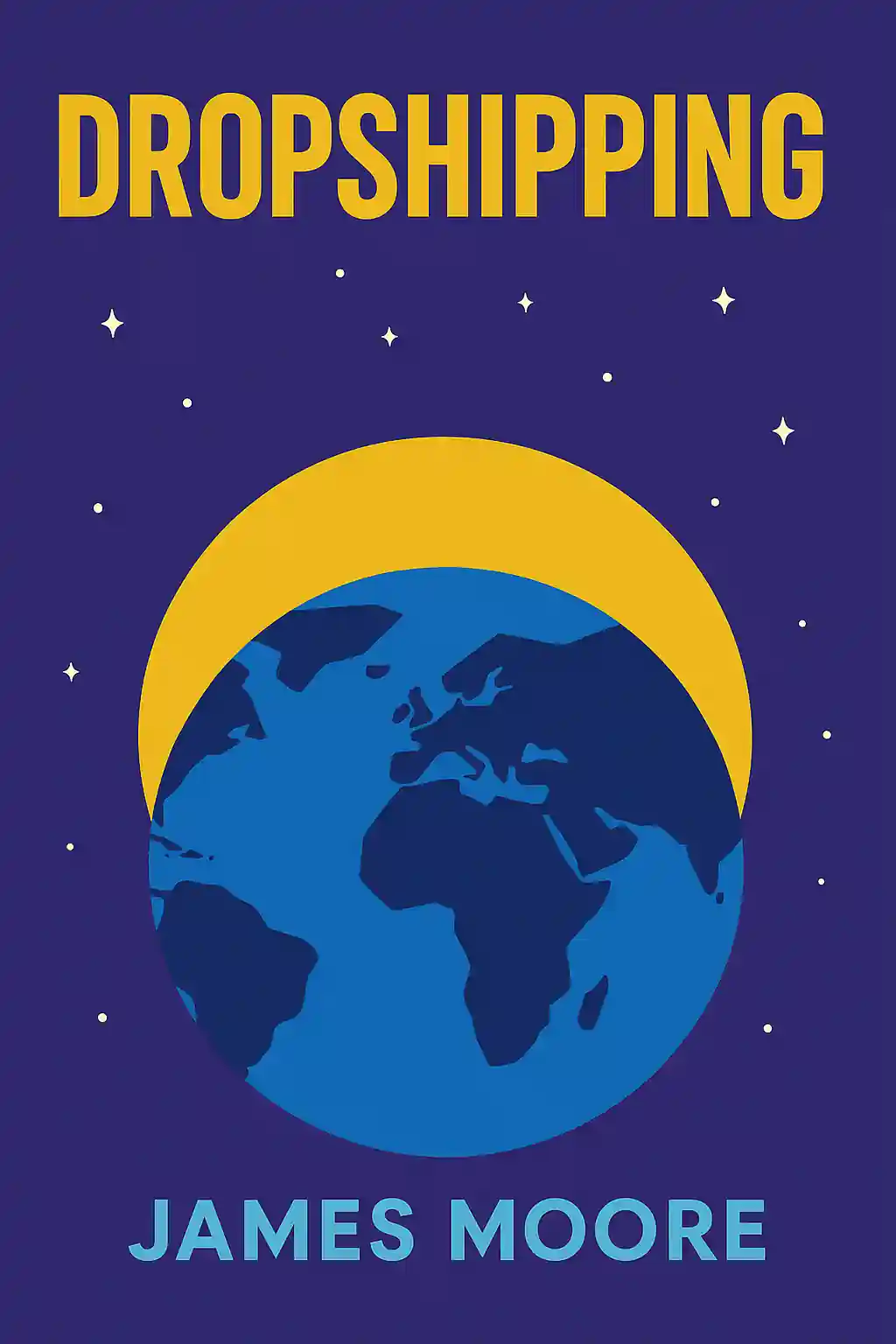
Foire aux questions
Découvrir plus

Set up a successful graphics/print shop
Set up a successful graphics/print shop
This plan is essential for aspiring entrepreneurs looking to bridge the gap between creative talent and profitable business ownership. It provides a comprehensive roadmap for anyone wanting to launch a professional graphics or print shop with sustainable operational systems.

Build Profitable Art Business
Build Profitable Art Business
Most talented artists struggle to earn sustainable income not because they lack skill, but because they've never learned to treat their creativity as a legitimate business. This learning path is essential for visual artists, illustrators, and creatives who are ready to stop undervaluing their work and start building a profitable art practice that supports their lifestyle and creative ambitions.
sell my ebooks
sell my ebooks
This learning plan is essential for authors and content creators who want to turn their ebooks into profitable, sustainable income streams. Whether you're a first-time self-publisher or an established author looking to increase sales, this structured approach teaches you the marketing fundamentals, launch strategies, and scaling techniques that separate hobbyists from professional authors who earn consistent revenue from their work.
Make 100k this year with drop shipping
Make 100k this year with drop shipping
This learning plan provides a comprehensive roadmap for aspiring entrepreneurs to build a sustainable e-commerce business from scratch. It is ideal for individuals seeking financial independence through proven traffic strategies and scalable operational systems.
How to be a better author
How to be a better author
In today's content-saturated world, the difference between overlooked manuscripts and celebrated publications often lies in mastering both craft and strategy. This learning plan bridges creative artistry with practical publishing knowledge, ideal for aspiring authors seeking to transform their passion into professional success.

Mirror others to find my art audience
Mirror others to find my art audience
This learning path bridges the gap between creating art and connecting with those who will truly appreciate it. It's ideal for artists who feel frustrated by generic marketing advice and want to build genuine relationships with collectors, as well as those seeking to move beyond hoping for the right audience to strategically attracting them. By combining interpersonal intelligence with business strategy, you'll transform how you find and engage the people who will champion your work.
Cut social media, grow business & create
Cut social media, grow business & create
This learning plan is designed for entrepreneurs and business owners who recognize that social media has become a productivity drain rather than a business tool. It's ideal for creative professionals and founders who want to reclaim their attention, deepen their strategic thinking, and channel their energy into meaningful business growth rather than endless digital consumption.
be a design influencer on X
be a design influencer on X
The design landscape on X offers unprecedented opportunities for creative professionals to build influence and generate income. This learning plan equips aspiring design influencers with the technical skills, platform knowledge, and strategic mindset needed to stand out in a competitive digital environment.
Cree par des anciens de Columbia University a San Francisco
"Instead of endless scrolling, I just hit play on BeFreed. It saves me so much time."


"I never knew where to start with nonfiction—BeFreed’s book lists turned into podcasts gave me a clear path."


"Perfect balance between learning and entertainment. Finished ‘Thinking, Fast and Slow’ on my commute this week."
"Crazy how much I learned while walking the dog. BeFreed = small habits → big gains."
"Reading used to feel like a chore. Now it’s just part of my lifestyle."

"Feels effortless compared to reading. I’ve finished 6 books this month already."
"BeFreed turned my guilty doomscrolling into something that feels productive and inspiring."

"BeFreed turned my commute into learning time. 20-min podcasts are perfect for finishing books I never had time for."
"BeFreed replaced my podcast queue. Imagine Spotify for books — that’s it. 🙌"

"It is great for me to learn something from the book without reading it."
"The themed book list podcasts help me connect ideas across authors—like a guided audio journey."
"Makes me feel smarter every time before going to work"
Cree par des anciens de Columbia University a San Francisco
"Instead of endless scrolling, I just hit play on BeFreed. It saves me so much time."
"I never knew where to start with nonfiction—BeFreed’s book lists turned into podcasts gave me a clear path."
"Perfect balance between learning and entertainment. Finished ‘Thinking, Fast and Slow’ on my commute this week."
"Crazy how much I learned while walking the dog. BeFreed = small habits → big gains."
"Reading used to feel like a chore. Now it’s just part of my lifestyle."
"Feels effortless compared to reading. I’ve finished 6 books this month already."
"BeFreed turned my guilty doomscrolling into something that feels productive and inspiring."
"BeFreed turned my commute into learning time. 20-min podcasts are perfect for finishing books I never had time for."
"BeFreed replaced my podcast queue. Imagine Spotify for books — that’s it. 🙌"
"It is great for me to learn something from the book without reading it."
"The themed book list podcasts help me connect ideas across authors—like a guided audio journey."
"Makes me feel smarter every time before going to work"
"Instead of endless scrolling, I just hit play on BeFreed. It saves me so much time."
"I never knew where to start with nonfiction—BeFreed’s book lists turned into podcasts gave me a clear path."
"Perfect balance between learning and entertainment. Finished ‘Thinking, Fast and Slow’ on my commute this week."
"Crazy how much I learned while walking the dog. BeFreed = small habits → big gains."
"Reading used to feel like a chore. Now it’s just part of my lifestyle."
"Feels effortless compared to reading. I’ve finished 6 books this month already."
"BeFreed turned my guilty doomscrolling into something that feels productive and inspiring."
"BeFreed turned my commute into learning time. 20-min podcasts are perfect for finishing books I never had time for."
"BeFreed replaced my podcast queue. Imagine Spotify for books — that’s it. 🙌"
"It is great for me to learn something from the book without reading it."
"The themed book list podcasts help me connect ideas across authors—like a guided audio journey."
"Makes me feel smarter every time before going to work"
"Instead of endless scrolling, I just hit play on BeFreed. It saves me so much time."
"I never knew where to start with nonfiction—BeFreed’s book lists turned into podcasts gave me a clear path."
"Perfect balance between learning and entertainment. Finished ‘Thinking, Fast and Slow’ on my commute this week."
"Crazy how much I learned while walking the dog. BeFreed = small habits → big gains."
"Reading used to feel like a chore. Now it’s just part of my lifestyle."
"Feels effortless compared to reading. I’ve finished 6 books this month already."
"BeFreed turned my guilty doomscrolling into something that feels productive and inspiring."
"BeFreed turned my commute into learning time. 20-min podcasts are perfect for finishing books I never had time for."
"BeFreed replaced my podcast queue. Imagine Spotify for books — that’s it. 🙌"
"It is great for me to learn something from the book without reading it."
"The themed book list podcasts help me connect ideas across authors—like a guided audio journey."
"Makes me feel smarter every time before going to work"