Putting yourself out there online and why it feels hard
Struggling to hit publish? Understand the psychology of visibility tension and how being consistent for 20 weeks can boost your engagement by 450%.

Meilleure citation de Putting yourself out there online and why it feels hard
The goal isn't perfection—it is intentionality. It is about making a conscious choice about what story you want to tell so that when someone googles you, they see a story you actually wrote, not just a random collection of algorithmic accidents.

Cette leçon audio a été créée par un membre de la communauté BeFreed
Finding ways to put myself out there online and understanding psychology behind it

Foire aux questions
Personal branding is often a performance-based effort that focuses on being polished and optimized for career advancement, which can be mentally exhausting to maintain. In contrast, a personal digital narrative is a broader and more honest representation of an individual that includes their evolution, mistakes, niche interests, and growth over time. Research suggests that the most psychologically healthy people online are those whose digital presence is coherent with their actual values and lived experiences rather than those with the most polished feeds.
Sharing self-improvement behaviors, such as learning a new skill or working out, signals "intrinsic motivation" to an audience. This suggests that you are a disciplined person driven by internal values and long-term growth rather than just instant gratification. While "hedonic" content like fancy meals or vacations is relatable, a narrative centered on growth fosters a stronger emotional connection and builds trust because it feels more authentic and less like a curated performance.
You are not the only author of your digital story; algorithms act as biased editors by rewarding extreme or divisive content, which can pressure you to change your voice to gain engagement. Additionally, "context collapse" occurs when different social circles—like family, coworkers, and old friends—collide on the same platform. This can lead to "narrative fossilization," where old photos or outdated opinions remain visible alongside your current self, making it difficult to show evolution unless you are intentional about contextualizing your past.
A Narrative Audit is a process of looking at your digital presence through the eyes of a stranger to ensure your story is coherent. To perform one, you should spend two hours googling yourself and reviewing your last thirty posts across all major platforms, including comments and tagged photos. During this audit, you identify inconsistencies—such as claiming to be a "lifelong learner" while complaining about new technology—and then use the tools of deleting, archiving, or contextualizing to align your history with your current core themes.
The most effective approach is a "mixed" strategy consisting of roughly 50% self-improvement content and 50% "hedonic" or relatable moments. Posting only about "hustle" and growth can make a person seem like a robot, whereas mixing in simple joys like a movie night or a nap makes you a relatable, integrated human being. This "strategic authenticity" helps avoid the anxiety of maintaining a "perfect" persona and makes your professional achievements more believable to your audience.
Découvrir plus
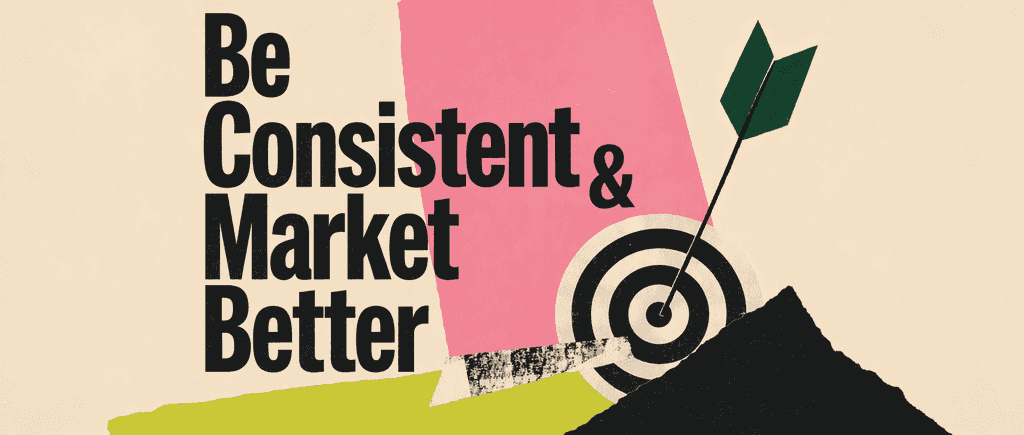
Be Consistent & Market Myself Better
In an era of digital noise, the ability to maintain a consistent presence while clearly articulating your value is the ultimate competitive advantage. This plan is designed for professionals and creators who want to transition from sporadic efforts to building a powerful, recognizable personal brand.

The Courage to Be You
In a world driven by social media and constant comparison, many people struggle with the biological urge to people-please at the expense of their own identity. This plan is designed for professionals and individuals who feel held back by social anxiety or the need for external approval. It offers a psychological roadmap to reclaiming your voice and living with integrity.

Build a Cringe-Free Instagram Brand
This plan is designed for professionals and creators who feel paralyzed by the pressure of social media perfectionism. It provides a practical roadmap to transition from overthinking to consistent, high-quality publishing that feels authentic rather than forced.

Keep the conversation alive
In an era of digital disconnection, many struggle with social anxiety and the fear of awkward silences. This plan is designed for professionals and individuals looking to transform their social presence by shifting from self-consciousness to bold, intentional communication.

Break cycle of overthinking and comparison
In a digital age driven by comparison and constant performance, many individuals find themselves paralyzed by chronic rumination and low self-esteem. This plan is designed for anyone struggling with social media-induced anxiety or perfectionism who wants to regain mental clarity using proven psychological frameworks.

From Social Hesitation to Effortless Connection
This plan is designed for individuals who feel held back by social anxiety or awkwardness in professional and personal settings. It provides a science-based approach to managing physiological stress while offering practical tools for real-world engagement.

Become more engaging despite my introversion
Introverts often feel pressured to adopt extroverted behaviors to succeed socially and professionally, leading to burnout and inauthenticity. This learning plan helps introverted individuals discover how to engage effectively with others while honoring their natural temperament, making it ideal for professionals, leaders, and anyone seeking to build connections without exhaustion.

Beyond the Surface: Mastering Meaningful Connection
In an increasingly digital world, the ability to forge genuine face-to-face connections is a rare and vital skill. This plan is designed for professionals and introverts who want to move past awkward small talk and build meaningful relationships with confidence.
Cree par des anciens de Columbia University a San Francisco
"Instead of endless scrolling, I just hit play on BeFreed. It saves me so much time."


"I never knew where to start with nonfiction—BeFreed’s book lists turned into podcasts gave me a clear path."


"Perfect balance between learning and entertainment. Finished ‘Thinking, Fast and Slow’ on my commute this week."
"Crazy how much I learned while walking the dog. BeFreed = small habits → big gains."
"Reading used to feel like a chore. Now it’s just part of my lifestyle."

"Feels effortless compared to reading. I’ve finished 6 books this month already."
"BeFreed turned my guilty doomscrolling into something that feels productive and inspiring."

"BeFreed turned my commute into learning time. 20-min podcasts are perfect for finishing books I never had time for."
"BeFreed replaced my podcast queue. Imagine Spotify for books — that’s it. 🙌"

"It is great for me to learn something from the book without reading it."
"The themed book list podcasts help me connect ideas across authors—like a guided audio journey."
"Makes me feel smarter every time before going to work"
Cree par des anciens de Columbia University a San Francisco
"Instead of endless scrolling, I just hit play on BeFreed. It saves me so much time."
"I never knew where to start with nonfiction—BeFreed’s book lists turned into podcasts gave me a clear path."
"Perfect balance between learning and entertainment. Finished ‘Thinking, Fast and Slow’ on my commute this week."
"Crazy how much I learned while walking the dog. BeFreed = small habits → big gains."
"Reading used to feel like a chore. Now it’s just part of my lifestyle."
"Feels effortless compared to reading. I’ve finished 6 books this month already."
"BeFreed turned my guilty doomscrolling into something that feels productive and inspiring."
"BeFreed turned my commute into learning time. 20-min podcasts are perfect for finishing books I never had time for."
"BeFreed replaced my podcast queue. Imagine Spotify for books — that’s it. 🙌"
"It is great for me to learn something from the book without reading it."
"The themed book list podcasts help me connect ideas across authors—like a guided audio journey."
"Makes me feel smarter every time before going to work"
"Instead of endless scrolling, I just hit play on BeFreed. It saves me so much time."
"I never knew where to start with nonfiction—BeFreed’s book lists turned into podcasts gave me a clear path."
"Perfect balance between learning and entertainment. Finished ‘Thinking, Fast and Slow’ on my commute this week."
"Crazy how much I learned while walking the dog. BeFreed = small habits → big gains."
"Reading used to feel like a chore. Now it’s just part of my lifestyle."
"Feels effortless compared to reading. I’ve finished 6 books this month already."
"BeFreed turned my guilty doomscrolling into something that feels productive and inspiring."
"BeFreed turned my commute into learning time. 20-min podcasts are perfect for finishing books I never had time for."
"BeFreed replaced my podcast queue. Imagine Spotify for books — that’s it. 🙌"
"It is great for me to learn something from the book without reading it."
"The themed book list podcasts help me connect ideas across authors—like a guided audio journey."
"Makes me feel smarter every time before going to work"
"Instead of endless scrolling, I just hit play on BeFreed. It saves me so much time."
"I never knew where to start with nonfiction—BeFreed’s book lists turned into podcasts gave me a clear path."
"Perfect balance between learning and entertainment. Finished ‘Thinking, Fast and Slow’ on my commute this week."
"Crazy how much I learned while walking the dog. BeFreed = small habits → big gains."
"Reading used to feel like a chore. Now it’s just part of my lifestyle."
"Feels effortless compared to reading. I’ve finished 6 books this month already."
"BeFreed turned my guilty doomscrolling into something that feels productive and inspiring."
"BeFreed turned my commute into learning time. 20-min podcasts are perfect for finishing books I never had time for."
"BeFreed replaced my podcast queue. Imagine Spotify for books — that’s it. 🙌"
"It is great for me to learn something from the book without reading it."
"The themed book list podcasts help me connect ideas across authors—like a guided audio journey."
"Makes me feel smarter every time before going to work"