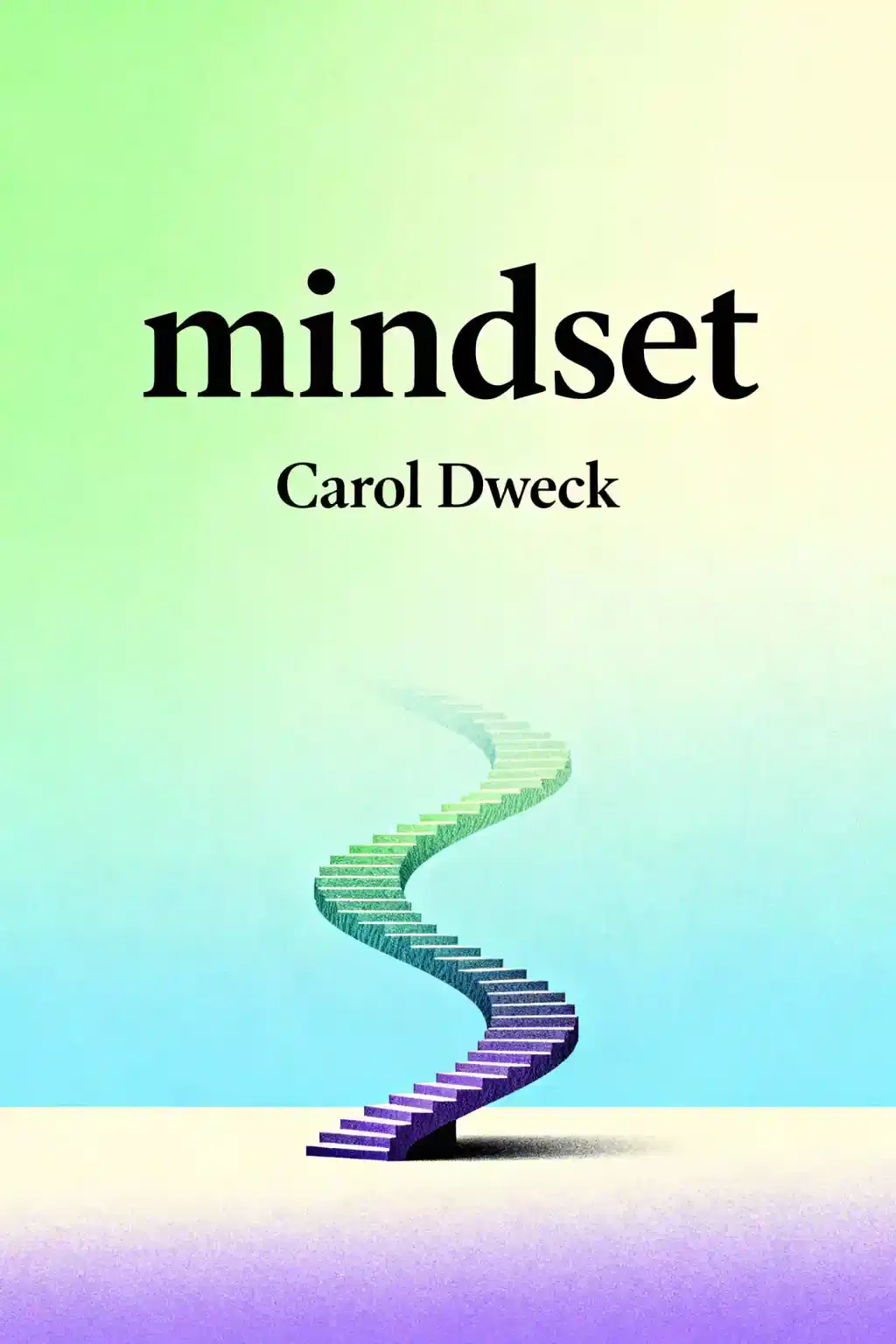
Mindset: The Power of Growth
Stuck in a fixed mindset? Learn how Carol Dweck’s research on growth can help you reframe failure and unlock your potential in work and life.

Meilleure citation de Mindset: The Power of Growth
The fixed mindset views effort as a bad sign—it suggests you aren't naturally gifted enough to do it easily. The growth mindset views effort as the literal fuel for development.
Generated with BeFreed
An audio lesson about the book Mindset, covering its key ideas and takeaways.


Foire aux questions
The difference lies in how you perceive your basic qualities. A fixed mindset is the belief that your intelligence and talents are static traits that cannot be changed, leading to a constant need to prove yourself and a fear of failure. In contrast, a growth mindset is the belief that your abilities can be developed through effort, strategy, and practice. This perspective shifts the focus from seeking a "stamp of approval" to pursuing continuous improvement.
Praising intelligence or innate talent can trap individuals in a fixed mindset because it ties their worth to a static result. If a person is "smart" when they succeed, they may conclude they are "dumb" when they struggle. This often leads to a fear of taking risks or trying difficult tasks because they are terrified of losing their status as "gifted." Research shows that praising effort or strategy is much more effective, as it builds resilience and encourages people to embrace challenges.
For someone with a fixed mindset, failure is a permanent label and a verdict on their worth as a human being, often leading to blame or a loss of identity. For someone with a growth mindset, failure is simply information or a "not yet" rather than a "never." It identifies what has not been mastered yet and serves as a springboard for future effort. High achievers use setbacks as a sign that they need to work harder or try a different strategy rather than as a reason to quit.
The transition begins by recognizing and naming your "fixed-mindset persona"—the internal voice that becomes defensive or discouraged when challenged. By giving this persona a name, you can recognize its comments as triggered responses rather than facts and "talk back" to it with a growth perspective. Additionally, you can reframe your daily narrative by asking what you learned rather than just what you achieved, and use "if-then" planning to turn vague resolutions into concrete actions.
Fixed-mindset leaders often create a "culture of genius" where they prioritize looking brilliant and surrounding themselves with people who agree with them, which can lead to "groupthink" and organizational collapse. Growth-minded leaders, however, prioritize learning over ego. They embrace the reality of their shortcomings, encourage dissent and debate, and view their employees as individuals who can be developed. This leads to more resilient organizations where the goal is to find the best solution rather than to protect the leader's image.
Cree par des anciens de Columbia University a San Francisco
"Instead of endless scrolling, I just hit play on BeFreed. It saves me so much time."


"I never knew where to start with nonfiction—BeFreed’s book lists turned into podcasts gave me a clear path."


"Perfect balance between learning and entertainment. Finished ‘Thinking, Fast and Slow’ on my commute this week."
"Crazy how much I learned while walking the dog. BeFreed = small habits → big gains."
"Reading used to feel like a chore. Now it’s just part of my lifestyle."

"Feels effortless compared to reading. I’ve finished 6 books this month already."
"BeFreed turned my guilty doomscrolling into something that feels productive and inspiring."

"BeFreed turned my commute into learning time. 20-min podcasts are perfect for finishing books I never had time for."
"BeFreed replaced my podcast queue. Imagine Spotify for books — that’s it. 🙌"

"It is great for me to learn something from the book without reading it."
"The themed book list podcasts help me connect ideas across authors—like a guided audio journey."
"Makes me feel smarter every time before going to work"
Cree par des anciens de Columbia University a San Francisco
"Instead of endless scrolling, I just hit play on BeFreed. It saves me so much time."
"I never knew where to start with nonfiction—BeFreed’s book lists turned into podcasts gave me a clear path."
"Perfect balance between learning and entertainment. Finished ‘Thinking, Fast and Slow’ on my commute this week."
"Crazy how much I learned while walking the dog. BeFreed = small habits → big gains."
"Reading used to feel like a chore. Now it’s just part of my lifestyle."
"Feels effortless compared to reading. I’ve finished 6 books this month already."
"BeFreed turned my guilty doomscrolling into something that feels productive and inspiring."
"BeFreed turned my commute into learning time. 20-min podcasts are perfect for finishing books I never had time for."
"BeFreed replaced my podcast queue. Imagine Spotify for books — that’s it. 🙌"
"It is great for me to learn something from the book without reading it."
"The themed book list podcasts help me connect ideas across authors—like a guided audio journey."
"Makes me feel smarter every time before going to work"
"Instead of endless scrolling, I just hit play on BeFreed. It saves me so much time."
"I never knew where to start with nonfiction—BeFreed’s book lists turned into podcasts gave me a clear path."
"Perfect balance between learning and entertainment. Finished ‘Thinking, Fast and Slow’ on my commute this week."
"Crazy how much I learned while walking the dog. BeFreed = small habits → big gains."
"Reading used to feel like a chore. Now it’s just part of my lifestyle."
"Feels effortless compared to reading. I’ve finished 6 books this month already."
"BeFreed turned my guilty doomscrolling into something that feels productive and inspiring."
"BeFreed turned my commute into learning time. 20-min podcasts are perfect for finishing books I never had time for."
"BeFreed replaced my podcast queue. Imagine Spotify for books — that’s it. 🙌"
"It is great for me to learn something from the book without reading it."
"The themed book list podcasts help me connect ideas across authors—like a guided audio journey."
"Makes me feel smarter every time before going to work"
"Instead of endless scrolling, I just hit play on BeFreed. It saves me so much time."
"I never knew where to start with nonfiction—BeFreed’s book lists turned into podcasts gave me a clear path."
"Perfect balance between learning and entertainment. Finished ‘Thinking, Fast and Slow’ on my commute this week."
"Crazy how much I learned while walking the dog. BeFreed = small habits → big gains."
"Reading used to feel like a chore. Now it’s just part of my lifestyle."
"Feels effortless compared to reading. I’ve finished 6 books this month already."
"BeFreed turned my guilty doomscrolling into something that feels productive and inspiring."
"BeFreed turned my commute into learning time. 20-min podcasts are perfect for finishing books I never had time for."
"BeFreed replaced my podcast queue. Imagine Spotify for books — that’s it. 🙌"
"It is great for me to learn something from the book without reading it."
"The themed book list podcasts help me connect ideas across authors—like a guided audio journey."
"Makes me feel smarter every time before going to work"