Is It Worth the Hype? Chicago’s Dining Giants vs. Real Talent
Go undercover with Jared Spano and Joliet culinary students to expose the truth behind Chicago’s elite hospitality groups. Learn to distinguish between overpriced marketing and the authentic skill found in student-run, bankable restaurant models.

Meilleure citation de Is It Worth the Hype? Chicago’s Dining Giants vs. Real Talent
The guest is paying for the skill, not the corporate philosophy. If a restaurant is hyped as the pinnacle of dining, but the people making the food are being stripped empty, is it actually worth the money?

Cette leçon audio a été créée par un membre de la communauté BeFreed
Create an audio lesson for Jared Spano’s new show Is It Worth the Hype, a spinoff of WTF Happened to Fine Dining. He goes undercover with Joliet culinary students to review major Chicago hospitality groups—exposing if they’re built on real standards or just marketing and ego. Each review breaks down if it’s worth the money, the wait, or the hype, while promoting Joliet’s student-run, bankable restaurant model.


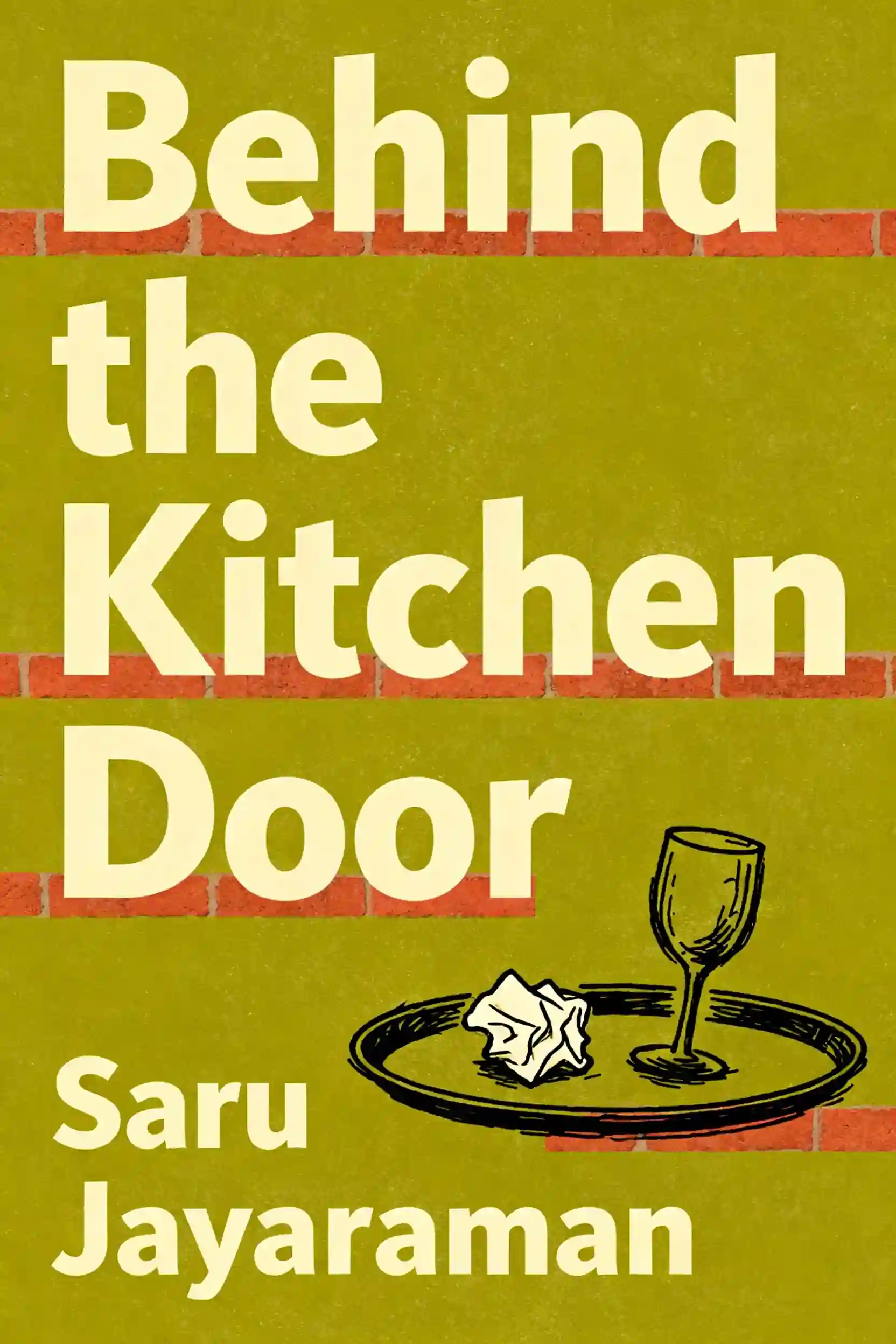
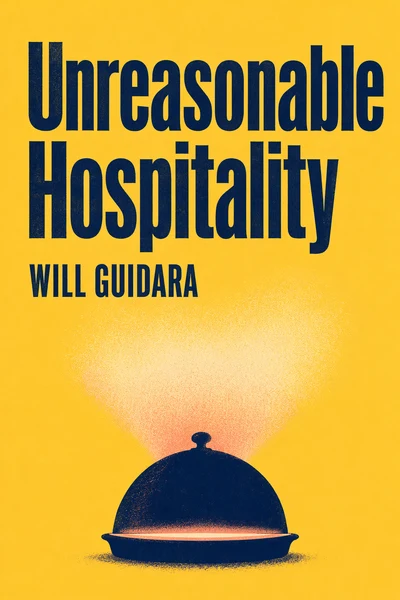
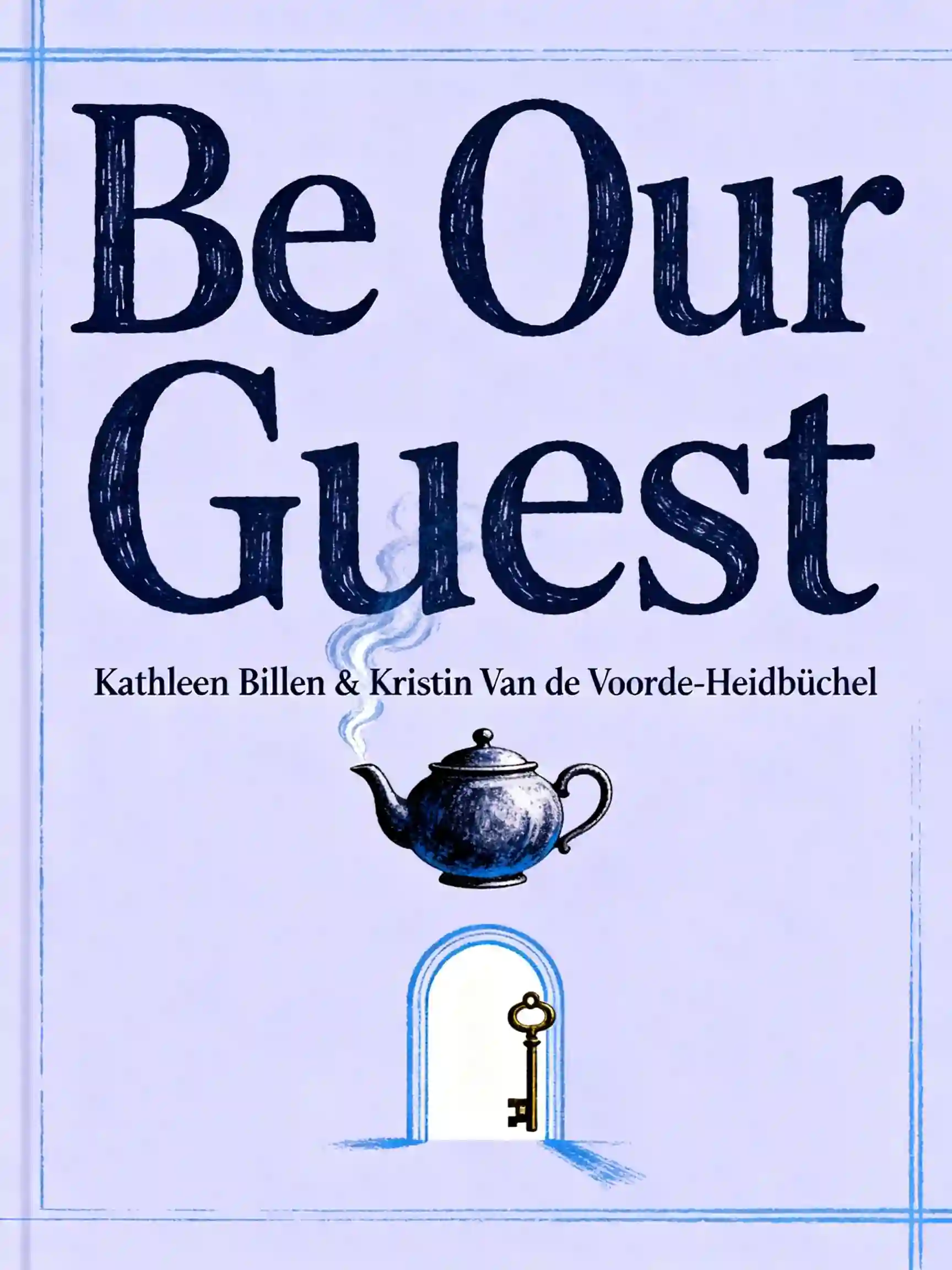


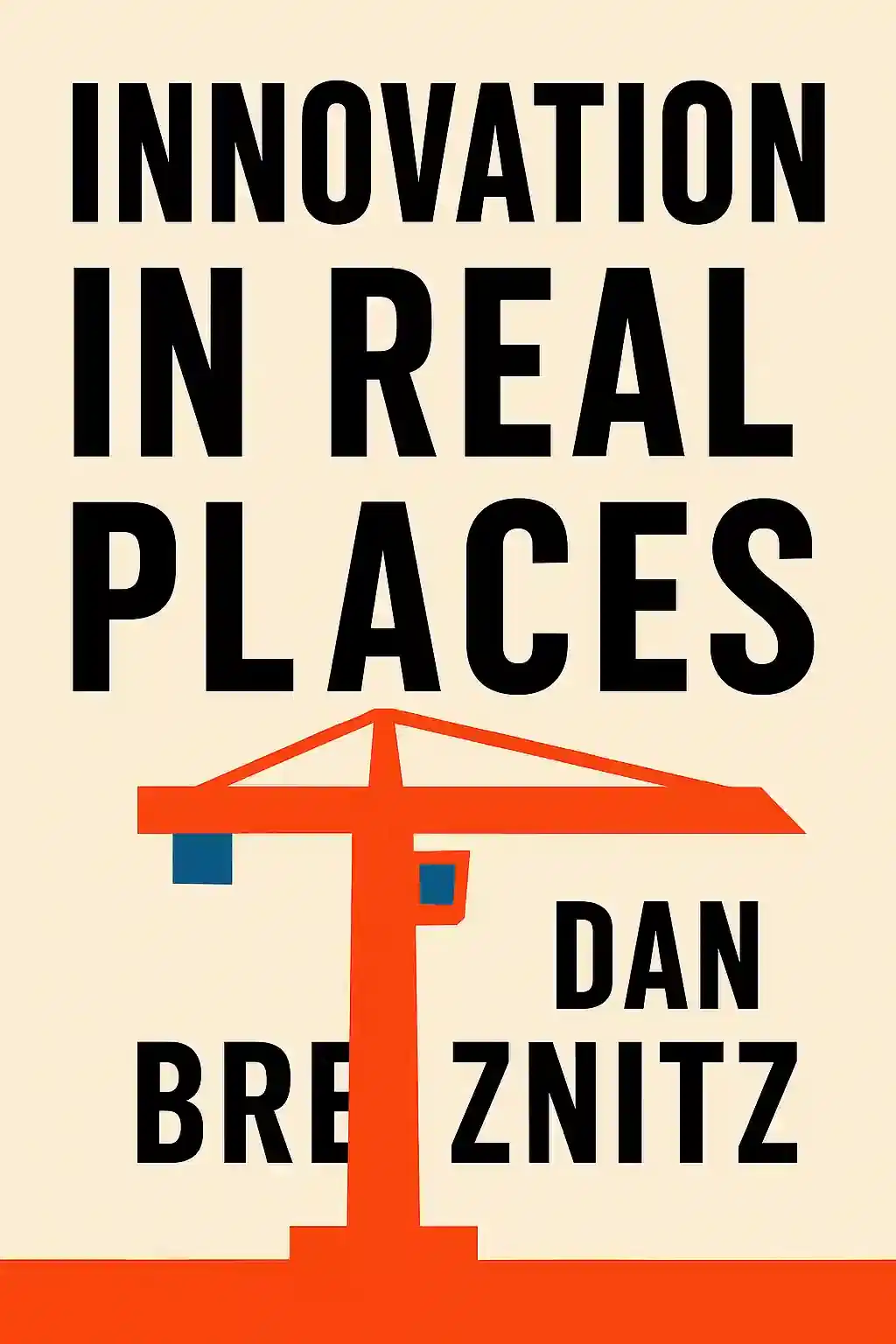
Foire aux questions
The Joliet Junior College model focuses on a "bankable" education where students are the system rather than just following a corporate manual. Students work in state-of-the-art facilities and rotate through every managerial and technical position in student-run restaurants like Saveur and Thrive. This hands-on approach covers everything from cost controls and purchasing to advanced cooking methods under the guidance of elite faculty, including Certified Master Chefs.
Michael Mina’s model is based on a management contract system, similar to the Four Seasons hotel group, which allows for large-scale expansion while maintaining consistency. Instead of focusing on the "lone chef" myth, Mina invests heavily in infrastructure—such as HR, marketing, and operations—using internal "Four Box" tools to keep over thirty restaurants on the same page. This system is designed to protect the brand's standards and "DNA" even as the group scales globally.
Invisible choreography refers to a highly precise and theatrical level of service, exemplified by Chicago restaurants like Ever. This approach involves measuring the exact distance between forks, monitoring room decibel levels, and using sound-dampening materials to ensure guests are fully present. The goal is "unreasonable hospitality" where staff anticipate every guest's need so seamlessly that it feels like a choreographed performance rather than a standard transaction.
The students act as "secret shoppers" who use their technical training to look past marketing and decor. They evaluate whether the technical execution—such as the quality of a sauce or the fabrication of a protein—matches the high price tag. They also look for the "human cost" of the operation, checking for signs of burnout or toxic kitchen culture, such as "lifeless eyes" or a lack of genuine mentorship, to see if the restaurant’s "soul" has been spread too thin by corporate systems.
The script highlights a massive price contrast: a student-prepared, Michelin-level meal at Joliet’s Saveur costs approximately twelve dollars, whereas a hyped steakhouse might cost as much as a car payment. The "bankable" decision for a diner involves determining if a high-end group’s infrastructure and "theatre" actually provide twenty-five times the value of a meal rooted in the technical mastery and "remarkable service" taught at an accredited culinary program.
Découvrir plus

Master fine dining culture
Fine dining represents more than exceptional food—it's a cultural language that opens doors in professional and social circles worldwide. This learning plan is ideal for professionals seeking to enhance their business dining skills, food enthusiasts wanting deeper culinary appreciation, or anyone looking to navigate upscale restaurants and formal occasions with confidence and cultural literacy.

The Mother Sauce Foundations
Mastering the five mother sauces is the ultimate rite of passage for any serious home cook or aspiring chef. This guide provides the technical blueprint for building flavor and texture, turning basic ingredients into professional-grade culinary foundations.

The Student Housing Entrepreneur
This learning plan is designed for ambitious students looking to disrupt the traditional housing market by integrating education and real estate. It provides a blueprint for building a micro-school business while mastering the high-performance habits required to succeed as a dual-identity entrepreneur.

Master the Art of the Perfect Pizza Dough
This plan is designed for aspiring pizzaiolos and home cooks who want to move beyond basic recipes and master the science of baking. It provides a deep dive into the technical and creative aspects of dough making, making it essential for anyone seeking professional-grade results.

Commanding the High-Stakes Room
This plan is designed for leaders and professionals who must influence decision-makers in high-pressure environments. It bridges the gap between technical expertise and executive presence, ensuring your voice carries weight when it matters most.

职场聚餐社交突围指南
职场饭局不仅是进餐,更是展示情商与建立信任的关键社交战场。本课程专为希望克服社交恐惧、提升职场能见度的专业人士设计,帮助你在推杯换盏间游刃有余。

Improve server persuasion & comedy skills
In today's competitive restaurant industry, servers who master both persuasion and appropriate humor consistently earn higher tips and create loyal customers. This learning plan helps servers transform routine interactions into memorable experiences that benefit both their income and the restaurant's reputation.

咖啡紅海的生存策略
在咖啡市場高度飽和的現狀下,單純的產品優勢已不足以支撐品牌生存。本計畫專為創業者與餐飲經理人設計,透過拆解供應鏈、獲利模型與防禦策略,協助你在激烈的市場競爭中找到突圍之道。
Cree par des anciens de Columbia University a San Francisco
"Instead of endless scrolling, I just hit play on BeFreed. It saves me so much time."


"I never knew where to start with nonfiction—BeFreed’s book lists turned into podcasts gave me a clear path."


"Perfect balance between learning and entertainment. Finished ‘Thinking, Fast and Slow’ on my commute this week."
"Crazy how much I learned while walking the dog. BeFreed = small habits → big gains."
"Reading used to feel like a chore. Now it’s just part of my lifestyle."

"Feels effortless compared to reading. I’ve finished 6 books this month already."
"BeFreed turned my guilty doomscrolling into something that feels productive and inspiring."

"BeFreed turned my commute into learning time. 20-min podcasts are perfect for finishing books I never had time for."
"BeFreed replaced my podcast queue. Imagine Spotify for books — that’s it. 🙌"

"It is great for me to learn something from the book without reading it."
"The themed book list podcasts help me connect ideas across authors—like a guided audio journey."
"Makes me feel smarter every time before going to work"
Cree par des anciens de Columbia University a San Francisco
"Instead of endless scrolling, I just hit play on BeFreed. It saves me so much time."
"I never knew where to start with nonfiction—BeFreed’s book lists turned into podcasts gave me a clear path."
"Perfect balance between learning and entertainment. Finished ‘Thinking, Fast and Slow’ on my commute this week."
"Crazy how much I learned while walking the dog. BeFreed = small habits → big gains."
"Reading used to feel like a chore. Now it’s just part of my lifestyle."
"Feels effortless compared to reading. I’ve finished 6 books this month already."
"BeFreed turned my guilty doomscrolling into something that feels productive and inspiring."
"BeFreed turned my commute into learning time. 20-min podcasts are perfect for finishing books I never had time for."
"BeFreed replaced my podcast queue. Imagine Spotify for books — that’s it. 🙌"
"It is great for me to learn something from the book without reading it."
"The themed book list podcasts help me connect ideas across authors—like a guided audio journey."
"Makes me feel smarter every time before going to work"
"Instead of endless scrolling, I just hit play on BeFreed. It saves me so much time."
"I never knew where to start with nonfiction—BeFreed’s book lists turned into podcasts gave me a clear path."
"Perfect balance between learning and entertainment. Finished ‘Thinking, Fast and Slow’ on my commute this week."
"Crazy how much I learned while walking the dog. BeFreed = small habits → big gains."
"Reading used to feel like a chore. Now it’s just part of my lifestyle."
"Feels effortless compared to reading. I’ve finished 6 books this month already."
"BeFreed turned my guilty doomscrolling into something that feels productive and inspiring."
"BeFreed turned my commute into learning time. 20-min podcasts are perfect for finishing books I never had time for."
"BeFreed replaced my podcast queue. Imagine Spotify for books — that’s it. 🙌"
"It is great for me to learn something from the book without reading it."
"The themed book list podcasts help me connect ideas across authors—like a guided audio journey."
"Makes me feel smarter every time before going to work"
"Instead of endless scrolling, I just hit play on BeFreed. It saves me so much time."
"I never knew where to start with nonfiction—BeFreed’s book lists turned into podcasts gave me a clear path."
"Perfect balance between learning and entertainment. Finished ‘Thinking, Fast and Slow’ on my commute this week."
"Crazy how much I learned while walking the dog. BeFreed = small habits → big gains."
"Reading used to feel like a chore. Now it’s just part of my lifestyle."
"Feels effortless compared to reading. I’ve finished 6 books this month already."
"BeFreed turned my guilty doomscrolling into something that feels productive and inspiring."
"BeFreed turned my commute into learning time. 20-min podcasts are perfect for finishing books I never had time for."
"BeFreed replaced my podcast queue. Imagine Spotify for books — that’s it. 🙌"
"It is great for me to learn something from the book without reading it."
"The themed book list podcasts help me connect ideas across authors—like a guided audio journey."
"Makes me feel smarter every time before going to work"