From Guilt to Growth: Moving On After Infidelity
Learn how to transform paralyzing shame into healthy remorse. This episode offers a structured roadmap to forgive yourself, rebuild your values, and break the cycle of self-punishment after leaving a loving partner.

Meilleure citation de From Guilt to Growth: Moving On After Infidelity
Guilt is a functional emotion that says, 'I did something bad,' but shame is a total identity takeover that says, 'I am bad.' You have to separate the action from your identity to find the power to heal.
Generated by Martyna
How to stop feeling guilt and move on after I left a partner that loves me unconditionally but I cheated on and can’t commit now even though I love him or I think I love him

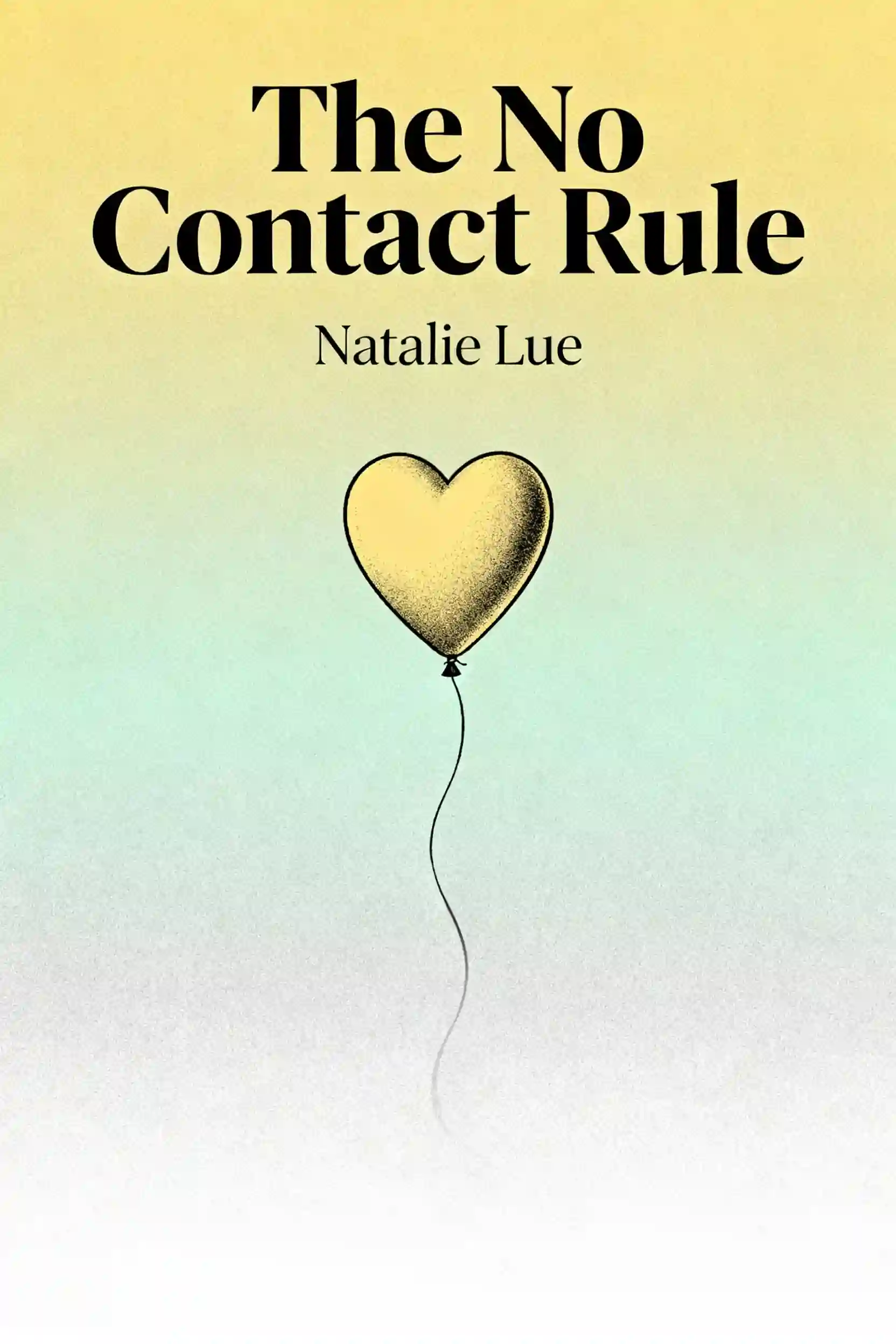
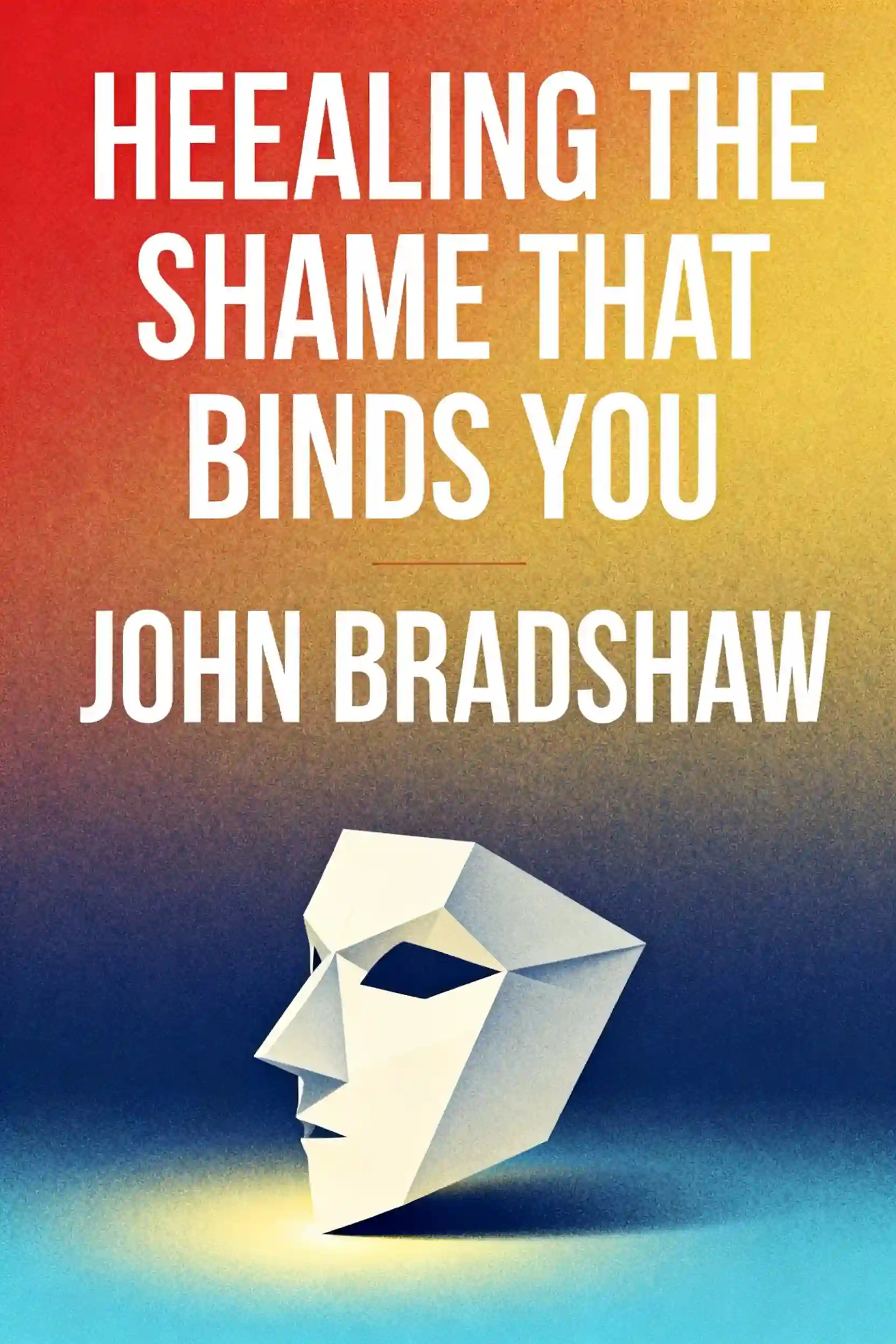
Foire aux questions
Guilt is a functional, action-oriented emotion that signals you have acted out of alignment with your values, often driving you to apologize or change your behavior. In contrast, shame is an identity-based emotion that moves from "I did something bad" to "I am bad." While guilt can lead to healing, shame often keeps individuals stuck in a loop of self-punishment and low self-esteem, making them more likely to repeat negative behaviors because they no longer believe they are capable of doing better.
Unconditional love can feel like high-pressure or a spotlight on one's flaws if the individual does not feel worthy of that love. In many cases, cheating is not about finding a "better" partner, but about seeking an escape from the intensity of being truly seen or the responsibility of being the "perfect" partner. This "affair self" allows the person to adopt a temporary identity that feels free from the baggage and expectations of their primary, committed relationship.
Research suggests that intense, paralyzing guilt can begin to soften in as little as eight to ten weeks. This improvement is contingent upon following a structured path for healing, which includes moving away from identity-based shame and toward a healthy sense of remorse that drives genuine internal change and integration of the "split-self."
The emotional process following a betrayal often mirrors the five stages of grief: denial, anger, bargaining, depression, and acceptance. These stages are rarely linear; a person might feel acceptance one day and return to bargaining—such as trying to punish themselves to "even the score"—the next. The ultimate goal is reaching acceptance, which means acknowledging the reality of the actions and their consequences without trying to rewrite the past.
While it may feel counterintuitive, maintaining contact to "check in" on a former partner often stems from a desire to soothe one's own guilt rather than helping the other person. True remorse involves prioritizing the betrayed partner's need for space to heal. By hovering, the person who cheated may inadvertently prevent both parties from moving forward, as their presence serves as a constant reminder of the pain caused.
Cree par des anciens de Columbia University a San Francisco
"Instead of endless scrolling, I just hit play on BeFreed. It saves me so much time."


"I never knew where to start with nonfiction—BeFreed’s book lists turned into podcasts gave me a clear path."


"Perfect balance between learning and entertainment. Finished ‘Thinking, Fast and Slow’ on my commute this week."
"Crazy how much I learned while walking the dog. BeFreed = small habits → big gains."
"Reading used to feel like a chore. Now it’s just part of my lifestyle."

"Feels effortless compared to reading. I’ve finished 6 books this month already."
"BeFreed turned my guilty doomscrolling into something that feels productive and inspiring."

"BeFreed turned my commute into learning time. 20-min podcasts are perfect for finishing books I never had time for."
"BeFreed replaced my podcast queue. Imagine Spotify for books — that’s it. 🙌"

"It is great for me to learn something from the book without reading it."
"The themed book list podcasts help me connect ideas across authors—like a guided audio journey."
"Makes me feel smarter every time before going to work"
 Ask ChatGPT
 Ask Claude
Cree par des anciens de Columbia University a San Francisco
"Instead of endless scrolling, I just hit play on BeFreed. It saves me so much time."
"I never knew where to start with nonfiction—BeFreed’s book lists turned into podcasts gave me a clear path."
"Perfect balance between learning and entertainment. Finished ‘Thinking, Fast and Slow’ on my commute this week."
"Crazy how much I learned while walking the dog. BeFreed = small habits → big gains."
"Reading used to feel like a chore. Now it’s just part of my lifestyle."
"Feels effortless compared to reading. I’ve finished 6 books this month already."
"BeFreed turned my guilty doomscrolling into something that feels productive and inspiring."
"BeFreed turned my commute into learning time. 20-min podcasts are perfect for finishing books I never had time for."
"BeFreed replaced my podcast queue. Imagine Spotify for books — that’s it. 🙌"
"It is great for me to learn something from the book without reading it."
"The themed book list podcasts help me connect ideas across authors—like a guided audio journey."
"Makes me feel smarter every time before going to work"
"Instead of endless scrolling, I just hit play on BeFreed. It saves me so much time."
"I never knew where to start with nonfiction—BeFreed’s book lists turned into podcasts gave me a clear path."
"Perfect balance between learning and entertainment. Finished ‘Thinking, Fast and Slow’ on my commute this week."
"Crazy how much I learned while walking the dog. BeFreed = small habits → big gains."
"Reading used to feel like a chore. Now it’s just part of my lifestyle."
"Feels effortless compared to reading. I’ve finished 6 books this month already."
"BeFreed turned my guilty doomscrolling into something that feels productive and inspiring."
"BeFreed turned my commute into learning time. 20-min podcasts are perfect for finishing books I never had time for."
"BeFreed replaced my podcast queue. Imagine Spotify for books — that’s it. 🙌"
"It is great for me to learn something from the book without reading it."
"The themed book list podcasts help me connect ideas across authors—like a guided audio journey."
"Makes me feel smarter every time before going to work"
"Instead of endless scrolling, I just hit play on BeFreed. It saves me so much time."
"I never knew where to start with nonfiction—BeFreed’s book lists turned into podcasts gave me a clear path."
"Perfect balance between learning and entertainment. Finished ‘Thinking, Fast and Slow’ on my commute this week."
"Crazy how much I learned while walking the dog. BeFreed = small habits → big gains."
"Reading used to feel like a chore. Now it’s just part of my lifestyle."
"Feels effortless compared to reading. I’ve finished 6 books this month already."
"BeFreed turned my guilty doomscrolling into something that feels productive and inspiring."
"BeFreed turned my commute into learning time. 20-min podcasts are perfect for finishing books I never had time for."
"BeFreed replaced my podcast queue. Imagine Spotify for books — that’s it. 🙌"
"It is great for me to learn something from the book without reading it."
"The themed book list podcasts help me connect ideas across authors—like a guided audio journey."
"Makes me feel smarter every time before going to work"