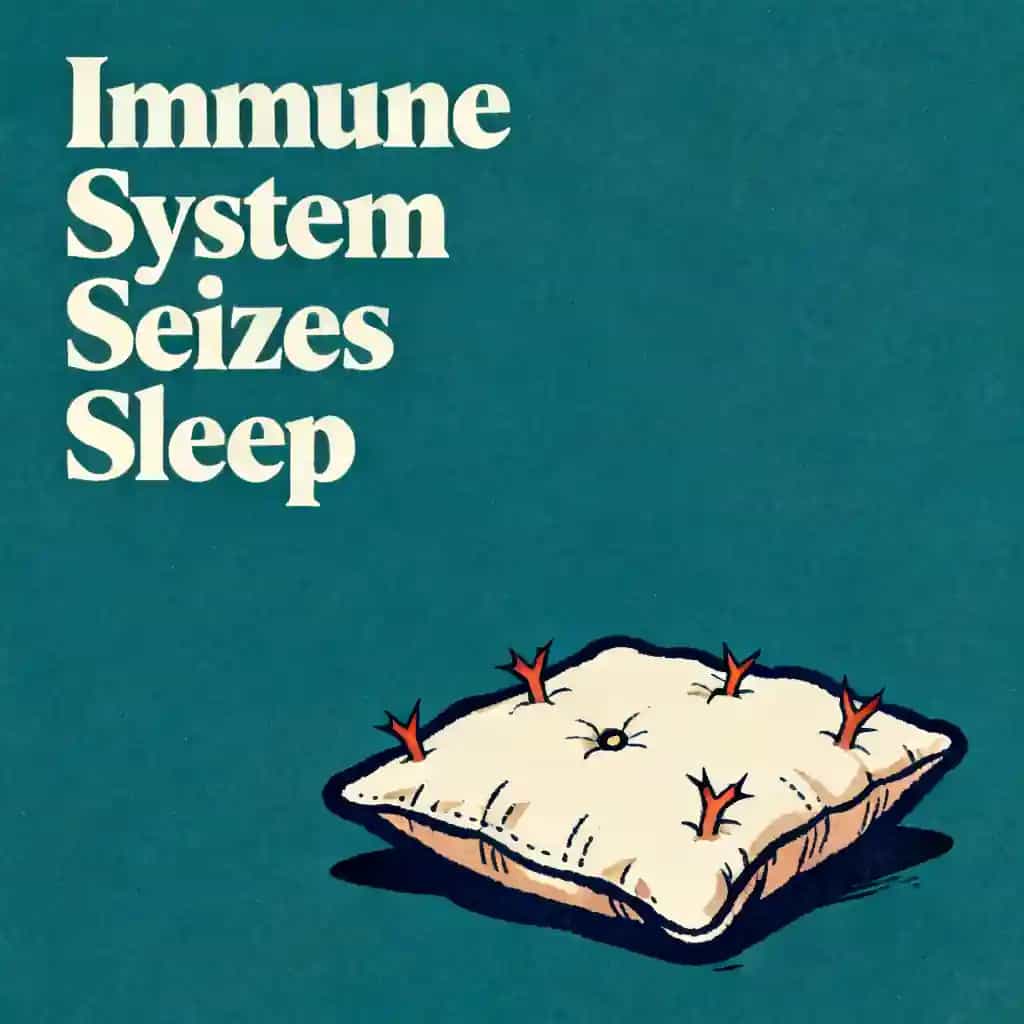
Meilleure citation de Decoding the Influenza Virus
Influenza is a constantly evolving family of viruses that have shaped human history; it is an evolutionary arms race where the virus tests new combinations to evade our immune systems.

Cette leçon audio a été créée par un membre de la communauté BeFreed
Teach me about the influenza virus.

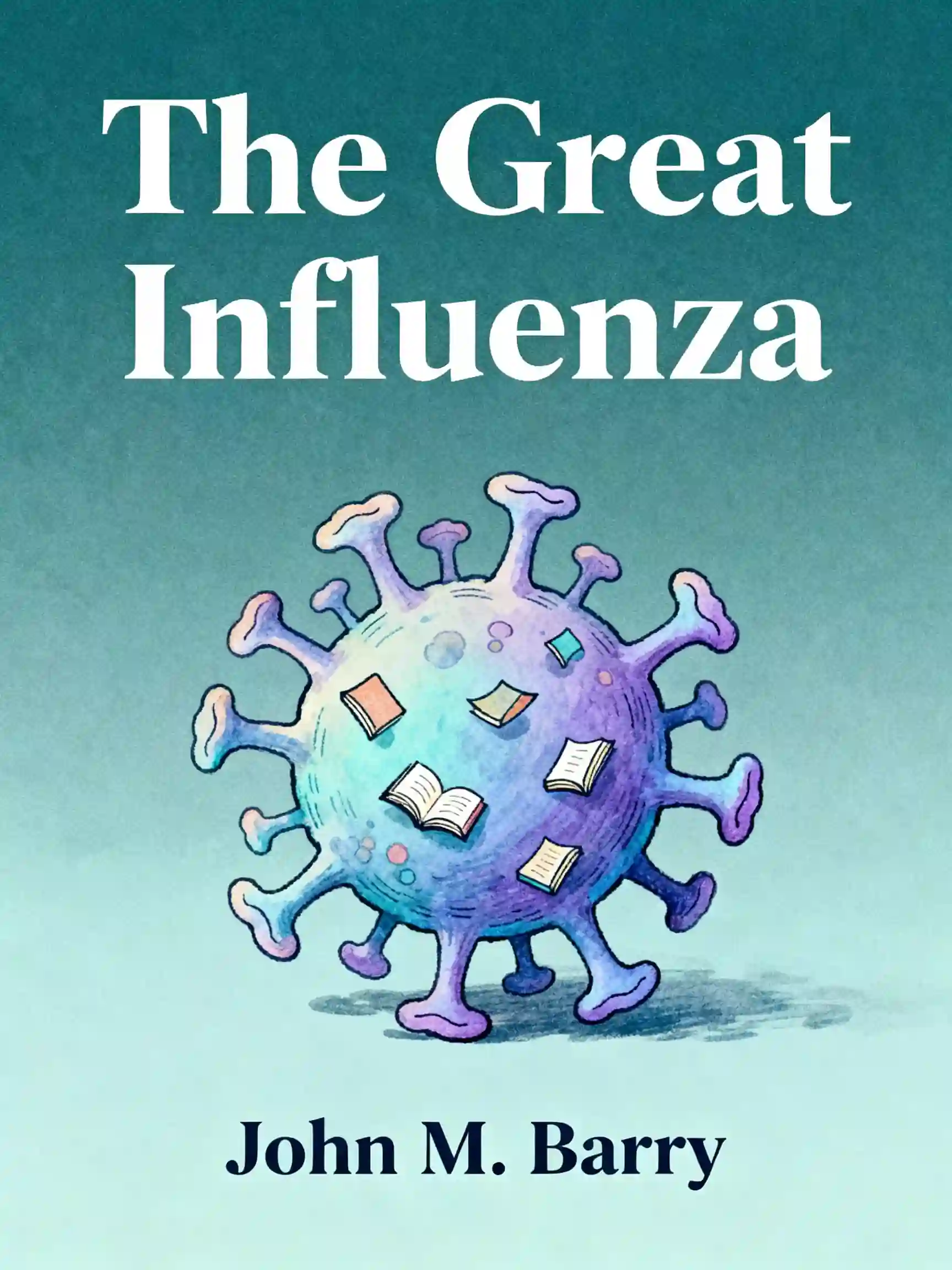
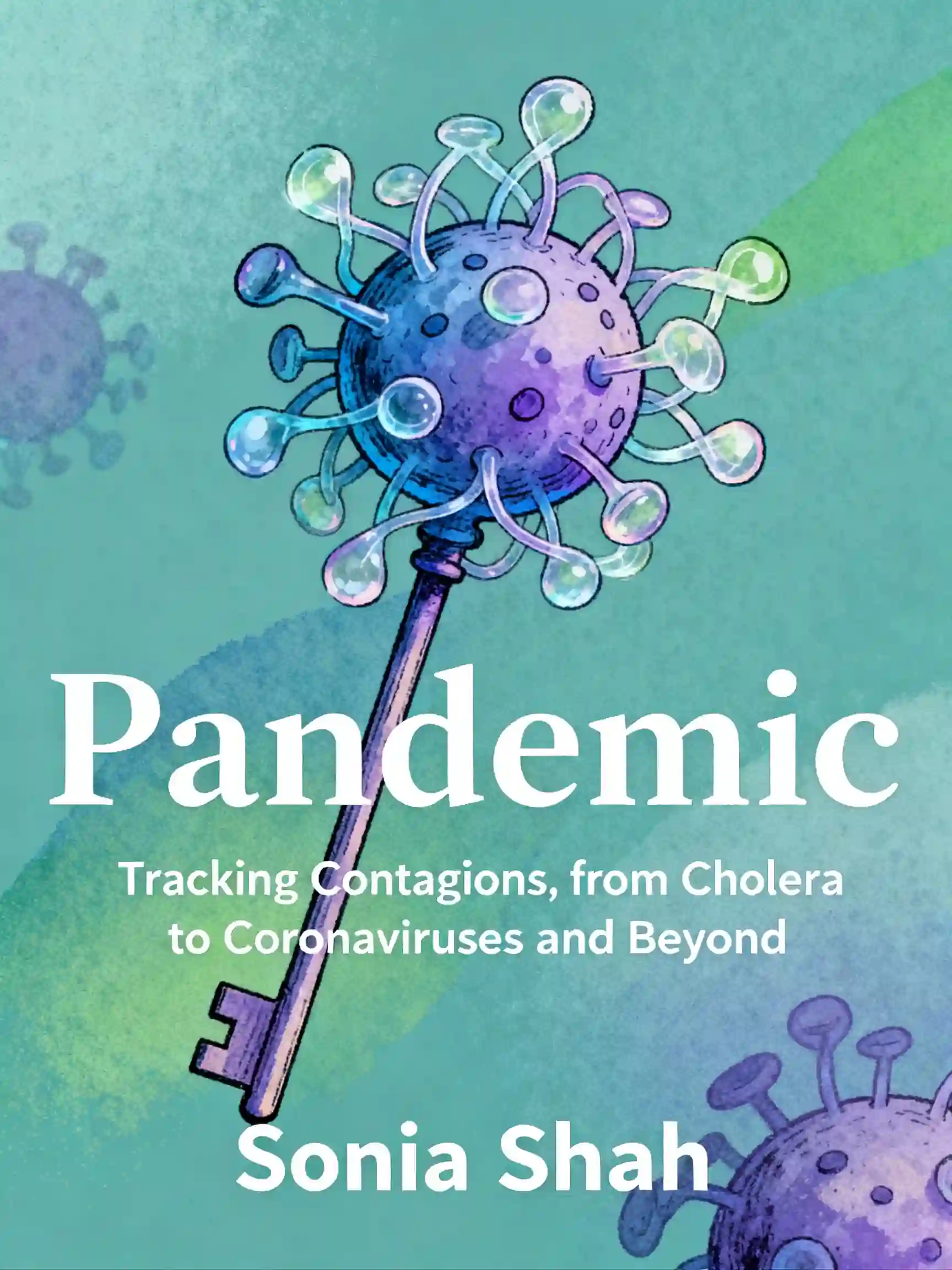
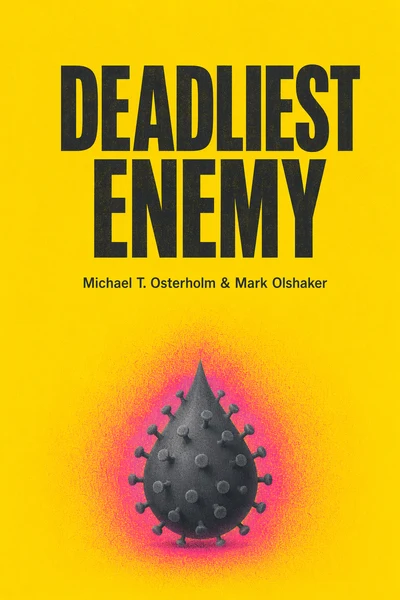
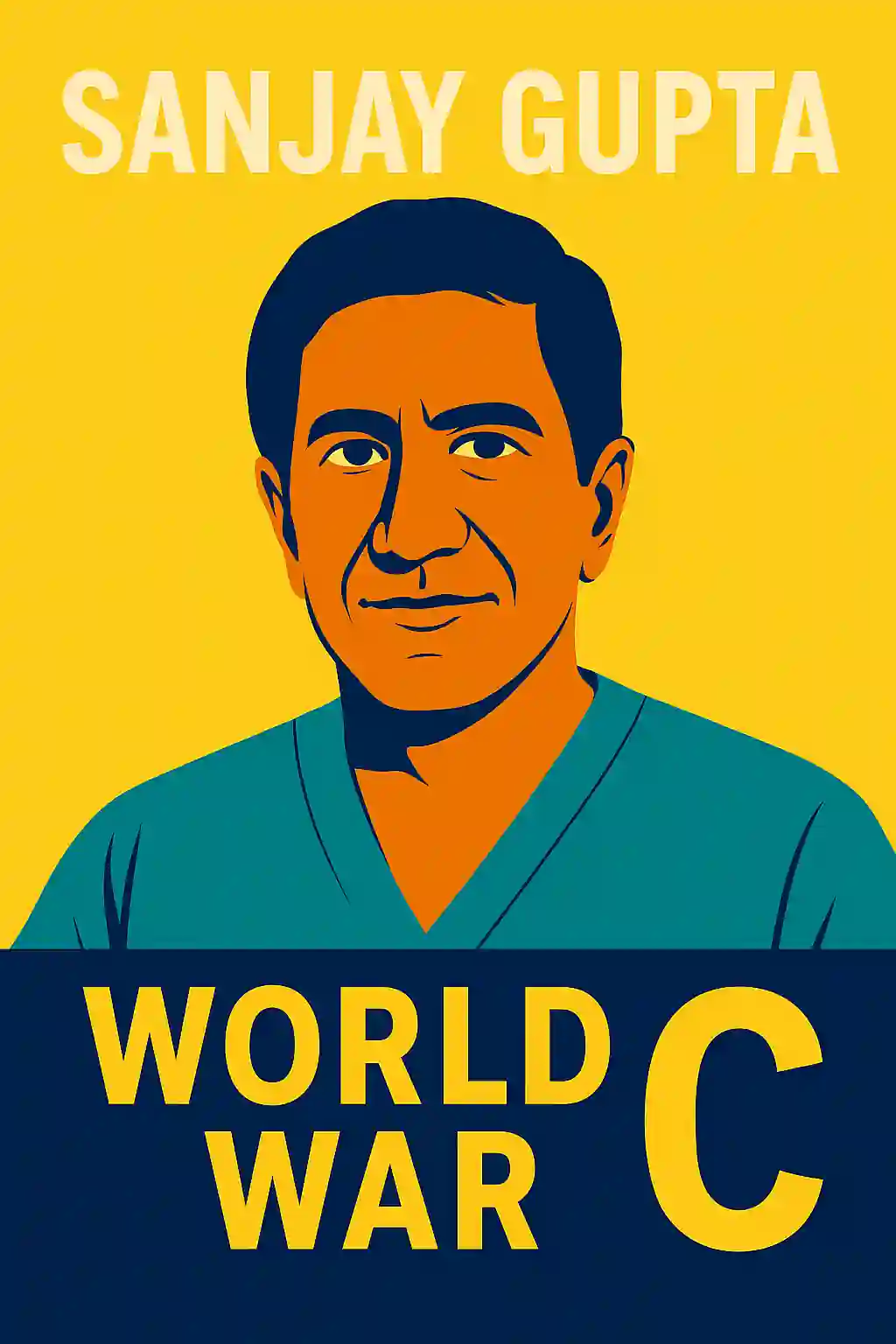
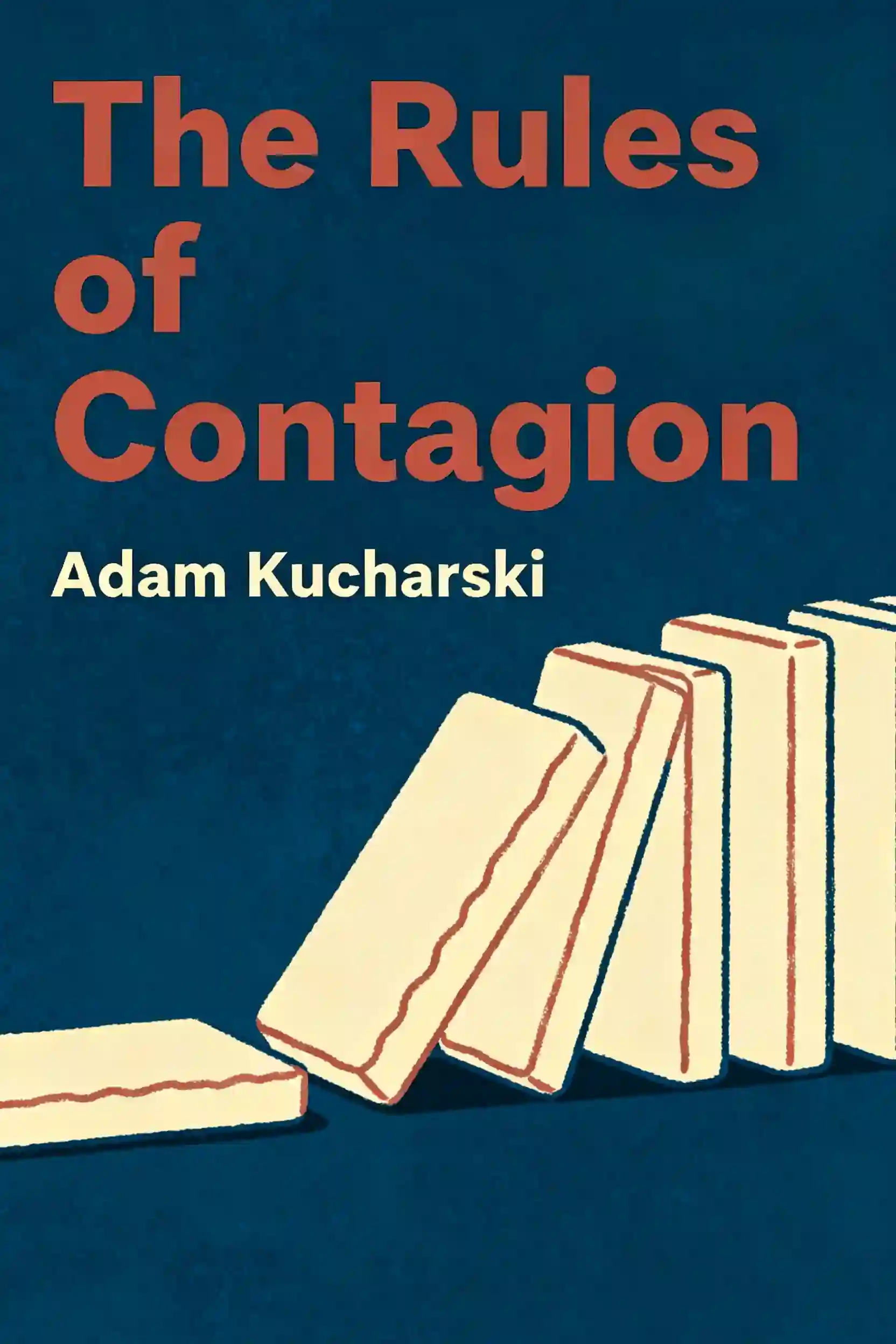
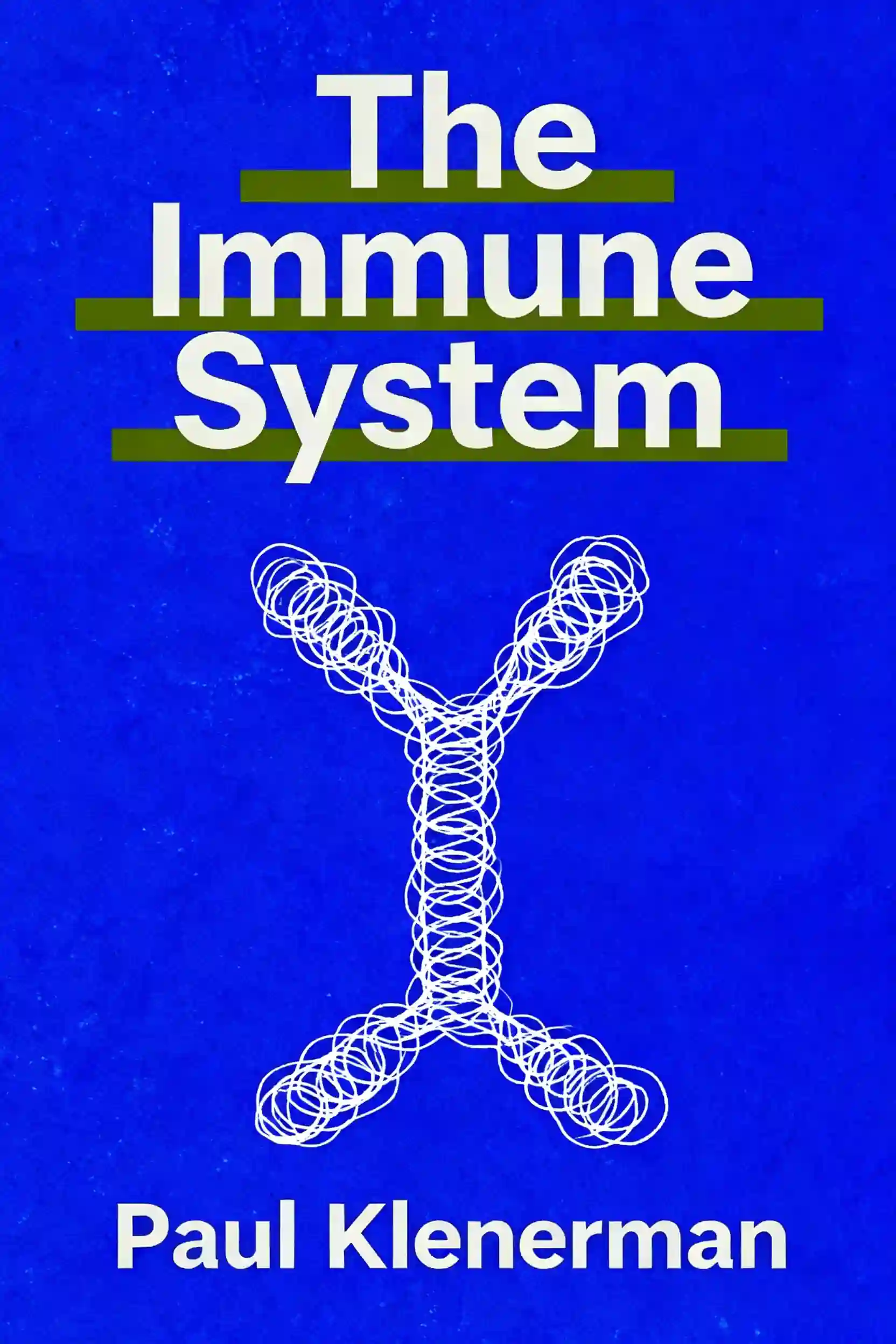
Découvrir plus

Hepatitis and the Immune System
This learning plan provides a deep dive into the complex interplay between viral pathogens and the body's immune defenses. It is essential for medical professionals and researchers seeking to master the diagnostic and therapeutic nuances of both infectious and autoimmune liver diseases.
Decode Flirting Signals
Understanding flirting signals is a crucial life skill that can transform your dating confidence and help you navigate romantic situations with clarity. This learning plan is ideal for anyone who struggles to recognize when someone is interested in them, wants to improve their dating success, or simply wishes to better understand the subtle dynamics of human attraction and connection.

Molecular Logic of the Synapse
This learning plan provides a deep dive into the fundamental biophysics and biochemistry that drive neural communication. It is ideal for students of neuroscience, biochemistry, or pharmacology looking to understand how the brain processes sensory data and how toxins disrupt these vital pathways.

The Liver Under Siege
This learning plan is essential for medical students and healthcare professionals seeking to master the complexities of Autoimmune Hepatitis. It bridges the gap between molecular immunology and clinical diagnostics, providing a comprehensive look at how the body's defenses turn against the liver.

Biology Foundations and Exam Success
This learning plan provides a comprehensive overview of biological principles, from microscopic cellular functions to macroscopic ecological systems. It is ideal for students preparing for exams or science enthusiasts seeking a structured foundation in life sciences.

Flirting physiology
Flirting is a fundamental human social skill that blends biology, psychology, and communication, yet most people never receive formal education in understanding attraction dynamics. This learning plan is ideal for anyone looking to improve their romantic confidence, decode social signals more accurately, or develop more authentic and effective ways to express interest in potential partners. Whether you're re-entering the dating world, want to enhance existing relationship skills, or simply understand the science behind human connection, this evidence-based approach demystifies attraction.

The Genetic Secret of Shrews
This learning plan explores the specialized co-evolution between North American shrews and host-specific fungi. It is ideal for biology students and researchers interested in phylogenetics, fungal genomics, and the hidden ecological relationships that drive evolutionary diversity.
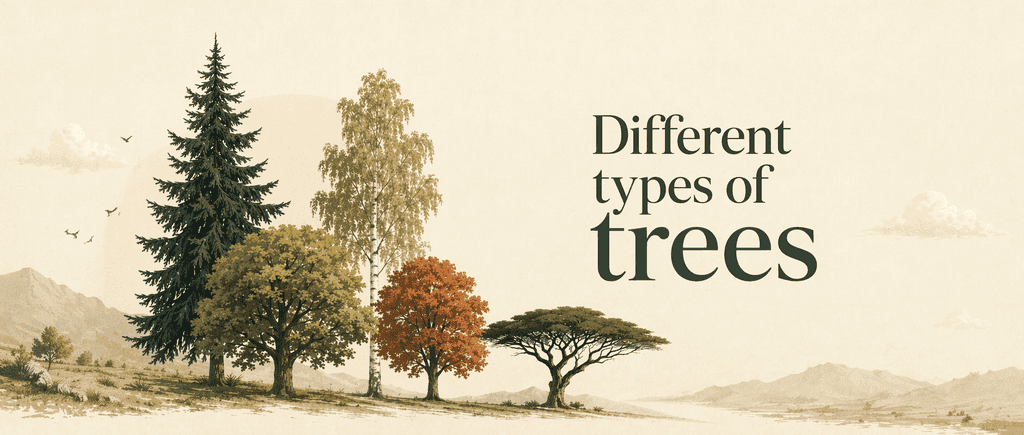
Different types of trees
This plan bridges the gap between scientific identification and deep ecological understanding. It is ideal for aspiring naturalists, outdoor educators, or anyone seeking to reconnect with the environment through both biological and cultural lenses.
Cree par des anciens de Columbia University a San Francisco
"Instead of endless scrolling, I just hit play on BeFreed. It saves me so much time."


"I never knew where to start with nonfiction—BeFreed’s book lists turned into podcasts gave me a clear path."


"Perfect balance between learning and entertainment. Finished ‘Thinking, Fast and Slow’ on my commute this week."
"Crazy how much I learned while walking the dog. BeFreed = small habits → big gains."
"Reading used to feel like a chore. Now it’s just part of my lifestyle."

"Feels effortless compared to reading. I’ve finished 6 books this month already."
"BeFreed turned my guilty doomscrolling into something that feels productive and inspiring."

"BeFreed turned my commute into learning time. 20-min podcasts are perfect for finishing books I never had time for."
"BeFreed replaced my podcast queue. Imagine Spotify for books — that’s it. 🙌"

"It is great for me to learn something from the book without reading it."
"The themed book list podcasts help me connect ideas across authors—like a guided audio journey."
"Makes me feel smarter every time before going to work"
Cree par des anciens de Columbia University a San Francisco
"Instead of endless scrolling, I just hit play on BeFreed. It saves me so much time."
"I never knew where to start with nonfiction—BeFreed’s book lists turned into podcasts gave me a clear path."
"Perfect balance between learning and entertainment. Finished ‘Thinking, Fast and Slow’ on my commute this week."
"Crazy how much I learned while walking the dog. BeFreed = small habits → big gains."
"Reading used to feel like a chore. Now it’s just part of my lifestyle."
"Feels effortless compared to reading. I’ve finished 6 books this month already."
"BeFreed turned my guilty doomscrolling into something that feels productive and inspiring."
"BeFreed turned my commute into learning time. 20-min podcasts are perfect for finishing books I never had time for."
"BeFreed replaced my podcast queue. Imagine Spotify for books — that’s it. 🙌"
"It is great for me to learn something from the book without reading it."
"The themed book list podcasts help me connect ideas across authors—like a guided audio journey."
"Makes me feel smarter every time before going to work"
"Instead of endless scrolling, I just hit play on BeFreed. It saves me so much time."
"I never knew where to start with nonfiction—BeFreed’s book lists turned into podcasts gave me a clear path."
"Perfect balance between learning and entertainment. Finished ‘Thinking, Fast and Slow’ on my commute this week."
"Crazy how much I learned while walking the dog. BeFreed = small habits → big gains."
"Reading used to feel like a chore. Now it’s just part of my lifestyle."
"Feels effortless compared to reading. I’ve finished 6 books this month already."
"BeFreed turned my guilty doomscrolling into something that feels productive and inspiring."
"BeFreed turned my commute into learning time. 20-min podcasts are perfect for finishing books I never had time for."
"BeFreed replaced my podcast queue. Imagine Spotify for books — that’s it. 🙌"
"It is great for me to learn something from the book without reading it."
"The themed book list podcasts help me connect ideas across authors—like a guided audio journey."
"Makes me feel smarter every time before going to work"
"Instead of endless scrolling, I just hit play on BeFreed. It saves me so much time."
"I never knew where to start with nonfiction—BeFreed’s book lists turned into podcasts gave me a clear path."
"Perfect balance between learning and entertainment. Finished ‘Thinking, Fast and Slow’ on my commute this week."
"Crazy how much I learned while walking the dog. BeFreed = small habits → big gains."
"Reading used to feel like a chore. Now it’s just part of my lifestyle."
"Feels effortless compared to reading. I’ve finished 6 books this month already."
"BeFreed turned my guilty doomscrolling into something that feels productive and inspiring."
"BeFreed turned my commute into learning time. 20-min podcasts are perfect for finishing books I never had time for."
"BeFreed replaced my podcast queue. Imagine Spotify for books — that’s it. 🙌"
"It is great for me to learn something from the book without reading it."
"The themed book list podcasts help me connect ideas across authors—like a guided audio journey."
"Makes me feel smarter every time before going to work"