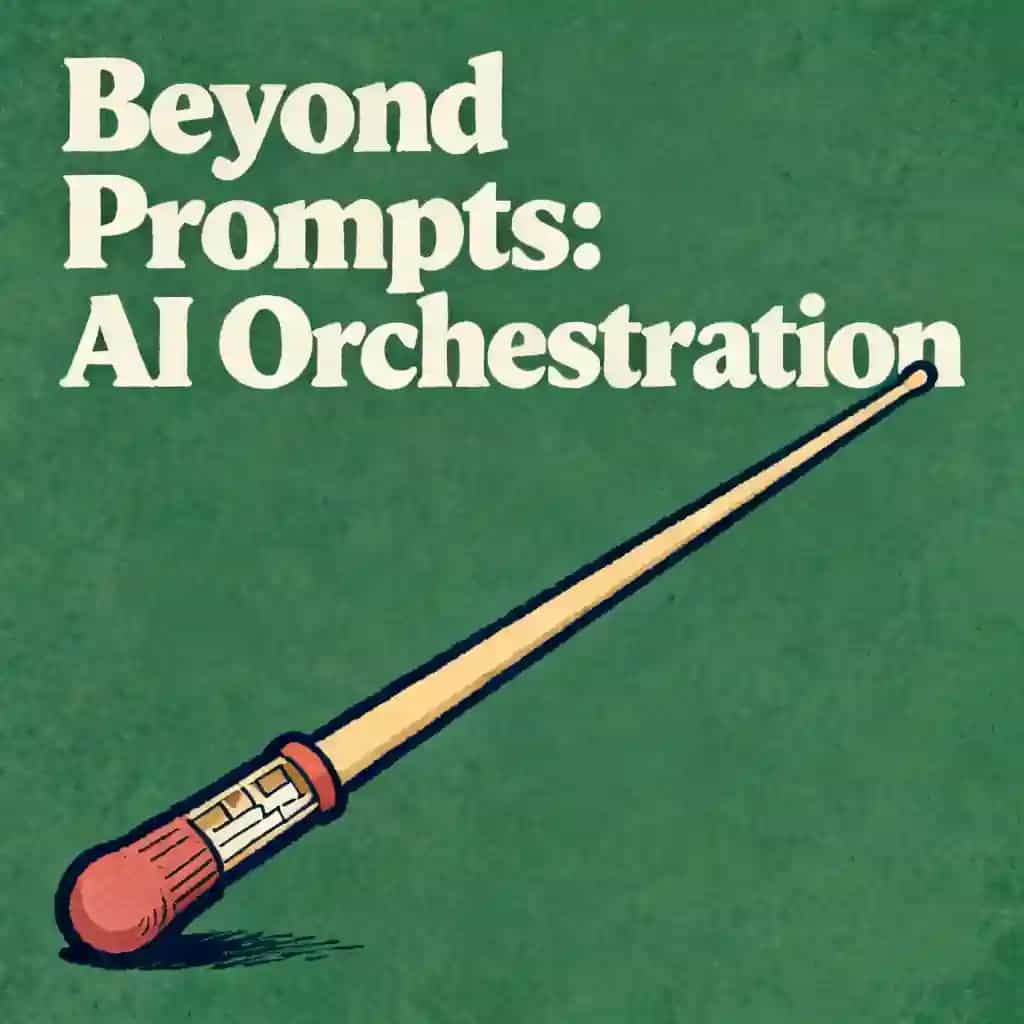
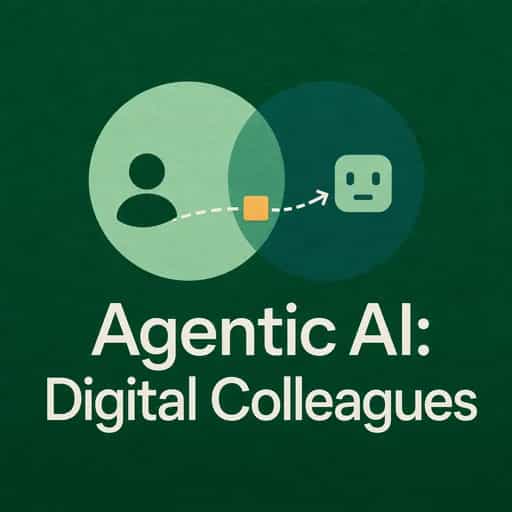
Explore the logic of cognitive architecture in Agentic AI. Learn why execution topology and design patterns like Orchestrator-Workers define agent performance.

The shift from a simple LLM to a true language agent happens when you move from 'talking to a model' to 'architecting a system' that can manage its own internal state, reason through problems, and take actions that change the world around it.
Core architecture and patterns of agentic AI and agent orchestration, focusing on conceptual theory and logic.


Execution topology refers to the wiring diagram or the flow of data between prompts, while cognitive architecture focuses on the internal cognitive functions and logic of the agent's mind. Understanding this distinction is crucial because two systems may look identical on a flowchart but possess entirely different failure modes and scaling properties. Effective AI agent design requires moving beyond simple data flow to understand how a system plans, verifies, and processes information.
The Orchestrator-Workers model is a foundational design pattern that is often misunderstood as a single approach. In reality, it encompasses three different patterns in disguise, each dictated by the laws of pattern selection. By analyzing these patterns, developers can determine the appropriate level of LLM reasoning and structural complexity required for a specific task. This structural superiority allows agents to be more effective rather than just faster at executing prompts.
Pattern selection is governed by the laws of logic and the specific time budget available for a task. It dictates exactly how much reasoning an agent can afford to perform during its cognitive process. By selecting the right pattern, designers can balance the underlying logic of memory storage and decision-making with the practical constraints of the execution topology. This ensures that the agentic system is optimized for its specific cognitive function rather than just chaining prompts together.
Cree par des anciens de Columbia University a San Francisco
"Instead of endless scrolling, I just hit play on BeFreed. It saves me so much time."
"I never knew where to start with nonfiction—BeFreed’s book lists turned into podcasts gave me a clear path."
"Perfect balance between learning and entertainment. Finished ‘Thinking, Fast and Slow’ on my commute this week."
"Crazy how much I learned while walking the dog. BeFreed = small habits → big gains."
"Reading used to feel like a chore. Now it’s just part of my lifestyle."
"Feels effortless compared to reading. I’ve finished 6 books this month already."
"BeFreed turned my guilty doomscrolling into something that feels productive and inspiring."
"BeFreed turned my commute into learning time. 20-min podcasts are perfect for finishing books I never had time for."
"BeFreed replaced my podcast queue. Imagine Spotify for books — that’s it. 🙌"
"It is great for me to learn something from the book without reading it."
"The themed book list podcasts help me connect ideas across authors—like a guided audio journey."
"Makes me feel smarter every time before going to work"
Cree par des anciens de Columbia University a San Francisco