Two Scoops of Django: Best Practices for Django 1.8

Aperçu de Two Scoops of Django
The definitive Django guide that revolutionized web development practices. Endorsed by Python community leaders and shaped by Malcolm Tredinnick's legendary influence, this book has become the secret weapon for developers worldwide. Why do Django experts consider it mandatory reading before touching production code?
- Structure Django projects using the “Fat Models, Helper Functions, Stupid Views” pattern for maintainability.
- Avoid wildcard imports like
from django.forms import *to prevent namespace pollution and hidden bugs. - Optimize database performance with selective indexes and Django ORM’s
select_related/prefetch_relatedmethods. - Separate business logic from views using service layers or manager classes to reduce code complexity.
- Secure Django projects by validating all user inputs and using built-in security middleware effectively.
- Manage environment-specific configurations with separate settings files and
python-dotenvfor secrets. - Leverage Django REST Framework for API development while implementing strict rate-limiting and versioning.
- Replace generic foreign keys with explicit relationships to maintain database integrity and query efficiency.
- Automate testing using pytest-django and focus on high-value integration tests over excessive unit tests.
- Implement atomic transactions for HTTP requests to prevent partial database updates during failures.
- Use Django’s built-in logging configuration to monitor production errors without compromising performance.
- Avoid template anti-patterns by keeping logic in views and using custom template tags judiciously.
À propos de l'auteur de Two Scoops of Django
Daniel Roy Greenfeld and Audrey Roy Greenfeld are the acclaimed co-authors of Two Scoops of Django: Best Practices for Django 3.x, recognized as essential reading for Python/Django developers worldwide. As seasoned software engineers and open-source contributors, they combine decades of technical expertise with a knack for transforming complex concepts into actionable guidance. Their ice cream-themed technical guide—praised for its accessible tone and practical approach—has become a staple for developers refining Django project architecture, security, and scalability.
Daniel, known as "PyDanny" in the developer community, also writes fantasy novels like Into the Brambles and the Ambria series, blending mythological influences with intricate worldbuilding. Audrey, a frequent conference speaker, co-founded the Django Packages resource directory. Together, they maintain the Feldroy blog and contribute to Django REST Framework documentation.
Two Scoops of Django has sold tens of thousands of copies across multiple editions since 2013, consistently ranking among the top Django books on technical platforms. Their work is cited in official Django documentation and recommended by core framework contributors.
FAQ sur Two Scoops of Django
What is "Two Scoops of Django" about?
Two Scoops of Django by Daniel and Audrey Roy Greenfeld is a comprehensive guide to Django best practices, offering actionable advice for building maintainable projects. It uses a fictional ice cream company case study to illustrate concepts like project structure, ORM optimization, security, testing, and deployment. The 500-page book covers 35+ topics, including Django REST Framework, async tasks, and third-party package integration.
Who should read "Two Scoops of Django"?
This book targets intermediate Django developers familiar with the framework’s basics but seeking to adopt industry-standard patterns. It’s ideal for engineers refining project architecture, teams enforcing coding standards, or developers preparing scalable applications for production.
Is "Two Scoops of Django" worth reading?
Yes, the book is highly recommended for its practical, example-driven approach to Django best practices. Reviewers praise its coverage of real-world scenarios, anti-pattern avoidance, and updated editions aligning with Django versions. The blend of humor and structured guidance makes complex concepts accessible.
Who are the authors of "Two Scoops of Django"?
Daniel and Audrey Roy Greenfeld are Django experts with extensive industry experience, including roles at NASA and open-source contributions. Their combined technical expertise and teaching focus ensure the book’s balance of depth and readability.
What are the key Django best practices in the book?
The book emphasizes “fat models, thin views, stupid templates,” project structure standardization, and environment-specific settings management. It advocates for explicit over implicit code, secure deployment configurations, and systematic testing strategies. Anti-pattern examples like hardcoded paths or wildcard imports are highlighted as pitfalls to avoid.
How does "Two Scoops of Django" handle project structure?
It recommends modular app design, segregated settings files (e.g., base.py, production.py), and requirements.txt organization. The authors discourage placing virtual environments inside project folders and promote reusable utility modules over bloated views.
What testing strategies does the book recommend?
The book covers unit testing, integration testing, and tools like pytest-django. It stresses test isolation, mocking external APIs, and leveraging Django’s test client for web request simulation. Testing anti-patterns like overscoped test cases are critiqued.
How does "Two Scoops of Django" approach security?
Security practices include CSRF protection, XSS mitigation via template autoescaping, and proper cookie configuration. The book advises against storing secrets in version control and demonstrates HTTPS setup, password hashing, and permission management.
What deployment strategies are covered?
Deployment chapters detail server configuration (e.g., Gunicorn/Nginx), database optimization, and CI/CD pipelines. The authors emphasize monitoring, logging, and error-tracking tools like Sentry. Cloud platforms (AWS, Heroku) and containerization basics are also addressed.
How does the book handle Django REST Framework?
It provides patterns for API versioning, serializer validation, and authentication (JWT/OAuth). The authors recommend throttling for rate limits, Swagger/OpenAPI documentation, and client-library integration tips. Common pitfalls like N+1 queries in serializers are discussed.
What are common critiques of "Two Scoops of Django"?
Some reviewers note the book’s density and occasional whitespace inefficiency. However, these are outweighed by its practicality, with most considering it indispensable post-official-tutorial material. The structured examples and humor are widely praised.
How do "Two Scoops" editions differ across Django versions?
Each edition updates examples and recommendations for newer Django releases (e.g., 1.11 vs 3.x). The 3.x version expands async support, Django REST Framework enhancements, and modern tooling (Docker, GitHub Actions). Core principles remain consistent, making prior editions useful for legacy projects.
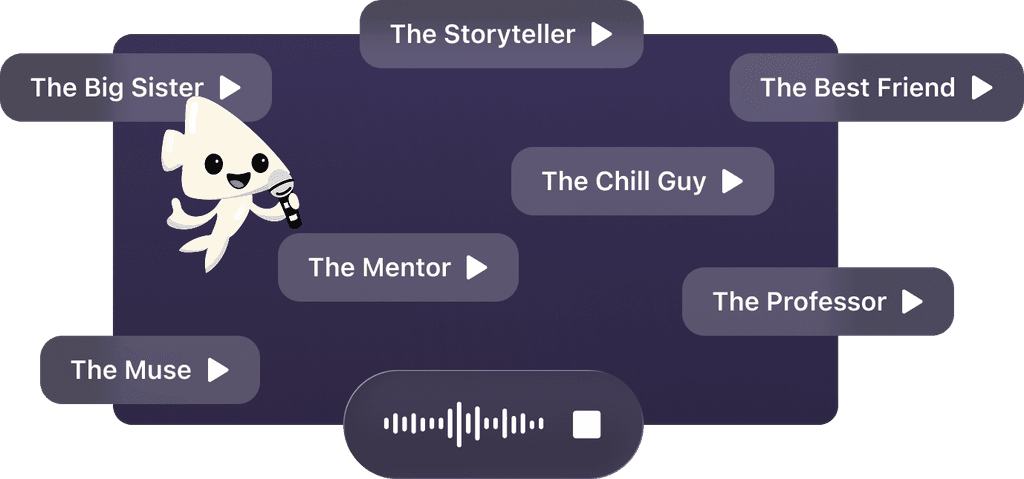
Ressentez le livre à travers la voix de l'auteur
Transformez les connaissances en idées captivantes et riches en exemples
Capturez les idées clés en un éclair pour un apprentissage rapide
Profitez du livre de manière ludique et engageante
Personnages de Two Scoops of Django
- Daniel Roy GreenfeldCo-author and expert Django developer
- Audrey Roy GreenfeldCo-author and expert Django developer
- Guido van RossumCreator of Python who provided commentary
Thèmes clés dans Two Scoops of Django
- django best practices
- python web architecture
- project structure optimization
- production environment configuration
- clean code standards
Citations de Two Scoops of Django
Writing clear, consistent code makes maintenance easier.
Always use version control for Django projects.
Docker lets you quickly set up environments matching production configurations.
Smaller, focused apps are easier to maintain, test, and reuse than large ones.
Explorez Votre Façon d'Apprendre
 Mode Résumé Rapide
Lisez ou écoutez le résumé de Two Scoops of Django en 8 minutes
Décomposez les idées clés de Two Scoops of Django en points faciles à comprendre pour découvrir comment les équipes innovantes créent, collaborent et grandissent.

 Mode Fun
Leçons de Two Scoops of Django Racontées en Histoires de 18 Min
Découvrez Two Scoops of Django à travers des récits vivants qui transforment les leçons d'innovation en moments mémorables et applicables.
 Mode Personnaliser
Découvrez Two Scoops of Django dans votre propre style d’apprentissage
Posez vos questions, choisissez votre style d’apprentissage et co-créez des idées qui vous correspondent vraiment.
Cree par des anciens de Columbia University a San Francisco
"Instead of endless scrolling, I just hit play on BeFreed. It saves me so much time."


"I never knew where to start with nonfiction—BeFreed’s book lists turned into podcasts gave me a clear path."


"Perfect balance between learning and entertainment. Finished ‘Thinking, Fast and Slow’ on my commute this week."
"Crazy how much I learned while walking the dog. BeFreed = small habits → big gains."
"Reading used to feel like a chore. Now it’s just part of my lifestyle."

"Feels effortless compared to reading. I’ve finished 6 books this month already."
"BeFreed turned my guilty doomscrolling into something that feels productive and inspiring."

"BeFreed turned my commute into learning time. 20-min podcasts are perfect for finishing books I never had time for."
"BeFreed replaced my podcast queue. Imagine Spotify for books — that’s it. 🙌"

"It is great for me to learn something from the book without reading it."
"The themed book list podcasts help me connect ideas across authors—like a guided audio journey."
"Makes me feel smarter every time before going to work"
Cree par des anciens de Columbia University a San Francisco
"Instead of endless scrolling, I just hit play on BeFreed. It saves me so much time."
"I never knew where to start with nonfiction—BeFreed’s book lists turned into podcasts gave me a clear path."
"Perfect balance between learning and entertainment. Finished ‘Thinking, Fast and Slow’ on my commute this week."
"Crazy how much I learned while walking the dog. BeFreed = small habits → big gains."
"Reading used to feel like a chore. Now it’s just part of my lifestyle."
"Feels effortless compared to reading. I’ve finished 6 books this month already."
"BeFreed turned my guilty doomscrolling into something that feels productive and inspiring."
"BeFreed turned my commute into learning time. 20-min podcasts are perfect for finishing books I never had time for."
"BeFreed replaced my podcast queue. Imagine Spotify for books — that’s it. 🙌"
"It is great for me to learn something from the book without reading it."
"The themed book list podcasts help me connect ideas across authors—like a guided audio journey."
"Makes me feel smarter every time before going to work"
"Instead of endless scrolling, I just hit play on BeFreed. It saves me so much time."
"I never knew where to start with nonfiction—BeFreed’s book lists turned into podcasts gave me a clear path."
"Perfect balance between learning and entertainment. Finished ‘Thinking, Fast and Slow’ on my commute this week."
"Crazy how much I learned while walking the dog. BeFreed = small habits → big gains."
"Reading used to feel like a chore. Now it’s just part of my lifestyle."
"Feels effortless compared to reading. I’ve finished 6 books this month already."
"BeFreed turned my guilty doomscrolling into something that feels productive and inspiring."
"BeFreed turned my commute into learning time. 20-min podcasts are perfect for finishing books I never had time for."
"BeFreed replaced my podcast queue. Imagine Spotify for books — that’s it. 🙌"
"It is great for me to learn something from the book without reading it."
"The themed book list podcasts help me connect ideas across authors—like a guided audio journey."
"Makes me feel smarter every time before going to work"
"Instead of endless scrolling, I just hit play on BeFreed. It saves me so much time."
"I never knew where to start with nonfiction—BeFreed’s book lists turned into podcasts gave me a clear path."
"Perfect balance between learning and entertainment. Finished ‘Thinking, Fast and Slow’ on my commute this week."
"Crazy how much I learned while walking the dog. BeFreed = small habits → big gains."
"Reading used to feel like a chore. Now it’s just part of my lifestyle."
"Feels effortless compared to reading. I’ve finished 6 books this month already."
"BeFreed turned my guilty doomscrolling into something that feels productive and inspiring."
"BeFreed turned my commute into learning time. 20-min podcasts are perfect for finishing books I never had time for."
"BeFreed replaced my podcast queue. Imagine Spotify for books — that’s it. 🙌"
"It is great for me to learn something from the book without reading it."
"The themed book list podcasts help me connect ideas across authors—like a guided audio journey."
"Makes me feel smarter every time before going to work"

Telecharger le resume de Two Scoops of Django
Obtenez le resume de Two Scoops of Django en PDF ou EPUB gratuit. Imprimez-le ou lisez-le hors ligne a tout moment.