Mind of the Artist: Personality and the Drive to Create

Aperçu de Mind of the Artist
Dive into the psyche of creativity as renowned psychobiographer Schultz debunks the "tortured artist" myth. Analyzing Frida Kahlo, David Bowie, and John Lennon, he reveals why artists experience life more intensely. What personality trait connects all creative geniuses? The answer will transform how you view artistic minds.
- Artistic genius often emerges from psychological complexity and unresolved inner conflicts.
- The artist's mind transforms personal trauma into universal creative expression.
- True artistic innovation requires confronting existential fears and societal rejection.
- William Todd Schultz reveals how trauma shapes creative vision across mediums.
- Self-destructive tendencies frequently coexist with extraordinary creative output in artists.
- Understanding mental health depths unlocks true artistic interpretation and biographical analysis.
- The psychobiographical lens exposes hidden connections between life experience and art.
- Iconic artists achieve mastery through obsessive focus and emotional vulnerability.
- Creative breakthroughs often follow periods of intense psychological turmoil and self-doubt.
- Schultz demonstrates how artistic legacy stems from authentic emotional truth-telling.
- The artist's struggle balances perfectionism with radical self-exposure in creative work.
- Interpreting art demands understanding the creator's unconscious motivations and private symbolism.
À propos de l'auteur de Mind of the Artist
William Todd Schultz, author of The Mind of the Artist, is a psychologist, psychobiographer, and professor renowned for his penetrating studies of artistic genius. Specializing in the intersection of psychology and creativity, Schultz examines themes of trauma, motivation, and the complexities of artistic identity.
A professor at Pacific University, he draws on decades of research to analyze how artists like Truman Capote, Diane Arbus, and Elliott Smith channel personal struggles into transformative work. His prior books—Tiny Terror: Why Truman Capote (Almost) Wrote Answered Prayers, An Emergency in Slow Motion: The Inner Life of Diane Arbus, and Torment Saint: The Life of Elliott Smith—have been praised by The LA Times, Vanity Fair, and NPR for their psychological depth.
Schultz curates Oxford University Press’s Inner Lives series, profiling figures from Bob Dylan to Gloria Steinem, and contributes to Psychology Today, Salon, and The Spectator. Awarded the Erikson Prize for Mental Health Media, his work is taught in psychology curricula and cited in cultural critiques worldwide.
The Mind of the Artist reflects his career-long focus on decoding creative minds, merging clinical insight with vivid storytelling.
FAQ sur Mind of the Artist
What is The Mind of the Artist by William Todd Schultz about?
The Mind of the Artist explores how personality traits like openness, neuroticism, and conscientiousness shape artistic creativity. Schultz analyzes iconic figures like Jackson Pollock and Amy Winehouse, linking their psychological profiles to groundbreaking work. The book challenges the "tortured artist" stereotype while highlighting how trauma and openness drive innovation in art, music, and literature.
Who should read The Mind of the Artist?
Creatives seeking to understand their process, psychology enthusiasts, and art lovers will gain value. It benefits those grappling with self-doubt by demystifying the link between mental health and creativity. Educators and therapists working with artists will also find actionable insights into nurturing talent.
Is The Mind of the Artist worth reading?
Yes—it combines rigorous psychology research with vivid case studies, offering a fresh perspective on creativity. Unlike superficial analyses, Schultz’s psychobiographical approach reveals how traits like openness fuel artistic invention, making it essential for understanding the intersection of personality and art.
What are the main ideas in The Mind of the Artist?
- Openness: The critical trait driving curiosity and novel experiences.
- Trauma as catalyst: How pain transforms into creative output.
- Myth-busting: Not all artists are emotionally unstable; conscientiousness balances chaos.
- Case studies: Pollock’s evolution and Miles Davis’ improvisational genius exemplify these themes.
How does William Todd Schultz define "openness" in creativity?
Schultz identifies openness as the "holy grail" of creativity—a trait marked by emotional sensitivity, intellectual curiosity, and receptivity to unconventional ideas. High-open individuals, like John Coltrane, repress less and channel raw feelings into art, making them prone to innovative breakthroughs.
What role does trauma play in artistic creativity according to the book?
Trauma acts as raw material for symbolic expression. Artists like Diane Arbus and Sylvia Plath repetitively reshape painful experiences into aesthetic forms, achieving catharsis and universal resonance. Schultz argues trauma isn’t mandatory but often fuels the drive to create.
How does The Mind of the Artist challenge the "tortured genius" stereotype?
Schultz cites research showing stable, conscientious artists like Georgia O’Keeffe thrive alongside troubled figures. Neuroticism may spark creativity, but balancing it with discipline determines sustained success—debunking the myth that suffering alone defines artistic greatness.
What case studies are featured in The Mind of the Artist?
- Jackson Pollock: Transition from figurative art to drip paintings.
- Amy Winehouse: Channeling personal turmoil into soulful lyrics.
- Miles Davis: Transforming mistakes into jazz innovations.
- Diane Arbus: Photographic focus on marginalized subjects.
How does The Mind of the Artist compare to other creativity books?
Unlike The Artist’s Way (focused on practice), Schultz’s work emphasizes psychological roots. It complements Flow by Mihaly Csikszentmihalyi but adds clinical depth via personality analysis, making it unique in linking traits to creative output.
What frameworks does Schultz use to analyze artists?
The Big Five personality model (openness, conscientiousness, etc.) and psychobiography—studying lives through psychological theory. This dual lens reveals patterns in how traits interact with life events to shape artistic choices.
Can The Mind of the Artist help non-artists understand creativity?
Absolutely. Its insights apply to entrepreneurship, problem-solving, and emotional resilience. By dissecting how openness and trauma drive innovation, Schultz offers tools for anyone seeking to harness creative thinking in daily life.
What criticisms exist about The Mind of the Artist?
Some argue it overemphasizes personality testing’s role in art. Critics note exceptions—artists with low openness but high technical skill—though Schultz acknowledges these outliers while defending openness as the dominant trait.
Why is The Mind of the Artist relevant in 2025?
As AI reshapes creative industries, the book’s human-centric focus on irreplicable traits like emotional depth offers a counterpoint. It also addresses rising mental health awareness by reframing artists’ struggles as nuanced, not destiny.
Ressentez le livre à travers la voix de l'auteur
Capturez les idées clés en un éclair pour un apprentissage rapide
Personnages de Mind of the Artist
- William Todd SchultzAuthor, psychologist, and artist
- Vincent van GoghPainter used as a case study for openness
- Haruki MurakamiNovelist used as a case study for routine
- Frida KahloPainter used as a case study for trauma
Thèmes clés dans Mind of the Artist
- sensory openness
- flow state mechanics
- trauma processing
- personality trait absorption
- creative psyche
Citations de Mind of the Artist
Art can serve as a way to process and transform traumatic experiences.
It's a process of imposing order on chaos, of finding patterns and meaning in the swirling maelstrom of their minds.
The same sensitivity that fuels their art can make everyday life feel intense and chaotic.
Too much structure can stifle creativity, while too little can lead to aimless wandering.
Explorez Votre Façon d'Apprendre
 Mode Résumé Rapide
Lisez ou écoutez le résumé de Mind of the Artist en 7 minutes
Décomposez les idées clés de Mind of the Artist en points faciles à comprendre pour découvrir comment les équipes innovantes créent, collaborent et grandissent.

 Mode Personnaliser
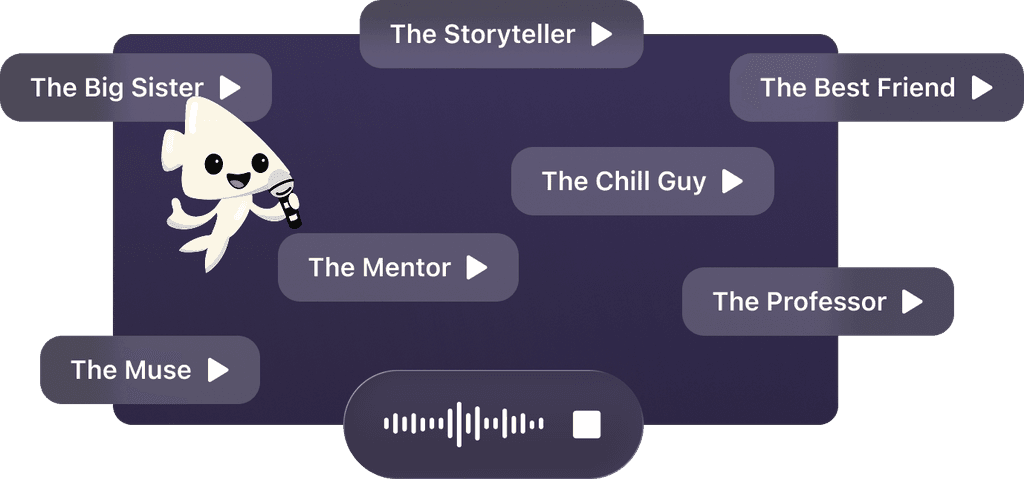
Découvrez Mind of the Artist dans votre propre style d’apprentissage
Posez vos questions, choisissez votre style d’apprentissage et co-créez des idées qui vous correspondent vraiment.
Cree par des anciens de Columbia University a San Francisco
"Instead of endless scrolling, I just hit play on BeFreed. It saves me so much time."


"I never knew where to start with nonfiction—BeFreed’s book lists turned into podcasts gave me a clear path."


"Perfect balance between learning and entertainment. Finished ‘Thinking, Fast and Slow’ on my commute this week."
"Crazy how much I learned while walking the dog. BeFreed = small habits → big gains."
"Reading used to feel like a chore. Now it’s just part of my lifestyle."

"Feels effortless compared to reading. I’ve finished 6 books this month already."
"BeFreed turned my guilty doomscrolling into something that feels productive and inspiring."

"BeFreed turned my commute into learning time. 20-min podcasts are perfect for finishing books I never had time for."
"BeFreed replaced my podcast queue. Imagine Spotify for books — that’s it. 🙌"

"It is great for me to learn something from the book without reading it."
"The themed book list podcasts help me connect ideas across authors—like a guided audio journey."
"Makes me feel smarter every time before going to work"
Cree par des anciens de Columbia University a San Francisco
"Instead of endless scrolling, I just hit play on BeFreed. It saves me so much time."
"I never knew where to start with nonfiction—BeFreed’s book lists turned into podcasts gave me a clear path."
"Perfect balance between learning and entertainment. Finished ‘Thinking, Fast and Slow’ on my commute this week."
"Crazy how much I learned while walking the dog. BeFreed = small habits → big gains."
"Reading used to feel like a chore. Now it’s just part of my lifestyle."
"Feels effortless compared to reading. I’ve finished 6 books this month already."
"BeFreed turned my guilty doomscrolling into something that feels productive and inspiring."
"BeFreed turned my commute into learning time. 20-min podcasts are perfect for finishing books I never had time for."
"BeFreed replaced my podcast queue. Imagine Spotify for books — that’s it. 🙌"
"It is great for me to learn something from the book without reading it."
"The themed book list podcasts help me connect ideas across authors—like a guided audio journey."
"Makes me feel smarter every time before going to work"
"Instead of endless scrolling, I just hit play on BeFreed. It saves me so much time."
"I never knew where to start with nonfiction—BeFreed’s book lists turned into podcasts gave me a clear path."
"Perfect balance between learning and entertainment. Finished ‘Thinking, Fast and Slow’ on my commute this week."
"Crazy how much I learned while walking the dog. BeFreed = small habits → big gains."
"Reading used to feel like a chore. Now it’s just part of my lifestyle."
"Feels effortless compared to reading. I’ve finished 6 books this month already."
"BeFreed turned my guilty doomscrolling into something that feels productive and inspiring."
"BeFreed turned my commute into learning time. 20-min podcasts are perfect for finishing books I never had time for."
"BeFreed replaced my podcast queue. Imagine Spotify for books — that’s it. 🙌"
"It is great for me to learn something from the book without reading it."
"The themed book list podcasts help me connect ideas across authors—like a guided audio journey."
"Makes me feel smarter every time before going to work"
"Instead of endless scrolling, I just hit play on BeFreed. It saves me so much time."
"I never knew where to start with nonfiction—BeFreed’s book lists turned into podcasts gave me a clear path."
"Perfect balance between learning and entertainment. Finished ‘Thinking, Fast and Slow’ on my commute this week."
"Crazy how much I learned while walking the dog. BeFreed = small habits → big gains."
"Reading used to feel like a chore. Now it’s just part of my lifestyle."
"Feels effortless compared to reading. I’ve finished 6 books this month already."
"BeFreed turned my guilty doomscrolling into something that feels productive and inspiring."
"BeFreed turned my commute into learning time. 20-min podcasts are perfect for finishing books I never had time for."
"BeFreed replaced my podcast queue. Imagine Spotify for books — that’s it. 🙌"
"It is great for me to learn something from the book without reading it."
"The themed book list podcasts help me connect ideas across authors—like a guided audio journey."
"Makes me feel smarter every time before going to work"

Telecharger le resume de Mind of the Artist
Obtenez le resume de Mind of the Artist en PDF ou EPUB gratuit. Imprimez-le ou lisez-le hors ligne a tout moment.