

Aperçu de The Game of Work
Before "gamification" was even a term, Charles Coonradt's classic helped companies save millions by turning work into play. Dubbed "The Grandfather of Gamification" by Forbes, his methods transformed giants like Coca-Cola and Boeing. What workplace game could boost your team's performance by 500%?
- The Game of Work applies sports motivation principles to workplace productivity.
- People work harder at recreation than paid work without clear goals.
- Results-to-Resources Ratio measures productivity efficiency like return on investment tracking.
- Clearly defined goals prevent activity enslavement and aimless workplace effort.
- Frequent feedback accelerates performance improvement faster than annual reviews.
- Self-administered scorekeeping increases employee accountability and personal ownership.
- Field of Play boundaries paradoxically maximize freedom and employee security.
- Winners expect success and accept responsibility rather than blaming external circumstances.
- Written goals are essential because unwritten goals remain mere wishes.
- WIIFM principle aligns employee motivations with organizational objectives effectively.
- Charles Coonradt shows measuring and reporting performance accelerates improvement rates.
- Game of Work increases retention by making work enjoyable as play.
À propos de l'auteur de The Game of Work
Charles A. Coonradt is the bestselling author of The Game of Work and the founding CEO of Game of Work Inc., established in 1973. Nicknamed "The Grandfather of Gamification" by Forbes, Coonradt pioneered the application of sports psychology to workplace performance, helping companies transform employee engagement and productivity through game-based principles.
His methodology centers on five core concepts: clearly defined goals, better scorekeeping, frequent feedback, personal choice, and consistent coaching. Over his decades-long career, Coonradt has consulted with Fortune 500 companies including Pepsi, Boeing, the U.S. Air Force, Coca-Cola, Nordstrom, and American Express, impacting over one million executives and managers across five continents. He is also a founding member of the School of Entrepreneurship at Brigham Young University's Marriott School of Management.
In addition to The Game of Work, Coonradt has authored four other bestselling books, including Scorekeeping for Success, The Better People Leader, and The Four Laws of Financial Prosperity. Since its original publication in 1984, The Game of Work has sold over 150,000 copies and remains a trusted resource on Amazon's business bestseller list.
FAQ sur The Game of Work
What is The Game of Work by Charles Coonradt about?
The Game of Work by Charles Coonradt explores why people work harder at sports and recreation than at their jobs, then applies these motivational principles to the workplace. The book provides practical strategies for making work as engaging as play through clearly defined goals, effective scorekeeping, frequent feedback, personal choice, and consistent coaching. Since its 1984 publication, it has helped thousands of companies increase productivity, employee satisfaction, and profitability.
Who is Charles Coonradt and why is he called the "Grandfather of Gamification"?
Charles "Chuck" Coonradt is the founder and CEO of The Game of Work, established in 1973, and a five-time bestselling author. Forbes named him "The Grandfather of Gamification" for pioneering the application of sports psychology to workplace performance. Over one million executives across five continents have been trained in his methods, and he's worked with Fortune 500 companies including Pepsi, Boeing, Nordstrom, and the U.S. Air Force.
Who should read The Game of Work?
The Game of Work is essential reading for company presidents, managers, supervisors, sales personnel, and human resource directors seeking to improve team performance and engagement. It's particularly valuable for leaders struggling with employee motivation, retention challenges, or productivity issues. Anyone responsible for managing people or wanting to create a more motivating work environment will benefit from Coonradt's proven principles that transform workplace culture through gamification strategies.
Is The Game of Work by Charles Coonradt worth reading?
The Game of Work is worth reading based on its proven track record of delivering measurable results across diverse industries. Companies implementing its principles have achieved remarkable outcomes, including $30 million in annual savings, doubled profits, and 500% improvements in corporate valuation. With over 150,000 copies sold and continued presence on Amazon's bestselling business book list since 1984, the book provides timeless, actionable strategies that remain relevant for modern workplace challenges.
What are the 5 principles of The Game of Work?
The Game of Work outlines five core principles that make work as engaging as recreation:
- clearly defined goals that provide direction
- better scorekeeping to track progress objectively
- more frequent feedback to accelerate improvement
- personal choice of methods to increase ownership
- consistent coaching to support development
These principles mirror what makes sports compelling and, when applied to business, create environments where employees are naturally motivated to perform at their highest level.
What is the Results-to-Resources Ratio in The Game of Work?
The Results-to-Resources Ratio (RRR) in The Game of Work measures how effectively resources are used to achieve outcomes, similar to return on investment. It involves identifying the most valuable results and most expensive resources, then creating a tracking ratio such as sales per man-hour or cases delivered per gallon of fuel. This concept helps managers optimize resource allocation, identify improvement areas, and drive productivity by quantifying the relationship between input and output.
How does The Game of Work define effective scorekeeping?
Effective scorekeeping in The Game of Work must be simple, objective, and self-administered by employees to foster accountability and engagement. Scorekeeping should enable comparison between current and past performance while providing real-time, dynamic feedback that allows for timely adjustments. The system should focus on clear, easy-to-understand metrics that help employees know if they're winning, as unclear scoring leads to disengagement and poor performance.
Why do people work harder at recreation than at work according to The Game of Work?
Charles Coonradt observed construction workers who were apathetic during paid work but became enthusiastic and focused playing basketball during lunch, asking "Why do people pay for the privilege of working harder than they will work when they are paid?". The answer lies in recreation providing clear goals, immediate scorekeeping, frequent feedback, personal choice, and consistent rules—elements often missing from workplace environments. When these motivational components are absent from work, employees lack the engagement that makes recreational activities compelling.
How can The Game of Work improve workplace motivation?
The Game of Work improves workplace motivation by encouraging self-motivation through employee-set personal goals aligned with company objectives. Implementing regular feedback mechanisms keeps employees informed about their progress, while providing choices in how they achieve goals fosters ownership and commitment. By addressing the "What's In It For Me?" (WIIFM) question and knowing employees individually, managers can create intrinsically motivating environments where work feels as rewarding as play.
What is gamification according to Charles Coonradt in The Game of Work?
Gamification in The Game of Work means applying the psychology and mechanics of sports to workplace operations to increase productivity, profitability, and employee engagement. Coonradt pioneered this concept in 1973, focusing on elements that make games compelling: clear winning conditions, visible scoring, immediate feedback, and personal agency. His approach transforms mundane tasks into engaging challenges by ensuring employees know the score, understand how to win, and receive recognition for their achievements.
What companies have successfully implemented The Game of Work principles?
Fortune 500 companies and internationally recognized firms including Pepsi, Boeing, U.S. Air Force, Coca-Cola Consolidated, Nordstrom, Coors Brewing, Wendy's, Sherwin Williams, and Sysco have successfully implemented The Game of Work principles. A major consumer beverage manufacturer saved $30 million annually, a grocery distributor reduced losses by $10 million, and a retail chain improved valuation by over 500%. These diverse success stories demonstrate the universal applicability of Coonradt's motivation strategies across industries.
What are the key takeaways from The Game of Work by Charles Coonradt?
The key takeaways from The Game of Work include that clearly defined, written goals are crucial for motivation and success, while effective scorekeeping must be simple, self-administered, and comparative. Frequent and accurate feedback accelerates improvement and engagement, and allowing employees autonomy in their work methods increases commitment and performance. Most fundamentally, if employees don't know whether they're winning or how to win, management will lose—making visibility and clarity essential for organizational success.
Ressentez le livre à travers la voix de l'auteur
Transformez les connaissances en idées captivantes et riches en exemples
Capturez les idées clés en un éclair pour un apprentissage rapide
Profitez du livre de manière ludique et engageante
Personnages de The Game of Work
- Charles CoonradtAuthor and developer of the Game of Work concept
- Mike HolmgrenFormer Green Bay Packers coach
- Chris KlugOlympic snowboarder and transplant recipient
- Tiger WoodsProfessional golfer used as a case study
- Serena WilliamsProfessional tennis player used as a case study
Thèmes clés dans The Game of Work
- gamification of work
- recreational motivation
- objective scorekeeping
- frequent feedback loops
- performance measurement
Citations de The Game of Work
Unwritten goals are merely wishes, easily forgotten or modified when challenges arise.
Goals must be positive rather than negative.
You must first set goals to become before you attempt to set goals to have.
Without deadlines, goals remain philosophical statements rather than catalysts for action.
Explorez Votre Façon d'Apprendre
 Mode Résumé Rapide
Lisez ou écoutez le résumé de The Game of Work en 9 minutes
Décomposez les idées clés de The Game of Work en points faciles à comprendre pour découvrir comment les équipes innovantes créent, collaborent et grandissent.

 Mode Fun
Leçons de The Game of Work Racontées en Histoires de 25 Min
Découvrez The Game of Work à travers des récits vivants qui transforment les leçons d'innovation en moments mémorables et applicables.
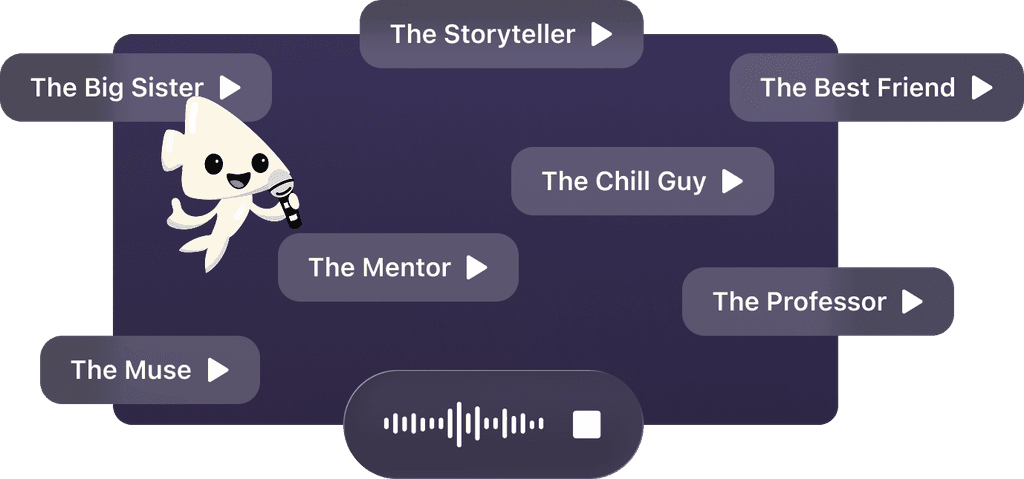
 Mode Personnaliser
Découvrez The Game of Work dans votre propre style d’apprentissage
Posez vos questions, choisissez votre style d’apprentissage et co-créez des idées qui vous correspondent vraiment.
Cree par des anciens de Columbia University a San Francisco
"Instead of endless scrolling, I just hit play on BeFreed. It saves me so much time."


"I never knew where to start with nonfiction—BeFreed’s book lists turned into podcasts gave me a clear path."


"Perfect balance between learning and entertainment. Finished ‘Thinking, Fast and Slow’ on my commute this week."
"Crazy how much I learned while walking the dog. BeFreed = small habits → big gains."
"Reading used to feel like a chore. Now it’s just part of my lifestyle."

"Feels effortless compared to reading. I’ve finished 6 books this month already."
"BeFreed turned my guilty doomscrolling into something that feels productive and inspiring."

"BeFreed turned my commute into learning time. 20-min podcasts are perfect for finishing books I never had time for."
"BeFreed replaced my podcast queue. Imagine Spotify for books — that’s it. 🙌"

"It is great for me to learn something from the book without reading it."
"The themed book list podcasts help me connect ideas across authors—like a guided audio journey."
"Makes me feel smarter every time before going to work"
Cree par des anciens de Columbia University a San Francisco
"Instead of endless scrolling, I just hit play on BeFreed. It saves me so much time."
"I never knew where to start with nonfiction—BeFreed’s book lists turned into podcasts gave me a clear path."
"Perfect balance between learning and entertainment. Finished ‘Thinking, Fast and Slow’ on my commute this week."
"Crazy how much I learned while walking the dog. BeFreed = small habits → big gains."
"Reading used to feel like a chore. Now it’s just part of my lifestyle."
"Feels effortless compared to reading. I’ve finished 6 books this month already."
"BeFreed turned my guilty doomscrolling into something that feels productive and inspiring."
"BeFreed turned my commute into learning time. 20-min podcasts are perfect for finishing books I never had time for."
"BeFreed replaced my podcast queue. Imagine Spotify for books — that’s it. 🙌"
"It is great for me to learn something from the book without reading it."
"The themed book list podcasts help me connect ideas across authors—like a guided audio journey."
"Makes me feel smarter every time before going to work"
"Instead of endless scrolling, I just hit play on BeFreed. It saves me so much time."
"I never knew where to start with nonfiction—BeFreed’s book lists turned into podcasts gave me a clear path."
"Perfect balance between learning and entertainment. Finished ‘Thinking, Fast and Slow’ on my commute this week."
"Crazy how much I learned while walking the dog. BeFreed = small habits → big gains."
"Reading used to feel like a chore. Now it’s just part of my lifestyle."
"Feels effortless compared to reading. I’ve finished 6 books this month already."
"BeFreed turned my guilty doomscrolling into something that feels productive and inspiring."
"BeFreed turned my commute into learning time. 20-min podcasts are perfect for finishing books I never had time for."
"BeFreed replaced my podcast queue. Imagine Spotify for books — that’s it. 🙌"
"It is great for me to learn something from the book without reading it."
"The themed book list podcasts help me connect ideas across authors—like a guided audio journey."
"Makes me feel smarter every time before going to work"
"Instead of endless scrolling, I just hit play on BeFreed. It saves me so much time."
"I never knew where to start with nonfiction—BeFreed’s book lists turned into podcasts gave me a clear path."
"Perfect balance between learning and entertainment. Finished ‘Thinking, Fast and Slow’ on my commute this week."
"Crazy how much I learned while walking the dog. BeFreed = small habits → big gains."
"Reading used to feel like a chore. Now it’s just part of my lifestyle."
"Feels effortless compared to reading. I’ve finished 6 books this month already."
"BeFreed turned my guilty doomscrolling into something that feels productive and inspiring."
"BeFreed turned my commute into learning time. 20-min podcasts are perfect for finishing books I never had time for."
"BeFreed replaced my podcast queue. Imagine Spotify for books — that’s it. 🙌"
"It is great for me to learn something from the book without reading it."
"The themed book list podcasts help me connect ideas across authors—like a guided audio journey."
"Makes me feel smarter every time before going to work"

Telecharger le resume de The Game of Work
Obtenez le resume de The Game of Work en PDF ou EPUB gratuit. Imprimez-le ou lisez-le hors ligne a tout moment.


