
The Candlestick Trading Bible: Invented by Munehisa Homma

Aperçu de The Candlestick Trading Bible
Discover the trading secrets of Munehisa Homma, the legendary "God of Markets" who amassed $10 billion using candlestick charts. This modern compilation reveals how understanding market psychology - the fear and greed driving prices - can transform your investment strategy today.
- Munehisa Homma invented candlestick charting while trading Japanese rice markets.
- Candlestick patterns reveal trader emotions like fear, greed, and indecision.
- The Harami pattern signals potential trend reversals or continuation moves.
- Market psychology matters more than technical indicators alone in trading.
- Trading with the trend beats fighting market momentum consistently.
- Candlesticks function as the visual language of all financial markets.
- Homma's Sakata Rules emphasize trend identification and disciplined execution strategies.
- Contrarian thinking works best when majority sentiment reaches extreme levels.
- Understanding candlestick anatomy requires mastering open, high, low, and close prices.
- The Candlestick Trading Bible combines Japanese patterns with technical analysis.
- Homma recognized that price movements reflect collective trader psychology patterns.
- Yang and Yin concepts explain cyclical bull and bear market phases.
À propos de l'auteur de The Candlestick Trading Bible
Munehisa Homma (1724-1803) was a legendary Japanese rice trader whose techniques form the basis of The Candlestick Trading Bible. He invented candlestick charting and is regarded as the father of technical analysis and price action trading.
Born in Sakata, Japan, Homma traded on the Dojima Rice Exchange in Osaka, where he revolutionized market analysis by recording daily price movements on rice parchment. His key insight was recognizing that markets were driven by trader psychology—fear and greed—rather than logic alone.
Homma's "Sakata Five" system of price patterns enabled him to predict market movements with extraordinary accuracy. He reportedly achieved 100 consecutive profitable trades and amassed wealth equivalent to $10 billion today, earning the rank of honorary Samurai and becoming financial advisor to the Japanese government. In 1755, he published The Fountain of Gold – The Three Monkeys' Record of Money, the first book on trading psychology. His candlestick techniques remain the global standard for technical analysis in modern financial markets.
FAQ sur The Candlestick Trading Bible
What is The Candlestick Trading Bible about?
The Candlestick Trading Bible is a comprehensive guide to interpreting candlestick trading patterns in financial markets, including stocks, forex, and commodities. The book teaches traders how to identify visual patterns that reflect market psychology, such as fear, greed, and indecision among participants. It combines Japanese candlestick techniques with technical analysis to create a consistent and profitable trading system that requires minimal time and effort.
Who is Munehisa Homma and why is he important in trading?
Munehisa Homma was an 18th-century Japanese rice trader born in 1724 who invented candlestick charting and is considered the father of technical analysis. Known as the "God of Markets," Homma pioneered techniques for analyzing price patterns and market psychology by recognizing that emotions like fear and greed influenced trading. His innovative methods reportedly led to over 100 consecutive winning trades, and he was honored with Samurai status for his financial expertise.
Who should read The Candlestick Trading Bible?
The Candlestick Trading Bible is ideal for traders of all experience levels who want to master technical analysis and develop a winning trading mindset. It's particularly valuable for those trading stocks, forex, and commodities who seek a systematic approach to identifying high-probability setups. The book suits both beginners learning the language of financial markets and experienced traders looking to refine their pattern recognition skills with a proven historical method.
Is The Candlestick Trading Bible worth reading?
The Candlestick Trading Bible is worth reading because it presents a trading method with centuries-old origins that has proven effectiveness in predicting price movements. The book offers practical, step-by-step guidance on identifying patterns, managing risk, and making accurate trading decisions by combining candlesticks with other technical indicators. Its visual approach makes complex market analysis more intuitive and accessible, while its emphasis on market psychology helps traders understand the emotional drivers behind price action.
What are candlestick patterns according to The Candlestick Trading Bible?
Candlestick patterns in The Candlestick Trading Bible are visual representations of price movements over specific time periods that reveal market psychology. Each candlestick shows the open, high, low, and close prices, with the body indicating strong buying or selling pressure. The book categorizes patterns like doji, engulfing, hammer, and shooting star into bullish or bearish formations that signal potential trend reversals or continuations.
What is the history of candlestick charting explained in The Candlestick Trading Bible?
The Candlestick Trading Bible traces candlestick charting to 17th-century Japan, where Munehisa Homma developed the method while trading rice. Homma understood that both supply-demand dynamics and trader emotions influenced markets, leading him to create visual patterns that tracked these psychological factors. The technique remained a Japanese secret until the 1980s when Steve Nison introduced candlesticks to Western traders through his writings.
What trading strategies are taught in The Candlestick Trading Bible?
The Candlestick Trading Bible teaches specific strategies including Pin Bar and Engulfing Bar techniques with step-by-step application guidance. The book emphasizes combining candlestick patterns with other technical tools like moving averages, trendlines, and volume indicators for improved accuracy. Munehisa Homma's core principle of "buy low and sell high" is applied by purchasing when market sentiment is bearish and selling when bullish.
How does The Candlestick Trading Bible explain market psychology?
The Candlestick Trading Bible emphasizes that candlestick patterns reflect trader emotions of fear, greed, and indecision. Munehisa Homma recognized that price movements weren't random but revealed collective market psychology. The book teaches that understanding these emotional drivers helps traders anticipate when sentiment shifts will cause trend reversals, using the principle that "when all are bearish, there is cause for prices to rise".
What key candlestick patterns does Munehisa Homma discuss in the book?
Munehisa Homma discusses various candlestick patterns including the Engulfing Bar, Doji, Hammer, Harami, and Shooting Star in The Candlestick Trading Bible. Each pattern is categorized as bullish or bearish, offering traders specific cues about potential price movements. Long-bodied candlesticks indicate strong buying or selling pressure, while short bodies suggest minimal market activity. These patterns help identify support and resistance levels for optimal entry and exit points.
How does The Candlestick Trading Bible teach market structure analysis?
The Candlestick Trading Bible teaches traders to identify trending, ranging, and choppy markets and adapt their strategies accordingly. The book emphasizes trend analysis, showing how different candlestick patterns emerge during trending markets to indicate whether trends will continue or reverse. Munehisa Homma's approach includes analyzing support and resistance levels indicated by specific patterns to determine market structure and potential turning points.
What money management principles are in The Candlestick Trading Bible?
The Candlestick Trading Bible emphasizes the critical importance of risk management and developing a comprehensive money management plan to protect trading capital. The book teaches that successful trading requires not just pattern recognition but also disciplined capital allocation to survive market volatility. This holistic approach ensures traders can maintain consistent profitability over time rather than risking everything on individual trades.
Why is The Candlestick Trading Bible still relevant for modern traders?
The Candlestick Trading Bible remains relevant because it teaches timeless principles of market psychology that apply across all financial markets and timeframes. The visual interpretation of candlesticks provides more intuitive market analysis than traditional bar charts, making it appealing to contemporary traders seeking quick insights. With origins dating back centuries yet proven effectiveness in modern markets, the method offers historical credibility combined with practical application for stocks, forex, and cryptocurrency trading.
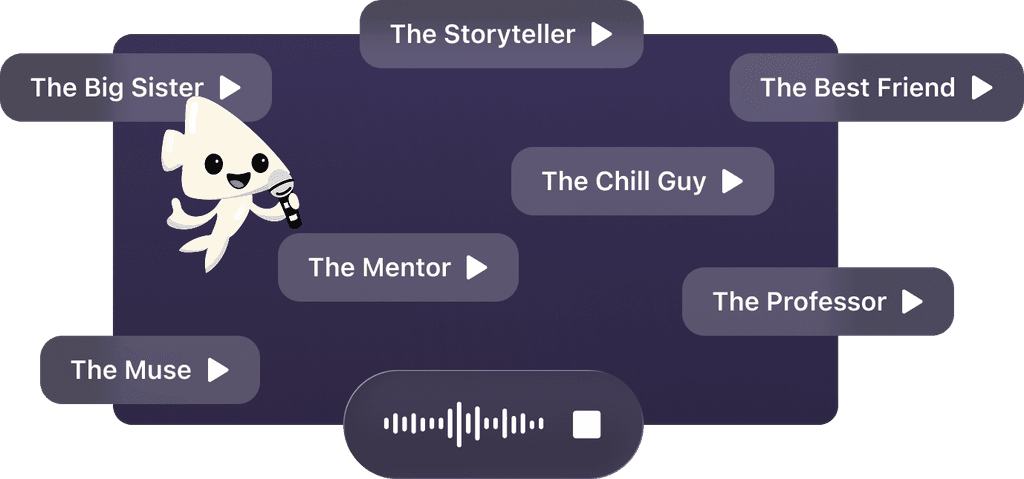
Ressentez le livre à travers la voix de l'auteur
Transformez les connaissances en idées captivantes et riches en exemples
Capturez les idées clés en un éclair pour un apprentissage rapide
Profitez du livre de manière ludique et engageante
Personnages de The Candlestick Trading Bible
- Munehisa Homma18th century Japanese rice merchant and pioneer
- Steve NisonAnalyst who introduced candlesticks to the West
- Michael FeenyEarly Western proponent of candlestick analysis
Thèmes clés dans The Candlestick Trading Bible
- price action analysis
- market sentiment visualization
- japanese charting techniques
- trader psychology patterns
- technical reversal signals
Citations de The Candlestick Trading Bible
Candlestick patterns represent the language of the market.
Each candle instantly communicates the opening price, closing price...
Change struggling traders into consistent profit-makers.
Candlestick charting originated in 17th century Japan.
These visual elements aren't merely decorative - they're windows into market psychology.
Explorez Votre Façon d'Apprendre
 Mode Résumé Rapide
Lisez ou écoutez le résumé de The Candlestick Trading Bible en 9 minutes
Décomposez les idées clés de The Candlestick Trading Bible en points faciles à comprendre pour découvrir comment les équipes innovantes créent, collaborent et grandissent.

 Mode Fun
Leçons de The Candlestick Trading Bible Racontées en Histoires de 22 Min
Découvrez The Candlestick Trading Bible à travers des récits vivants qui transforment les leçons d'innovation en moments mémorables et applicables.
 Mode Personnaliser
Découvrez The Candlestick Trading Bible dans votre propre style d’apprentissage
Posez vos questions, choisissez votre style d’apprentissage et co-créez des idées qui vous correspondent vraiment.
Cree par des anciens de Columbia University a San Francisco
"Instead of endless scrolling, I just hit play on BeFreed. It saves me so much time."


"I never knew where to start with nonfiction—BeFreed’s book lists turned into podcasts gave me a clear path."


"Perfect balance between learning and entertainment. Finished ‘Thinking, Fast and Slow’ on my commute this week."
"Crazy how much I learned while walking the dog. BeFreed = small habits → big gains."
"Reading used to feel like a chore. Now it’s just part of my lifestyle."

"Feels effortless compared to reading. I’ve finished 6 books this month already."
"BeFreed turned my guilty doomscrolling into something that feels productive and inspiring."

"BeFreed turned my commute into learning time. 20-min podcasts are perfect for finishing books I never had time for."
"BeFreed replaced my podcast queue. Imagine Spotify for books — that’s it. 🙌"

"It is great for me to learn something from the book without reading it."
"The themed book list podcasts help me connect ideas across authors—like a guided audio journey."
"Makes me feel smarter every time before going to work"
Cree par des anciens de Columbia University a San Francisco
"Instead of endless scrolling, I just hit play on BeFreed. It saves me so much time."
"I never knew where to start with nonfiction—BeFreed’s book lists turned into podcasts gave me a clear path."
"Perfect balance between learning and entertainment. Finished ‘Thinking, Fast and Slow’ on my commute this week."
"Crazy how much I learned while walking the dog. BeFreed = small habits → big gains."
"Reading used to feel like a chore. Now it’s just part of my lifestyle."
"Feels effortless compared to reading. I’ve finished 6 books this month already."
"BeFreed turned my guilty doomscrolling into something that feels productive and inspiring."
"BeFreed turned my commute into learning time. 20-min podcasts are perfect for finishing books I never had time for."
"BeFreed replaced my podcast queue. Imagine Spotify for books — that’s it. 🙌"
"It is great for me to learn something from the book without reading it."
"The themed book list podcasts help me connect ideas across authors—like a guided audio journey."
"Makes me feel smarter every time before going to work"
"Instead of endless scrolling, I just hit play on BeFreed. It saves me so much time."
"I never knew where to start with nonfiction—BeFreed’s book lists turned into podcasts gave me a clear path."
"Perfect balance between learning and entertainment. Finished ‘Thinking, Fast and Slow’ on my commute this week."
"Crazy how much I learned while walking the dog. BeFreed = small habits → big gains."
"Reading used to feel like a chore. Now it’s just part of my lifestyle."
"Feels effortless compared to reading. I’ve finished 6 books this month already."
"BeFreed turned my guilty doomscrolling into something that feels productive and inspiring."
"BeFreed turned my commute into learning time. 20-min podcasts are perfect for finishing books I never had time for."
"BeFreed replaced my podcast queue. Imagine Spotify for books — that’s it. 🙌"
"It is great for me to learn something from the book without reading it."
"The themed book list podcasts help me connect ideas across authors—like a guided audio journey."
"Makes me feel smarter every time before going to work"
"Instead of endless scrolling, I just hit play on BeFreed. It saves me so much time."
"I never knew where to start with nonfiction—BeFreed’s book lists turned into podcasts gave me a clear path."
"Perfect balance between learning and entertainment. Finished ‘Thinking, Fast and Slow’ on my commute this week."
"Crazy how much I learned while walking the dog. BeFreed = small habits → big gains."
"Reading used to feel like a chore. Now it’s just part of my lifestyle."
"Feels effortless compared to reading. I’ve finished 6 books this month already."
"BeFreed turned my guilty doomscrolling into something that feels productive and inspiring."
"BeFreed turned my commute into learning time. 20-min podcasts are perfect for finishing books I never had time for."
"BeFreed replaced my podcast queue. Imagine Spotify for books — that’s it. 🙌"
"It is great for me to learn something from the book without reading it."
"The themed book list podcasts help me connect ideas across authors—like a guided audio journey."
"Makes me feel smarter every time before going to work"

Telecharger le resume de The Candlestick Trading Bible
Obtenez le resume de The Candlestick Trading Bible en PDF ou EPUB gratuit. Imprimez-le ou lisez-le hors ligne a tout moment.


