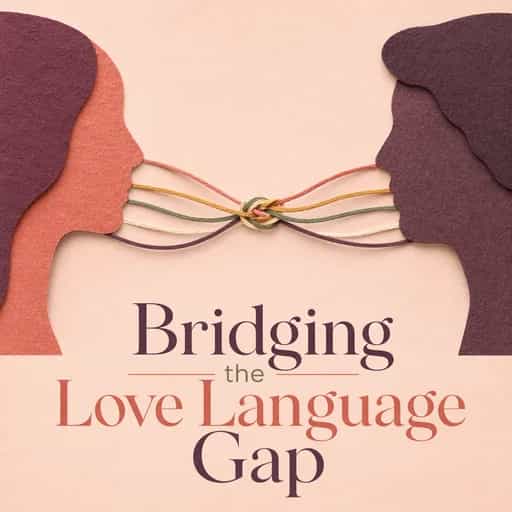
Transform your workplace: 45% of employees crave words of affirmation, yet most leaders miss the mark. Based on Chapman's 9-million-copy bestseller, discover the five languages that make employees feel truly valued - and why traditional "appreciation" often backfires.
Gary Demonte Chapman, the bestselling author of The 5 Languages of Appreciation in the Workplace, is a renowned relationships expert who merges decades of counseling experience with actionable insights into human connection.
A Baptist minister and PhD holder, Chapman revolutionized interpersonal dynamics through his groundbreaking Five Love Languages framework, which has sold over 11 million copies globally and been translated into 49 languages.
Co-authored with psychologist Dr. Paul White, The 5 Languages of Appreciation in the Workplace applies Chapman's signature principles to professional environments, emphasizing gratitude and team cohesion.
Chapman’s other seminal works, including The Five Love Languages of Children and The Five Languages of Apology, have cemented his status as a trusted voice in personal and organizational development. A frequent PBS and TBN guest, he hosts a syndicated radio show and leads global seminars.
His concepts are taught in corporate training programs, universities, and therapy practices worldwide, with The Five Love Languages remaining a New York Times bestseller for over a decade.
The 5 Languages of Appreciation in the Workplace by Gary Chapman and Paul White adapts Chapman’s love languages concept to professional settings, teaching leaders to boost morale by tailoring recognition to employees’ preferences. The five languages—Words of Affirmation, Quality Time, Acts of Service, Tangible Gifts, and Physical Touch—help address individual needs, reducing turnover and fostering engagement.
Managers, HR professionals, and team leaders seeking to improve workplace culture will benefit most. It’s also valuable for employees aiming to strengthen collegial relationships. The book provides actionable strategies for anyone wanting to combat disengagement or quiet quitting, particularly in industries with high burnout rates.
Yes, with over 600,000 copies sold, the book offers research-backed, practical tools to enhance team dynamics. Its focus on personalized appreciation—rather than generic praise—makes it a standout resource for improving retention and productivity.
While both emphasize tailored communication, the workplace version shifts focus from romantic relationships to professional camaraderie. It also addresses nuances like cultural sensitivity around Physical Touch and prioritizes team-wide application over individual dynamics.
Some argue the framework oversimplifies human interaction or struggles to scale in large organizations. Critics also note potential discomfort with Physical Touch in certain workplaces, though the authors advise clear consent and cultural awareness.
As remote work and mental health prioritization grow, the book’s emphasis on meaningful, individualized recognition aligns with modern needs. Its strategies help bridge gaps in hybrid teams and reduce quiet quitting.
“Unless we express appreciation in others’ primary language, we miss the mark and fail to meet their deepest needs.” This underscores the importance of personalized recognition over generic praise.
Both focus on interpersonal effectiveness, but Chapman’s approach is more structured, targeting specific appreciation styles rather than broad social principles. It’s ideal for readers seeking actionable, psychology-based frameworks.
Chapman, a New York Times bestselling author and counselor with 35+ years of experience, co-wrote this book with psychologist Paul White. Their collaboration blends relationship theory with organizational psychology, validated by real-world case studies.
Yes, the book includes methods to determine primary/secondary languages for individuals and teams. These help leaders implement targeted recognition strategies, ensuring authenticity and relevance.
Ressentez le livre à travers la voix de l'auteur
Transformez les connaissances en idées captivantes et riches en exemples
Capturez les idées clés en un éclair pour un apprentissage rapide
Profitez du livre de manière ludique et engageante
Gifts are visual symbols of appreciation.
Recognition primarily celebrates achievement, while true appreciation acknowledges an employee's inherent worth.
Team members don't want supervisors engaging in appreciation activities just because they're required.
If you can't genuinely express appreciation, silence is preferable until you can communicate with integrity.
Physical presence without emotional engagement misses the mark.
Décomposez les idées clés de The 5 Languages of Appreciation in the Workplace en points faciles à comprendre pour découvrir comment les équipes innovantes créent, collaborent et grandissent.
Condensez The 5 Languages of Appreciation in the Workplace en indices de mémoire rapides mettant en évidence les principes clés de franchise, de travail d'équipe et de résilience créative.

Découvrez The 5 Languages of Appreciation in the Workplace à travers des récits vivants qui transforment les leçons d'innovation en moments mémorables et applicables.
Posez n'importe quelle question, choisissez la voix et co-créez des idées qui résonnent vraiment avec vous.

Cree par des anciens de Columbia University a San Francisco
"Instead of endless scrolling, I just hit play on BeFreed. It saves me so much time."
"I never knew where to start with nonfiction—BeFreed’s book lists turned into podcasts gave me a clear path."
"Perfect balance between learning and entertainment. Finished ‘Thinking, Fast and Slow’ on my commute this week."
"Crazy how much I learned while walking the dog. BeFreed = small habits → big gains."
"Reading used to feel like a chore. Now it’s just part of my lifestyle."
"Feels effortless compared to reading. I’ve finished 6 books this month already."
"BeFreed turned my guilty doomscrolling into something that feels productive and inspiring."
"BeFreed turned my commute into learning time. 20-min podcasts are perfect for finishing books I never had time for."
"BeFreed replaced my podcast queue. Imagine Spotify for books — that’s it. 🙌"
"It is great for me to learn something from the book without reading it."
"The themed book list podcasts help me connect ideas across authors—like a guided audio journey."
"Makes me feel smarter every time before going to work"
Cree par des anciens de Columbia University a San Francisco

Obtenez le resume de The 5 Languages of Appreciation in the Workplace en PDF ou EPUB gratuit. Imprimez-le ou lisez-le hors ligne a tout moment.
Imagine walking into work tomorrow and having your manager pull you aside to sincerely thank you for something specific you did last week-something you thought went completely unnoticed. How would that make you feel? This simple moment of recognition taps into one of our deepest human needs: to feel valued. Yet according to the U.S. Department of Labor, the primary reason 64% of Americans leave their jobs isn't inadequate pay-it's not feeling appreciated. This profound insight forms the foundation of "The 5 Languages of Appreciation in the Workplace," which has revolutionized organizational cultures by revealing a simple truth: we all experience appreciation differently. What makes one person feel valued might leave another cold. By understanding these differences, we can transform workplace relationships without spending a dime, reducing turnover while creating genuinely positive environments where people thrive.