That Will Never Work: The Birth of Netflix and the Amazing Life of an Idea

Aperçu de That Will Never Work
Netflix's origin story from the man who started it all. When Blockbuster laughed at Marc Randolph's $50 million acquisition offer, they sealed their fate. Discover the counterintuitive leadership decisions - including Randolph stepping aside - that transformed a DVD-by-mail startup into a streaming empire.
- Test ideas through cheap experiments instead of endless debates
- Hire exceptional talent and grant freedom to solve problems creatively
- Build companies “loosely coupled but tightly aligned” for innovation agility
- Validate assumptions with real-world action rather than theoretical analysis
- Sacrifice past successes decisively to achieve future scalability
- Embrace “scraping barnacles” – ruthless focus beats sprawling initiatives
- Prioritize company survival over founder ego during leadership transitions
- Treat employees as adults with autonomy to fuel responsibility
- Use physical mail tests to validate digital business models
- Frame pitches around investor psychology rather than perfect data
- Accept that “Nobody Knows Anything” until market-tested
- Balance relentless execution with constant business model adaptation
À propos de l'auteur de That Will Never Work
Marc Randolph is the co-founder and first CEO of Netflix, entrepreneur, and bestselling author of That Will Never Work: The Birth of Netflix and the Amazing Life of an Idea. A veteran Silicon Valley innovator with four decades of experience, Randolph’s memoir combines business strategy with personal storytelling, offering insights into startup resilience, disruptive innovation, and Netflix’s early challenges.
His expertise stems from founding six startups, mentoring hundreds of entrepreneurs, and serving on boards for companies like Solo Brands and Google-acquired Looker Data Sciences.
Beyond writing, Randolph hosts the top-ranked That Will Never Work podcast and appears as a judge on Entrepreneur Magazine’s Elevator Pitch. His pragmatic advice, shaped by Netflix’s battle against Blockbuster and bootstrap mentality, resonates with founders worldwide.
That Will Never Work has become a modern business classic, translated into multiple languages and praised for its candid take on entrepreneurial grit. The book solidified Randolph’s reputation as a thought leader in scaling ventures—a theme he explores through keynote speeches and his active Neverland entrepreneurial community.
FAQ sur That Will Never Work
What is That Will Never Work by Marc Randolph about?
That Will Never Work chronicles the chaotic early days of Netflix, from its inception as a DVD-by-mail service to its evolution into a streaming giant. Co-founder Marc Randolph reveals the challenges of securing funding, overcoming technical failures, and competing with Blockbuster, while emphasizing resilience, customer focus, and adaptability.
Who should read That Will Never Work?
Aspiring entrepreneurs, business leaders, and anyone interested in startup culture or Silicon Valley history will find value. The book offers practical insights into pivoting business models, embracing failure, and building a customer-centric company, making it ideal for those navigating innovation or organizational change.
Is That Will Never Work worth reading?
Yes—Randolph’s candid storytelling blends humor and humility, offering rare insights into Netflix’s scrappy beginnings. Unlike polished corporate narratives, it highlights the messy reality of startups, making it both relatable and actionable for readers seeking authentic entrepreneurial lessons.
What are the key takeaways from That Will Never Work?
- Embrace failure as a stepping stone to innovation.
- Prioritize customer needs—Netflix’s shift to unlimited rentals without late fees revolutionized the industry.
- Adapt quickly: Pivoting from DVDs to streaming kept Netflix ahead of market shifts.
What are the best quotes from That Will Never Work and their meanings?
- “Distrust epiphanies”: Success comes from iteration, not sudden sparks.
- “Culture isn’t what you say. It’s what you do”: Actions, not slogans, define organizational values.
- “Your attachment to this idea isn’t strictly rational”: Emotional bias can cloud business decisions.
How did Netflix evolve from an idea to a successful business?
Netflix began with failed pitches (e.g., personalized shampoo) before focusing on DVDs. Early experiments with online rentals, a no-late-fees model, and data-driven recommendations laid the groundwork. Surviving near-acquisition by Blockbuster and transitioning to streaming solidified its dominance.
How does That Will Never Work compare to Shoe Dog by Phil Knight?
Both memoirs debunk the myth of overnight success, emphasizing grit and serendipity. While Shoe Dog details Nike’s global rise, Randolph’s account focuses on Silicon Valley’s trial-and-error culture, offering a tech-startup counterpart to Knight’s manufacturing journey.
What criticisms exist about That Will Never Work?
Some reviewers note the book prioritizes storytelling over structured business advice. It’s more memoir than strategic guide, which may disappoint readers seeking tactical frameworks.
Why is That Will Never Work relevant in 2025’s tech landscape?
Its lessons on adaptability (e.g., pivoting during crises) and leveraging AI for recommendations resonate in an era of rapid AI adoption and market disruption. The emphasis on culture and customer-centricity remains timeless.
What role does company culture play in Netflix’s success?
Randolph stresses that culture is shaped by actions, not rhetoric. Early decisions—like transparent communication and hiring for resilience—established the collaborative, risk-tolerant ethos that fueled innovation.
How does Randolph address startup failures in the book?
He reframes failures as essential learning tools. For example, Netflix’s initial personalized baseball bat venture flopped, but the team applied those lessons to refine their DVD rental model.
What practical advice does Randolph offer entrepreneurs?
- Test ideas cheaply and quickly.
- Prioritize customer feedback over assumptions.
- Build a team that thrives on uncertainty.
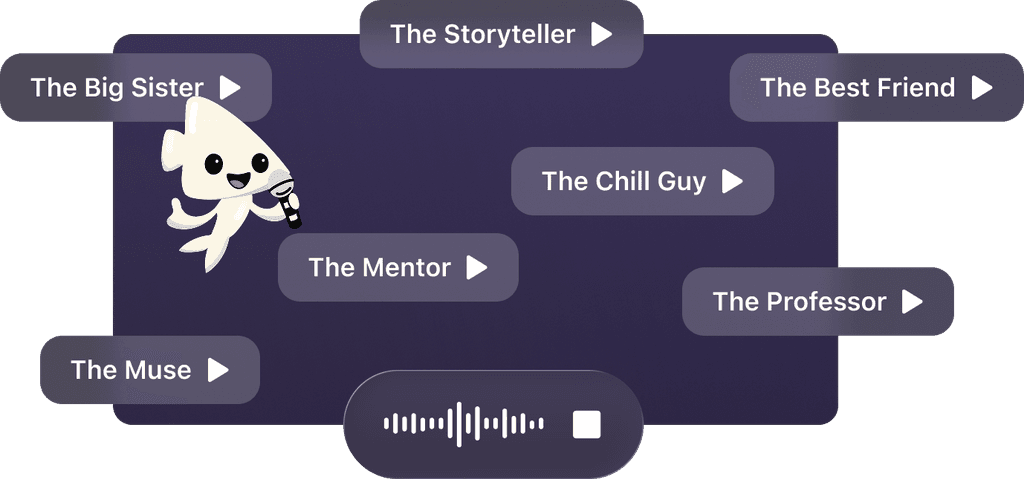
Ressentez le livre à travers la voix de l'auteur
Transformez les connaissances en idées captivantes et riches en exemples
Capturez les idées clés en un éclair pour un apprentissage rapide
Profitez du livre de manière ludique et engageante
Personnages de That Will Never Work
- Marc RandolphCo-founder of Netflix and author of the memoir
- ChristinaColleague who assisted with market research
- TeColleague involved in early brainstorming sessions
Thèmes clés dans That Will Never Work
- startup iteration
- dvd-by-mail logistics
- entrepreneurial persistence
- idea validation
- silicon valley origins
Citations de That Will Never Work
'I was always building someone else's dream,' he notes.
Sometimes innovation isn't about predicting the future; it's about solving practical problems.
Sometimes the ideas everyone dismisses become the most revolutionary.
"That will never work," became Reed's familiar refrain.
Great companies rarely emerge from epiphanies; they evolve through persistent experimentation.
Explorez Votre Façon d'Apprendre
 Mode Résumé Rapide
Lisez ou écoutez le résumé de That Will Never Work en 9 minutes
Décomposez les idées clés de That Will Never Work en points faciles à comprendre pour découvrir comment les équipes innovantes créent, collaborent et grandissent.

 Mode Fun
Leçons de That Will Never Work Racontées en Histoires de 24 Min
Découvrez That Will Never Work à travers des récits vivants qui transforment les leçons d'innovation en moments mémorables et applicables.
 Mode Personnaliser
Découvrez That Will Never Work dans votre propre style d’apprentissage
Posez vos questions, choisissez votre style d’apprentissage et co-créez des idées qui vous correspondent vraiment.
Cree par des anciens de Columbia University a San Francisco
"Instead of endless scrolling, I just hit play on BeFreed. It saves me so much time."


"I never knew where to start with nonfiction—BeFreed’s book lists turned into podcasts gave me a clear path."


"Perfect balance between learning and entertainment. Finished ‘Thinking, Fast and Slow’ on my commute this week."
"Crazy how much I learned while walking the dog. BeFreed = small habits → big gains."
"Reading used to feel like a chore. Now it’s just part of my lifestyle."

"Feels effortless compared to reading. I’ve finished 6 books this month already."
"BeFreed turned my guilty doomscrolling into something that feels productive and inspiring."

"BeFreed turned my commute into learning time. 20-min podcasts are perfect for finishing books I never had time for."
"BeFreed replaced my podcast queue. Imagine Spotify for books — that’s it. 🙌"

"It is great for me to learn something from the book without reading it."
"The themed book list podcasts help me connect ideas across authors—like a guided audio journey."
"Makes me feel smarter every time before going to work"
Cree par des anciens de Columbia University a San Francisco
"Instead of endless scrolling, I just hit play on BeFreed. It saves me so much time."
"I never knew where to start with nonfiction—BeFreed’s book lists turned into podcasts gave me a clear path."
"Perfect balance between learning and entertainment. Finished ‘Thinking, Fast and Slow’ on my commute this week."
"Crazy how much I learned while walking the dog. BeFreed = small habits → big gains."
"Reading used to feel like a chore. Now it’s just part of my lifestyle."
"Feels effortless compared to reading. I’ve finished 6 books this month already."
"BeFreed turned my guilty doomscrolling into something that feels productive and inspiring."
"BeFreed turned my commute into learning time. 20-min podcasts are perfect for finishing books I never had time for."
"BeFreed replaced my podcast queue. Imagine Spotify for books — that’s it. 🙌"
"It is great for me to learn something from the book without reading it."
"The themed book list podcasts help me connect ideas across authors—like a guided audio journey."
"Makes me feel smarter every time before going to work"
"Instead of endless scrolling, I just hit play on BeFreed. It saves me so much time."
"I never knew where to start with nonfiction—BeFreed’s book lists turned into podcasts gave me a clear path."
"Perfect balance between learning and entertainment. Finished ‘Thinking, Fast and Slow’ on my commute this week."
"Crazy how much I learned while walking the dog. BeFreed = small habits → big gains."
"Reading used to feel like a chore. Now it’s just part of my lifestyle."
"Feels effortless compared to reading. I’ve finished 6 books this month already."
"BeFreed turned my guilty doomscrolling into something that feels productive and inspiring."
"BeFreed turned my commute into learning time. 20-min podcasts are perfect for finishing books I never had time for."
"BeFreed replaced my podcast queue. Imagine Spotify for books — that’s it. 🙌"
"It is great for me to learn something from the book without reading it."
"The themed book list podcasts help me connect ideas across authors—like a guided audio journey."
"Makes me feel smarter every time before going to work"
"Instead of endless scrolling, I just hit play on BeFreed. It saves me so much time."
"I never knew where to start with nonfiction—BeFreed’s book lists turned into podcasts gave me a clear path."
"Perfect balance between learning and entertainment. Finished ‘Thinking, Fast and Slow’ on my commute this week."
"Crazy how much I learned while walking the dog. BeFreed = small habits → big gains."
"Reading used to feel like a chore. Now it’s just part of my lifestyle."
"Feels effortless compared to reading. I’ve finished 6 books this month already."
"BeFreed turned my guilty doomscrolling into something that feels productive and inspiring."
"BeFreed turned my commute into learning time. 20-min podcasts are perfect for finishing books I never had time for."
"BeFreed replaced my podcast queue. Imagine Spotify for books — that’s it. 🙌"
"It is great for me to learn something from the book without reading it."
"The themed book list podcasts help me connect ideas across authors—like a guided audio journey."
"Makes me feel smarter every time before going to work"

Telecharger le resume de That Will Never Work
Obtenez le resume de That Will Never Work en PDF ou EPUB gratuit. Imprimez-le ou lisez-le hors ligne a tout moment.