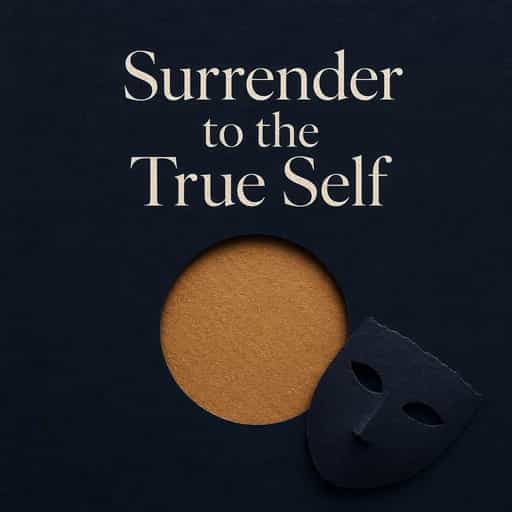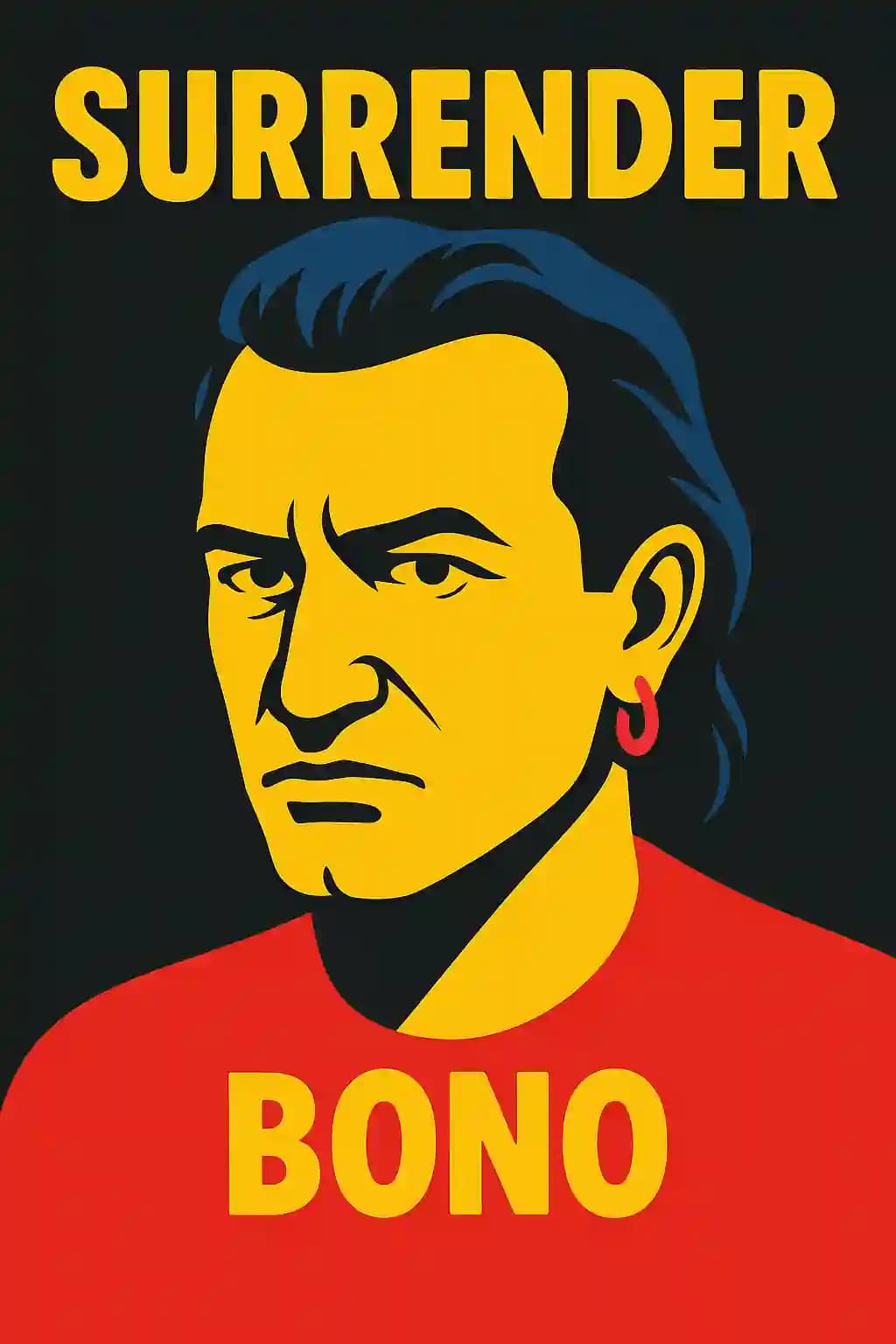
In "Surrender," U2's Bono reveals his journey through 40 chapters named after iconic songs. Bill Gates praises this raw memoir exploring childhood trauma, global activism, and rock stardom. What chess-playing skill did this former child champion bring to fighting AIDS and poverty worldwide?
Paul David Hewson, known globally as Bono, is the lead vocalist of the iconic rock band U2 and the author of Surrender by Bono, an introspective memoir blending personal narrative with themes of faith, activism, and artistic evolution. Born in Dublin in 1960, Bono co-founded U2 in 1976, shaping decades of music with socially conscious lyrics and anthems like With or Without You and Sunday Bloody Sunday. His 22 Grammy Awards and Rock & Roll Hall of Fame induction underscore his musical legacy, while his co-founding of organizations like the ONE Campaign highlights his dedication to global justice.
Surrender by Bono delves into his journey as a son, husband, father, and activist, interweaving stories from U2’s meteoric rise with reflections on resilience and surrender. The book’s raw honesty and spiritual undertones mirror his stage presence and philanthropic ethos.
A companion Apple TV+ film adaptation, Bono: Stories of Surrender, released in May 2025, expands on his critically acclaimed live performance, featuring never-before-seen footage and U2’s timeless tracks. Translated into over 40 languages, Bono’s work continues to inspire millions, bridging art and advocacy worldwide.
Surrender: 40 Songs, One Story is Bono’s introspective memoir, blending his journey as U2’s frontman with activism and personal growth. Structured around 40 U2 songs, it explores his Dublin upbringing, family dynamics, faith, and global advocacy work, including debt relief and HIV/AIDS campaigns. The book balances candid reflections on fame with self-deprecating humor, offering insights into U2’s creative process and Bono’s philanthropic efforts with organizations like ONE.
U2 fans, music memoir enthusiasts, and readers interested in activism or personal growth will find value. Bono’s storytelling appeals to those curious about balancing artistic ambition with family life and social impact. While diehard fans gain deeper band insights, general readers appreciate his vulnerability on topics like grief and identity.
Yes, even skeptics praise its honesty and wit. Bono dissects his flaws (e.g., “a singer with anger issues in the cause of nonviolence”) and shares rare U2 anecdotes, like Adam Clayton shielding him from a death threat during a concert. Bill Gates highlights its inspiring mix of artistry and activism.
Bono delves into his mother’s early death, his strained bond with his tenor father, and his enduring marriage to Ali Hewson. Chapters like “Iris” (named for his mother) reveal how these relationships shaped his music and activism, emphasizing emotional resilience over traditional rock-star tropes.
Faith is central, framing Bono’s creative drive and humanitarian work. He reflects on spirituality as a compass for navigating fame and purpose, though avoids preachiness. The memoir positions his activism as an extension of his belief in “the power of grace over karma”.
He details co-founding ONE and (RED), advocating for HIV treatment and debt relief in Africa. Critically, he admits early missteps in “savior complex” approaches, stressing collaboration over top-down solutions. The Gates Foundation’s partnership with ONE is noted.
Yes, including how manager Paul McGuinness’s business acumen secured their independence (e.g., retaining music rights). The Arizona MLK Day concert threat—where Clayton physically shielded Bono—illustrates the band’s loyalty.
Lyrical and introspective, blending humor (“freakishly large lung capacity”) with poetic musings. Critics note occasional bombast, but the structure—40 song-themed chapters—creates a cohesive narrative arc tying music to life events.
He critiques the surrealism of celebrity, confessing insecurities despite U2’s success. Anecdotes like his son’s natural stage presence highlight his own learned performativity, contrasting public persona with private self-doubt.
Each chapter pairs a U2 song with a life theme, such as “Pride (In the Name of Love)” tied to MLK advocacy. Three sections organize his early life, marriage/activism, and later reflections, weaving lyrics into personal milestones.
Some desire more band drama, as Bono avoids airing grievances with U2. His grandiose prose polarizes, though fans argue it mirrors U2’s theatricality. Critics praise its depth but note it’s more reflective than revelatory.
Less salacious than typical rock biographies, it prioritizes introspection over shock value. Unlike straightforward career retrospectives, it interlaces activism and spirituality, appealing to readers seeking substance over scandal.
Ressentez le livre à travers la voix de l'auteur
Transformez les connaissances en idées captivantes et riches en exemples
Capturez les idées clés en un éclair pour un apprentissage rapide
Profitez du livre de manière ludique et engageante
I am a ridiculous man.
I am not a rock star.
I am a maximalist.
Yes, I'm still running.
Décomposez les idées clés de Surrender en points faciles à comprendre pour découvrir comment les équipes innovantes créent, collaborent et grandissent.
Condensez Surrender en indices de mémoire rapides mettant en évidence les principes clés de franchise, de travail d'équipe et de résilience créative.

Découvrez Surrender à travers des récits vivants qui transforment les leçons d'innovation en moments mémorables et applicables.
Posez n'importe quelle question, choisissez la voix et co-créez des idées qui résonnent vraiment avec vous.

Cree par des anciens de Columbia University a San Francisco
"Instead of endless scrolling, I just hit play on BeFreed. It saves me so much time."
"I never knew where to start with nonfiction—BeFreed’s book lists turned into podcasts gave me a clear path."
"Perfect balance between learning and entertainment. Finished ‘Thinking, Fast and Slow’ on my commute this week."
"Crazy how much I learned while walking the dog. BeFreed = small habits → big gains."
"Reading used to feel like a chore. Now it’s just part of my lifestyle."
"Feels effortless compared to reading. I’ve finished 6 books this month already."
"BeFreed turned my guilty doomscrolling into something that feels productive and inspiring."
"BeFreed turned my commute into learning time. 20-min podcasts are perfect for finishing books I never had time for."
"BeFreed replaced my podcast queue. Imagine Spotify for books — that’s it. 🙌"
"It is great for me to learn something from the book without reading it."
"The themed book list podcasts help me connect ideas across authors—like a guided audio journey."
"Makes me feel smarter every time before going to work"
Cree par des anciens de Columbia University a San Francisco

Obtenez le resume de Surrender en PDF ou EPUB gratuit. Imprimez-le ou lisez-le hors ligne a tout moment.
What happens when grief becomes so unbearable that you can't speak its name? In September 1974, fourteen-year-old Paul Hewson-not yet known as Bono-watched his mother Iris collapse at her father's funeral. Three days later, he heard "the sound of a switch": the life support machine being turned off. After that, in their Dublin home on Cedarwood Road, three Irish males-Bono, his brother Norman, and their father Bob-lived in what he calls "rage and melancholy," dealing with loss by never mentioning it again. The silence was deafening. When you can't speak about pain, where does it go? For Bono, it poured into music-his songs became prayers, his stage became home, and his voice became the instrument for emotions too raw to articulate in ordinary conversation. This void would shape everything: his desperate search for surrogate families, his lifelong restlessness, and his transformation into one of the most influential musicians and activists of our time.