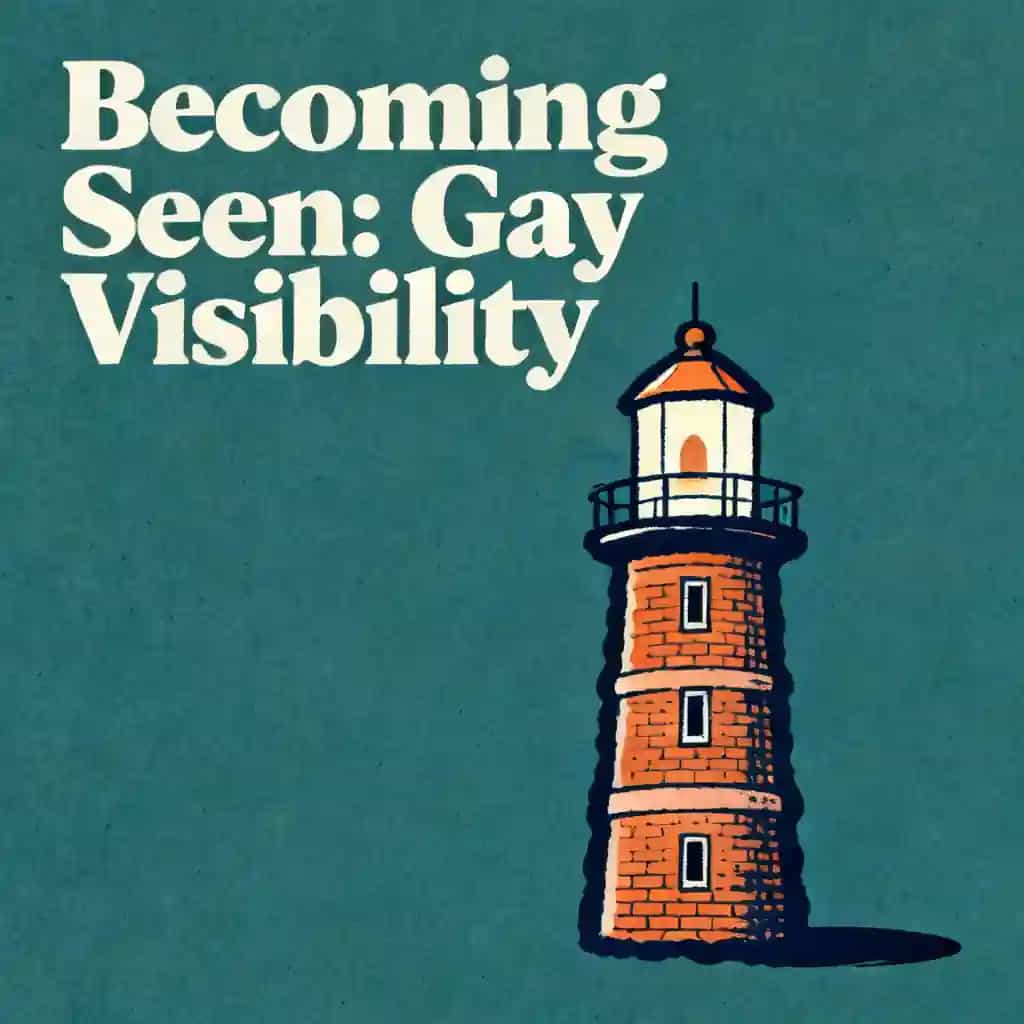
Aperçu de Stonewall
Stonewall chronicles the pivotal 1969 riots that ignited the LGBTQ+ movement, through six intimate personal stories. Hailed as "a national treasure" by The New Yorker's Masha Gessen, Duberman's masterpiece reveals how a single night of resistance forever changed America's fight for equality.
- Police brutality against LGBTQ+ patrons ignited the Stonewall Riots’ explosive rebellion.
- Marginalized drag queens and homeless youth led the Stonewall uprising’s violent resistance.
- Stonewall’s Mafia-run bar system fueled LGBTQ+ frustration with exploitation and corruption.
- Post-Stonewall activism birthed militant groups like the Gay Activists Alliance (GAA).
- Duberman frames Stonewall through six personal stories of oppression and courage.
- “Gay Power” slogans marked a shift from assimilation to confrontational protest.
- Sylvia Rivera’s account reveals police clubbing protesters during the six-day riots.
- Media coverage and activist flyers amplified Stonewall’s call for LGBTQ+ rights.
- The riots exposed generational divides between pre-Stonewall groups and radical youth.
- Craig Rodwell’s “GET THE COPS OUT” demand became a post-Stonewall rallying cry.
À propos de l'auteur de Stonewall
Martin Duberman, acclaimed historian and LGBTQ rights scholar, authored Stonewall, the definitive account of the 1969 uprising that ignited the modern queer liberation movement. A Distinguished Professor Emeritus at CUNY and founder of its Center for Lesbian and Gay Studies, Duberman draws from decades of activism and academic rigor to explore themes of police brutality, community resistance, and identity in this historical nonfiction work. His personal journey—documented in memoirs like Cures: A Gay Man’s Odyssey—and leadership in organizations like Lambda Legal inform the book’s vivid portrayal of grassroots activism.
Duberman’s extensive bibliography includes award-winning biographies (Paul Robeson), institutional histories (Black Mountain), and social justice narratives (The Rest of It). Recognized as one of the pre-eminent chroniclers of LGBTQ history, his works have shaped academic discourse and activist strategy for generations. Stonewall remains a cornerstone text in gender studies programs and has been cited in landmark civil rights cases, solidifying its status as an essential resource for understanding LGBTQ liberation.
FAQ sur Stonewall
What is Stonewall by Martin Duberman about?
Stonewall chronicles the 1969 Stonewall Riots through the lives of six individuals, highlighting their experiences with police brutality, LGBTQ+ oppression, and the uprising’s role in sparking the modern gay rights movement. Duberman emphasizes how the riots stemmed from systemic police raids and mafia control of gay bars, culminating in violent clashes and organized activism. The book blends personal narratives with historical analysis to underscore the fight for equality.
Who should read Stonewall by Martin Duberman?
This book is essential for readers interested in LGBTQ+ history, social justice movements, or civil rights activism. Scholars, students, and advocates will appreciate its detailed accounts of grassroots organizing and the intersection of personal struggles with broader societal change. It’s also valuable for those exploring the origins of Pride and the Gay Liberation Front.
Is Stonewall by Martin Duberman worth reading?
Yes—Duberman’s meticulous research and compelling storytelling make Stonewall a seminal work on LGBTQ+ history. It offers a humanized perspective on the riots, balancing individual stories with political context. Critics praise its depth, though some note its narrow focus on specific figures over broader demographics.
What sparked the Stonewall Riots according to Martin Duberman?
Duberman argues the riots erupted from decades of police harassment, particularly raids on gay bars like the Stonewall Inn. Patrons resisted a June 28, 1969, raid, clashing violently with officers. Signs like “THEY INVADED OUR RIGHTS” captured protesters’ fury toward law enforcement and the mafia’s exploitation of LGBTQ+ spaces.
Who are the key figures in Stonewall?
The book centers on six activists, including Sylvia Rivera, a transgender advocate injured during the riots, and Craig Rodwell, who organized post-riot protests. Their stories illustrate diverse experiences of marginalization, resilience, and leadership in the LGBTQ+ movement.
How does Stonewall address police brutality?
Duberman details violent police tactics during raids, such as beatings and arrests, which fueled the riots. Reports of broken bones, bloodied protesters, and systemic abuse underscore the LGBTQ+ community’s defiance against oppression. The riots became a turning point in demanding accountability and rights.
What role did the mafia play in the Stonewall Inn?
The mafia controlled many gay bars, including Stonewall, exploiting patrons through overpriced drinks and payoffs to police. Duberman highlights how this corrupt dynamic intensified resentment, with activists like Rodwell demanding, “GET THE MAFIA AND THE COPS OUT OF GAY BARS”.
How does Stonewall portray the aftermath of the riots?
The book documents the riots’ legacy, including the rise of the Gay Liberation Front and Pride marches. Duberman shows how the uprising galvanized national activism, shifting LGBTQ+ advocacy from assimilationist approaches to direct action.
What critiques exist about Stonewall?
Some scholars argue the book prioritizes individual narratives over broader systemic analysis, potentially sidelining transgender and non-white contributors. Others note its dense detail might overwhelm casual readers, though it remains a foundational text.
How does Stonewall compare to other LGBTQ+ history books?
Unlike broader surveys, Stonewall offers intimate, character-driven storytelling. It complements works like The Stonewall Reader by focusing on grassroots activism rather than institutional milestones. Duberman’s emphasis on personal resilience distinguishes it from purely academic accounts.
Why is Stonewall still relevant today?
The book underscores ongoing struggles against police violence and LGBTQ+ discrimination. Its themes of resistance and community organizing resonate in contemporary movements like Black Lives Matter and transgender rights advocacy.
What quotes from Stonewall highlight its themes?
Notable lines include protest signs like “THEY INVADED OUR RIGHTS” and Rodwell’s call to expel the mafia and police. Duberman also quotes Rivera’s accounts of violence, emphasizing the cost of defiance: “dozens of LGBTQ+ protestors were injured”.
Ressentez le livre à travers la voix de l'auteur
Transformez les connaissances en idées captivantes et riches en exemples
Capturez les idées clés en un éclair pour un apprentissage rapide
Profitez du livre de manière ludique et engageante
Personnages de Stonewall
- Craig RodwellPioneering activist and bookstore owner
- Sylvia RiveraTransgender rights advocate and street survivor
- Yvonne FlowersBlack lesbian activist navigating race and gender
- Karla JayRadical feminist and lesbian activist
- Jim FourattActor and activist bridging counterculture
Thèmes clés dans Stonewall
- gay liberation movement
- police harassment resistance
- transgender rights origins
- homophile activism
- queer youth isolation
Citations de Stonewall
Their stories reveal how personal struggles transformed into political consciousness.
Despite these conditions, bars provided crucial gathering spaces.
Each found different survival strategies that would later shape their activism.
This early rejection haunted Craig for years.
Homosexuality was classified as a mental illness.
Explorez Votre Façon d'Apprendre
 Mode Résumé Rapide
Lisez ou écoutez le résumé de Stonewall en 9 minutes
Décomposez les idées clés de Stonewall en points faciles à comprendre pour découvrir comment les équipes innovantes créent, collaborent et grandissent.

 Mode Fun
Leçons de Stonewall Racontées en Histoires de 24 Min
Découvrez Stonewall à travers des récits vivants qui transforment les leçons d'innovation en moments mémorables et applicables.
 Mode Personnaliser
Découvrez Stonewall dans votre propre style d’apprentissage
Posez vos questions, choisissez votre style d’apprentissage et co-créez des idées qui vous correspondent vraiment.
Cree par des anciens de Columbia University a San Francisco
"Instead of endless scrolling, I just hit play on BeFreed. It saves me so much time."


"I never knew where to start with nonfiction—BeFreed’s book lists turned into podcasts gave me a clear path."


"Perfect balance between learning and entertainment. Finished ‘Thinking, Fast and Slow’ on my commute this week."
"Crazy how much I learned while walking the dog. BeFreed = small habits → big gains."
"Reading used to feel like a chore. Now it’s just part of my lifestyle."

"Feels effortless compared to reading. I’ve finished 6 books this month already."
"BeFreed turned my guilty doomscrolling into something that feels productive and inspiring."

"BeFreed turned my commute into learning time. 20-min podcasts are perfect for finishing books I never had time for."
"BeFreed replaced my podcast queue. Imagine Spotify for books — that’s it. 🙌"

"It is great for me to learn something from the book without reading it."
"The themed book list podcasts help me connect ideas across authors—like a guided audio journey."
"Makes me feel smarter every time before going to work"
Cree par des anciens de Columbia University a San Francisco
"Instead of endless scrolling, I just hit play on BeFreed. It saves me so much time."
"I never knew where to start with nonfiction—BeFreed’s book lists turned into podcasts gave me a clear path."
"Perfect balance between learning and entertainment. Finished ‘Thinking, Fast and Slow’ on my commute this week."
"Crazy how much I learned while walking the dog. BeFreed = small habits → big gains."
"Reading used to feel like a chore. Now it’s just part of my lifestyle."
"Feels effortless compared to reading. I’ve finished 6 books this month already."
"BeFreed turned my guilty doomscrolling into something that feels productive and inspiring."
"BeFreed turned my commute into learning time. 20-min podcasts are perfect for finishing books I never had time for."
"BeFreed replaced my podcast queue. Imagine Spotify for books — that’s it. 🙌"
"It is great for me to learn something from the book without reading it."
"The themed book list podcasts help me connect ideas across authors—like a guided audio journey."
"Makes me feel smarter every time before going to work"
"Instead of endless scrolling, I just hit play on BeFreed. It saves me so much time."
"I never knew where to start with nonfiction—BeFreed’s book lists turned into podcasts gave me a clear path."
"Perfect balance between learning and entertainment. Finished ‘Thinking, Fast and Slow’ on my commute this week."
"Crazy how much I learned while walking the dog. BeFreed = small habits → big gains."
"Reading used to feel like a chore. Now it’s just part of my lifestyle."
"Feels effortless compared to reading. I’ve finished 6 books this month already."
"BeFreed turned my guilty doomscrolling into something that feels productive and inspiring."
"BeFreed turned my commute into learning time. 20-min podcasts are perfect for finishing books I never had time for."
"BeFreed replaced my podcast queue. Imagine Spotify for books — that’s it. 🙌"
"It is great for me to learn something from the book without reading it."
"The themed book list podcasts help me connect ideas across authors—like a guided audio journey."
"Makes me feel smarter every time before going to work"
"Instead of endless scrolling, I just hit play on BeFreed. It saves me so much time."
"I never knew where to start with nonfiction—BeFreed’s book lists turned into podcasts gave me a clear path."
"Perfect balance between learning and entertainment. Finished ‘Thinking, Fast and Slow’ on my commute this week."
"Crazy how much I learned while walking the dog. BeFreed = small habits → big gains."
"Reading used to feel like a chore. Now it’s just part of my lifestyle."
"Feels effortless compared to reading. I’ve finished 6 books this month already."
"BeFreed turned my guilty doomscrolling into something that feels productive and inspiring."
"BeFreed turned my commute into learning time. 20-min podcasts are perfect for finishing books I never had time for."
"BeFreed replaced my podcast queue. Imagine Spotify for books — that’s it. 🙌"
"It is great for me to learn something from the book without reading it."
"The themed book list podcasts help me connect ideas across authors—like a guided audio journey."
"Makes me feel smarter every time before going to work"

Telecharger le resume de Stonewall
Obtenez le resume de Stonewall en PDF ou EPUB gratuit. Imprimez-le ou lisez-le hors ligne a tout moment.