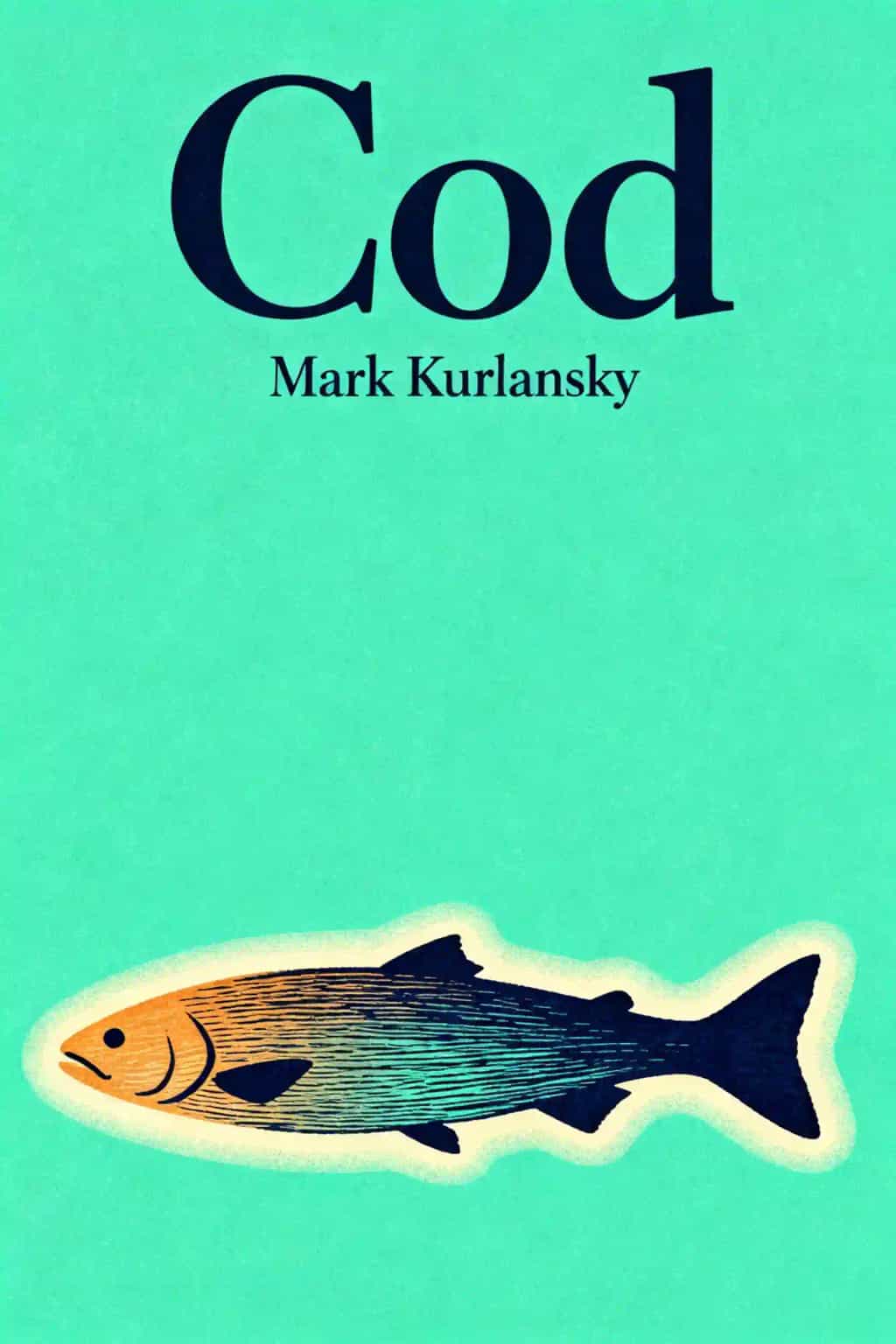
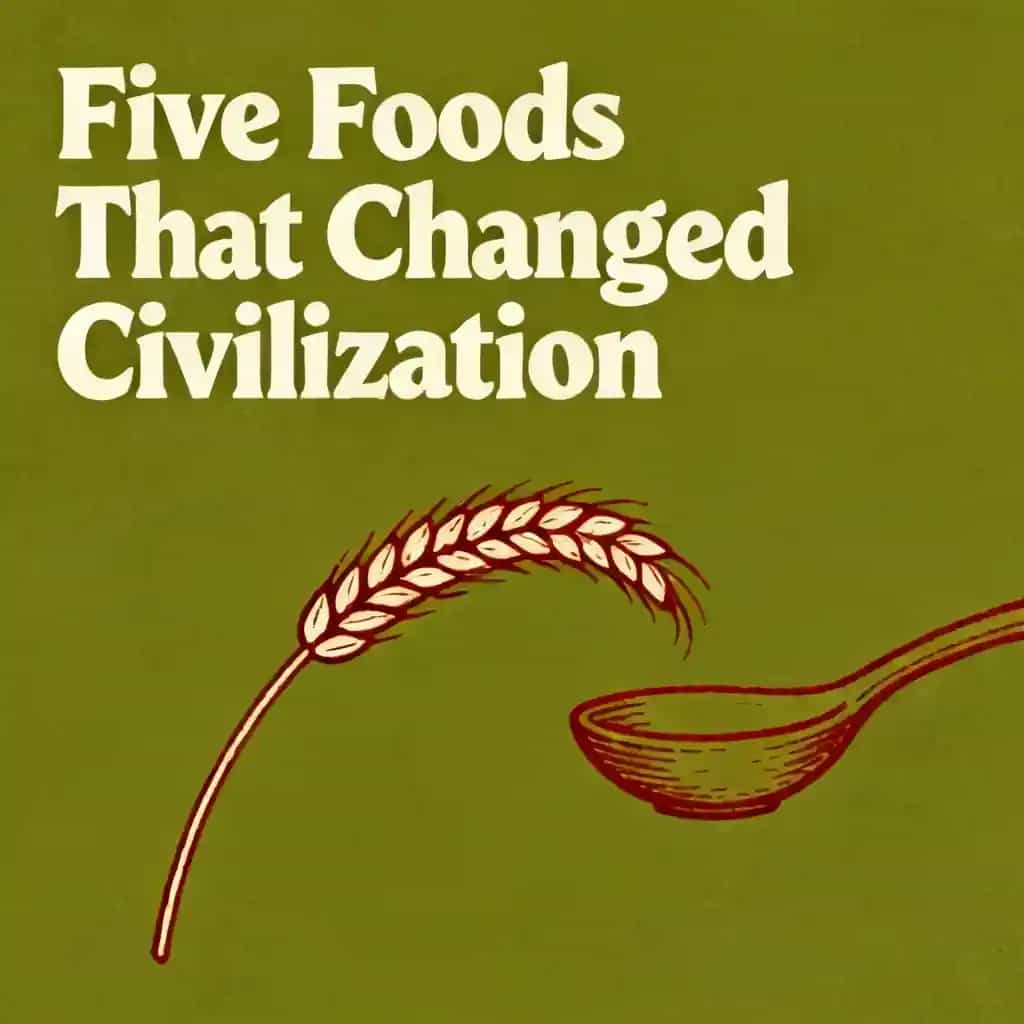
How did a humble white crystal spark revolutions, build empires, and shape civilization? "Salt" unveils the mineral that funded the Great Wall of China, sparked Gandhi's revolution, and changed food preservation forever. The substance worth its weight in gold - hiding in plain sight.
Ressentez le livre à travers la voix de l'auteur
Transformez les connaissances en idées captivantes et riches en exemples
Capturez les idées clés en un éclair pour un apprentissage rapide
Profitez du livre de manière ludique et engageante
Salt-a substance so ordinary today that we barely notice it-once rivaled gold in value and shaped the course of human civilization. This simple mineral toppled governments, fueled revolutions, and built vast trading empires. Throughout history, societies waged wars over access to salt deposits and trading routes. Salt was so valuable that Roman soldiers received part of their payment as "salarium"-the origin of our word "salary." As we sprinkle this common seasoning on our food without a second thought, it's almost impossible to imagine that this substance once held the power to determine the rise and fall of empires. Why has salt captivated humanity for thousands of years? The answer lies in its remarkable properties and essential role in our survival. Sodium chloride enables nutrient transport, nerve impulses, and muscle movement in our bodies. Without it, we die. Throughout history, salt preserved both food and bodies, giving it profound metaphorical significance as a symbol of permanence across Judaism, Christianity, and Islam. When humans began domesticating animals around 11,000 BCE, salt demand increased dramatically, as these creatures require substantial amounts. As agriculture developed and humans settled in permanent communities, salt became one of the first international trade commodities and early industries. Despite being nearly ubiquitous on earth, salt was desperately sought after until modern geology revealed its abundance. For millennia, it represented wealth-stockpiled by merchants, taxed by governments, and used as payment. The story of salt is ultimately the story of power, innovation, and human ingenuity across millennia-a substance that has been both a necessity for survival and a luxury for the wealthy.
Décomposez les idées clés de Salt en points faciles à comprendre pour découvrir comment les équipes innovantes créent, collaborent et grandissent.
Condensez Salt en indices de mémoire rapides mettant en évidence les principes clés de franchise, de travail d'équipe et de résilience créative.

Découvrez Salt à travers des récits vivants qui transforment les leçons d'innovation en moments mémorables et applicables.
Posez n'importe quelle question, choisissez la voix et co-créez des idées qui résonnent vraiment avec vous.

Cree par des anciens de Columbia University a San Francisco
"Instead of endless scrolling, I just hit play on BeFreed. It saves me so much time."
"I never knew where to start with nonfiction—BeFreed’s book lists turned into podcasts gave me a clear path."
"Perfect balance between learning and entertainment. Finished ‘Thinking, Fast and Slow’ on my commute this week."
"Crazy how much I learned while walking the dog. BeFreed = small habits → big gains."
"Reading used to feel like a chore. Now it’s just part of my lifestyle."
"Feels effortless compared to reading. I’ve finished 6 books this month already."
"BeFreed turned my guilty doomscrolling into something that feels productive and inspiring."
"BeFreed turned my commute into learning time. 20-min podcasts are perfect for finishing books I never had time for."
"BeFreed replaced my podcast queue. Imagine Spotify for books — that’s it. 🙌"
"It is great for me to learn something from the book without reading it."
"The themed book list podcasts help me connect ideas across authors—like a guided audio journey."
"Makes me feel smarter every time before going to work"
Cree par des anciens de Columbia University a San Francisco

Obtenez le resume de Salt en PDF ou EPUB gratuit. Imprimez-le ou lisez-le hors ligne a tout moment.