Aperçu de Letting Go
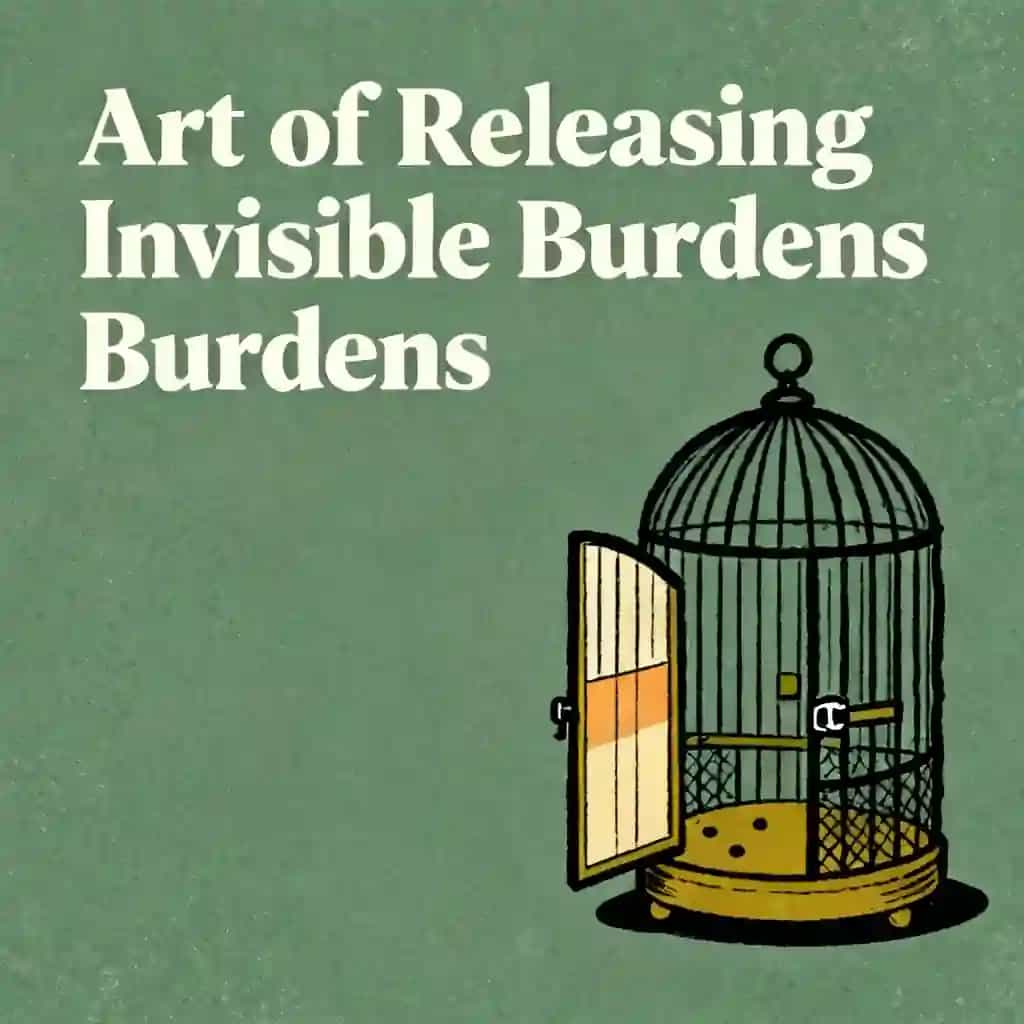
Discover why Dr. Wayne Dyer called "Letting Go" life-changing. David Hawkins' revolutionary technique for releasing negative emotions has transformed addicts, trauma survivors, and seekers worldwide. Mother Teresa praised its ability to spread "joy, love and compassion" - the ultimate path to inner peace.
- Suppressing emotions fuels Netflix-binging escapism; surrender dissolves their energetic hold.
- Hawkins’ emotional scale maps shame (20) to peace (600) as consciousness milestones.
- “I can’t” often masks “I won’t” – fear hides behind false powerlessness.
- Letting go of blame activates forgiveness; victimhood dissolves through radical accountability.
- Desire blocks fulfillment – release craving to access deserved abundance.
- Reframe trauma like Frankl: find growth-purpose in suffering’s furnace.
- Resistance prolongs pain; surrender to feelings without judgment ends their cycle.
- Approval-seeking feeds marketing manipulation – self-validation breaks external dependency.
- Hawkins’ Map of Consciousness® calibrates ego (sub-200) vs enlightenment (600+).
- Pride sustains lack; releasing identity-attachments invites effortless manifestation.
- Grief requires acceptance without resignation – serenity prayer guides the distinction.
- Your reality mirrors unresolved emotions; healing inward magnetizes external peace.
À propos de l'auteur de Letting Go
David R. Hawkins, M.D., Ph.D., was a nationally renowned psychiatrist, spiritual teacher, and bestselling author of Letting Go: The Pathway of Surrender. A pioneer in consciousness research, Hawkins blended his clinical expertise with spiritual insights.
Hawkins developed the influential "Map of Consciousness®" framework explored in his 25-translation trilogy Power vs. Force, The Eye of the I, and I: Reality and Subjectivity. His work bridges neuroscience and mysticism, addressing themes of emotional healing, surrender, and transcendence drawn from his psychiatric practice and leadership roles at the Institute for Spiritual Research.
A frequent media commentator featured on Oprah, The Today Show, and NPR, Hawkins advised monasteries and governments on conflict resolution. Knighted by Denmark’s Sovereign Order of St. John, he received the Huxley Award for advancing spiritual science.
Letting Go expands his signature "surrender" methodology, complementing works like Transcending the Levels of Consciousness and The Map of Consciousness Explained. His books have sold millions globally, with Power vs. Force reaching The New York Times bestseller list and being translated into over 25 languages.
FAQ sur Letting Go
What is Letting Go: The Pathway of Surrender about?
David R. Hawkins’ Letting Go teaches readers to release suppressed emotions through a three-step technique: awareness of feelings, experiencing them without resistance, and surrendering their energy. The book argues that clinging to emotions like fear or anger perpetuates suffering, while surrendering enables spiritual growth and inner freedom.
Who should read Letting Go: The Pathway of Surrender?
This book suits individuals seeking emotional resilience, spiritual growth, or relief from anxiety, grief, or chronic stress. It’s particularly relevant for self-help enthusiasts, mindfulness practitioners, and those interested in transcending limiting beliefs tied to relationships, career, or self-worth.
Is Letting Go worth reading?
Yes, Letting Go is praised for its actionable framework to address emotional blocks. Critics note its repetitive structure, but readers credit it with transformative insights into overcoming fear, desire, and pride. It’s a staple for those exploring non-traditional psychology or spirituality.
What is the “letting go” technique?
Hawkins’ method involves observing emotions (e.g., anger, fear) without judgment, allowing them to surface, and releasing resistance through acceptance. By surrendering the energy behind feelings, their hold dissipates naturally. This differs from suppression, as it focuses on mindful detachment rather than avoidance.
What are the main concepts in Letting Go?
- Fear: Persistent fear attracts negative experiences; surrendering it breaks the cycle.
- Desire: Strong attachment to outcomes blocks fulfillment; detachment aligns with subconscious worthiness.
- Pride: Replacing pride with joy fosters genuine self-esteem.
- Courage: Embracing vulnerability leads to conscious decision-making.
What are notable quotes from Letting Go?
- “Internal joy comes from the pleasure of giving and loving”.
- “The unconscious will allow us to have only what we think we deserve”.
- “A feeling that is not resisted will disappear”.
How does Letting Go address past trauma?
Hawkins advises reframing trauma by surrendering associated emotions (e.g., grief, resentment) and focusing on growth. This aligns with Viktor Frankl’s emphasis on finding meaning in suffering, as cited in the book.
What are criticisms of Letting Go?
Some readers find the advice oversimplified for severe issues like addiction, despite Hawkins’ claims it supports recovery. Others question assertions about desire causing scarcity mentality or pride hindering achievement.
How does Letting Go compare to Man’s Search for Meaning?
Both emphasize finding purpose through adversity, but Hawkins focuses on emotional release, while Frankl highlights existential choice. Letting Go offers a structured technique, whereas Frankl’s work is narrative-driven.
Can Letting Go improve relationships?
Yes, by releasing attachment to others’ approval and addressing internalized guilt or blame, the book aims to foster healthier connections rooted in unconditional giving rather than neediness.
Why is Letting Go relevant in 2025?
As mindfulness and emotional intelligence remain central to self-help trends, Hawkins’ surrender technique aligns with modern demands for non-pharmaceutical stress management and spiritual grounding.
What are books like Letting Go?
Fans of Letting Go may enjoy The Power of Now (Tolle) for mindfulness, Atomic Habits (Clear) for behavior change, or The Surrender Experiment (Singer) for spiritual surrender narratives.
How does pride hinder growth according to Letting Go?
Hawkins argues pride creates false self-importance, fueling defensiveness and stagnation. Replacing it with joy from genuine achievement fosters humility and sustained progress.
Ressentez le livre à travers la voix de l'auteur
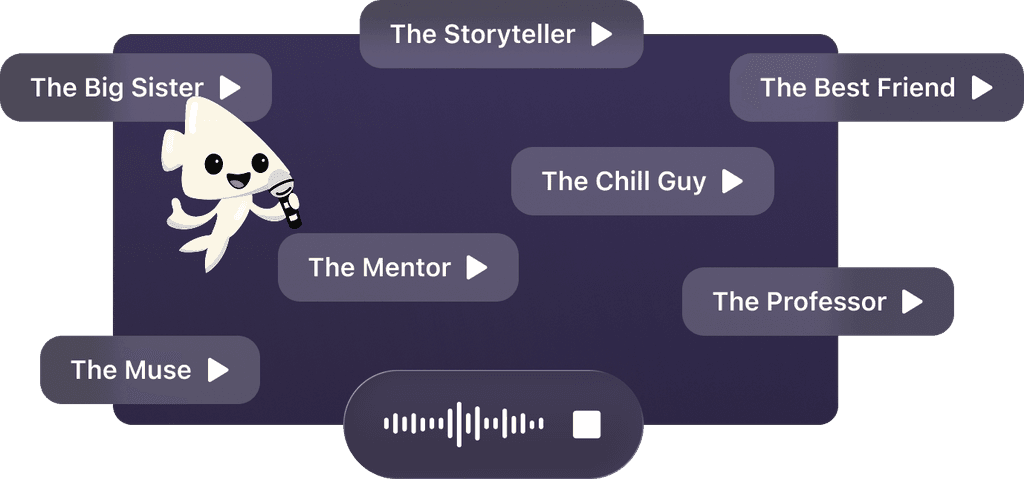
Transformez les connaissances en idées captivantes et riches en exemples
Capturez les idées clés en un éclair pour un apprentissage rapide
Profitez du livre de manière ludique et engageante
Personnages de Letting Go
- Dr. David HawkinsAuthor and psychiatrist who developed the method
Thèmes clés dans Letting Go
- emotional surrender
- levels of consciousness
- releasing suppressed emotions
- internal energy calibration
- overcoming ego resistance
Citations de Letting Go
Letting go involves being aware of a feeling, letting it come up, staying with it, and letting it run its course without wanting to make it different or do anything about it.
The feeling will run its course and disappear.
Surrender rather than effort leads to freedom.
The real source of stress isn't external circumstances but our internal emotional state.
It's the resistance to feelings that keeps them persisting.
Explorez Votre Façon d'Apprendre
 Mode Résumé Rapide
Lisez ou écoutez le résumé de Letting Go en 11 minutes
Décomposez les idées clés de Letting Go en points faciles à comprendre pour découvrir comment les équipes innovantes créent, collaborent et grandissent.

 Mode Fun
Leçons de Letting Go Racontées en Histoires de 19 Min
Découvrez Letting Go à travers des récits vivants qui transforment les leçons d'innovation en moments mémorables et applicables.
 Mode Personnaliser
Découvrez Letting Go dans votre propre style d’apprentissage
Posez vos questions, choisissez votre style d’apprentissage et co-créez des idées qui vous correspondent vraiment.
Cree par des anciens de Columbia University a San Francisco
"Instead of endless scrolling, I just hit play on BeFreed. It saves me so much time."


"I never knew where to start with nonfiction—BeFreed’s book lists turned into podcasts gave me a clear path."


"Perfect balance between learning and entertainment. Finished ‘Thinking, Fast and Slow’ on my commute this week."
"Crazy how much I learned while walking the dog. BeFreed = small habits → big gains."
"Reading used to feel like a chore. Now it’s just part of my lifestyle."

"Feels effortless compared to reading. I’ve finished 6 books this month already."
"BeFreed turned my guilty doomscrolling into something that feels productive and inspiring."

"BeFreed turned my commute into learning time. 20-min podcasts are perfect for finishing books I never had time for."
"BeFreed replaced my podcast queue. Imagine Spotify for books — that’s it. 🙌"

"It is great for me to learn something from the book without reading it."
"The themed book list podcasts help me connect ideas across authors—like a guided audio journey."
"Makes me feel smarter every time before going to work"
Cree par des anciens de Columbia University a San Francisco
"Instead of endless scrolling, I just hit play on BeFreed. It saves me so much time."
"I never knew where to start with nonfiction—BeFreed’s book lists turned into podcasts gave me a clear path."
"Perfect balance between learning and entertainment. Finished ‘Thinking, Fast and Slow’ on my commute this week."
"Crazy how much I learned while walking the dog. BeFreed = small habits → big gains."
"Reading used to feel like a chore. Now it’s just part of my lifestyle."
"Feels effortless compared to reading. I’ve finished 6 books this month already."
"BeFreed turned my guilty doomscrolling into something that feels productive and inspiring."
"BeFreed turned my commute into learning time. 20-min podcasts are perfect for finishing books I never had time for."
"BeFreed replaced my podcast queue. Imagine Spotify for books — that’s it. 🙌"
"It is great for me to learn something from the book without reading it."
"The themed book list podcasts help me connect ideas across authors—like a guided audio journey."
"Makes me feel smarter every time before going to work"
"Instead of endless scrolling, I just hit play on BeFreed. It saves me so much time."
"I never knew where to start with nonfiction—BeFreed’s book lists turned into podcasts gave me a clear path."
"Perfect balance between learning and entertainment. Finished ‘Thinking, Fast and Slow’ on my commute this week."
"Crazy how much I learned while walking the dog. BeFreed = small habits → big gains."
"Reading used to feel like a chore. Now it’s just part of my lifestyle."
"Feels effortless compared to reading. I’ve finished 6 books this month already."
"BeFreed turned my guilty doomscrolling into something that feels productive and inspiring."
"BeFreed turned my commute into learning time. 20-min podcasts are perfect for finishing books I never had time for."
"BeFreed replaced my podcast queue. Imagine Spotify for books — that’s it. 🙌"
"It is great for me to learn something from the book without reading it."
"The themed book list podcasts help me connect ideas across authors—like a guided audio journey."
"Makes me feel smarter every time before going to work"
"Instead of endless scrolling, I just hit play on BeFreed. It saves me so much time."
"I never knew where to start with nonfiction—BeFreed’s book lists turned into podcasts gave me a clear path."
"Perfect balance between learning and entertainment. Finished ‘Thinking, Fast and Slow’ on my commute this week."
"Crazy how much I learned while walking the dog. BeFreed = small habits → big gains."
"Reading used to feel like a chore. Now it’s just part of my lifestyle."
"Feels effortless compared to reading. I’ve finished 6 books this month already."
"BeFreed turned my guilty doomscrolling into something that feels productive and inspiring."
"BeFreed turned my commute into learning time. 20-min podcasts are perfect for finishing books I never had time for."
"BeFreed replaced my podcast queue. Imagine Spotify for books — that’s it. 🙌"
"It is great for me to learn something from the book without reading it."
"The themed book list podcasts help me connect ideas across authors—like a guided audio journey."
"Makes me feel smarter every time before going to work"

Telecharger le resume de Letting Go
Obtenez le resume de Letting Go en PDF ou EPUB gratuit. Imprimez-le ou lisez-le hors ligne a tout moment.