Aperçu de Hard choices
Step inside Hillary Clinton's diplomatic world where global crises meet personal conviction. The #1 NYT bestseller that sparked political debate, revealed her Iraq War regret, and offered unprecedented access to America's corridors of power during history's most turbulent moments.
- Hillary Clinton’s "smart power" strategy prioritizes diplomacy over military intervention when possible.
- Clinton’s Iraq War vote admission frames accountability in foreign policy decision-making.
- Behind-the-scenes conflicts with Obama on Syria and drone strikes revealed.
- Balancing US-China relations required nuanced economic and security negotiations.
- NATO’s post-Srebrenica role redefined US-led humanitarian military interventions.
- Clinton’s advocacy for arming Syrian rebels countered Obama’s cautious stance.
- Benghazi attack response underscores challenges in protecting diplomatic missions.
- Drone strike debates highlight tensions between security and ethical oversight.
- Personal diplomacy with global leaders shaped crisis-resolution strategies.
- Clinton’s pro-Israel stance influenced Middle East policy negotiations.
- Economic leverage concerns with China drove intellectual property reforms.
- Post-2008 reconciliation with Obama enabled political collaboration and trust.
À propos de l'auteur de Hard choices
Hillary Diane Rodham Clinton, former U.S. Secretary of State and architect of global diplomacy, brings her unparalleled political experience to Hard Choices, a compelling memoir chronicling pivotal decisions during her tenure steering international relations. This insider’s account of statecraft blends geopolitical analysis with personal reflection, anchored by Clinton’s expertise in foreign policy forged through roles as First Lady, U.S. Senator, and America’s top diplomat.
Her advocacy for human rights—exemplified by her landmark 1995 Beijing speech declaring “women’s rights are human rights”—informs the book’s themes of leadership and global equity.
Clinton’s authority stems from decades of public service, including co-founding Arkansas Advocates for Children and Families, championing healthcare reform, and negotiating sanctions that led to the Iran nuclear deal. Her novel State of Terror, a political thriller co-authored with Louise Penny, further showcases her grasp of international intrigue. Hard Choices became a New York Times bestseller, cementing Clinton’s voice as a defining analyst of 21st-century geopolitics.
As the first woman to secure a major U.S. party’s presidential nomination, her perspectives bridge grassroots advocacy and high-stakes statecraft.
FAQ sur Hard choices
What is Hard Choices by Hillary Rodham Clinton about?
Hard Choices chronicles Hillary Clinton’s tenure as U.S. Secretary of State (2009–2013), detailing diplomatic challenges like rebuilding alliances, addressing global crises, and navigating decisions such as the Osama bin Laden raid and Middle East conflicts. Clinton reflects on her collaboration with President Obama and lessons learned about U.S. leadership in a rapidly changing world.
Who should read Hard Choices by Hillary Rodham Clinton?
This memoir suits readers interested in modern U.S. foreign policy, political leadership, or Clinton’s career trajectory. It offers insider perspectives for policy students, professionals analyzing diplomatic strategy, and voters evaluating her 2016 presidential campaign context.
Is Hard Choices worth reading?
Yes, for its granular analysis of Obama-era foreign policy and Clinton’s candid reflections on mistakes like her Iraq War vote. While critics note restrained personal revelations, it provides historical value for understanding U.S. diplomacy and Clinton’s political evolution.
What are the main themes in Hard Choices?
Key themes include balancing idealism with pragmatism in diplomacy, rebuilding U.S. global credibility post-Iraq War, and addressing asymmetric threats like cyberattacks. Clinton emphasizes coalition-building and gender equality as foreign policy tools.
How does Hillary Clinton describe her relationship with Barack Obama in Hard Choices?
Clinton portrays a professionally collaborative but initially strained dynamic post-2008 primary, evolving into mutual respect. She highlights their shared decision-making on issues like Libya and bin Laden, though some passages subtly hint at unresolved tensions.
What foreign policy decisions does Clinton critique in Hard Choices?
Clinton admits regret over her 2002 Iraq War vote and discusses challenges like the Afghan surge, Arab Spring responses, and Russia’s annexation of Crimea. She defends interventions in Libya but acknowledges later instability.
How was Hard Choices received by critics?
Critics praised its detailed policy analysis but noted its cautious tone, with The New York Times calling it “sober and substantive” while The Independent highlighted its strategic avoidance of controversy ahead of Clinton’s 2016 run.
What key quotes define Hard Choices?
- “We were playing the long game”: Clinton’s approach to incremental diplomatic progress.
- “The world is too interconnected to go it alone”: Advocacy for multilateralism.
How does Hard Choices compare to Clinton’s earlier memoir Living History?
Unlike Living History’s personal focus, Hard Choices prioritizes policy over private life, reflecting Clinton’s shift from First Lady to stateswoman. It also addresses more contentious geopolitical issues.
Why is Hard Choices relevant to understanding the 2016 election?
The book frames Clinton’s foreign policy credentials while addressing vulnerabilities like Benghazi and email practices. It subtly positions her as a seasoned leader compared to political outsiders.
What insights does Hard Choices provide about gender in diplomacy?
Clinton discusses launching the first U.S. Office of Global Women’s Issues and advocating for women’s rights as economic policy. However, scholars note gaps in addressing systemic gender barriers in foreign institutions.
How does Hard Choices end?
Clinton concludes by linking her diplomatic work to ongoing global challenges, urging adaptability in leadership—a thematic bridge to her later Stronger Together (2016) and 2016 campaign themes.
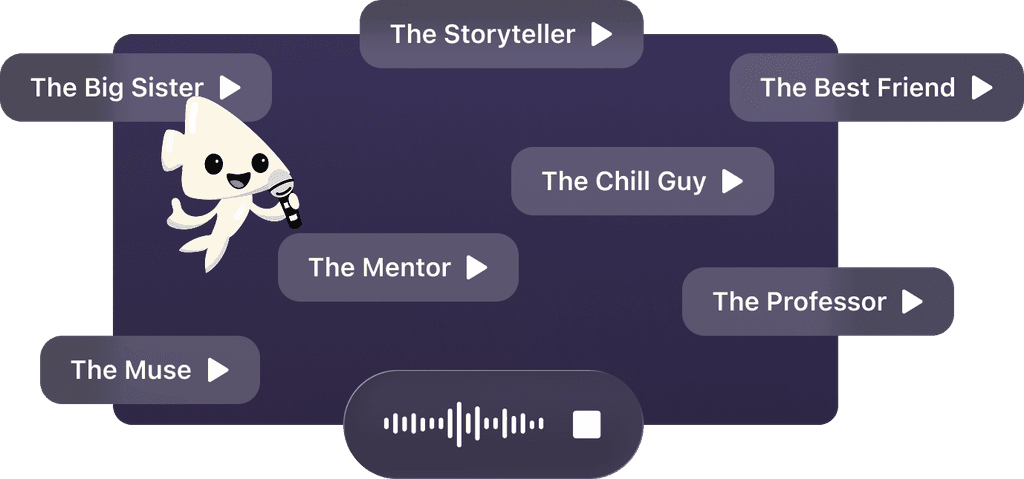
Ressentez le livre à travers la voix de l'auteur
Transformez les connaissances en idées captivantes et riches en exemples
Capturez les idées clés en un éclair pour un apprentissage rapide
Profitez du livre de manière ludique et engageante
Personnages de Hard choices
- Hillary Rodham ClintonU.S. Secretary of State and author
- Chen GuangchengBlind human rights activist and 'barefoot lawyer'
- Dai BingguoChinese State Councilor and career diplomat
- Yang JiechiChinese Foreign Minister and nationalist diplomat
Thèmes clés dans Hard choices
- smart power diplomacy
- pivot to asia
- international statecraft
- us-china relations
- forward-deployed diplomacy
Citations de Hard choices
China is a big country.
Go get him.
match action for action
Explorez Votre Façon d'Apprendre
 Mode Résumé Rapide
Lisez ou écoutez le résumé de Hard choices en 8 minutes
Décomposez les idées clés de Hard choices en points faciles à comprendre pour découvrir comment les équipes innovantes créent, collaborent et grandissent.

 Mode Fun
Leçons de Hard choices Racontées en Histoires de 22 Min
Découvrez Hard choices à travers des récits vivants qui transforment les leçons d'innovation en moments mémorables et applicables.
 Mode Personnaliser
Découvrez Hard choices dans votre propre style d’apprentissage
Posez vos questions, choisissez votre style d’apprentissage et co-créez des idées qui vous correspondent vraiment.
Cree par des anciens de Columbia University a San Francisco
"Instead of endless scrolling, I just hit play on BeFreed. It saves me so much time."


"I never knew where to start with nonfiction—BeFreed’s book lists turned into podcasts gave me a clear path."


"Perfect balance between learning and entertainment. Finished ‘Thinking, Fast and Slow’ on my commute this week."
"Crazy how much I learned while walking the dog. BeFreed = small habits → big gains."
"Reading used to feel like a chore. Now it’s just part of my lifestyle."

"Feels effortless compared to reading. I’ve finished 6 books this month already."
"BeFreed turned my guilty doomscrolling into something that feels productive and inspiring."

"BeFreed turned my commute into learning time. 20-min podcasts are perfect for finishing books I never had time for."
"BeFreed replaced my podcast queue. Imagine Spotify for books — that’s it. 🙌"

"It is great for me to learn something from the book without reading it."
"The themed book list podcasts help me connect ideas across authors—like a guided audio journey."
"Makes me feel smarter every time before going to work"
Cree par des anciens de Columbia University a San Francisco
"Instead of endless scrolling, I just hit play on BeFreed. It saves me so much time."
"I never knew where to start with nonfiction—BeFreed’s book lists turned into podcasts gave me a clear path."
"Perfect balance between learning and entertainment. Finished ‘Thinking, Fast and Slow’ on my commute this week."
"Crazy how much I learned while walking the dog. BeFreed = small habits → big gains."
"Reading used to feel like a chore. Now it’s just part of my lifestyle."
"Feels effortless compared to reading. I’ve finished 6 books this month already."
"BeFreed turned my guilty doomscrolling into something that feels productive and inspiring."
"BeFreed turned my commute into learning time. 20-min podcasts are perfect for finishing books I never had time for."
"BeFreed replaced my podcast queue. Imagine Spotify for books — that’s it. 🙌"
"It is great for me to learn something from the book without reading it."
"The themed book list podcasts help me connect ideas across authors—like a guided audio journey."
"Makes me feel smarter every time before going to work"
"Instead of endless scrolling, I just hit play on BeFreed. It saves me so much time."
"I never knew where to start with nonfiction—BeFreed’s book lists turned into podcasts gave me a clear path."
"Perfect balance between learning and entertainment. Finished ‘Thinking, Fast and Slow’ on my commute this week."
"Crazy how much I learned while walking the dog. BeFreed = small habits → big gains."
"Reading used to feel like a chore. Now it’s just part of my lifestyle."
"Feels effortless compared to reading. I’ve finished 6 books this month already."
"BeFreed turned my guilty doomscrolling into something that feels productive and inspiring."
"BeFreed turned my commute into learning time. 20-min podcasts are perfect for finishing books I never had time for."
"BeFreed replaced my podcast queue. Imagine Spotify for books — that’s it. 🙌"
"It is great for me to learn something from the book without reading it."
"The themed book list podcasts help me connect ideas across authors—like a guided audio journey."
"Makes me feel smarter every time before going to work"
"Instead of endless scrolling, I just hit play on BeFreed. It saves me so much time."
"I never knew where to start with nonfiction—BeFreed’s book lists turned into podcasts gave me a clear path."
"Perfect balance between learning and entertainment. Finished ‘Thinking, Fast and Slow’ on my commute this week."
"Crazy how much I learned while walking the dog. BeFreed = small habits → big gains."
"Reading used to feel like a chore. Now it’s just part of my lifestyle."
"Feels effortless compared to reading. I’ve finished 6 books this month already."
"BeFreed turned my guilty doomscrolling into something that feels productive and inspiring."
"BeFreed turned my commute into learning time. 20-min podcasts are perfect for finishing books I never had time for."
"BeFreed replaced my podcast queue. Imagine Spotify for books — that’s it. 🙌"
"It is great for me to learn something from the book without reading it."
"The themed book list podcasts help me connect ideas across authors—like a guided audio journey."
"Makes me feel smarter every time before going to work"

Telecharger le resume de Hard choices
Obtenez le resume de Hard choices en PDF ou EPUB gratuit. Imprimez-le ou lisez-le hors ligne a tout moment.