

Aperçu de Kokuhaku
A chilling revenge tale that transformed a housewife into an overnight sensation. Japan's "Gone Girl" explores motherhood and justice through six innovative narrative perspectives, captivating Michael Mann and dominating box offices. What dark truth about humanity makes this thriller so universally gut-wrenching?
- Confessions by Kanae Minato tells a teacher's dark revenge story.
- Teacher Yuko Moriguchi reveals which students murdered her young daughter.
- The book critiques how juvenile justice fails to protect victims.
- Kanae Minato created iyamisu subgenre mixing psychological horror with crime.
- Six different narrators expose the devastating ripple effects of revenge.
- Confessions explores how motherhood's protective instinct can become destructive vengeance.
- The infected milk symbolizes crossing irreversible moral and legal boundaries.
- Two middle school boys collaborate to murder their teacher's daughter.
- Each confession peels back layers of guilt, manipulation, and consequence.
- The debut novel won Japan's Booksellers Award and Oscar nomination.
- Minato proves revenge never stops with one act of retaliation.
- Confessions shocks readers by exposing humanity's capacity for calculated evil.
À propos de l'auteur de Kokuhaku
Kanae Minato is the bestselling author of Confessions and a leading voice in Japanese crime fiction and psychological thrillers. Born in 1973 in Hiroshima, Japan, Minato was a home economics teacher and housewife who wrote her debut novel in her thirties between household chores, transforming herself into one of Japan's most celebrated mystery writers.
Known as "the queen of iyamisu"—a subgenre of mystery fiction exploring the dark side of human nature—Minato crafts psychological narratives centered on revenge, moral ambiguity, and unsettling human behavior. Her work draws influence from mystery masters like Agatha Christie and Edogawa Ranpo. She is a member of the Mystery Writers of Japan and a 2015 recipient of the Alex Awards.
Confessions became a literary phenomenon in Japan, selling over three million copies and winning the Japanese Booksellers Award. The book was adapted into an Oscar-shortlisted film and described by critics as "the Gone Girl of Japan," with The Wall Street Journal naming it one of the 10 best mysteries of 2014.
FAQ sur Kokuhaku
What is Confessions by Kanae Minato about?
Confessions by Kanae Minato is a psychological thriller about middle school teacher Yuko Moriguchi whose four-year-old daughter Manami is murdered by two of her students. In her final resignation speech, Moriguchi exposes the killers to her class and reveals her diabolical revenge plot. Told through six different perspectives, the novel explores the devastating consequences of her confession as secrets unravel and darkness consumes everyone involved.
Who should read Confessions by Kanae Minato?
Confessions by Kanae Minato is ideal for fans of dark psychological thrillers like Gone Girl and readers who appreciate complex, morally ambiguous narratives. This book suits those interested in Japanese crime fiction, multi-perspective storytelling, and explorations of revenge and human nature's darkest corners. However, it's not recommended for readers sensitive to child death, extreme violence, or disturbing content, as the novel deals with intense and unsettling themes throughout.
Is Confessions by Kanae Minato worth reading?
Confessions by Kanae Minato is absolutely worth reading for thriller enthusiasts seeking something darker and more psychologically complex. The international bestseller sold over three million copies in Japan, won the prestigious Japanese Booksellers Award, and was selected by the Wall Street Journal as one of 2014's best mysteries. Its shocking plot twists, unreliable narrators, and haunting examination of revenge create an unforgettable reading experience that lingers long after the final page.
Who is Kanae Minato and what is her background?
Kanae Minato is a Japanese crime fiction author born in 1973 who began writing in her thirties while working as a home economics teacher and housewife. She wrote Confessions, her debut novel, between household chores, and it became an instant bestseller that transformed her into Japan's top-selling novelist. Known as "the queen of iyamisu," Minato has won multiple awards including the Mystery Writers of Japan Award and continues to be a prominent voice in dark psychological fiction.
What genre is Confessions by Kanae Minato?
Confessions by Kanae Minato belongs to the "iyamisu" genre—a Japanese subgenre of mystery fiction meaning "eww mystery" that focuses on grisly episodes and the dark side of human nature. The novel combines elements of psychological thriller, crime fiction, and suspense with disturbing themes of revenge, murder, and moral corruption. This genre emphasizes emotional discomfort and explores humanity's capacity for evil rather than traditional detective-style puzzle-solving.
What are the main themes in Confessions by Kanae Minato?
Confessions by Kanae Minato explores revenge and its devastating ripple effects, examining how a mother's quest for justice destroys multiple lives. The novel delves into motherhood's complexities, the failures of juvenile justice systems, and perception versus reality. Additional themes include blame, guilt, consequences of actions, power dynamics between teachers and students, and social issues surrounding mental health. Minato questions whether revenge brings closure or merely perpetuates cycles of violence and suffering.
How is Confessions by Kanae Minato structured?
Confessions by Kanae Minato unfolds through six distinct chapters, each narrated from a different character's perspective: teacher Yuko Moriguchi, students Mizuki Kitahara, Naoki Shitamura, and Shuya Watanabe, plus Naoki's mother and sister. Each section employs different formats including speeches, letters, diary entries, and flashbacks. This multi-perspective approach gradually reveals hidden truths, contradictions, and shocking revelations, creating an intricate puzzle where each confession adds another disturbing layer to the narrative.
What is the revenge plot in Confessions by Kanae Minato?
In Confessions by Kanae Minato, teacher Yuko Moriguchi discovers that students Shuya and Naoki murdered her daughter Manami by electrocuting her and drowning her in the school pool. Contemptuous of Japan's lenient juvenile justice system, Moriguchi enacts psychological revenge by publicly exposing them in her resignation speech and claiming she contaminated their school milk with HIV-infected blood from her ex-fiancé. This confession triggers paranoia, guilt, and a devastating chain of events affecting everyone involved.
What is iyamisu and why is Confessions considered iyamisu?
Iyamisu, meaning "eww mystery," is a Japanese thriller subgenre focusing on disturbing content and humanity's dark nature rather than traditional puzzle-solving mysteries. Confessions by Kanae Minato exemplifies iyamisu through its grisly child murder, psychological torture, morally corrupt characters, and deeply unsettling themes. Unlike cozy mysteries, iyamisu novels leave readers emotionally disturbed and uncomfortable. Kanae Minato is considered "the queen of iyamisu," with Confessions establishing the genre's international appeal and influence.
How does Confessions by Kanae Minato compare to Gone Girl?
Confessions by Kanae Minato has been called "the Gone Girl of Japan" due to both novels featuring unreliable narrators, shocking plot twists, and morally ambiguous characters. While Gone Girl explores a toxic marriage, Confessions examines revenge within a student-teacher dynamic. Both books challenge readers' sympathies and expectations through multiple perspectives. However, Confessions is significantly darker, dealing with child murder and psychological horror, whereas Gone Girl focuses more on manipulation and deception between adults.
What are the criticisms of Confessions by Kanae Minato?
Critics of Confessions by Kanae Minato cite its extremely dark and disturbing content as potentially gratuitous, arguing the novel dwells excessively on violence against children and psychological torture. Some readers find the characters unsympathetic and the revenge plot morally questionable without redemption. The book's stigmatizing language around HIV/AIDS and certain mental health portrayals have also drawn criticism. Additionally, the relentlessly bleak tone and lack of hope can feel overwhelming or exploitative to some audiences.
Why is Confessions by Kanae Minato still relevant in 2025?
Confessions by Kanae Minato remains relevant in 2025 due to ongoing discussions about school safety, juvenile crime, and social media's role in bullying and public shaming. The novel's exploration of inadequate mental health support for troubled youth resonates amid today's mental health crisis. Recent BookTok and BookTube revivals have introduced Confessions to new audiences seeking dark psychological content. Its themes of revenge, perception versus reality, and accountability continue to spark conversations about justice and morality in contemporary society.
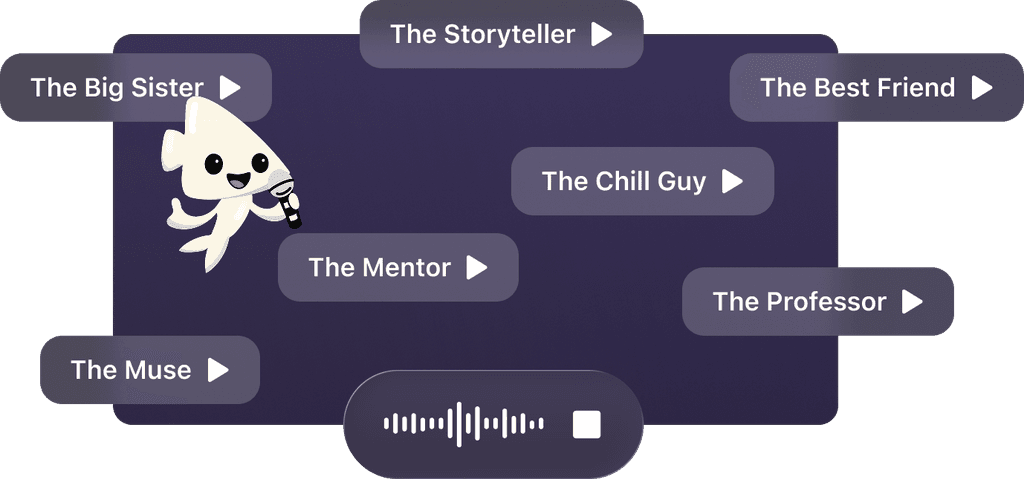
Ressentez le livre à travers la voix de l'auteur
Transformez les connaissances en idées captivantes et riches en exemples
Capturez les idées clés en un éclair pour un apprentissage rapide
Profitez du livre de manière ludique et engageante
Personnages de Kokuhaku
- Yuko MoriguchiA grieving teacher seeking revenge for her child
- Shuya WatanabeStudent A, a scientific prodigy seeking attention
- Naoki ShitamuraStudent B, a lonely boy who pushed Manami in
- MizuhoA studious class representative and observer
- TeradaThe new teacher nicknamed 'Werther'
Thèmes clés dans Kokuhaku
- vigilante justice
- juvenile delinquency
- maternal grief
- psychological manipulation
- classroom bullying
Citations de Kokuhaku
Life is precious.
I just wanted someone to notice me.
No one is innocent, no one is trustworthy.
I savored each moment, knowing they might be my last.
Explorez Votre Façon d'Apprendre
 Mode Résumé Rapide
Lisez ou écoutez le résumé de Kokuhaku en 9 minutes
Décomposez les idées clés de Kokuhaku en points faciles à comprendre pour découvrir comment les équipes innovantes créent, collaborent et grandissent.

 Mode Fun
Leçons de Kokuhaku Racontées en Histoires de 24 Min
Découvrez Kokuhaku à travers des récits vivants qui transforment les leçons d'innovation en moments mémorables et applicables.
 Mode Personnaliser
Découvrez Kokuhaku dans votre propre style d’apprentissage
Posez vos questions, choisissez votre style d’apprentissage et co-créez des idées qui vous correspondent vraiment.
Cree par des anciens de Columbia University a San Francisco
"Instead of endless scrolling, I just hit play on BeFreed. It saves me so much time."


"I never knew where to start with nonfiction—BeFreed’s book lists turned into podcasts gave me a clear path."


"Perfect balance between learning and entertainment. Finished ‘Thinking, Fast and Slow’ on my commute this week."
"Crazy how much I learned while walking the dog. BeFreed = small habits → big gains."
"Reading used to feel like a chore. Now it’s just part of my lifestyle."

"Feels effortless compared to reading. I’ve finished 6 books this month already."
"BeFreed turned my guilty doomscrolling into something that feels productive and inspiring."

"BeFreed turned my commute into learning time. 20-min podcasts are perfect for finishing books I never had time for."
"BeFreed replaced my podcast queue. Imagine Spotify for books — that’s it. 🙌"

"It is great for me to learn something from the book without reading it."
"The themed book list podcasts help me connect ideas across authors—like a guided audio journey."
"Makes me feel smarter every time before going to work"
Cree par des anciens de Columbia University a San Francisco
"Instead of endless scrolling, I just hit play on BeFreed. It saves me so much time."
"I never knew where to start with nonfiction—BeFreed’s book lists turned into podcasts gave me a clear path."
"Perfect balance between learning and entertainment. Finished ‘Thinking, Fast and Slow’ on my commute this week."
"Crazy how much I learned while walking the dog. BeFreed = small habits → big gains."
"Reading used to feel like a chore. Now it’s just part of my lifestyle."
"Feels effortless compared to reading. I’ve finished 6 books this month already."
"BeFreed turned my guilty doomscrolling into something that feels productive and inspiring."
"BeFreed turned my commute into learning time. 20-min podcasts are perfect for finishing books I never had time for."
"BeFreed replaced my podcast queue. Imagine Spotify for books — that’s it. 🙌"
"It is great for me to learn something from the book without reading it."
"The themed book list podcasts help me connect ideas across authors—like a guided audio journey."
"Makes me feel smarter every time before going to work"
"Instead of endless scrolling, I just hit play on BeFreed. It saves me so much time."
"I never knew where to start with nonfiction—BeFreed’s book lists turned into podcasts gave me a clear path."
"Perfect balance between learning and entertainment. Finished ‘Thinking, Fast and Slow’ on my commute this week."
"Crazy how much I learned while walking the dog. BeFreed = small habits → big gains."
"Reading used to feel like a chore. Now it’s just part of my lifestyle."
"Feels effortless compared to reading. I’ve finished 6 books this month already."
"BeFreed turned my guilty doomscrolling into something that feels productive and inspiring."
"BeFreed turned my commute into learning time. 20-min podcasts are perfect for finishing books I never had time for."
"BeFreed replaced my podcast queue. Imagine Spotify for books — that’s it. 🙌"
"It is great for me to learn something from the book without reading it."
"The themed book list podcasts help me connect ideas across authors—like a guided audio journey."
"Makes me feel smarter every time before going to work"
"Instead of endless scrolling, I just hit play on BeFreed. It saves me so much time."
"I never knew where to start with nonfiction—BeFreed’s book lists turned into podcasts gave me a clear path."
"Perfect balance between learning and entertainment. Finished ‘Thinking, Fast and Slow’ on my commute this week."
"Crazy how much I learned while walking the dog. BeFreed = small habits → big gains."
"Reading used to feel like a chore. Now it’s just part of my lifestyle."
"Feels effortless compared to reading. I’ve finished 6 books this month already."
"BeFreed turned my guilty doomscrolling into something that feels productive and inspiring."
"BeFreed turned my commute into learning time. 20-min podcasts are perfect for finishing books I never had time for."
"BeFreed replaced my podcast queue. Imagine Spotify for books — that’s it. 🙌"
"It is great for me to learn something from the book without reading it."
"The themed book list podcasts help me connect ideas across authors—like a guided audio journey."
"Makes me feel smarter every time before going to work"

Telecharger le resume de Kokuhaku
Obtenez le resume de Kokuhaku en PDF ou EPUB gratuit. Imprimez-le ou lisez-le hors ligne a tout moment.


