

Aperçu de Bossypants
In "Bossypants," comedy queen Tina Fey delivers razor-sharp wit while navigating a male-dominated industry. Mariah Carey called it her pregnancy lifeline. This Goodreads Humor Award winner asks: Can you outperform your critics while ignoring obstacles? Fey's audiobook narration alone is worth it.
- "Yes, and" improv rule builds collaborative leadership in workplace dynamics
- Embrace flaws as comic fuel to disarm critics and own authenticity
- Competition with everyone sharpens skills—not just female peers—in creative industries
- Humor reframes career setbacks as material for future creative breakthroughs
- Hire Harvard strategists and Chicago improvisers to balance precision with spontaneity
- Perfectionism kills comedy—ship work when deadlines hit, not when polished
- Bossypants leadership means trusting talent while maintaining decisive creative control
- Bombing onstage teaches resilience better than playing safe ever could
- Television aesthetics matter less than emotionally precise human behavior acting
- Strategic mentorship beats raw talent for navigating male-dominated comedy spaces
- "Bossypants mentality" requires leading with unapologetic self-awareness in meetings
- Career longevity comes from coalitions with Poehler-esque allies, not lone genius
À propos de l'auteur de Bossypants
Elizabeth Stamatina “Tina” Fey, author of the bestselling memoir Bossypants, is an Emmy-winning comedian, writer, and producer renowned for her sharp wit and trailblazing career in comedy. The book blends self-deprecating humor, workplace anecdotes, and feminist themes, reflecting Fey’s experiences as Saturday Night Live’s first female head writer and creator of the acclaimed sitcom 30 Rock.
A nine-time SNL veteran and seven-time Emmy winner, Fey’s career highlights include writing the cult classic film Mean Girls, co-hosting the Golden Globes with Amy Poehler, and co-creating Netflix’s Unbreakable Kimmy Schmidt. Her work has earned the Mark Twain Prize for American Humor, four Writers Guild Awards, and a star on the Hollywood Walk of Fame.
Bossypants debuted at #1 on The New York Times Best Seller List, praised for its candid exploration of motherhood, gender dynamics, and the entertainment industry. The memoir has been translated into over 20 languages and remains a staple in contemporary humor literature.
FAQ sur Bossypants
What is Bossypants by Tina Fey about?
Bossypants is Tina Fey’s humorous memoir chronicling her journey from an awkward childhood to becoming a trailblazer in comedy. It explores her experiences on Saturday Night Live and 30 Rock, critiques gender inequality in entertainment, and reflects on societal pressures faced by women. Fey blends personal anecdotes—like her infamous facial scar—with sharp insights on feminism, balancing career and motherhood, and overcoming industry double standards.
Who should read Bossypants by Tina Fey?
The book appeals to fans of Fey’s comedy, aspiring comedians, and readers interested in feminist perspectives on workplace dynamics. While primarily targeting women navigating career challenges, male audiences will also appreciate its wit and behind-the-scenes entertainment industry stories. Those seeking lighthearted yet incisive commentary on modern womanhood will find it engaging.
Is Bossypants worth reading?
Yes—Bossypants offers a witty, relatable look at Tina Fey’s career and the obstacles women face in male-dominated fields. Its humor and candid reflections on motherhood, body image, and sexism make it both entertaining and thought-provoking. Critics praise its balance of comedy and social commentary, though some note its niche appeal to Fey’s fanbase.
How does Bossypants address sexism in comedy?
Fey recounts systemic barriers female comedians face, such as being held to unrealistic beauty standards or dismissed as “bossy.” She highlights her role as SNL’s first female head writer and satirizes gender stereotypes through sketches like her Sarah Palin impersonation. The book underscores the importance of resilience and humor in challenging industry sexism.
What are the key life lessons in Bossypants?
- Embrace imperfection: Fey’s scar becomes a metaphor for owning flaws.
- Persist despite doubt: Lorne Michaels’ mantra—“We do the show because it’s 11:30”—emphasizes action over perfection.
- Challenge norms: Fey advocates rejecting societal pressures to conform to gendered expectations.
How does Tina Fey discuss motherhood in Bossypants?
Fey humorously recounts the chaos of balancing parenting with a demanding career, rejecting the myth of “having it all.” She candidly discusses societal judgment toward working mothers and the absurdity of “mom guilt,” offering a refreshingly honest take on modern parenthood.
What iconic quotes are in Bossypants?
- On resilience: “You can’t be that kid standing at the top of the waterslide, overthinking it.”
- On sexism: “The definition of ‘crazy’ in show business is a woman who keeps talking even after no one wants to fuck her anymore.”
How does Bossypants critique beauty standards?
Fey satirizes unrealistic expectations through anecdotes about photoshop fails and absurd diet trends. She rejects the idea that women must prioritize appearance over talent, arguing that humor and competence are more empowering than conventional beauty.
What is the significance of Tina Fey’s facial scar in Bossypants?
The scar—from a childhood attack—serves as a metaphor for resilience. Fey details how reactions to it reveal others’ character, turning a traumatic event into a symbol of self-acceptance. It underscores her theme of embracing imperfections.
How does Bossypants reflect on Fey’s time at SNL?
Fey shares behind-the-scenes stories, including writing sketches under tight deadlines and navigating workplace politics. She credits SNL for shaping her comedic voice but critiques its early lack of gender diversity, highlighting progress made during her tenure.
What criticisms exist about Bossypants?
Some critics argue the book prioritizes humor over depth, with occasional disjointed anecdotes. Conservative readers may dislike its liberal viewpoints, though Fey maintains a respectful tone. A few note it resonates more strongly with female audiences.
Why is Bossypants still relevant in 2025?
Its exploration of gender inequality, workplace dynamics, and societal pressures remains timely. Fey’s advocacy for women supporting women and embracing authenticity aligns with ongoing conversations about feminism and inclusivity in entertainment and beyond.
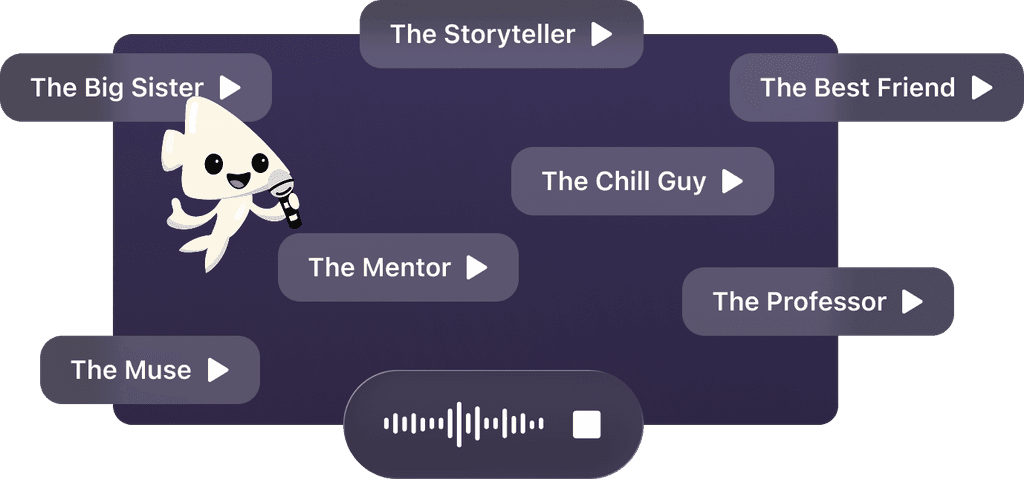
Ressentez le livre à travers la voix de l'auteur
Transformez les connaissances en idées captivantes et riches en exemples
Capturez les idées clés en un éclair pour un apprentissage rapide
Profitez du livre de manière ludique et engageante
Personnages de Bossypants
- Tina FeyThe author, comedian, and protagonist
- Don FeyTina's father, a Korean War code breaker
- Larry WentzlerDirector of the Summer Showtime youth program
- Mr. GarthA health teacher with prejudiced views
- Mr. EnglerA resident at the Evanston YMCA
Thèmes clés dans Bossypants
- female comedy writers
- workplace gender politics
- improv theater culture
- modern motherhood challenges
- professional creative leadership
Citations de Bossypants
She just is funny.
The gift of anxiety.
Infinite physical deficiencies.
Frida Kahlo in leggings.
A pretty successful implementation of Christianity.
Explorez Votre Façon d'Apprendre
 Mode Résumé Rapide
Lisez ou écoutez le résumé de Bossypants en 8 minutes
Décomposez les idées clés de Bossypants en points faciles à comprendre pour découvrir comment les équipes innovantes créent, collaborent et grandissent.

 Mode Fun
Leçons de Bossypants Racontées en Histoires de 20 Min
Découvrez Bossypants à travers des récits vivants qui transforment les leçons d'innovation en moments mémorables et applicables.
 Mode Personnaliser
Découvrez Bossypants dans votre propre style d’apprentissage
Posez vos questions, choisissez votre style d’apprentissage et co-créez des idées qui vous correspondent vraiment.
Cree par des anciens de Columbia University a San Francisco
"Instead of endless scrolling, I just hit play on BeFreed. It saves me so much time."


"I never knew where to start with nonfiction—BeFreed’s book lists turned into podcasts gave me a clear path."


"Perfect balance between learning and entertainment. Finished ‘Thinking, Fast and Slow’ on my commute this week."
"Crazy how much I learned while walking the dog. BeFreed = small habits → big gains."
"Reading used to feel like a chore. Now it’s just part of my lifestyle."

"Feels effortless compared to reading. I’ve finished 6 books this month already."
"BeFreed turned my guilty doomscrolling into something that feels productive and inspiring."

"BeFreed turned my commute into learning time. 20-min podcasts are perfect for finishing books I never had time for."
"BeFreed replaced my podcast queue. Imagine Spotify for books — that’s it. 🙌"

"It is great for me to learn something from the book without reading it."
"The themed book list podcasts help me connect ideas across authors—like a guided audio journey."
"Makes me feel smarter every time before going to work"
Cree par des anciens de Columbia University a San Francisco
"Instead of endless scrolling, I just hit play on BeFreed. It saves me so much time."
"I never knew where to start with nonfiction—BeFreed’s book lists turned into podcasts gave me a clear path."
"Perfect balance between learning and entertainment. Finished ‘Thinking, Fast and Slow’ on my commute this week."
"Crazy how much I learned while walking the dog. BeFreed = small habits → big gains."
"Reading used to feel like a chore. Now it’s just part of my lifestyle."
"Feels effortless compared to reading. I’ve finished 6 books this month already."
"BeFreed turned my guilty doomscrolling into something that feels productive and inspiring."
"BeFreed turned my commute into learning time. 20-min podcasts are perfect for finishing books I never had time for."
"BeFreed replaced my podcast queue. Imagine Spotify for books — that’s it. 🙌"
"It is great for me to learn something from the book without reading it."
"The themed book list podcasts help me connect ideas across authors—like a guided audio journey."
"Makes me feel smarter every time before going to work"
"Instead of endless scrolling, I just hit play on BeFreed. It saves me so much time."
"I never knew where to start with nonfiction—BeFreed’s book lists turned into podcasts gave me a clear path."
"Perfect balance between learning and entertainment. Finished ‘Thinking, Fast and Slow’ on my commute this week."
"Crazy how much I learned while walking the dog. BeFreed = small habits → big gains."
"Reading used to feel like a chore. Now it’s just part of my lifestyle."
"Feels effortless compared to reading. I’ve finished 6 books this month already."
"BeFreed turned my guilty doomscrolling into something that feels productive and inspiring."
"BeFreed turned my commute into learning time. 20-min podcasts are perfect for finishing books I never had time for."
"BeFreed replaced my podcast queue. Imagine Spotify for books — that’s it. 🙌"
"It is great for me to learn something from the book without reading it."
"The themed book list podcasts help me connect ideas across authors—like a guided audio journey."
"Makes me feel smarter every time before going to work"
"Instead of endless scrolling, I just hit play on BeFreed. It saves me so much time."
"I never knew where to start with nonfiction—BeFreed’s book lists turned into podcasts gave me a clear path."
"Perfect balance between learning and entertainment. Finished ‘Thinking, Fast and Slow’ on my commute this week."
"Crazy how much I learned while walking the dog. BeFreed = small habits → big gains."
"Reading used to feel like a chore. Now it’s just part of my lifestyle."
"Feels effortless compared to reading. I’ve finished 6 books this month already."
"BeFreed turned my guilty doomscrolling into something that feels productive and inspiring."
"BeFreed turned my commute into learning time. 20-min podcasts are perfect for finishing books I never had time for."
"BeFreed replaced my podcast queue. Imagine Spotify for books — that’s it. 🙌"
"It is great for me to learn something from the book without reading it."
"The themed book list podcasts help me connect ideas across authors—like a guided audio journey."
"Makes me feel smarter every time before going to work"

Telecharger le resume de Bossypants
Obtenez le resume de Bossypants en PDF ou EPUB gratuit. Imprimez-le ou lisez-le hors ligne a tout moment.


