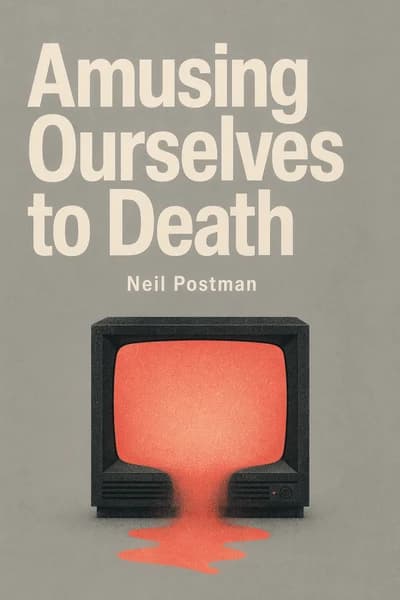
In "Amusing Ourselves to Death," Neil Postman eerily predicted how entertainment would consume our discourse. Pink Floyd's Roger Waters named an album after it, while Arctic Monkeys referenced its concepts. Are we living Huxley's dystopia - choosing pleasure over thought?
Neil Postman (1931–2003) was an acclaimed media theorist and cultural critic, best known as the author of the seminal work Amusing Ourselves to Death: Public Discourse in the Age of Show Business. This cornerstone of media studies explores how television reduces complex societal issues to mere entertainment.
Postman served as a professor at New York University for over four decades, where he founded its media ecology program. Through this program, he significantly shaped academic discourse on the societal impact of technology.
His expertise in education and technology critiques also led to influential books such as Technopoly: The Surrender of Culture to Technology and The Disappearance of Childhood. These works examine how media erode cultural depth and traditional childhood boundaries.
Postman’s works, praised for their incisive analysis of modern communication, remain essential reading in university curricula and media scholarship. Amusing Ourselves to Death has sold millions of copies worldwide and is frequently cited in contemporary debates about the effects of digital media on democracy.
Amusing Ourselves to Death argues that television’s dominance has degraded public discourse by prioritizing entertainment over rational debate. Neil Postman contrasts Aldous Huxley’s vision of societal collapse through distraction (Brave New World) with George Orwell’s authoritarian dystopia (1984), asserting that media forms like TV reshape politics, news, and education into shallow spectacles. The book examines how print culture fostered critical thinking, while image-driven media erode meaningful dialogue.
This book is essential for media studies students, sociologists, and readers concerned about technology’s societal impact. Postman’s insights resonate with those analyzing modern issues like social media addiction, misinformation, and the trivialization of public discourse in the digital age. Critics of pop culture or advocates for media literacy will find its arguments particularly relevant.
Key concepts include:
Postman argues Huxley’s fear of pleasure-driven societal collapse aligns more with modern media than Orwell’s state-controlled oppression. Television acts as a “soma-like” pacifier, making citizens complacent through endless entertainment rather than overt censorship. This contrasts Orwell’s focus on external tyranny versus Huxley’s internalized distractions.
This term describes a culture saturated with disjointed, ephemeral information—like a child’s game. The telegraph and TV reduced news to decontextualized snippets, prioritizing novelty over depth and training audiences to value speed over substance. Postman links this to modern 24/7 media cycles.
TV frames all content—politics, religion, education—as entertainment, requiring simplified narratives and visual appeal. Postman argues this undermines complex analysis, reducing public issues to soundbites and fostering apathy. For example, debates become performative rather than substantive.
Postman urges awareness of media’s subconscious influence, advocating for education systems to teach critical media literacy. He doesn’t reject TV outright but warns against allowing entertainment values to dominate serious discourse.
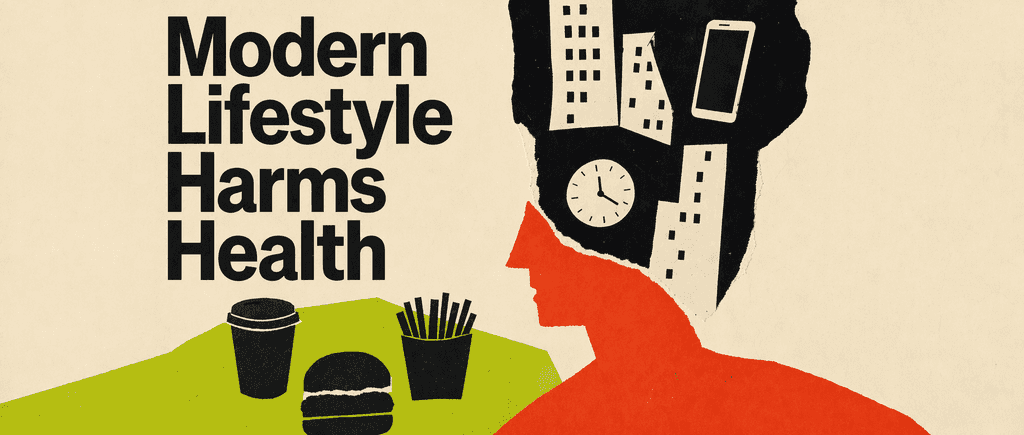
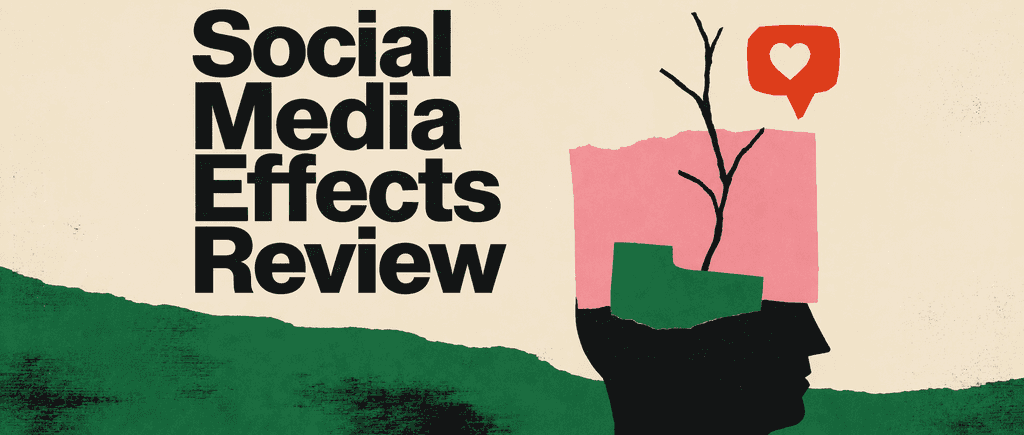
While focused on 1980s TV, Postman’s warnings about fragmented attention and trivialized discourse presage social media’s impact. The book’s critique of “information glut” and prioritization of virality over truth remains pertinent to algorithms and clickbait in 2025.
Critics argue Postman overlooks TV’s educational potential (e.g., documentaries) and underestimates audience agency. Others note his nostalgia for print oversimplifies historical literacy rates and elitism. Some contend new media platforms enable niche, intellectual communities absent in broadcast TV.
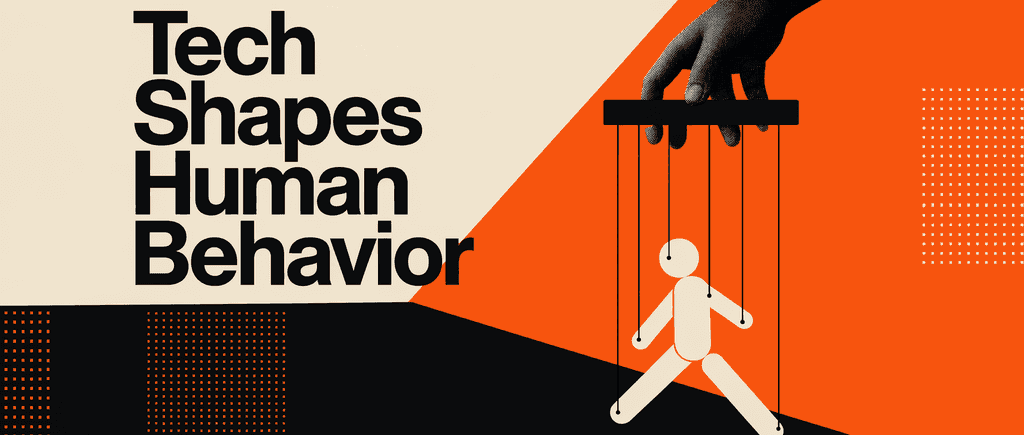
Postman adapts Marshall McLuhan’s phrase to argue that communication technologies (e.g., books, TV) inherently bias discourse. Print culture encouraged logic and sustained argument, while TV favors emotion, brevity, and visual stimulation.
The book’s core premise—that media forms dictate societal values—explains contemporary issues like misinformation, TikTok activism, and AI-generated content. Postman’s fear of entertainment overriding critical thought resonates in an era of algorithmic echo chambers and declining attention spans.
Ressentez le livre à travers la voix de l'auteur
Transformez les connaissances en idées captivantes et riches en exemples
Capturez les idées clés en un éclair pour un apprentissage rapide
Profitez du livre de manière ludique et engageante
We were keeping our eye on 1984. When the year came and the prophecy didn't, thoughtful Americans sang softly of the dangers of a surveillance state. But we had forgotten that Orwell did not fear those who would deprive us of information. He feared those who would give us so much that we would be reduced to passivity and egoism.
Orwell feared those who would deprive us of information. Huxley feared those who would give us so much that we would be reduced to passivity and egoism.
What Orwell feared were those who would ban books. What Huxley feared was that there would be no reason to ban a book, for there would be no one who wanted to read one.
Americans no longer talk to each other, they entertain each other. They do not exchange ideas, they exchange images. They do not argue with propositions; they argue with good looks, celebrities and commercials.
Décomposez les idées clés de Amusing ourselves to death en points faciles à comprendre pour découvrir comment les équipes innovantes créent, collaborent et grandissent.
Condensez Amusing ourselves to death en indices de mémoire rapides mettant en évidence les principes clés de franchise, de travail d'équipe et de résilience créative.

Découvrez Amusing ourselves to death à travers des récits vivants qui transforment les leçons d'innovation en moments mémorables et applicables.
Posez n'importe quelle question, choisissez la voix et co-créez des idées qui résonnent vraiment avec vous.

Cree par des anciens de Columbia University a San Francisco
"Instead of endless scrolling, I just hit play on BeFreed. It saves me so much time."
"I never knew where to start with nonfiction—BeFreed’s book lists turned into podcasts gave me a clear path."
"Perfect balance between learning and entertainment. Finished ‘Thinking, Fast and Slow’ on my commute this week."
"Crazy how much I learned while walking the dog. BeFreed = small habits → big gains."
"Reading used to feel like a chore. Now it’s just part of my lifestyle."
"Feels effortless compared to reading. I’ve finished 6 books this month already."
"BeFreed turned my guilty doomscrolling into something that feels productive and inspiring."
"BeFreed turned my commute into learning time. 20-min podcasts are perfect for finishing books I never had time for."
"BeFreed replaced my podcast queue. Imagine Spotify for books — that’s it. 🙌"
"It is great for me to learn something from the book without reading it."
"The themed book list podcasts help me connect ideas across authors—like a guided audio journey."
"Makes me feel smarter every time before going to work"
Cree par des anciens de Columbia University a San Francisco

Obtenez le resume de Amusing ourselves to death en PDF ou EPUB gratuit. Imprimez-le ou lisez-le hors ligne a tout moment.
Picture a world where the most serious political debates feel like game shows, where news anchors smile through catastrophes, where attention spans shrink by the year. Now stop imagining-you're living in it. Back in 1985, a media theorist saw this coming with startling clarity. His warning wasn't about censorship or government control. It was about something far more insidious: our willingness to entertain ourselves to death. While George Orwell feared a world where books would be banned, this darker prophecy warned of something worse-a world where nobody would want to read one. The difference matters. We've built defenses against tyranny, but what defense exists against our own appetite for amusement? As we scroll through endless feeds, reducing complex ideas to bite-sized content, perhaps no cultural critique has aged more disturbingly well.