How to Build a Daily Reading Habit in 2026
Learn science-backed strategies to build a daily reading habit — start small, stay consistent, and use AI tools to read more.

You told yourself you'd read more this year. Maybe you bought a stack of books in January, downloaded a reading app, or bookmarked a "must-read" list. Then life happened. The books sat untouched. Sound familiar?
You're not alone. The average American reads fewer than five books a year, according to Gallup — and most of those are abandoned halfway through. But here's the thing: the people who read consistently aren't more disciplined or less busy. They've just built a system that makes reading automatic.
This guide breaks down exactly how to do that — backed by behavioral science, practical strategies, and tools that meet you where you are.
Key Takeaways
- Start with just 10–15 minutes a day to build momentum before increasing your reading time. Consistency matters more than volume.
- Stack reading onto an existing habit like morning coffee or your commute to make it automatic. This removes the need for willpower.
- Choose books that genuinely interest you, not books you think you "should" read. Enjoyment drives consistency.
- Design your environment to support reading — keep a book visible and your phone out of reach. Context shapes behavior more than motivation.
- Use audiobooks and AI-powered tools like BeFreed to keep learning even when you can't sit down with a physical book.
Why Reading Still Matters (More Than Ever)
Reading does something no other medium quite replicates. It builds sustained attention — the ability to follow a single thread of thought for an extended period. In an age of 15-second clips and infinite scroll, that skill is becoming rare and increasingly valuable.
Research from the University of Sussex found that just six minutes of reading reduces stress levels by 68% — more than listening to music or going for a walk. Regular readers also show stronger empathy, sharper analytical thinking, and better memory retention as they age.
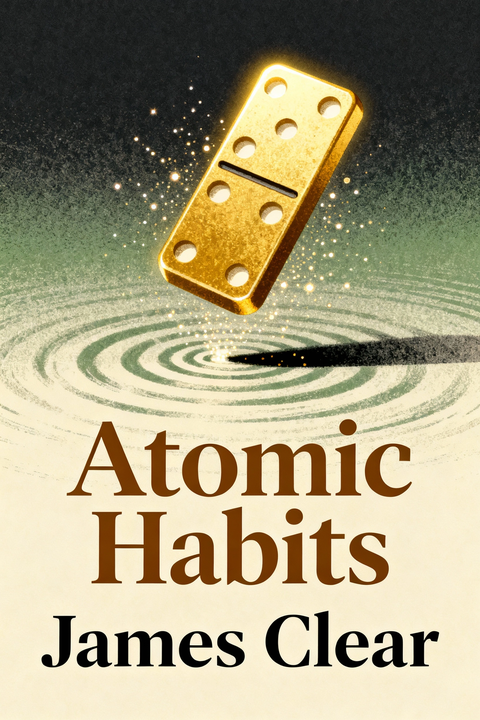
But reading isn't just about cognitive benefits. It compounds. Each book you read connects to the last one. Over time, you develop mental models that help you make better decisions, understand people more deeply, and think more clearly about complex problems. James Clear captures this idea well in Atomic Habits — small, consistent actions create remarkable results over time. His 1% improvement philosophy applies perfectly to reading: even a few pages a day add up to dozens of books a year.
Start Embarrassingly Small
The biggest mistake new readers make is setting ambitious targets. "I'll read for an hour every night" sounds great on January 1st. By January 15th, it feels like a chore.
Instead, start with a goal so small it feels almost silly: read for 10 minutes. Or read two pages. The point isn't the volume — it's the repetition. Jeremy Dean's research in Making Habits, Breaking Habits shows that new habits take an average of 66 days to become automatic. The key factor isn't intensity — it's how consistently you repeat the behavior. Implementation intentions (simple "if-then" plans like "after I pour my coffee, I'll read for 10 minutes") dramatically increase follow-through by linking the new habit to an existing cue.
Once reading feels like a natural part of your day, you can gradually extend the time. Most people find they naturally read longer once they're actually engaged with a good book.
The Habit Stack Method
Habit stacking is one of the most effective techniques for anchoring a new behavior. The formula is simple: After [current habit], I will [new habit].
Some examples that work well for reading:
- After I sit down with my morning coffee, I'll read for 10 minutes.
- After I get on the train, I'll open my book instead of Instagram.
- After I get into bed, I'll read one chapter before turning off the light.
The existing habit acts as a trigger. You don't have to remember or motivate yourself — the cue does the work for you.
Choose Books You Actually Want to Read
This sounds obvious, but it's where most people go wrong. They pick books from "Best Of" lists or recommendations from people with very different interests. Then they force themselves through 300 pages of something they don't enjoy and conclude that they "just aren't readers."
Give yourself permission to read what excites you. Thrillers, memoirs, graphic novels, business books — it all counts. If a book isn't holding your attention after 50 pages, put it down and pick up something else. Life is too short for books that bore you.
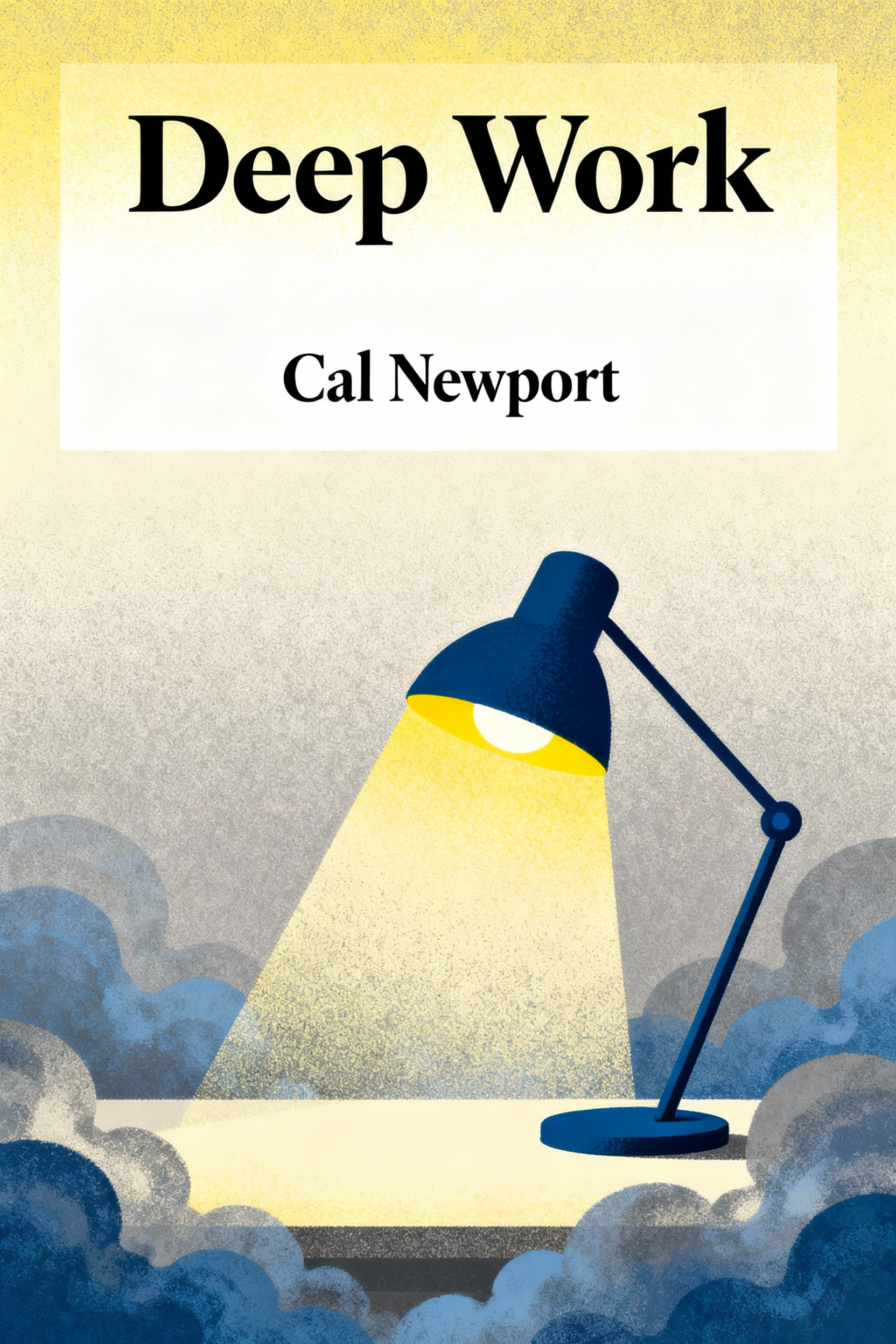
If you're not sure where to start, try browsing by topic rather than by title. Interested in focus and productivity? Cal Newport's Deep Work makes a compelling case that the ability to concentrate without distraction is the defining skill of our time — and offers concrete strategies for building that capacity into your daily routine.
Design Your Reading Environment
Your surroundings have more influence on your behavior than your willpower does. If your phone is on the nightstand and your book is in another room, you'll scroll every time.
A few simple changes make a big difference:
- Keep a book visible — on your desk, nightstand, or kitchen table. Visual cues prompt action.
- Remove friction — if you read on a Kindle or tablet, keep it charged and within arm's reach.
- Add friction to distractions — put your phone in a drawer or use app blockers during reading time.
- Create a reading spot — a specific chair or corner that your brain associates with reading.
These aren't productivity hacks. They're environmental design — the same principle that makes it easier to eat healthy when your kitchen is stocked with good food.
Use Technology to Read More, Not Less
Here's an underrated strategy: you don't always have to sit down with a physical book to "read." Audiobooks and AI-powered book tools let you absorb ideas during moments that would otherwise be dead time — commutes, workouts, cooking, or waiting in line.
BeFreed takes this a step further. Instead of passively listening to a full audiobook, BeFreed generates personalized AI podcasts from over 50,000 book titles. You pick a book, choose your depth (10, 20, or 40 minutes), and get a conversational summary that captures the core ideas, key frameworks, and practical takeaways. It's a way to explore books before committing to a full read — or to revisit key ideas from books you've already finished.
For a quick audio deep-dive into the science of habit formation, listen to The Science of Building Unbreakable Habits — it breaks down the four laws from Atomic Habits into actionable steps. Or check out The Deep Reading Renaissance for strategies on reclaiming your focus and turning reading into a high-impact mental practice.
Overcoming the Three Biggest Obstacles
"I Don't Have Time"
You probably do — just not in the blocks you're imagining. Most people can find 10–15 minutes by replacing one scroll session. Track your screen time for a day and you'll likely find at least 30 minutes of time that could become reading time.
"I Can't Focus Long Enough"
This is normal, especially if you haven't read regularly in a while. Your attention span is a muscle. Start with short, engaging reads — essays, short chapters, or audiobook summaries on BeFreed — and gradually work up to longer sessions.
"I Never Finish Books"
Then don't. Seriously. Not every book deserves to be finished. Read the chapters that interest you. Skip around. Get the key ideas and move on. A book that's 60% useful and 40% skimmed still taught you something valuable.
Track Your Progress (But Keep It Simple)
You don't need a complicated system. A simple reading log — even just a note on your phone — helps you see the momentum you're building. Apps like Goodreads work, or you can keep a list in a notebook.
The goal isn't to hit a number. It's to make your reading habit visible to yourself. When you see a streak building, you're less likely to break it.
How BeFreed Can Help
Building a reading habit isn't just about finding time — it's about making the most of the time you have. BeFreed's AI-powered podcasts let you absorb book insights in 10–40 minute sessions, perfect for fitting learning into a busy schedule. Browse by topic, sample books before buying, and revisit key takeaways anytime. Try BeFreed today and turn your commute, workout, or downtime into a learning session.
FAQ
Découvrir plus

Reading as a hobby
Reading as a hobby
Reading is one of the most powerful tools for personal growth, knowledge acquisition, and intellectual development, yet many people struggle to read consistently or extract real value from what they read. This learning plan is ideal for anyone who wants to transform reading from an occasional activity into a rewarding lifelong habit, whether you're a busy professional seeking to read more effectively, a student wanting to deepen comprehension skills, or simply someone who loves books and wants to get more from them.

Read one story daily
Read one story daily
Reading daily is one of the most powerful habits for personal growth, cognitive development, and stress reduction, yet many people struggle to maintain consistency. This learning plan is ideal for aspiring writers seeking to understand craft through immersion, busy professionals wanting to build a meaningful reading practice, or anyone who loves stories but needs structure and guidance to make daily reading stick.
Increase daily reading
Increase daily reading
Reading is one of the most powerful skills for personal and professional growth, yet most people struggle to read consistently or effectively. This learning plan is ideal for busy professionals, students, and lifelong learners who want to read more books, comprehend them better, and make reading a natural part of their daily routine rather than a chore.
I want to read more book
I want to read more book
In our digital age, many people struggle to maintain regular reading habits despite wanting to read more books. This learning plan helps anyone reclaim the joy of reading by providing practical strategies to establish sustainable habits, improve comprehension, and deepen literary appreciation.

To read a book per one month
To read a book per one month
Reading consistently is one of the most powerful ways to expand knowledge, develop new skills, and stay competitive in today's fast-paced world, yet most people struggle to finish even a few books per year. This learning plan is perfect for busy professionals, lifelong learners, and anyone who wants to make reading a sustainable habit rather than an occasional activity.
1 book a day
1 book a day
This plan is designed for lifelong learners and professionals who feel overwhelmed by their reading lists. It combines speed reading, comprehension techniques, and habit formation to help anyone master the art of rapid, effective learning.