BeFreed
    Categories>Psychology>The 48 Laws of Power Decoded

    The 48 Laws of Power Decoded

    55 min
    |
    |
    19. Feb. 2026
    PsychologyLeadershipBusiness

    Uncover the controversial strategies history's most powerful leaders used to gain and maintain control. From ancient emperors to modern CEOs, discover the hidden playbook that shapes boardrooms, politics, and digital influence.

    The 48 Laws of Power Decoded

    Bestes Zitat aus The 48 Laws of Power Decoded

    “

    Power isn't really about being the loudest person in the room or having the fanciest title; it's about understanding the psychology of influence and using it strategically to create perception, because in a world of infinite distractions, invisibility equals irrelevance.

    ”

    Diese Audiolektion wurde von einem BeFreed-Community-Mitglied erstellt

    Eingabefrage

    40 rules of power

    Moderatorstimmen
    Lenaplay
    Milesplay
    Lernstil
    Tiefgehend
    Wissensquellen
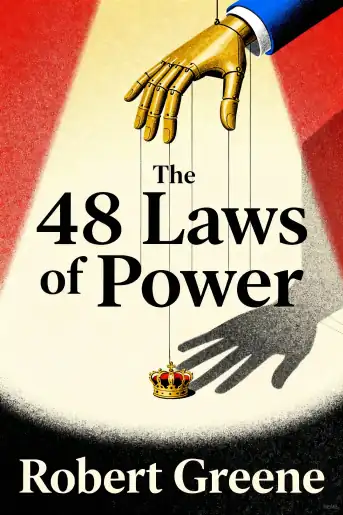
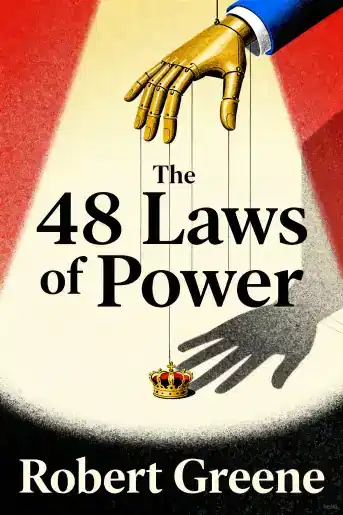
    The 48 laws of power
    Influence Is Your Superpower
    Daily Robert Greene
    The Art of Seduction
    Art of Worldly Wisdom
    Kautilya's Arthashastra

    Mehr entdecken

    Master Machiavellianism & 48 Laws of Power

    Master Machiavellianism & 48 Laws of Power

    LERNPLAN

    Master Machiavellianism & 48 Laws of Power

    This plan distills centuries of political philosophy and psychological strategy into actionable professional skills. It is essential for leaders, negotiators, and ambitious professionals who need to navigate complex social hierarchies and protect themselves from manipulation.

    3 h 37 m•5 Abschnitte
    Laws of power

    Laws of power

    LERNPLAN

    Laws of power

    This plan bridges the gap between historical statecraft and modern psychological influence, offering a blueprint for navigating competitive environments. It is essential for aspiring leaders and professionals who want to master the art of ethical persuasion and strategic decision-making.

    2 h 16 m•4 Abschnitte
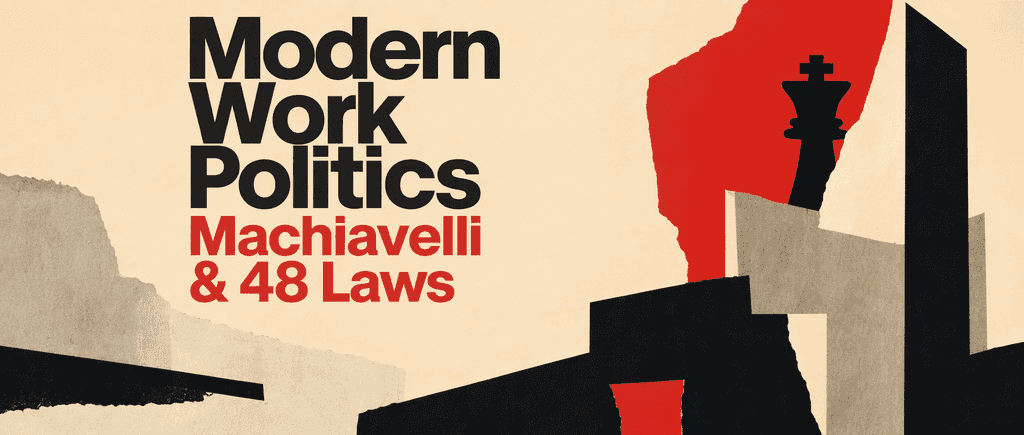
    Modern Work Politics: Machiavelli & 48 Laws

    Modern Work Politics: Machiavelli & 48 Laws

    LERNPLAN

    Modern Work Politics: Machiavelli & 48 Laws

    In high-stakes corporate environments, technical skill alone rarely guarantees advancement. This plan is designed for ambitious professionals who need to master the unspoken rules of influence and power dynamics to secure their seat at the table.

    2 h 34 m•4 Abschnitte
    Financial Independence & 48 Laws of Power

    Financial Independence & 48 Laws of Power

    LERNPLAN

    Financial Independence & 48 Laws of Power

    This plan bridges the gap between wealth accumulation and the strategic influence required to protect and grow it. It is ideal for ambitious professionals and entrepreneurs who want to master both the mechanics of money and the psychology of power.

    2 h 11 m•4 Abschnitte
    Mastering dark manipulation,

    Mastering dark manipulation,

    LERNPLAN

    Mastering dark manipulation,

    This curriculum is essential for high-stakes negotiators and leaders who need to navigate and dominate complex social landscapes. It provides a deep dive into the darker aspects of human psychology to ensure you can recognize and utilize the mechanics of power.

    3 h 29 m•4 Abschnitte
    DARK SYCHOLOGY AS DOMINEERANCE

    DARK SYCHOLOGY AS DOMINEERANCE

    LERNPLAN

    DARK SYCHOLOGY AS DOMINEERANCE

    In an era where influence is currency, understanding the mechanics of psychological subversion is essential for personal protection and strategic leadership. This plan is designed for professionals and individuals seeking to decode complex power dynamics and build a robust defense against manipulative personalities.

    2 h 32 m•4 Abschnitte
    Decode human nature for business success

    Decode human nature for business success

    LERNPLAN

    Decode human nature for business success

    Understanding the psychological drivers of human behavior is the ultimate competitive advantage in the modern corporate world. This plan is designed for leaders, marketers, and entrepreneurs who want to master persuasion, emotional intelligence, and nonverbal communication to drive results.

    2 h 55 m•4 Abschnitte
    Dark Psychology & Body Language Mastery

    Dark Psychology & Body Language Mastery

    LERNPLAN

    Dark Psychology & Body Language Mastery

    In a world where influence and deception are increasingly sophisticated, understanding dark psychology and body language provides essential protection and social intelligence. This learning plan equips professionals, leaders, and anyone navigating complex social environments with the ability to detect manipulation, read nonverbal cues, and ethically navigate interpersonal dynamics.

    3 h 25 m•4 Abschnitte

    Von Columbia University Alumni in San Francisco entwickelt

    BeFreed vereint eine globale Gemeinschaft von 1,000,000 wissbegierigen Menschen
    Erfahren Sie mehr darüber, wie BeFreed im Web diskutiert wird

    "Instead of endless scrolling, I just hit play on BeFreed. It saves me so much time."

    @Moemenn
    platform
    star
    star
    star
    star
    star

    "I never knew where to start with nonfiction—BeFreed’s book lists turned into podcasts gave me a clear path."

    @Chloe, Solo founder, LA
    platform
    comments
    12
    likes
    117

    "Perfect balance between learning and entertainment. Finished ‘Thinking, Fast and Slow’ on my commute this week."

    @Raaaaaachelw
    platform
    star
    star
    star
    star
    star

    "Crazy how much I learned while walking the dog. BeFreed = small habits → big gains."

    @Matt, YC alum
    platform
    comments
    12
    likes
    108

    "Reading used to feel like a chore. Now it’s just part of my lifestyle."

    @Erin, Investment Banking Associate , NYC
    platform
    comments
    254
    likes
    17

    "Feels effortless compared to reading. I’ve finished 6 books this month already."

    @djmikemoore
    platform
    star
    star
    star
    star
    star

    "BeFreed turned my guilty doomscrolling into something that feels productive and inspiring."

    @Pitiful
    platform
    comments
    96
    likes
    4.5K

    "BeFreed turned my commute into learning time. 20-min podcasts are perfect for finishing books I never had time for."

    @SofiaP
    platform
    star
    star
    star
    star
    star

    "BeFreed replaced my podcast queue. Imagine Spotify for books — that’s it. 🙌"

    @Jaded_Falcon
    platform
    comments
    201
    thumbsUp
    16

    "It is great for me to learn something from the book without reading it."

    @OojasSalunke
    platform
    star
    star
    star
    star
    star

    "The themed book list podcasts help me connect ideas across authors—like a guided audio journey."

    @Leo, Law Student, UPenn
    platform
    comments
    37
    likes
    483

    "Makes me feel smarter every time before going to work"

    @Cashflowbubu
    platform
    star
    star
    star
    star
    star

    Von Columbia University Alumni in San Francisco entwickelt

    BeFreed vereint eine globale Gemeinschaft von 1,000,000 wissbegierigen Menschen
    Erfahren Sie mehr darüber, wie BeFreed im Web diskutiert wird

    "Instead of endless scrolling, I just hit play on BeFreed. It saves me so much time."

    @Moemenn
    platform
    star
    star
    star
    star
    star

    "I never knew where to start with nonfiction—BeFreed’s book lists turned into podcasts gave me a clear path."

    @Chloe, Solo founder, LA
    platform
    comments
    12
    likes
    117

    "Perfect balance between learning and entertainment. Finished ‘Thinking, Fast and Slow’ on my commute this week."

    @Raaaaaachelw
    platform
    star
    star
    star
    star
    star

    "Crazy how much I learned while walking the dog. BeFreed = small habits → big gains."

    @Matt, YC alum
    platform
    comments
    12
    likes
    108

    "Reading used to feel like a chore. Now it’s just part of my lifestyle."

    @Erin, Investment Banking Associate , NYC
    platform
    comments
    254
    likes
    17

    "Feels effortless compared to reading. I’ve finished 6 books this month already."

    @djmikemoore
    platform
    star
    star
    star
    star
    star

    "BeFreed turned my guilty doomscrolling into something that feels productive and inspiring."

    @Pitiful
    platform
    comments
    96
    likes
    4.5K

    "BeFreed turned my commute into learning time. 20-min podcasts are perfect for finishing books I never had time for."

    @SofiaP
    platform
    star
    star
    star
    star
    star

    "BeFreed replaced my podcast queue. Imagine Spotify for books — that’s it. 🙌"

    @Jaded_Falcon
    platform
    comments
    201
    thumbsUp
    16

    "It is great for me to learn something from the book without reading it."

    @OojasSalunke
    platform
    star
    star
    star
    star
    star

    "The themed book list podcasts help me connect ideas across authors—like a guided audio journey."

    @Leo, Law Student, UPenn
    platform
    comments
    37
    likes
    483

    "Makes me feel smarter every time before going to work"

    @Cashflowbubu
    platform
    star
    star
    star
    star
    star

    "Instead of endless scrolling, I just hit play on BeFreed. It saves me so much time."

    @Moemenn
    platform
    star
    star
    star
    star
    star

    "I never knew where to start with nonfiction—BeFreed’s book lists turned into podcasts gave me a clear path."

    @Chloe, Solo founder, LA
    platform
    comments
    12
    likes
    117

    "Perfect balance between learning and entertainment. Finished ‘Thinking, Fast and Slow’ on my commute this week."

    @Raaaaaachelw
    platform
    star
    star
    star
    star
    star

    "Crazy how much I learned while walking the dog. BeFreed = small habits → big gains."

    @Matt, YC alum
    platform
    comments
    12
    likes
    108

    "Reading used to feel like a chore. Now it’s just part of my lifestyle."

    @Erin, Investment Banking Associate , NYC
    platform
    comments
    254
    likes
    17

    "Feels effortless compared to reading. I’ve finished 6 books this month already."

    @djmikemoore
    platform
    star
    star
    star
    star
    star

    "BeFreed turned my guilty doomscrolling into something that feels productive and inspiring."

    @Pitiful
    platform
    comments
    96
    likes
    4.5K

    "BeFreed turned my commute into learning time. 20-min podcasts are perfect for finishing books I never had time for."

    @SofiaP
    platform
    star
    star
    star
    star
    star

    "BeFreed replaced my podcast queue. Imagine Spotify for books — that’s it. 🙌"

    @Jaded_Falcon
    platform
    comments
    201
    thumbsUp
    16

    "It is great for me to learn something from the book without reading it."

    @OojasSalunke
    platform
    star
    star
    star
    star
    star

    "The themed book list podcasts help me connect ideas across authors—like a guided audio journey."

    @Leo, Law Student, UPenn
    platform
    comments
    37
    likes
    483

    "Makes me feel smarter every time before going to work"

    @Cashflowbubu
    platform
    star
    star
    star
    star
    star

    "Instead of endless scrolling, I just hit play on BeFreed. It saves me so much time."

    @Moemenn
    platform
    star
    star
    star
    star
    star

    "I never knew where to start with nonfiction—BeFreed’s book lists turned into podcasts gave me a clear path."

    @Chloe, Solo founder, LA
    platform
    comments
    12
    likes
    117

    "Perfect balance between learning and entertainment. Finished ‘Thinking, Fast and Slow’ on my commute this week."

    @Raaaaaachelw
    platform
    star
    star
    star
    star
    star

    "Crazy how much I learned while walking the dog. BeFreed = small habits → big gains."

    @Matt, YC alum
    platform
    comments
    12
    likes
    108

    "Reading used to feel like a chore. Now it’s just part of my lifestyle."

    @Erin, Investment Banking Associate , NYC
    platform
    comments
    254
    likes
    17

    "Feels effortless compared to reading. I’ve finished 6 books this month already."

    @djmikemoore
    platform
    star
    star
    star
    star
    star

    "BeFreed turned my guilty doomscrolling into something that feels productive and inspiring."

    @Pitiful
    platform
    comments
    96
    likes
    4.5K

    "BeFreed turned my commute into learning time. 20-min podcasts are perfect for finishing books I never had time for."

    @SofiaP
    platform
    star
    star
    star
    star
    star

    "BeFreed replaced my podcast queue. Imagine Spotify for books — that’s it. 🙌"

    @Jaded_Falcon
    platform
    comments
    201
    thumbsUp
    16

    "It is great for me to learn something from the book without reading it."

    @OojasSalunke
    platform
    star
    star
    star
    star
    star

    "The themed book list podcasts help me connect ideas across authors—like a guided audio journey."

    @Leo, Law Student, UPenn
    platform
    comments
    37
    likes
    483

    "Makes me feel smarter every time before going to work"

    @Cashflowbubu
    platform
    star
    star
    star
    star
    star
    1.5K Ratings4.7
    Starten Sie Ihre Lernreise, jetzt
    BeFreed App
    BeFreed

    Lernen Sie alles, personalisiert

    DiscordLinkedIn
    Empfohlene Buchzusammenfassungen
    Crucial ConversationsThe Perfect MarriageInto the WildNever Split the DifferenceAttachedGood to GreatSay Nothing
    Trendkategorien
    Self HelpCommunication SkillRelationshipMindfulnessPhilosophyInspirationProductivity
    Leselisten von Prominenten
    Elon MuskCharlie KirkBill GatesSteve JobsAndrew HubermanJoe RoganJordan Peterson
    Preisgekrönte Sammlung
    Pulitzer PrizeNational Book AwardGoodreads Choice AwardsNobel Prize in LiteratureNew York TimesCaldecott MedalNebula Award
    Empfohlene Themen
    ManagementAmerican HistoryWarTradingStoicismAnxietySex
    Beste Bücher nach Jahr
    2025 Best Non Fiction Books2024 Best Non Fiction Books2023 Best Non Fiction Books
    Empfohlene Autoren
    Chimamanda Ngozi AdichieGeorge OrwellO. J. SimpsonBarbara O'NeillWinston ChurchillCharlie Kirk
    BeFreed vs. andere Apps
    BeFreed vs. Other Book Summary AppsBeFreed vs. ElevenReaderBeFreed vs. ReadwiseBeFreed vs. Anki
    Lernwerkzeuge
    Knowledge VisualizerAI Podcast Generator
    Informationen
    Über unsarrow
    Preisearrow
    FAQarrow
    Blogarrow
    Karrierearrow
    Partnerschaftenarrow
    Botschafter-Programmarrow
    Verzeichnisarrow
    BeFreed
    Try now
    © 2026 BeFreed
    NutzungsbedingungenDatenschutzrichtlinie
    BeFreed

    Lernen Sie alles, personalisiert

    DiscordLinkedIn
    Empfohlene Buchzusammenfassungen
    Crucial ConversationsThe Perfect MarriageInto the WildNever Split the DifferenceAttachedGood to GreatSay Nothing
    Trendkategorien
    Self HelpCommunication SkillRelationshipMindfulnessPhilosophyInspirationProductivity
    Leselisten von Prominenten
    Elon MuskCharlie KirkBill GatesSteve JobsAndrew HubermanJoe RoganJordan Peterson
    Preisgekrönte Sammlung
    Pulitzer PrizeNational Book AwardGoodreads Choice AwardsNobel Prize in LiteratureNew York TimesCaldecott MedalNebula Award
    Empfohlene Themen
    ManagementAmerican HistoryWarTradingStoicismAnxietySex
    Beste Bücher nach Jahr
    2025 Best Non Fiction Books2024 Best Non Fiction Books2023 Best Non Fiction Books
    Lernwerkzeuge
    Knowledge VisualizerAI Podcast Generator
    Empfohlene Autoren
    Chimamanda Ngozi AdichieGeorge OrwellO. J. SimpsonBarbara O'NeillWinston ChurchillCharlie Kirk
    BeFreed vs. andere Apps
    BeFreed vs. Other Book Summary AppsBeFreed vs. ElevenReaderBeFreed vs. ReadwiseBeFreed vs. Anki
    Informationen
    Über unsarrow
    Preisearrow
    FAQarrow
    Blogarrow
    Karrierearrow
    Partnerschaftenarrow
    Botschafter-Programmarrow
    Verzeichnisarrow
    BeFreed
    Try now
    © 2026 BeFreed
    NutzungsbedingungenDatenschutzrichtlinie

    Kernaussagen

    1

    The Hidden Power Playbook

    0:00

    Lena: Miles, I've been thinking about something pretty wild – you know how everyone talks about being authentic and transparent in business? Well, I just discovered this book that basically says the opposite might be the key to real power.

    0:13

    Miles: Oh, you're talking about "The 48 Laws of Power"! That's Robert Greene's controversial masterpiece. And you're right – it's like the anti-self-help book. Instead of "be yourself," it's more like "strategically craft who you appear to be."

    0:29

    Lena: Exactly! What really caught my attention was this idea that some of history's most powerful leaders – from ancient Chinese emperors to modern CEOs – have been following these same patterns for thousands of years. It's like there's this hidden playbook that nobody talks about openly.

    0:46

    Miles: That's what makes it so fascinating and frankly a bit unsettling. Greene studied everyone from Machiavelli to P.T. Barnum, from Julius Caesar to modern business titans, and found these recurring themes. The book's been banned in some prisons because it's considered too manipulative!

    1:03

    Lena: Right, and here's the thing – whether we like it or not, these dynamics are already happening around us in boardrooms, politics, even social media. So let's dive into what these 48 laws actually reveal about how power really works.

    2

    The Foundation of Strategic Influence

    1:35

    Miles: So let's start with the core insight that Greene discovered—power isn't really about being the loudest person in the room or having the fanciest title. It's about understanding the psychology of influence and using it strategically.

    1:51

    Lena: That's such a crucial distinction. When I think about the most powerful people I've encountered in business, they're often not the ones shouting orders. They're the ones who somehow get everyone else to want to do what they suggest.

    2:05

    Miles: Exactly! And Greene breaks this down into what he calls the fundamental principle—power is about perception as much as reality. Take Law 6, for example: "Court Attention at All Costs." This isn't about being a narcissistic show-off. It's about understanding that in a world of infinite distractions, invisibility equals irrelevance.

    2:29

    Lena: I love how you put that—invisibility equals irrelevance. I'm thinking about entrepreneurs who build amazing products but nobody knows about them. Meanwhile, someone with a mediocre product but brilliant marketing becomes the industry leader.

    2:44

    Miles: Perfect example! And this connects to Law 5: "So Much Depends on Reputation—Guard It with Your Life." Greene argues that reputation is like compound interest—it builds slowly but can be destroyed instantly. Warren Buffett has this great quote: "It takes 20 years to build a reputation and five minutes to ruin it."

    3:06

    Lena: That's so relevant today with social media and cancel culture. But here's what's interesting—Greene also talks about Law 3: "Conceal Your Intentions." How do you balance being authentic with being strategic about what you reveal?

    3:20

    Miles: That's the million-dollar question, and I think it comes down to timing and context. Greene isn't advocating for being deceptive about your values or mission. He's saying don't telegraph your tactical moves. Steve Jobs was a master of this—he'd talk endlessly about Apple's mission to "think different," but he'd never reveal product details until the perfect moment.

    3:42

    Lena: Right, so it's like playing poker—you can be genuine about wanting to win and enjoying the game, but you don't show your cards until you're ready to play them.

    2:05

    Miles: Exactly! And this leads to another foundational concept—what Greene calls the "long-term perspective." Most people think tactically, but power players think strategically. They're playing chess while everyone else is playing checkers.

    4:06

    Lena: Can you give me a concrete example of what that looks like in practice?

    4:09

    Miles: Sure! Think about how Jeff Bezos approached Amazon. In the early days, everyone criticized him for not being profitable. Wall Street analysts called him crazy for prioritizing growth over short-term profits. But Bezos was playing a completely different game—he was building market dominance and infrastructure that would pay off massively in the long run.

    4:31

    Lena: And now Amazon is basically the infrastructure of the internet economy. He was thinking decades ahead while his critics were thinking quarters ahead.

    2:05

    Miles: Exactly! This connects to Law 29: "Plan All the Way to the End." Greene argues that most people improvise their way through challenges, but true power comes from thinking through multiple scenarios and having contingency plans.

    4:54

    Lena: That makes me think about crisis management. The companies that survive major disruptions are usually the ones that had already thought through various "what if" scenarios.

    4:56

    Miles: Absolutely. And here's where Greene gets really interesting—he talks about the psychology of power dynamics. One of his key insights is that people are fundamentally emotional beings who rationalize their decisions afterward. So if you want to influence someone, you need to appeal to their emotions first, then give them logical reasons to justify what they already want to do.

    5:17

    Lena: That's fascinating because it flips the traditional approach. Instead of leading with facts and figures, you lead with feeling and vision.

    5:25

    Miles: Right! And this is where Law 32 becomes crucial: "Play to People's Fantasies." Greene isn't saying to lie to people—he's saying to understand what people deeply want and show them how your proposal helps them achieve that vision.

    5:39

    Lena: So it's about alignment, not manipulation. You're finding the intersection between what you want to accomplish and what they want to achieve.

    2:05

    Miles: Exactly! And this is why understanding these laws isn't about becoming a sociopath—it's about becoming more effective at creating win-win scenarios. When you understand what motivates people, you can structure opportunities that genuinely benefit everyone involved.

    3

    The Art of Strategic Positioning

    6:03

    Lena: Now I want to dig into something that really intrigued me—this idea of strategic positioning. Greene talks about Law 8: "Make Other People Come to You—Use Bait if Necessary." This seems to go against everything we're taught about networking and outreach.

    6:20

    Miles: This is such a brilliant observation, and it's all about understanding the psychology of value perception. When you're the one reaching out, asking for meetings, sending cold emails—you're automatically positioning yourself as the one who needs something. But when people come to you, you're positioned as the one who has something valuable to offer.

    6:41

    Lena: That makes total sense. I'm thinking about how the most successful consultants I know rarely chase clients. Instead, they build expertise and reputation in a specific niche, and then clients start approaching them.

    2:44

    Miles: Perfect example! And this connects beautifully with Law 16: "Use Absence to Increase Respect and Honor." Greene observed that scarcity creates value. When you're always available, always eager, always saying yes—you inadvertently signal that your time isn't particularly valuable.

    7:13

    Lena: It's like the economic principle of supply and demand applied to personal relationships and business interactions.

    2:05

    Miles: Exactly! But here's where it gets sophisticated—Greene isn't advocating for being difficult or playing hard to get just for the sake of it. He's talking about genuine scarcity based on actual value. Elon Musk doesn't return every phone call not because he's trying to be mysterious, but because he's genuinely focused on building rockets and electric cars.

    7:42

    Lena: So it's about prioritization and focus, not artificial scarcity. You're scarce because you're busy creating real value.

    5:25

    Miles: Right! And this leads to one of my favorite laws—Law 11: "Learn to Keep People Dependent on You." Now, this sounds manipulative at first, but when you dig deeper, it's really about becoming indispensable through excellence.

    8:04

    Lena: Can you break that down? Because that does sound a bit sinister on the surface.

    4:09

    Miles: Sure! Think about it this way—the most job security you can have isn't a contract or union protection, it's being so good at what you do that replacing you would be painful and expensive. Steve Jobs made himself indispensable to Apple not through politics, but through his unique combination of vision, taste, and execution.

    8:30

    Lena: Ah, so it's about creating genuine value that's hard to replicate, not about withholding information or creating artificial dependencies.

    2:05

    Miles: Exactly! And this connects to Law 31: "Control the Options—Get Others to Play with the Cards You Deal." This isn't about limiting people's choices unfairly. It's about structuring situations so that all the available options work in your favor.

    8:53

    Lena: That reminds me of how Netflix positioned themselves during the streaming wars. They didn't try to prevent other companies from entering the market—instead, they structured the game by investing heavily in original content, so even if competitors emerged, Netflix would have unique assets that couldn't be replicated quickly.

    9:11

    Miles: That's a brilliant example! Netflix essentially said, "Fine, everyone can start streaming services, but we're going to make sure we have the best content library." They controlled the game by changing what the game was about.

    9:24

    Lena: And this brings up something interesting—a lot of these laws seem to be about reframing situations to your advantage rather than direct confrontation.

    9:33

    Miles: You've hit on something crucial there. Greene talks about Law 22: "Use the Surrender Tactic—Transform Weakness into Power." Sometimes the most powerful move is to appear to give your opponent what they want, while actually positioning yourself for a bigger win.

    9:48

    Lena: Can you give me a business example of that?

    9:50

    Miles: Absolutely! When Amazon was getting criticized for not being profitable in its early years, Bezos could have fought back defensively. Instead, he essentially "surrendered" to the criticism by saying, "You're right, we're not profitable—and that's exactly the point. We're investing every dollar back into growth." He transformed what looked like weakness into evidence of long-term thinking.

    10:13

    Lena: So he reframed the narrative from "Amazon can't make money" to "Amazon is so focused on the future that they're willing to sacrifice short-term profits for long-term dominance."

    2:05

    Miles: Exactly! And this is where strategic positioning becomes really powerful—it's not about winning every small battle, it's about positioning yourself to win the war that actually matters.

    4

    The Psychology of Influence and Persuasion

    10:34

    Miles: Now let's dive into something that I find absolutely fascinating—the psychological mechanisms behind influence. Greene dedicates several laws to understanding how people really make decisions, and it's quite different from what we might expect.

    10:50

    Lena: This is where things get really practical, right? Because once you understand how people actually think and decide, you can structure your communications and proposals much more effectively.

    2:05

    Miles: Exactly! Let's start with Law 43: "Work on the Hearts and Minds of Others." Greene argues that most people try to win through logic and facts, but the most effective approach is to appeal to emotions first, then provide rational justification.

    11:18

    Lena: That makes me think about the most memorable presentations I've seen. They don't start with spreadsheets—they start with stories or problems that make you feel something.

    11:26

    Miles: Perfect! And this connects to Law 37: "Create Compelling Spectacles." Greene observed that humans are visual creatures who remember images and experiences far better than abstract concepts. The most powerful leaders throughout history have understood this.

    11:45

    Lena: I'm thinking about Steve Jobs' product launches. He didn't just announce features—he created theater around the experience of using the product.

    11:54

    Miles: That's a perfect example! Jobs understood that people don't buy products, they buy feelings and identities. When he introduced the iPhone, he didn't lead with technical specifications. He showed people a vision of themselves as more connected, more creative, more capable.

    12:12

    Lena: And this relates to something else Greene talks about—Law 32: "Play to People's Fantasies." It's about understanding what people deeply want and showing them how your proposal helps them achieve that vision.

    5:25

    Miles: Right! But here's where it gets sophisticated—Greene isn't advocating for manipulation or false promises. He's saying that people are motivated by their aspirations, not just their current circumstances. So if you want to influence someone, you need to connect your proposal to their bigger dreams and goals.

    12:47

    Lena: That's such an important distinction. It's not about deceiving people about what you're offering—it's about helping them see how what you're offering connects to what they really want.

    2:05

    Miles: Exactly! And this leads to Law 13: "When Asking for Help, Appeal to People's Self-Interest, Never to Their Mercy or Gratitude." This might sound cynical, but it's actually quite empowering for everyone involved.

    13:11

    Lena: How so?

    13:12

    Miles: Well, when you appeal to someone's self-interest, you're creating a sustainable relationship where both parties benefit. When you appeal to mercy or guilt, you're creating a relationship where one person feels obligated and the other feels needy.

    13:31

    Lena: Ah, so it's about creating partnerships rather than dependencies. Instead of saying "please help me because I'm struggling," you say "here's how we can both benefit from working together."

    2:05

    Miles: Exactly! And this connects to another crucial law—Law 12: "Use Selective Honesty and Generosity to Disarm Your Victim." Now, the word "victim" sounds harsh, but what Greene is really talking about is the psychology of reciprocity.

    13:47

    Lena: Can you explain that? Because reciprocity is such a fundamental part of human psychology.

    9:50

    Miles: Absolutely! When someone does something nice for us, we feel psychologically compelled to return the favor. It's hardwired into our social programming. Greene observed that strategic acts of generosity or honesty can create powerful psychological leverage.

    14:09

    Lena: But there's a fine line between strategic generosity and manipulation, right?

    14:15

    Miles: That's such an important point. The key is genuine value creation. If your "generous" act actually benefits the other person and creates real value, then it's not manipulation—it's good relationship building. The manipulation comes when you fake generosity or create artificial obligations.

    14:33

    Lena: So it's about timing and authenticity. Being genuinely helpful when someone needs it, rather than creating fake emergencies so you can "rescue" them.

    2:05

    Miles: Exactly! And this brings us to Law 14: "Pose as a Friend, Work as a Spy." This sounds sinister, but what Greene is really talking about is the importance of gathering information and understanding people's true motivations.

    14:59

    Lena: That makes me think about the importance of listening in business relationships. The best negotiators I know spend most of their time asking questions and listening to the answers.

    2:44

    Miles: Perfect example! They're not "spying" in a malicious sense—they're gathering information that helps them create better solutions. When you understand what someone really needs, you can craft proposals that genuinely serve their interests while also serving yours.

    15:27

    Lena: And this is where emotional intelligence becomes so crucial. It's not enough to be smart about strategy—you need to be smart about people.

    9:50

    Miles: Absolutely! Greene talks about Law 19: "Know Who You're Dealing With—Do Not Offend the Wrong Person." This isn't about being afraid of everyone—it's about understanding that different people have different triggers, motivations, and communication styles.

    15:53

    Lena: So it's about adapting your approach based on who you're dealing with, rather than using the same approach for everyone.

    2:05

    Miles: Exactly! And this is where the psychology gets really interesting—Greene argues that most conflicts arise not from genuine disagreements about goals, but from misunderstandings about communication styles and motivations.

    5

    Modern Power Plays in the Digital Age

    16:15

    Lena: You know what's fascinating to me? How these ancient principles of power have evolved in our digital age. I mean, Greene was writing before social media, before viral marketing, before influencer culture—but somehow these laws seem even more relevant now.

    16:32

    Miles: That's such a brilliant observation! The mediums have changed completely, but the underlying psychology remains the same. Take Law 6: "Court Attention at All Costs." In Greene's examples, this meant elaborate court displays or theatrical public appearances. Today, it's about mastering algorithm-driven platforms and creating viral content.

    16:54

    Lena: Right! And the stakes are actually higher now because attention is more fragmented. There are so many channels, so many voices competing for mindshare. The companies and individuals who understand how to cut through that noise have enormous advantages.

    2:05

    Miles: Exactly! Look at how someone like Gary Vaynerchuk built his empire. He understood early that authentic, high-frequency content creation could build massive audiences. He was essentially applying Law 6 through wine videos on YouTube, then parlaying that attention into a media and consulting empire.

    17:28

    Lena: And what's interesting is how Law 3—"Conceal Your Intentions"—has evolved in the transparency age. You can't hide your ultimate goals anymore, but you can still be strategic about timing and revelation.

    17:42

    Miles: That's such a sophisticated point! Modern power players like Elon Musk are incredibly transparent about their big visions—colonizing Mars, accelerating sustainable transport, creating neural interfaces. But they're still strategic about tactical moves, product launches, and competitive responses.

    17:59

    Lena: It's like they're playing with their cards face up about the big picture, but they're still strategic about individual hands.

    18:06

    Miles: Perfect analogy! And this connects to how Law 27 has evolved: "Play on People's Need to Believe to Create a Cultlike Following." In the digital age, this has become about building communities around shared values and visions.

    18:19

    Lena: I'm thinking about companies like Tesla or Apple, where customers become evangelists. They're not just buying products—they're buying into a worldview and identity.

    2:05

    Miles: Exactly! And social media has amplified this effect enormously. When your customers become your marketing department, you've achieved something incredibly powerful. They're not just satisfied customers—they're true believers who actively recruit others.

    18:47

    Lena: This makes me think about Law 16: "Use Absence to Increase Respect and Honor." How does scarcity work in a digital world where everything seems infinitely scalable?

    18:58

    Miles: That's such a great question! Digital scarcity often becomes about access, exclusivity, and timing rather than physical limitations. Think about how Apple creates scarcity around product launches, or how exclusive communities like Clubhouse initially created value through invitation-only access.

    19:17

    Lena: Or how limited drops work in fashion and sneaker culture. Supreme has built an entire business model around artificial scarcity, and it's incredibly effective.

    2:05

    Miles: Exactly! And this connects to Law 40: "Despise the Free Lunch." In the digital age, this has become about understanding that free platforms and services always come with hidden costs—usually your attention, data, or autonomy.

    19:43

    Lena: That's so relevant to how we think about social media platforms. They're "free" to use, but you're paying with your attention and personal information, and they're controlling your reach and engagement.

    5:25

    Miles: Right! And the savviest creators and businesses understand this. They use free platforms to build audiences, but they're always working to own the relationship directly through email lists, direct sales, or their own platforms.

    20:09

    Lena: This reminds me of Law 20: "Do Not Commit to Anyone." In the digital context, this becomes about platform diversification and not becoming too dependent on any single channel or algorithm.

    20:23

    Miles: Brilliant connection! The creators and businesses that thrive long-term are the ones who build audiences across multiple platforms and maintain direct relationships with their customers. They're not at the mercy of a single platform's algorithm changes or policy shifts.

    20:38

    Lena: And speaking of algorithms, how do you think Law 39—"Stir Up Waters to Catch Fish"—applies to social media and viral marketing?

    20:47

    Miles: Oh, this is where things get really interesting! Controversy and strong opinions drive engagement, which feeds the algorithms. The most successful content creators often understand that mild controversy or contrarian takes generate more discussion and sharing than bland, agreeable content.

    14:09

    Lena: But there's a fine line between strategic controversy and destructive drama, right?

    9:50

    Miles: Absolutely! The key is what Greene calls "calculated unpredictability." You want to be surprising and engaging, but not self-destructive. Someone like Naval Ravikant does this brilliantly—he shares contrarian insights that challenge conventional wisdom, but he's not attacking people personally or creating unnecessary enemies.

    12:47

    Lena: That's such an important distinction. It's about challenging ideas and assumptions, not about creating personal conflicts or drama for its own sake.

    2:05

    Miles: Exactly! And this brings us to how Law 1 has evolved: "Never Outshine the Master." In the traditional corporate world, this still applies to some degree. But in the creator economy and startup world, the dynamic is often reversed—the goal is to build something bigger than your previous achievements or mentors.

    21:58

    Lena: Right, because in innovation-driven fields, disruption and advancement are expected. You're supposed to build on what came before and go further.

    2:05

    Miles: Exactly! The key is doing it respectfully and strategically. You acknowledge what you've learned from others while clearly establishing your unique contribution and vision.

    6

    The Entrepreneur's Power Arsenal

    22:17

    Miles: Let's talk about how these principles specifically apply to entrepreneurs and business builders, because I think this is where the rubber really meets the road for most of our listeners.

    22:29

    Lena: Yes! Because entrepreneurs are essentially in the business of creating power from nothing, right? They start with an idea and have to build influence, resources, and market position from scratch.

    2:05

    Miles: Exactly! And this is where Law 25 becomes crucial: "Re-Create Yourself." For entrepreneurs, this isn't about being fake—it's about consciously crafting your professional identity to match your vision and market needs.

    22:56

    Lena: I love that framing. Can you give me a concrete example of how this works in practice?

    4:09

    Miles: Sure! Look at how Brian Chesky transformed himself from an industrial design student into a hospitality industry leader. He didn't just stumble into Airbnb's success—he consciously studied hospitality, learned from hotel executives, and positioned himself as a thought leader in the "sharing economy" space.

    23:22

    Lena: So it's about growing into the role you need to play, rather than just hoping your existing skills will be enough.

    2:05

    Miles: Exactly! And this connects to Law 28: "Enter Action with Boldness." Entrepreneurs who succeed often make moves that seem crazy to outside observers. They're willing to bet everything on their vision when others are still analyzing and planning.

    14:59

    Lena: That makes me think about the importance of conviction in entrepreneurship. Investors and customers can sense when you're not fully committed to your own vision.

    9:50

    Miles: Absolutely! And boldness is especially important in the early stages when you don't have much credibility or track record. You have to project confidence and certainty even when you're figuring things out as you go.

    24:07

    Lena: But there's a balance there, right? Between confidence and recklessness?

    24:11

    Miles: That's where Law 29 comes in: "Plan All the Way to the End." True boldness isn't about being impulsive—it's about making calculated risks based on thorough scenario planning. Jeff Bezos was bold in his vision for Amazon, but he was incredibly methodical about execution and contingency planning.

    24:31

    Lena: So it's bold vision combined with rigorous planning and execution.

    2:05

    Miles: Exactly! And this leads to Law 23: "Concentrate Your Forces." This is huge for entrepreneurs because resources are always limited in the early stages. You can't be everything to everyone—you need to find your beachhead market and dominate it completely before expanding.

    24:36

    Lena: That's such a common mistake I see—trying to serve too broad a market from day one instead of becoming the obvious choice for a specific segment.

    5:25

    Miles: Right! And this connects to Law 15: "Crush Your Enemy Totally." In the business context, this isn't about being malicious—it's about winning so decisively in your chosen market that competitors can't easily challenge you.

    25:00

    Lena: Like how Uber didn't just compete with taxis—they essentially made traditional taxi services obsolete in major cities by creating a completely superior user experience.

    2:44

    Miles: Perfect example! They didn't just win market share—they redefined what transportation service could be. And this brings us to Law 42: "Strike the Shepherd and the Sheep Will Scatter."

    25:24

    Lena: How does that apply to business strategy?

    25:26

    Miles: It's about identifying the key leverage points in your market or organization. Instead of trying to solve every problem or compete on every dimension, you focus on the one or two factors that really matter. For Uber, that was convenience and transparency—solve those problems completely, and many other competitive advantages follow naturally.

    25:48

    Lena: So it's about systems thinking—finding the highest-leverage interventions rather than trying to optimize everything simultaneously.

    2:05

    Miles: Exactly! And this is where Law 48 becomes crucial: "Assume Formlessness." Markets change, technologies evolve, customer preferences shift. The entrepreneurs who thrive long-term are the ones who stay adaptable and responsive.

    26:12

    Lena: That reminds me of how Netflix has continuously reinvented itself—from DVD-by-mail to streaming to content creation to global expansion. They never got too attached to any single business model.

    26:25

    Miles: That's a brilliant example of formlessness! They stayed focused on their core mission—entertaining people with great content—but they were willing to completely transform their delivery methods and business model as opportunities emerged.

    26:39

    Lena: And this connects to something else I've noticed about successful entrepreneurs—they're really good at Law 21: "Play a Sucker to Catch a Sucker—Seem Dumber Than Your Mark."

    26:50

    Miles: Can you elaborate on that? Because it sounds counterintuitive for entrepreneurs who need to project competence.

    26:56

    Lena: Well, I think it's about strategic humility and learning. The most successful entrepreneurs I know are constantly asking questions, admitting what they don't know, and positioning themselves as students rather than experts. This makes other people want to help and share information.

    27:12

    Miles: That's such a sophisticated insight! They're confident about their vision and ability to execute, but humble about their current knowledge and expertise. This creates space for mentorship, partnerships, and continuous learning.

    0:29

    Lena: Exactly! And it also helps with Law 2: "Never Put Too Much Trust in Friends, Learn How to Use Enemies." In the business context, this becomes about maintaining strategic relationships rather than purely personal ones.

    5:25

    Miles: Right! It's not about being cold or calculating—it's about understanding that business relationships need to be mutually beneficial to be sustainable. Pure friendship without aligned interests often leads to disappointment on both sides.

    27:54

    Lena: And this is where Law 11 becomes really important: "Learn to Keep People Dependent on You." For entrepreneurs, this translates to building genuine value that's hard to replicate or replace.

    2:05

    Miles: Exactly! The best entrepreneurs create products, services, or platforms that become integral to their customers' lives or businesses. They're not just nice to have—they're essential.

    7

    The Dark Arts of Competitive Strategy

    28:19

    Lena: Okay, let's talk about something that makes a lot of people uncomfortable—the more aggressive and competitive aspects of power. Because while we've been focusing on the collaborative and value-creation side, Greene doesn't shy away from the reality that business is often competitive and sometimes ruthless.

    28:38

    Miles: You're absolutely right, and I think this is where the book becomes most controversial but also most realistic. The truth is, whether we like it or not, competitive dynamics exist in every market, every organization, and every industry.

    28:53

    Lena: Right, and ignoring that reality doesn't make it go away—it just makes you unprepared when you encounter it.

    2:05

    Miles: Exactly! So let's start with Law 15: "Crush Your Enemy Totally." This sounds brutal, but in the business context, it's often about competitive positioning and market dynamics rather than personal destruction.

    29:13

    Lena: Can you give me an example of what that looks like in practice?

    4:09

    Miles: Sure! Think about how Amazon approached the bookstore market. They didn't just compete with existing bookstores—they created such a superior customer experience that traditional bookstores couldn't compete effectively. Free shipping, massive selection, customer reviews, personalized recommendations—they made the old model obsolete.

    29:36

    Lena: So it's about winning so decisively that competition becomes irrelevant rather than just marginally outperforming competitors.

    2:05

    Miles: Exactly! And this connects to Law 33: "Discover Each Man's Thumbscrew." In competitive analysis, this means understanding your competitors' fundamental weaknesses or constraints and structuring your strategy to exploit those limitations.

    29:59

    Lena: That's interesting. So it's not about finding personal dirt on your competitors—it's about understanding their business model vulnerabilities or strategic constraints.

    5:25

    Miles: Right! For example, Netflix understood that traditional media companies were constrained by their existing revenue models and distribution relationships. So Netflix could make strategic moves—like investing heavily in original content—that traditional companies couldn't easily match without cannibalizing their existing businesses.

    30:27

    Lena: That's such a smart way to think about competitive advantage. You're not just trying to be better at the same game—you're changing the game to one where your competitors can't effectively compete.

    2:05

    Miles: Exactly! And this brings us to Law 17: "Keep Others in Suspended Terror—Cultivate an Air of Unpredictability." In business, this isn't about being scary or threatening—it's about strategic unpredictability that keeps competitors off balance.

    30:51

    Lena: How does that work in practice?

    30:53

    Miles: Think about how Elon Musk operates. Competitors never quite know what Tesla is going to do next—will they focus on cars, energy storage, autonomous driving, or something completely different? This unpredictability makes it very difficult for competitors to plan counter-strategies.

    31:10

    Lena: So it's about maintaining strategic optionality while forcing competitors to spread their defensive efforts across multiple possible scenarios.

    2:05

    Miles: Exactly! And this connects to Law 39: "Stir Up Waters to Catch Fish." Sometimes the best competitive move is to create market turbulence that favors your strengths and exposes competitors' weaknesses.

    31:32

    Lena: Can you give me a concrete example of that?

    4:09

    Miles: Sure! When Apple introduced the iPhone, they didn't just launch a new product—they fundamentally disrupted the entire mobile phone industry. This created chaos for existing players like BlackBerry and Nokia, who were optimized for the old paradigm but couldn't quickly adapt to the new touchscreen, app-based ecosystem.

    31:55

    Lena: So Apple didn't just compete in the existing market—they created new market conditions that favored their capabilities and disadvantaged their competitors.

    2:05

    Miles: Exactly! And this is where Law 44 becomes interesting: "Disarm and Infuriate with the Mirror Effect." In competitive situations, sometimes the most effective strategy is to adopt your competitor's strengths while adding your own unique advantages.

    32:20

    Lena: That sounds like what Google did with Google+, trying to mirror Facebook's social features. But that didn't work out so well for them.

    32:28

    Miles: That's a great counter-example! The mirror effect only works when you can execute it better than the original or when you have complementary strengths that make your version superior. Google+ failed because they were just copying Facebook without adding meaningful differentiation.

    32:45

    Lena: So it's not about pure imitation—it's about strategic adaptation that plays to your unique strengths.

    5:25

    Miles: Right! A better example might be how Microsoft adapted cloud computing strategies from Amazon but leveraged their existing enterprise relationships and software ecosystem to compete effectively with AWS.

    33:04

    Lena: That makes sense. They mirrored the cloud infrastructure approach but differentiated through their enterprise expertise and integrated software offerings.

    2:05

    Miles: Exactly! And this brings us to one of the most important competitive principles—Law 20: "Do Not Commit to Anyone." In competitive contexts, this means maintaining strategic flexibility and avoiding exclusive dependencies that could become vulnerabilities.

    33:30

    Lena: That's such an important point for business strategy. I see companies that become too dependent on single suppliers, distribution channels, or key customers, and it creates enormous risk.

    9:50

    Miles: Absolutely! And it's not just about external dependencies—it's also about internal strategic flexibility. Companies that commit too rigidly to specific technologies, business models, or market positions often struggle when conditions change.

    33:56

    Lena: This makes me think about the importance of optionality in business strategy. You want to make moves that increase your future options rather than limiting them.

    34:05

    Miles: That's a brilliant way to put it! And this connects to Law 47: "Do Not Go Past the Mark You Aimed For—In Victory, Know When to Stop." Sometimes competitive success can lead to overextension or hubris that creates new vulnerabilities.

    34:20

    Lena: Can you give me an example of that?

    34:22

    Miles: Think about how dominant companies sometimes expand into too many markets or acquire too many companies, diluting their focus and creating integration challenges. Yahoo in the early 2000s is a classic example—they were successful in search and web portals, but then tried to be everything to everyone and lost focus on their core strengths.

    34:42

    Lena: So it's about maintaining strategic discipline even when you're winning, rather than assuming that success in one area automatically translates to success everywhere.

    2:05

    Miles: Exactly! The most sustainably successful companies are the ones that know how to win decisively in their chosen markets while maintaining the discipline to say no to attractive but distracting opportunities.

    8

    Building Your Personal Power Infrastructure

    35:07

    Lena: Now I want to shift to something really practical—how do individual professionals and leaders build their own power infrastructure? Because most of our listeners aren't running Fortune 500 companies, but they still need to understand and apply these principles in their careers and organizations.

    35:24

    Miles: That's such an important distinction, and I think this is where Greene's insights become most actionable for everyday professionals. The principles scale down beautifully to individual career development and organizational influence.

    35:37

    Lena: Let's start with something fundamental—Law 5: "So Much Depends on Reputation—Guard It with Your Life." In the age of social media and digital footprints, how do professionals think strategically about reputation building?

    35:51

    Miles: This is absolutely crucial! Your professional reputation is essentially your personal brand, and it precedes you into every room, every job interview, every business relationship. But here's what most people get wrong—they think reputation is just about avoiding mistakes or being likeable.

    36:08

    Lena: Right, but that's more like reputation maintenance rather than reputation building.

    2:05

    Miles: Exactly! Strategic reputation building means consciously crafting a professional identity around specific expertise, values, and results. You want people to think of you when they have certain types of problems or opportunities.

    36:27

    Lena: So it's about becoming known for something specific rather than just being generally competent or nice.

    5:25

    Miles: Right! And this connects to Law 6: "Court Attention at All Costs." For professionals, this isn't about being an attention-seeking narcissist—it's about strategic visibility around your areas of expertise.

    36:47

    Lena: Can you give me some practical examples of how someone might do this?

    4:09

    Miles: Sure! Think about writing articles or blog posts about industry trends, speaking at conferences, participating in professional associations, or even just being the person who shares interesting insights on LinkedIn. The key is consistency and value creation.

    37:09

    Lena: And I imagine it's important to focus your attention-seeking efforts around your professional goals rather than just seeking attention for its own sake.

    9:50

    Miles: Absolutely! And this brings us to Law 11: "Learn to Keep People Dependent on You." For individual professionals, this translates to developing skills and expertise that are valuable and difficult to replace.

    37:32

    Lena: That's interesting because it sounds like it could create unhealthy workplace dynamics if taken too far.

    37:39

    Miles: You're absolutely right to be cautious about that. The healthy version of this law is about becoming genuinely valuable and indispensable through excellence, not through hoarding information or creating artificial dependencies.

    37:52

    Lena: So it's about being the person who consistently delivers exceptional results and develops expertise that's genuinely hard to replicate.

    2:05

    Miles: Exactly! Think about professionals who become the go-to person for certain types of projects or problems. They're not indispensable because they're manipulative—they're indispensable because they're exceptionally good at what they do.

    38:13

    Lena: And this connects to Law 31: "Control the Options—Get Others to Play with the Cards You Deal." How does this apply to career development?

    38:24

    Miles: This is about strategic positioning and opportunity creation. Instead of just responding to job postings or waiting for opportunities to come to you, you're actively shaping your career trajectory and creating options.

    38:37

    Lena: Can you give me a concrete example?

    4:09

    Miles: Sure! Instead of just applying for existing roles, you might identify problems or opportunities within your organization and propose solutions that position you as the natural person to lead the initiative. You're essentially creating a role that fits your strengths and interests.

    38:56

    Lena: So you're being proactive about shaping your professional environment rather than just adapting to whatever exists.

    2:05

    Miles: Exactly! And this brings us to Law 24: "Play the Perfect Courtier." In modern organizational contexts, this is really about emotional intelligence and political awareness.

    39:14

    Lena: Okay, but "playing the courtier" sounds kind of slimy. How do you do this authentically?

    39:19

    Miles: Great question! The healthy version of this law is about understanding organizational dynamics, building genuine relationships, and communicating effectively with different personality types and communication styles.

    39:31

    Lena: So it's more about social intelligence and adaptability rather than manipulation or ass-kissing.

    5:25

    Miles: Right! It's about understanding that different people are motivated by different things, communicate in different ways, and have different priorities. The most effective professionals learn to adapt their communication and approach accordingly.

    39:52

    Lena: That makes me think about Law 19: "Know Who You're Dealing With—Do Not Offend the Wrong Person." This seems really important for navigating organizational politics.

    9:50

    Miles: Absolutely! And it's not about being afraid of everyone or walking on eggshells. It's about understanding power dynamics, influence networks, and individual personalities within your organization.

    40:13

    Lena: So you can be more strategic about when and how you push for changes, raise concerns, or propose new ideas.

    2:05

    Miles: Exactly! And this connects to Law 35: "Master the Art of Timing." Sometimes the best idea presented at the wrong time gets rejected, while a mediocre idea presented at the perfect moment gets enthusiastic support.

    40:36

    Lena: That's so true! I've seen great proposals die because they were presented when leadership was focused on other priorities or during budget constraints.

    5:25

    Miles: Right! And understanding timing isn't just about organizational cycles—it's also about individual psychology and decision-making patterns. Some people are more receptive to new ideas in the morning, others prefer to think things over before deciding, some need to feel like they came up with the idea themselves.

    41:03

    Lena: This is where emotional intelligence becomes so important. You're not just managing your own emotions and motivations—you're understanding and working with other people's psychological patterns.

    2:05

    Miles: Exactly! And this brings us to Law 43: "Work on the Hearts and Minds of Others." The most influential professionals are the ones who understand that people make decisions emotionally and then rationalize them logically.

    41:28

    Lena: So when you're proposing ideas or trying to influence outcomes, you need to appeal to both emotional and rational motivations.

    5:25

    Miles: Right! You might start by helping people visualize the positive outcomes or feel excited about the possibilities, then provide the logical framework and evidence that supports the emotional appeal.

    41:47

    Lena: And I imagine this is especially important when you're trying to create change or get buy-in for new initiatives.

    9:50

    Miles: Absolutely! Change is inherently emotional and often threatening to people's sense of security or competence. If you only appeal to logic, you're missing the biggest drivers of human behavior and decision-making.

    9

    The Strategic Playbook for Modern Leaders

    42:07

    Miles: As we start to wrap up our deep dive into these power principles, I want to focus on something that ties everything together—how modern leaders can apply these insights ethically and effectively in today's business environment.

    42:21

    Lena: Yes, because I think one of the biggest questions people have is how to use these principles without becoming manipulative or losing their integrity. There's a fine line between strategic thinking and unethical behavior.

    35:24

    Miles: That's such an important distinction, and I think the key is understanding that power itself isn't inherently good or evil—it's a tool that can be used for constructive or destructive purposes. The most effective leaders use these principles to create value, build teams, and achieve positive outcomes.

    42:54

    Lena: So it's about the intention behind the strategy, not just the strategy itself.

    2:05

    Miles: Exactly! Let's start with Law 27: "Play on People's Need to Believe to Create a Cultlike Following." In a healthy leadership context, this becomes about creating shared vision and purpose that genuinely inspires people.

    43:14

    Lena: Right, because people do have a deep psychological need to be part of something meaningful and bigger than themselves. Great leaders tap into that need authentically.

    11:26

    Miles: Perfect! Think about how leaders like Satya Nadella transformed Microsoft's culture by creating a compelling vision of "empowering every person and organization on the planet to achieve more." That's not manipulation—that's genuine inspiration backed by strategic execution.

    43:41

    Lena: And it gives people a sense of purpose and direction that goes beyond just collecting a paycheck.

    2:05

    Miles: Exactly! And this connects to Law 34: "Be Royal in Your Own Fashion—Act Like a King to Be Treated Like One." For modern leaders, this isn't about arrogance or entitlement—it's about carrying yourself with confidence and treating your role with the respect it deserves.

    44:04

    Lena: Can you break that down practically? What does that look like day-to-day?

    4:09

    Miles: Sure! It's about things like being prepared for meetings, communicating clearly and decisively, taking responsibility for outcomes, and maintaining professional standards even under pressure. You're modeling the behavior and standards you expect from others.

    44:23

    Lena: So it's about leadership presence and setting the tone for your team or organization.

    5:25

    Miles: Right! And this brings us to Law 46: "Never Appear Too Perfect." The healthiest interpretation of this law for leaders is about strategic vulnerability and authenticity.

    44:41

    Lena: That's interesting because it seems to contradict the "act like a king" principle.

    44:42

    Miles: It's actually complementary! You can be confident and decisive while also being open about your learning process, acknowledging mistakes, and showing genuine curiosity. In fact, leaders who can balance strength with humility are often the most trusted and effective.

    33:04

    Lena: That makes sense. People want leaders who are competent and confident, but they also want to feel like their leaders are human and relatable.

    2:05

    Miles: Exactly! And this connects to Law 1: "Never Outshine the Master"—but in reverse. Great leaders actively work to develop and showcase their team members' talents. They understand that their success is ultimately measured by their team's success.

    45:22

    Lena: So instead of worrying about being outshined, they're actively trying to help their people shine brighter.

    5:25

    Miles: Right! It's about abundance thinking rather than scarcity thinking. The best leaders know that developing strong team members makes them more powerful, not less powerful.

    45:38

    Lena: And this brings up something important about Law 26: "Keep Your Hands Clean." For leaders, this becomes about maintaining ethical standards while still being effective and decisive.

    45:48

    Miles: That's such a crucial point! Effective leaders often have to make difficult decisions, have tough conversations, and sometimes disappoint people. But they do it transparently and ethically, not through manipulation or deception.

    46:02

    Lena: So it's about being direct and honest about difficult realities rather than trying to manipulate outcomes through indirect means.

    2:05

    Miles: Exactly! And this connects to Law 9: "Win Through Your Actions, Never Through Argument." The most powerful leaders are the ones who demonstrate their vision through results rather than just talking about it.

    46:23

    Lena: That reminds me of the saying "culture is what you tolerate, not what you promote." Your actual behaviors and decisions communicate more than your stated values.

    11:54

    Miles: That's a perfect example! And it brings us to Law 48: "Assume Formlessness"—which for leaders means staying adaptable and responsive to changing conditions while maintaining core principles.

    46:45

    Lena: So you're flexible in your methods but consistent in your values and vision.

    5:25

    Miles: Right! The best leaders are the ones who can pivot strategies, adapt to new technologies, and respond to market changes while maintaining their fundamental commitment to their people and purpose.

    47:01

    Lena: And this is where Law 29 becomes really important: "Plan All the Way to the End." Strategic leaders are thinking several moves ahead and preparing for multiple scenarios.

    9:50

    Miles: Absolutely! But here's what's interesting—they're not just planning for their own success. They're planning for their organization's long-term health, their team's development, and their stakeholders' interests.

    47:23

    Lena: So it's comprehensive strategic thinking rather than just personal advancement.

    2:05

    Miles: Exactly! And this brings us full circle to something we talked about earlier—the most powerful leaders are the ones who understand that sustainable power comes from creating value for others, not just accumulating resources for themselves.

    47:42

    Lena: That's such an important insight. Real power isn't about domination or control—it's about influence, value creation, and the ability to make things happen through and with other people.

    47:53

    Miles: Perfect summary! And I think that's the key insight for anyone who wants to apply these principles ethically and effectively—focus on creating value, building relationships, and achieving outcomes that benefit everyone involved.

    10

    Mastering the Long Game

    48:09

    Lena: As we bring this deep dive to a close, I want to focus on something that I think separates truly powerful people from those who just have temporary influence—the ability to play the long game. So many of these laws seem to be about thinking strategically over extended time horizons.

    48:28

    Miles: That's such a profound observation, and I think it's one of the most important distinctions in the entire book. Greene consistently shows that the most powerful figures in history weren't necessarily the most talented or the luckiest—they were the ones who could think and plan over decades rather than just quarters or years.

    48:48

    Lena: Right, and in our instant-gratification culture, that long-term thinking becomes even more of a competitive advantage because so few people are willing to invest in strategies that pay off over years rather than months.

    2:05

    Miles: Exactly! And this is where Law 29—"Plan All the Way to the End"—becomes absolutely crucial. It's not just about having a goal; it's about thinking through all the steps, obstacles, and contingencies between where you are now and where you want to be.

    29:13

    Lena: Can you give me an example of what that looks like in practice?

    4:09

    Miles: Sure! Think about how Jeff Bezos approached building Amazon. From the very beginning, he was thinking about becoming "Earth's most customer-centric company," not just selling books online. Every early decision—the focus on customer service, the willingness to operate at a loss, the investment in logistics infrastructure—was made with the long-term vision in mind.

    49:44

    Lena: So he was willing to sacrifice short-term profits and face criticism from investors because he had a clear picture of where he wanted to be in 10 or 20 years.

    2:05

    Miles: Exactly! And this connects to Law 16: "Use Absence to Increase Respect and Honor." In the long-term context, this becomes about patience and strategic timing. Sometimes the most powerful move is to wait for the right moment rather than forcing immediate action.

    50:10

    Lena: That's such a difficult skill to develop, especially in competitive environments where everyone seems to be moving fast and making aggressive moves.

    5:25

    Miles: Right! But here's what's interesting—the people who master strategic patience often end up making fewer moves overall, but each move is more impactful because it's perfectly timed and thoroughly planned.

    50:33

    Lena: It reminds me of that Warren Buffett quote about how the stock market is a voting machine in the short run but a weighing machine in the long run. Eventually, real value gets recognized.

    50:44

    Miles: That's a perfect analogy! And it connects to Law 5: "So Much Depends on Reputation—Guard It with Your Life." Reputation is the ultimate long-term asset. It takes years or decades to build, but it can open doors and create opportunities that no amount of short-term maneuvering can match.

    51:03

    Lena: And once you have a strong reputation, it becomes a compound asset that makes everything else easier—raising capital, attracting talent, forming partnerships, even getting the benefit of the doubt when things go wrong.

    2:05

    Miles: Exactly! And this is where Law 25—"Re-Create Yourself"—takes on a different meaning in the long-term context. It's not about constantly changing who you are; it's about evolving and growing while maintaining your core identity and values.

    51:36

    Lena: So it's about adaptation and growth rather than complete reinvention.

    5:25

    Miles: Right! The most successful long-term players are the ones who can evolve their methods and strategies while staying true to their fundamental mission and values. They're consistent in their character but flexible in their approach.

    9:24

    Lena: And this brings up something interesting about Law 23: "Concentrate Your Forces." In the long term, this becomes about sustained focus and the compound effects of consistent effort in a chosen direction.

    52:09

    Miles: That's such an important insight! While others are jumping from opportunity to opportunity, the most powerful long-term players are going deeper and deeper into their chosen domain, building expertise and relationships that become virtually impossible to replicate.

    52:24

    Lena: It's like the difference between being a mile wide and an inch deep versus being an inch wide and a mile deep.

    18:06

    Miles: Perfect analogy! And this connects to something we haven't talked much about—Law 10: "Infection: Avoid the Unhappy and Unlucky." In the long-term context, this becomes about carefully choosing your associations and influences.

    52:44

    Lena: Because the people you spend time with and learn from compound over time, right? Their attitudes, habits, and ways of thinking gradually become part of your own approach.

    2:05

    Miles: Exactly! And this is especially important for long-term success because negative influences can slowly erode your confidence, optimism, and strategic thinking without you even realizing it's happening.

    53:07

    Lena: So it's about being intentional about your environment and relationships, not just your goals and strategies.

    5:25

    Miles: Right! And this brings us to one final insight about long-term power—it's ultimately about building systems and capabilities rather than just achieving specific outcomes.

    53:23

    Lena: What do you mean by that?

    53:24

    Miles: Well, think about the difference between someone who gets lucky with one successful business versus someone who builds the knowledge, relationships, and judgment to create multiple successful ventures over time. The second person has built a system for generating success rather than just achieving it once.

    53:42

    Lena: So they're developing what we might call "meta-skills"—the ability to learn, adapt, build relationships, and create value in different contexts.

    2:05

    Miles: Exactly! And I think that's the ultimate insight from Greene's work—true power comes from developing the capabilities and wisdom to navigate complex situations, build meaningful relationships, and create value consistently over time.

    54:05

    Lena: That's such a empowering way to think about it. Instead of seeing power as something you either have or don't have, you can see it as a set of skills and capabilities that you can develop and refine throughout your career and life.

    11:26

    Miles: Perfect! And that brings us full circle to where we started—these aren't just historical curiosities or manipulative tactics. They're insights into human psychology and social dynamics that can help anyone become more effective, influential, and successful in their chosen endeavors.

    54:37

    Lena: So as we wrap up this exploration, I want to thank everyone who's been listening. We've covered a lot of ground today, from ancient principles of power to modern applications in business and leadership. The key insight is that power isn't about domination or manipulation—it's about understanding how influence works and using that understanding to create value and achieve meaningful goals.

    9:50

    Miles: Absolutely! And remember, these principles are tools—how you use them depends on your values, intentions, and the outcomes you're trying to create. The most successful and fulfilled people are those who use their influence to build something meaningful and make a positive impact on the people around them.

    55:18

    Lena: If you found today's discussion valuable, we'd love to hear from you. What resonated most? Which principles are you thinking about applying in your own situation? Your feedback helps us create better content and dive deeper into the topics that matter most to you.

    55:35

    Miles: Until next time, keep learning, keep growing, and remember—understanding power dynamics isn't about becoming cynical or manipulative. It's about becoming more effective at creating the outcomes and relationships that matter most to you.

    Mehr davon

    podcast cover
    The 48 laws of powerDaily Robert GreeneInfluence Is Your SuperpowerArt of Worldly Wisdom
    22 sources
    The 48 Laws of Power and How They Work
    Tired of being sidelined? Discover the hidden rules of influence and strategic timing to navigate power dynamics and take control of your reputation.
    37 min
    podcast cover
    The 48 Laws of PowerInfluence is Your SuperpowerThe Art of SeductionThe Daily Laws
    24 sources
    The 48 Laws of Power Decoded
    Exploring Robert Greene's controversial masterpiece that distills 3,000 years of power dynamics into strategic principles used by everyone from CEOs to artists.
    31 min
    podcast cover
    The 48 Laws of PowerThe Daily LawsThe Art of Worldly WisdomThe Laws of Human Nature
    14 sources
    Decoding the 48 Laws of Power
    A strategic breakdown of Robert Greene's influential principles, exploring the psychology and practical applications of power dynamics in everyday situations, with key insights for both using and defending against these timeless tactics.
    12 min
    podcast cover
    The 48 Laws of PowerInfluence is Your SuperpowerThe Daily LawsThe Art of Seduction
    25 sources
    The 48 Laws of Power Decoded
    Why this controversial bestseller is banned in prisons yet beloved by celebrities - and what it really reveals about power dynamics in our modern world.
    19 min
    podcast cover
    The 48 Laws of PowerThe Daily LawsInfluence is Your SuperpowerThe Art of Seduction
    27 sources
    The 48 Laws of Power: Survival Guide or Manipulation Manual?
    Explore the ruthless strategies of Robert Greene’s polarizing bestseller. We dive into the history of power, the ethics of concealment, and whether these laws are essential tools for success or a roadmap for deception.
    36 min
    podcast cover
    The 48 Laws of PowerInfluence is Your SuperpowerThe Art of SeductionThe Daily Laws
    21 sources
    Decoding The 48 Laws of Power
    Miles and Lena explore Robert Greene's controversial masterpiece, breaking down the ancient principles of influence that shape human relationships from boardrooms to prisons.
    31 min
    book cover
    The 48 laws of power
    Robert Greene
    Historical and philosophical guide to gaining and maintaining power.
    9 min
    book cover
    48 Laws of Spiritual Power
    Frank Viola
    Uncovering spiritual power for effective ministry and Christian life.
    9 min