The Power of the Pause
Master the art of fluent communication by replacing distracting filler words with strategic silence. Learn a five-step guide to retraining your brain for authoritative, stutter-free speech.

Bestes Zitat aus The Power of the Pause
A one-beat pause says, 'I am thinking, and I am in control,' while an 'um' says, 'I am scrambling.' It is about moving from a reactive state to a proactive state where you own the air instead of just filling it.
Generated by Freedee_C459BAB6
i wanna learn how to speak for periods of time without having to use filler words or stutter

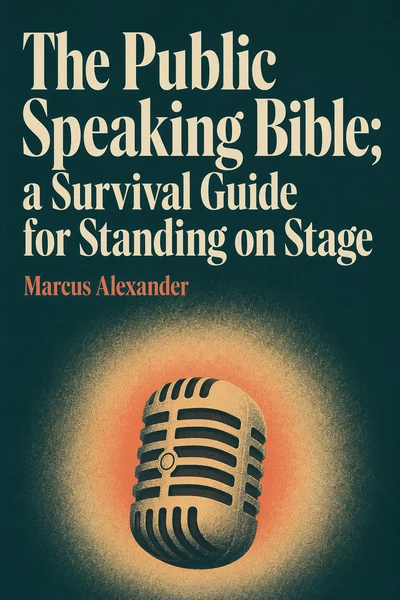
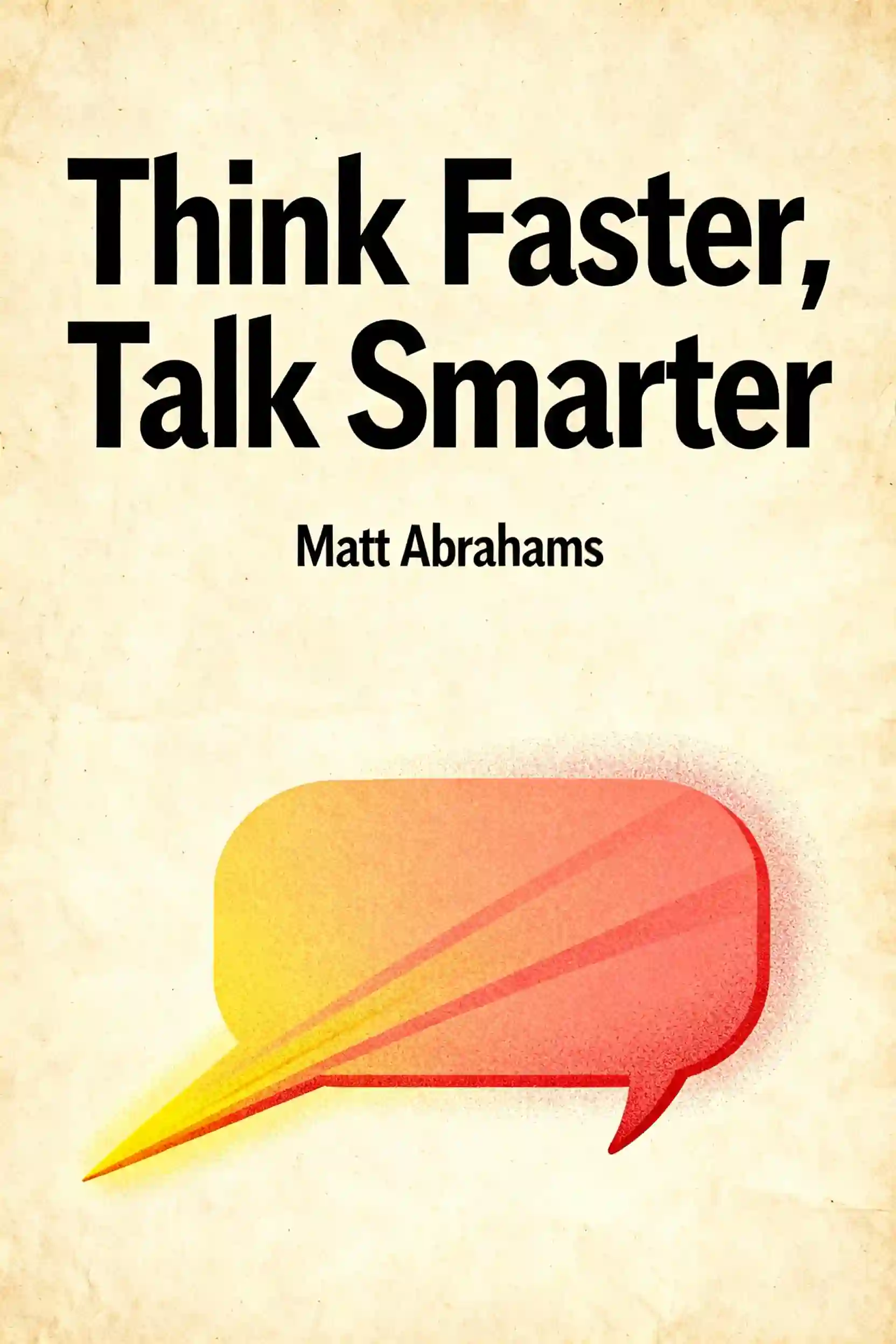
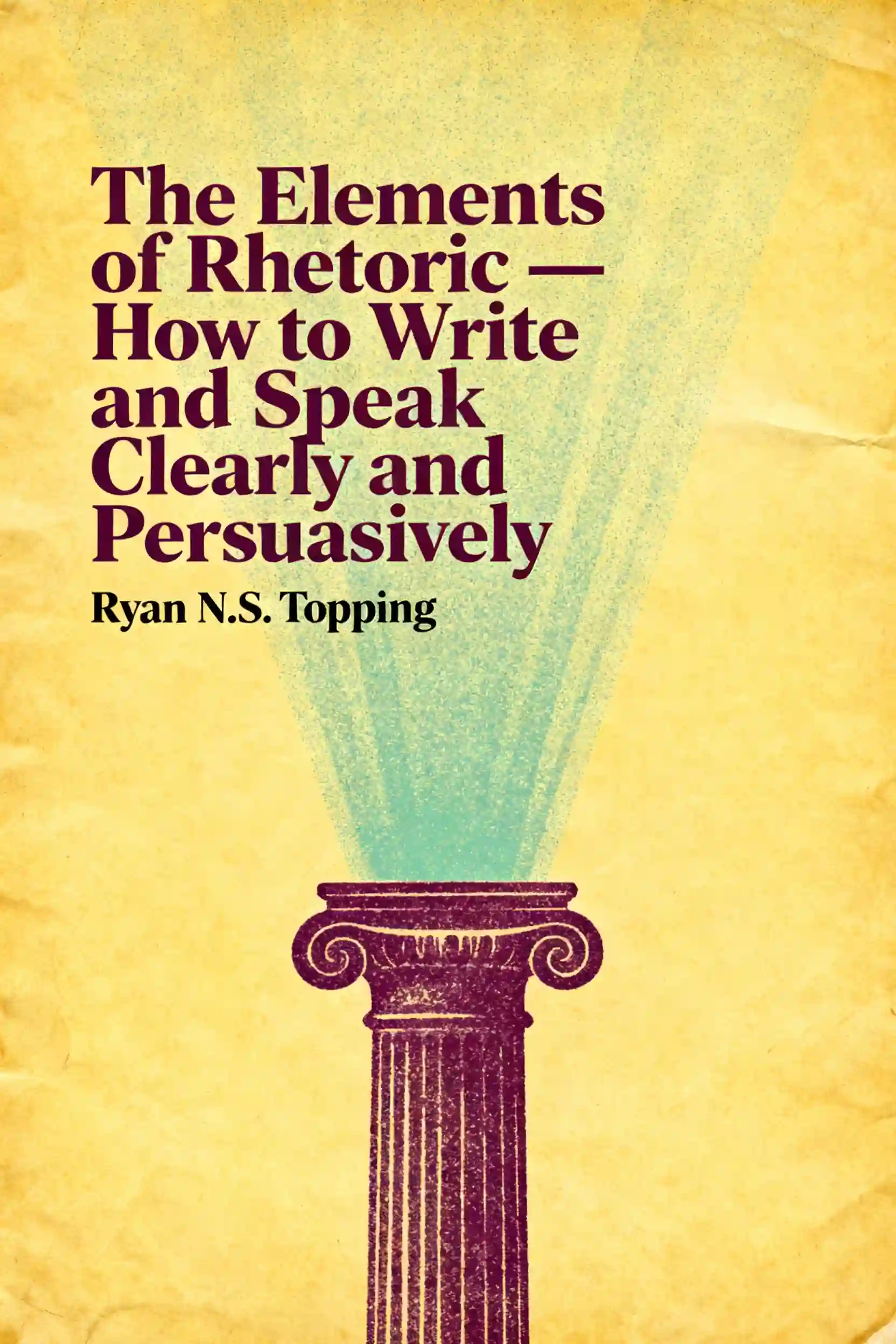
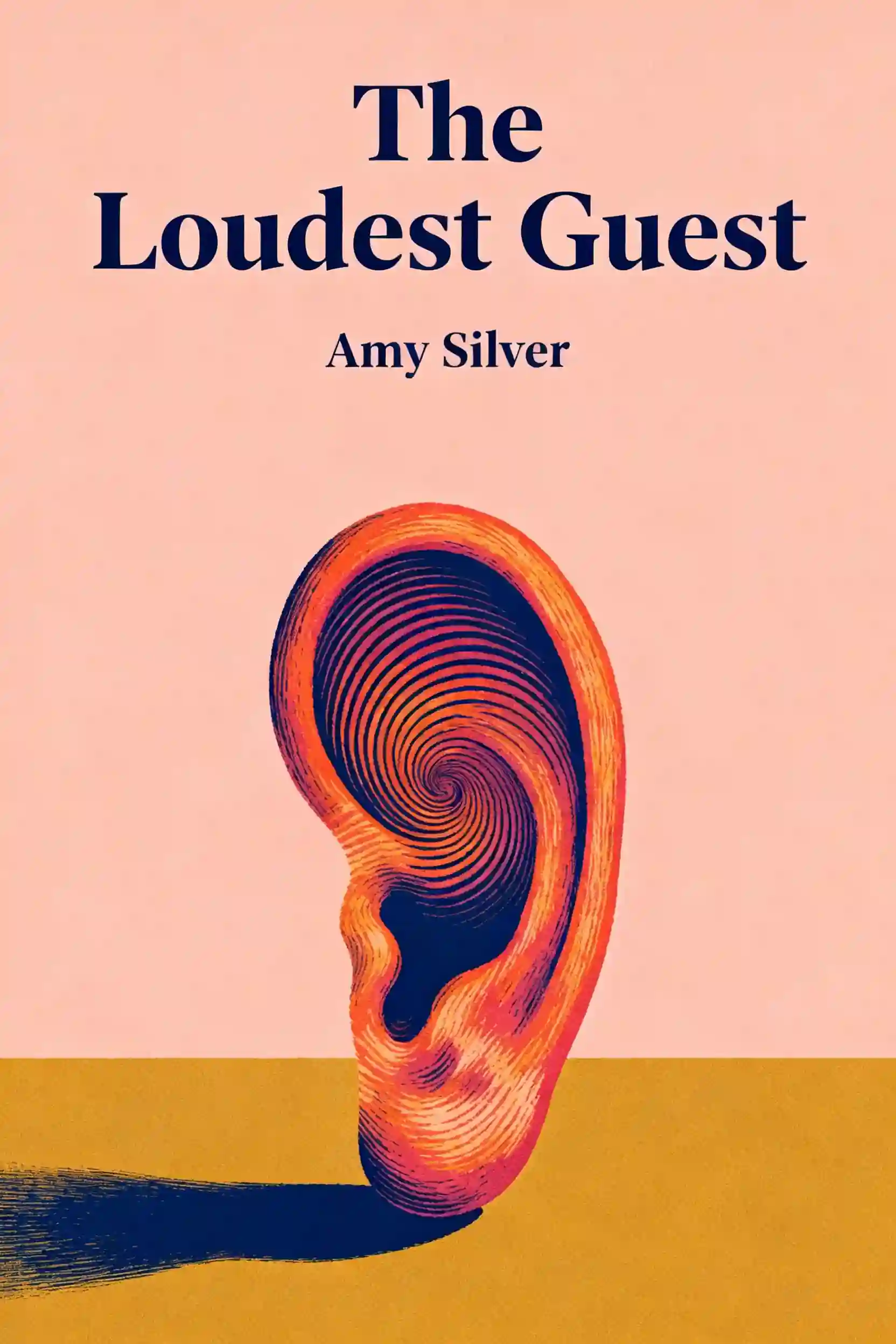
Häufig gestellte Fragen
Filler words, technically known as disfluencies, often function as psychological placeholders. Research suggests we use them as a "don't interrupt me" signal to hold our turn in a conversation while the brain scrambles to find the next thought. Because the human brain processes thoughts significantly faster than the mouth can speak, these sounds act as a mental bridge to fill the void and prevent the perceived "panic" of silence.
Excessive use of filler words can reduce a speaker's perceived credibility by up to forty percent. Listeners often subconsciously associate frequent "ums" and "likes" with anxiety, a lack of preparation, or a lack of expertise. Even if the content of the speech is brilliant and research-backed, the "verbal static" can lead an audience to question the speaker's authority and knowledge.
The "Power of the Pause" involves replacing verbal crutches with intentional silence to convey confidence and control. Different types of pauses serve specific goals: a "Reflective Pause" allows an audience to absorb a deep insight, a "Transition Pause" signals a change in topic, and a "Breath Pause" provides a physiological anchor to calm the nervous system. While a three-second silence may feel long to the speaker, it typically sounds like authority to the listener.
Transition phrases are professional alternatives to meaningless filler sounds that add value to a message while buying the speaker time to think. Instead of saying "um," a speaker can use directional signposts like "Let me explain," "Specifically," or "Consider this example." These phrases act as markers that build rapport and show the speaker is taking the interaction seriously, rather than just scrambling for words.
Retraining involves moving from shallow chest breathing to diaphragmatic breathing, which provides a steady column of air to support long sentences. Techniques like the "Three-Breath Rule"—taking three deep breaths before speaking—can center the nervous system. Additionally, practicing "Chunk and Check" helps by breaking speech into small segments of three to five sentences followed by a pause, preventing the feeling of a "runaway train" that leads to stuttering and fillers.
Von Columbia University Alumni in San Francisco entwickelt
"Instead of endless scrolling, I just hit play on BeFreed. It saves me so much time."


"I never knew where to start with nonfiction—BeFreed’s book lists turned into podcasts gave me a clear path."


"Perfect balance between learning and entertainment. Finished ‘Thinking, Fast and Slow’ on my commute this week."
"Crazy how much I learned while walking the dog. BeFreed = small habits → big gains."
"Reading used to feel like a chore. Now it’s just part of my lifestyle."

"Feels effortless compared to reading. I’ve finished 6 books this month already."
"BeFreed turned my guilty doomscrolling into something that feels productive and inspiring."

"BeFreed turned my commute into learning time. 20-min podcasts are perfect for finishing books I never had time for."
"BeFreed replaced my podcast queue. Imagine Spotify for books — that’s it. 🙌"

"It is great for me to learn something from the book without reading it."
"The themed book list podcasts help me connect ideas across authors—like a guided audio journey."
"Makes me feel smarter every time before going to work"
Von Columbia University Alumni in San Francisco entwickelt
"Instead of endless scrolling, I just hit play on BeFreed. It saves me so much time."
"I never knew where to start with nonfiction—BeFreed’s book lists turned into podcasts gave me a clear path."
"Perfect balance between learning and entertainment. Finished ‘Thinking, Fast and Slow’ on my commute this week."
"Crazy how much I learned while walking the dog. BeFreed = small habits → big gains."
"Reading used to feel like a chore. Now it’s just part of my lifestyle."
"Feels effortless compared to reading. I’ve finished 6 books this month already."
"BeFreed turned my guilty doomscrolling into something that feels productive and inspiring."
"BeFreed turned my commute into learning time. 20-min podcasts are perfect for finishing books I never had time for."
"BeFreed replaced my podcast queue. Imagine Spotify for books — that’s it. 🙌"
"It is great for me to learn something from the book without reading it."
"The themed book list podcasts help me connect ideas across authors—like a guided audio journey."
"Makes me feel smarter every time before going to work"
"Instead of endless scrolling, I just hit play on BeFreed. It saves me so much time."
"I never knew where to start with nonfiction—BeFreed’s book lists turned into podcasts gave me a clear path."
"Perfect balance between learning and entertainment. Finished ‘Thinking, Fast and Slow’ on my commute this week."
"Crazy how much I learned while walking the dog. BeFreed = small habits → big gains."
"Reading used to feel like a chore. Now it’s just part of my lifestyle."
"Feels effortless compared to reading. I’ve finished 6 books this month already."
"BeFreed turned my guilty doomscrolling into something that feels productive and inspiring."
"BeFreed turned my commute into learning time. 20-min podcasts are perfect for finishing books I never had time for."
"BeFreed replaced my podcast queue. Imagine Spotify for books — that’s it. 🙌"
"It is great for me to learn something from the book without reading it."
"The themed book list podcasts help me connect ideas across authors—like a guided audio journey."
"Makes me feel smarter every time before going to work"
"Instead of endless scrolling, I just hit play on BeFreed. It saves me so much time."
"I never knew where to start with nonfiction—BeFreed’s book lists turned into podcasts gave me a clear path."
"Perfect balance between learning and entertainment. Finished ‘Thinking, Fast and Slow’ on my commute this week."
"Crazy how much I learned while walking the dog. BeFreed = small habits → big gains."
"Reading used to feel like a chore. Now it’s just part of my lifestyle."
"Feels effortless compared to reading. I’ve finished 6 books this month already."
"BeFreed turned my guilty doomscrolling into something that feels productive and inspiring."
"BeFreed turned my commute into learning time. 20-min podcasts are perfect for finishing books I never had time for."
"BeFreed replaced my podcast queue. Imagine Spotify for books — that’s it. 🙌"
"It is great for me to learn something from the book without reading it."
"The themed book list podcasts help me connect ideas across authors—like a guided audio journey."
"Makes me feel smarter every time before going to work"