Bestes Zitat aus The Evolution of American Literature
American literature has never been just about entertainment or artistic expression—it's been actively involved in shaping national conversations about identity, justice, and values.

Diese Audiolektion wurde von einem BeFreed-Community-Mitglied erstellt
American literature

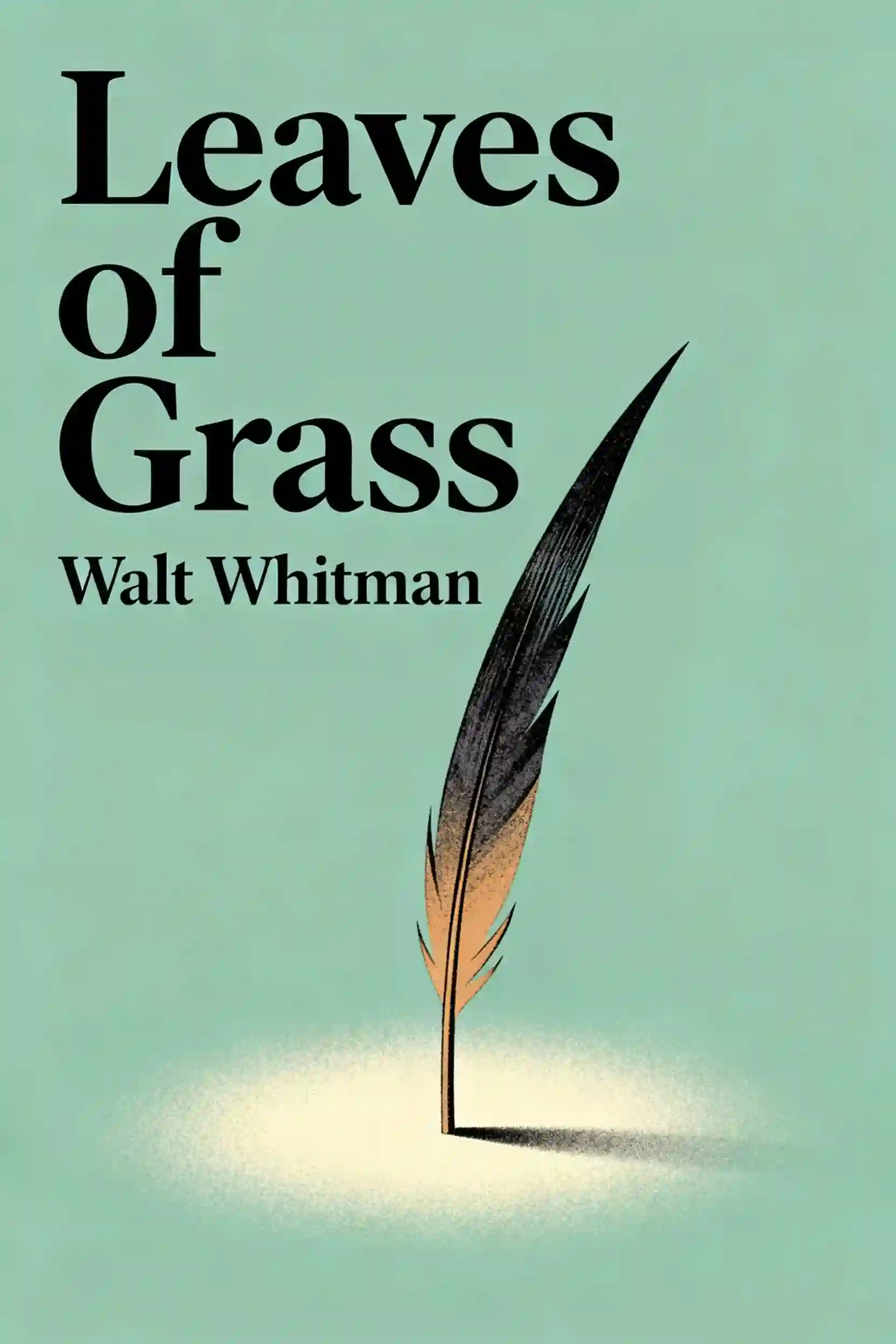
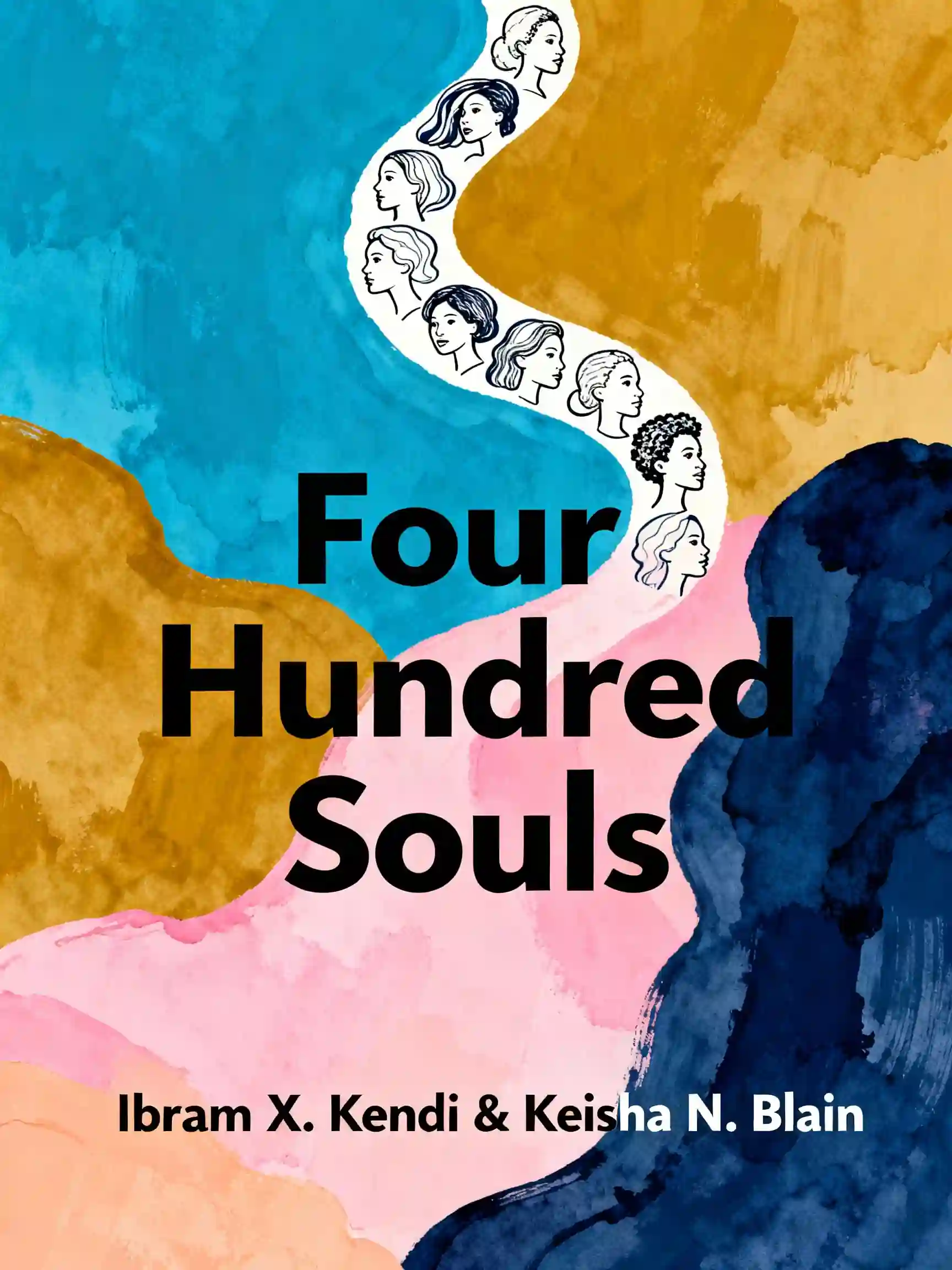
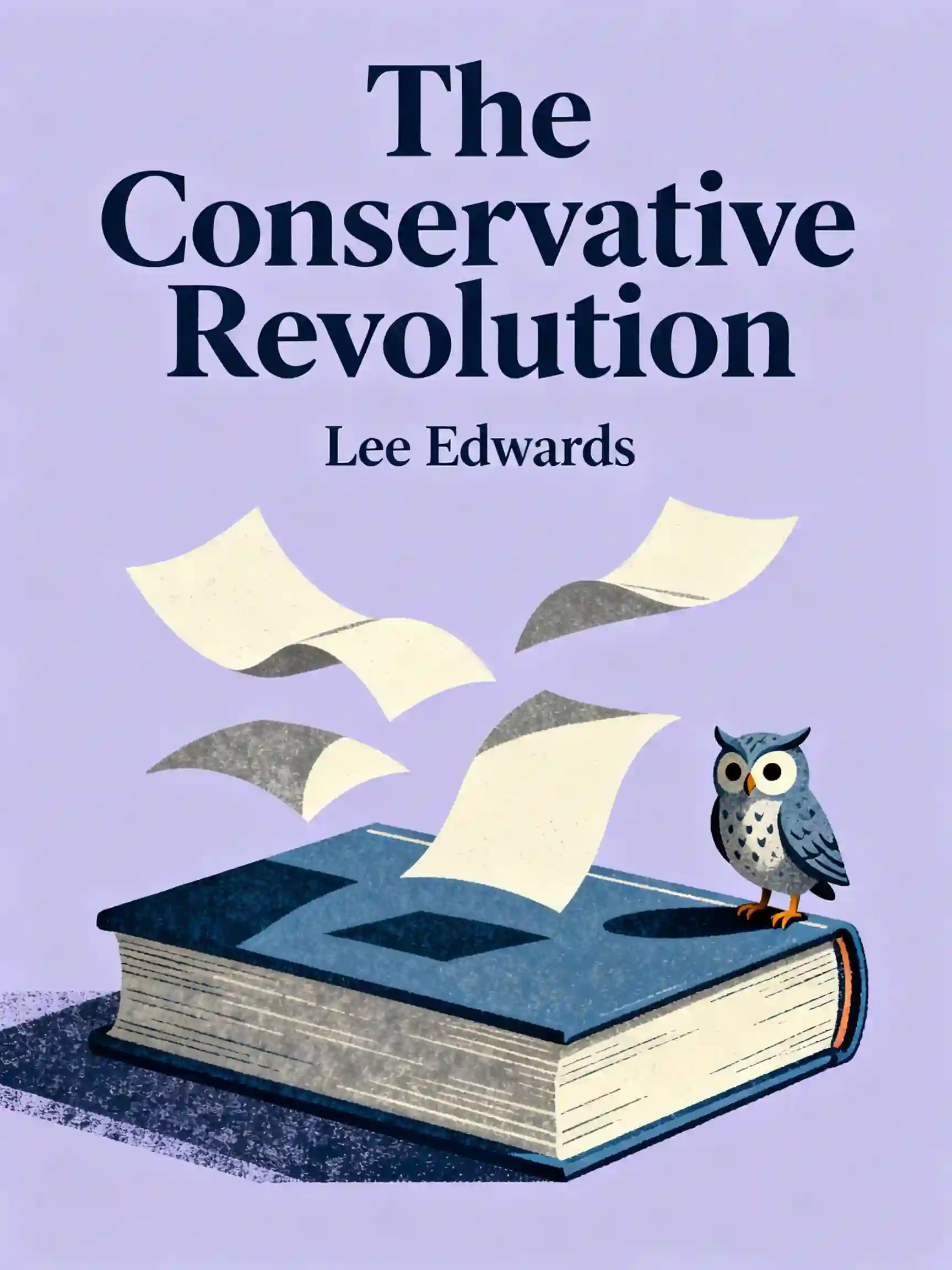
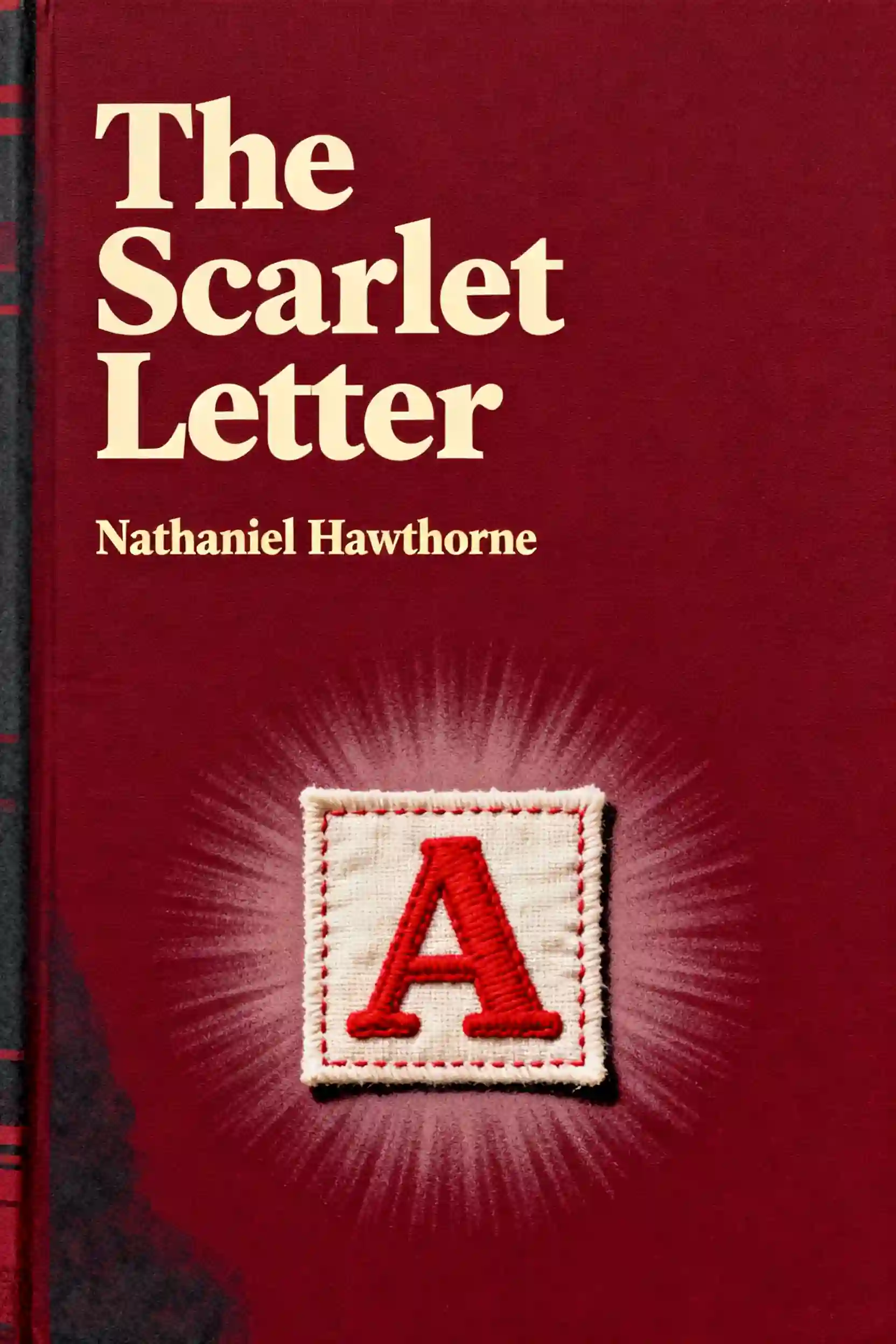
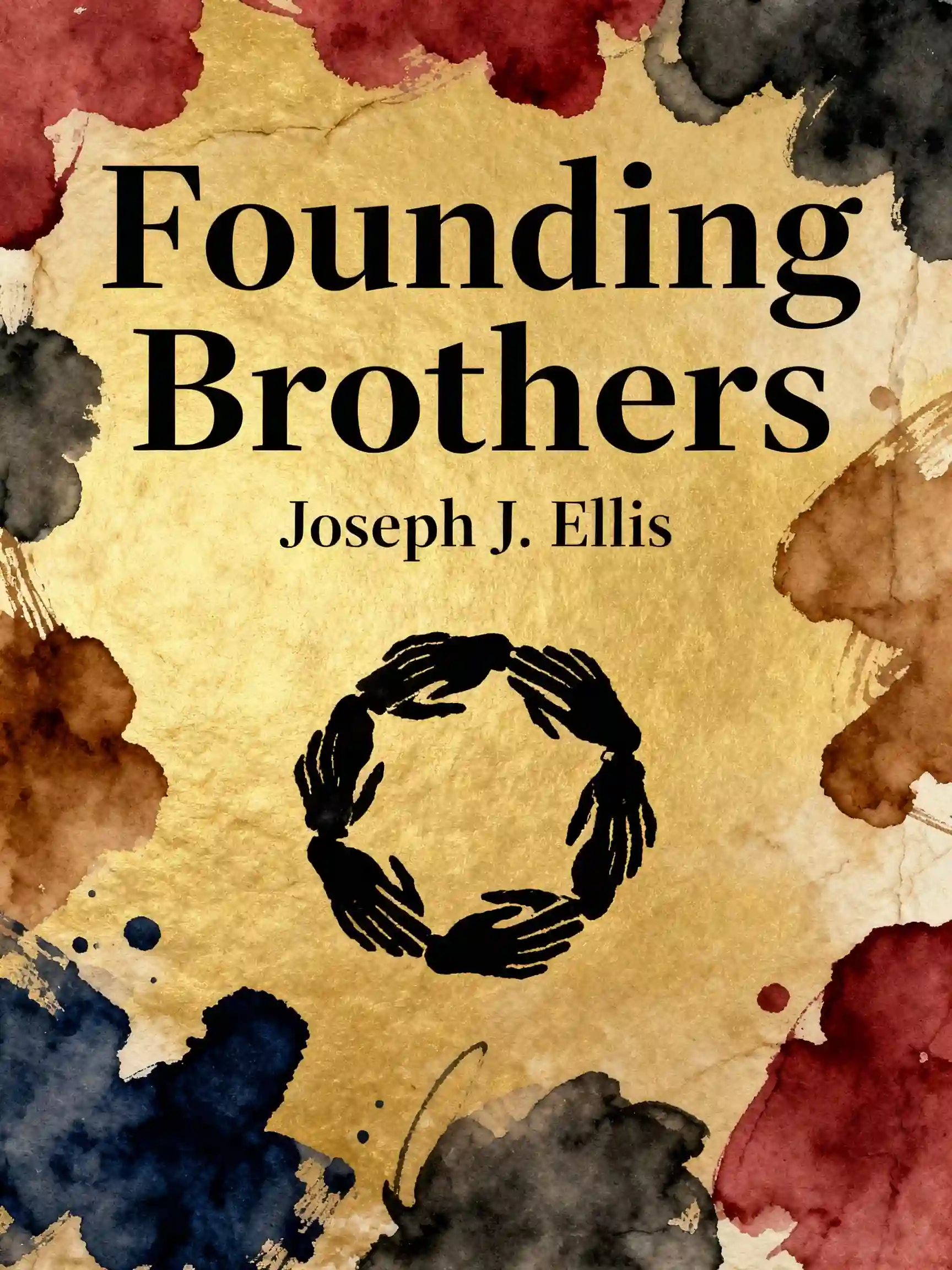
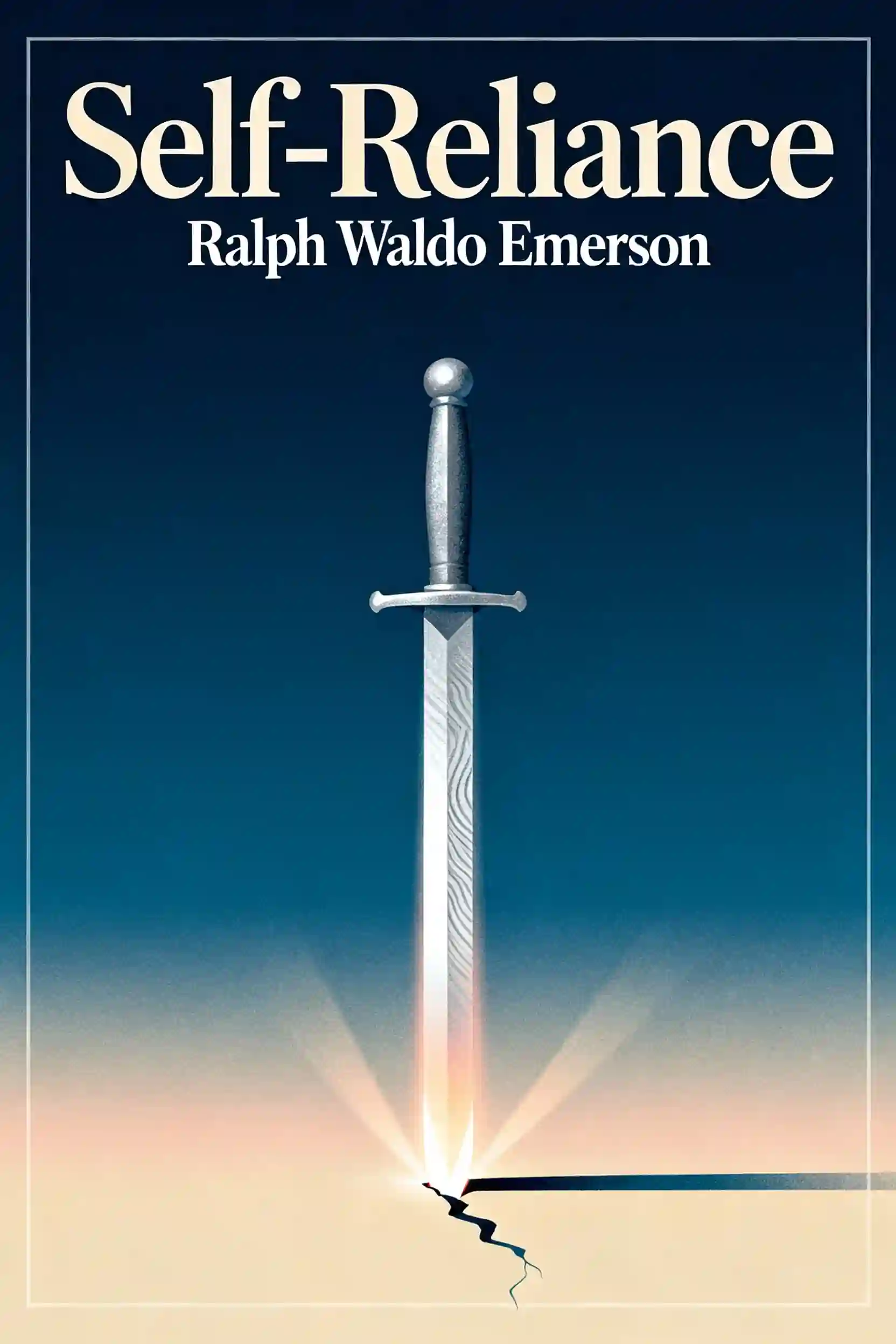
Mehr entdecken

The most important works of literature
This learning plan provides a comprehensive journey through the essential works that shaped Western literature, offering both historical context and deep textual analysis. It's ideal for serious readers seeking cultural literacy, students preparing for advanced literary study, educators building curriculum knowledge, or anyone wanting to understand the books that continue to influence modern storytelling and thought. By progressing chronologically through literary history, learners gain both breadth of knowledge and the critical tools to engage meaningfully with humanity's most celebrated narratives.
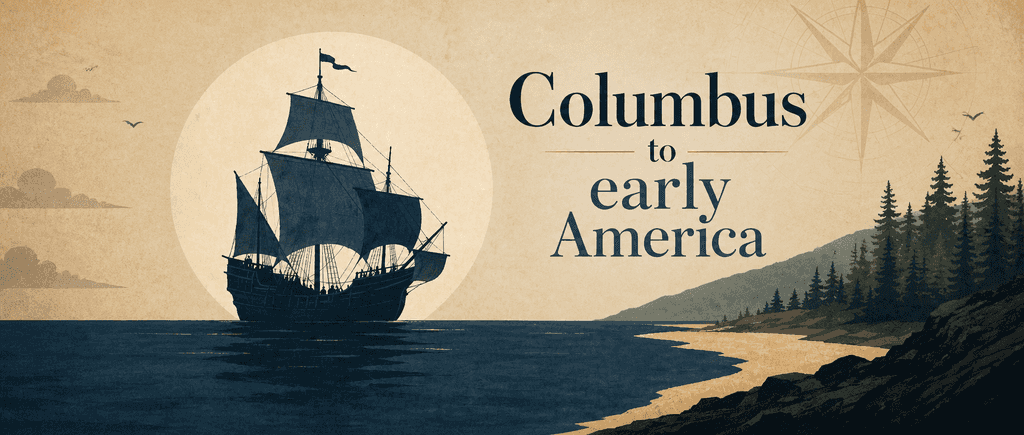
Columbus to early America
This learning plan provides essential context for understanding the origins of American political, social, and economic institutions. It's ideal for students, educators, or anyone seeking to grasp how colonial experiences and revolutionary ideals shaped the United States and continue to influence contemporary American society and governance.

US History: Independence to Present Day
This plan provides a comprehensive overview of the pivotal events and ideologies that shaped the United States into a global leader. It is ideal for students, history buffs, or anyone seeking to understand the roots of modern American society and politics.

Classic literature
Classic literature forms the foundation of modern storytelling and continues to offer unparalleled insights into human nature, society, and morality. This learning plan is ideal for readers who want to move beyond surface-level reading, building the analytical skills and cultural literacy to engage deeply with the world's most influential literary works across British, Russian, and modernist traditions.

The Evolution of Romantic Escapism
This learning plan is essential for aspiring writers and literary enthusiasts who want to understand the psychological and historical drivers of the romance genre. It offers a comprehensive journey from classic foundations to the high-stakes worlds of modern subgenres, making it perfect for anyone looking to master the art of romantic storytelling.

American history
This comprehensive American history learning plan provides essential context for understanding the forces that shaped the United States into the nation it is today. It's ideal for students, professionals, and curious learners who want to grasp how past events inform current political debates, social movements, and America's role in the world. Anyone seeking to be an informed citizen or to understand American culture, politics, and society will benefit from this foundational knowledge.

Explore global societal evolution over time
This comprehensive history curriculum is essential for anyone seeking to understand the forces that shaped our modern world and continue to influence contemporary society. It's perfect for curious learners who want context for current events, students building foundational knowledge, professionals in fields like policy or journalism, or anyone interested in humanity's remarkable journey. By examining patterns across millennia, you'll gain invaluable perspective on where we've been and insight into where we might be heading.

History of USA
This comprehensive survey of American history is essential for anyone seeking to understand the forces that shaped the United States and continue to influence global politics today. Perfect for students, educators, professionals working in policy or international relations, and engaged citizens who want to contextualize current events through historical understanding.
Von Columbia University Alumni in San Francisco entwickelt
"Instead of endless scrolling, I just hit play on BeFreed. It saves me so much time."


"I never knew where to start with nonfiction—BeFreed’s book lists turned into podcasts gave me a clear path."


"Perfect balance between learning and entertainment. Finished ‘Thinking, Fast and Slow’ on my commute this week."
"Crazy how much I learned while walking the dog. BeFreed = small habits → big gains."
"Reading used to feel like a chore. Now it’s just part of my lifestyle."

"Feels effortless compared to reading. I’ve finished 6 books this month already."
"BeFreed turned my guilty doomscrolling into something that feels productive and inspiring."

"BeFreed turned my commute into learning time. 20-min podcasts are perfect for finishing books I never had time for."
"BeFreed replaced my podcast queue. Imagine Spotify for books — that’s it. 🙌"

"It is great for me to learn something from the book without reading it."
"The themed book list podcasts help me connect ideas across authors—like a guided audio journey."
"Makes me feel smarter every time before going to work"
Von Columbia University Alumni in San Francisco entwickelt
"Instead of endless scrolling, I just hit play on BeFreed. It saves me so much time."
"I never knew where to start with nonfiction—BeFreed’s book lists turned into podcasts gave me a clear path."
"Perfect balance between learning and entertainment. Finished ‘Thinking, Fast and Slow’ on my commute this week."
"Crazy how much I learned while walking the dog. BeFreed = small habits → big gains."
"Reading used to feel like a chore. Now it’s just part of my lifestyle."
"Feels effortless compared to reading. I’ve finished 6 books this month already."
"BeFreed turned my guilty doomscrolling into something that feels productive and inspiring."
"BeFreed turned my commute into learning time. 20-min podcasts are perfect for finishing books I never had time for."
"BeFreed replaced my podcast queue. Imagine Spotify for books — that’s it. 🙌"
"It is great for me to learn something from the book without reading it."
"The themed book list podcasts help me connect ideas across authors—like a guided audio journey."
"Makes me feel smarter every time before going to work"
"Instead of endless scrolling, I just hit play on BeFreed. It saves me so much time."
"I never knew where to start with nonfiction—BeFreed’s book lists turned into podcasts gave me a clear path."
"Perfect balance between learning and entertainment. Finished ‘Thinking, Fast and Slow’ on my commute this week."
"Crazy how much I learned while walking the dog. BeFreed = small habits → big gains."
"Reading used to feel like a chore. Now it’s just part of my lifestyle."
"Feels effortless compared to reading. I’ve finished 6 books this month already."
"BeFreed turned my guilty doomscrolling into something that feels productive and inspiring."
"BeFreed turned my commute into learning time. 20-min podcasts are perfect for finishing books I never had time for."
"BeFreed replaced my podcast queue. Imagine Spotify for books — that’s it. 🙌"
"It is great for me to learn something from the book without reading it."
"The themed book list podcasts help me connect ideas across authors—like a guided audio journey."
"Makes me feel smarter every time before going to work"
"Instead of endless scrolling, I just hit play on BeFreed. It saves me so much time."
"I never knew where to start with nonfiction—BeFreed’s book lists turned into podcasts gave me a clear path."
"Perfect balance between learning and entertainment. Finished ‘Thinking, Fast and Slow’ on my commute this week."
"Crazy how much I learned while walking the dog. BeFreed = small habits → big gains."
"Reading used to feel like a chore. Now it’s just part of my lifestyle."
"Feels effortless compared to reading. I’ve finished 6 books this month already."
"BeFreed turned my guilty doomscrolling into something that feels productive and inspiring."
"BeFreed turned my commute into learning time. 20-min podcasts are perfect for finishing books I never had time for."
"BeFreed replaced my podcast queue. Imagine Spotify for books — that’s it. 🙌"
"It is great for me to learn something from the book without reading it."
"The themed book list podcasts help me connect ideas across authors—like a guided audio journey."
"Makes me feel smarter every time before going to work"