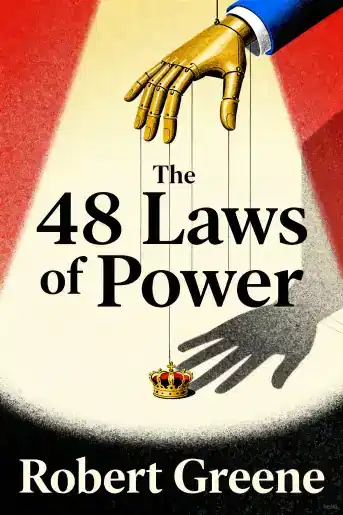
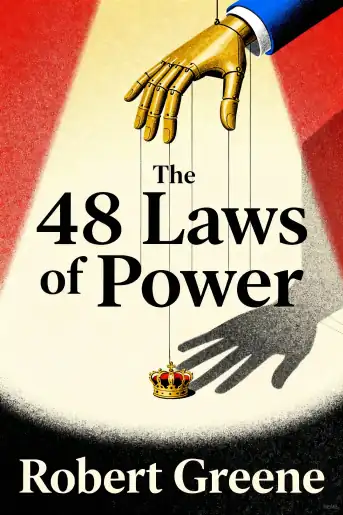
The 48 Laws of Power: Survival Guide or Manipulation Manual?
Explore the ruthless strategies of Robert Greene’s polarizing bestseller. We dive into the history of power, the ethics of concealment, and whether these laws are essential tools for success or a roadmap for deception.

Bestes Zitat aus The 48 Laws of Power: Survival Guide or Manipulation Manual?
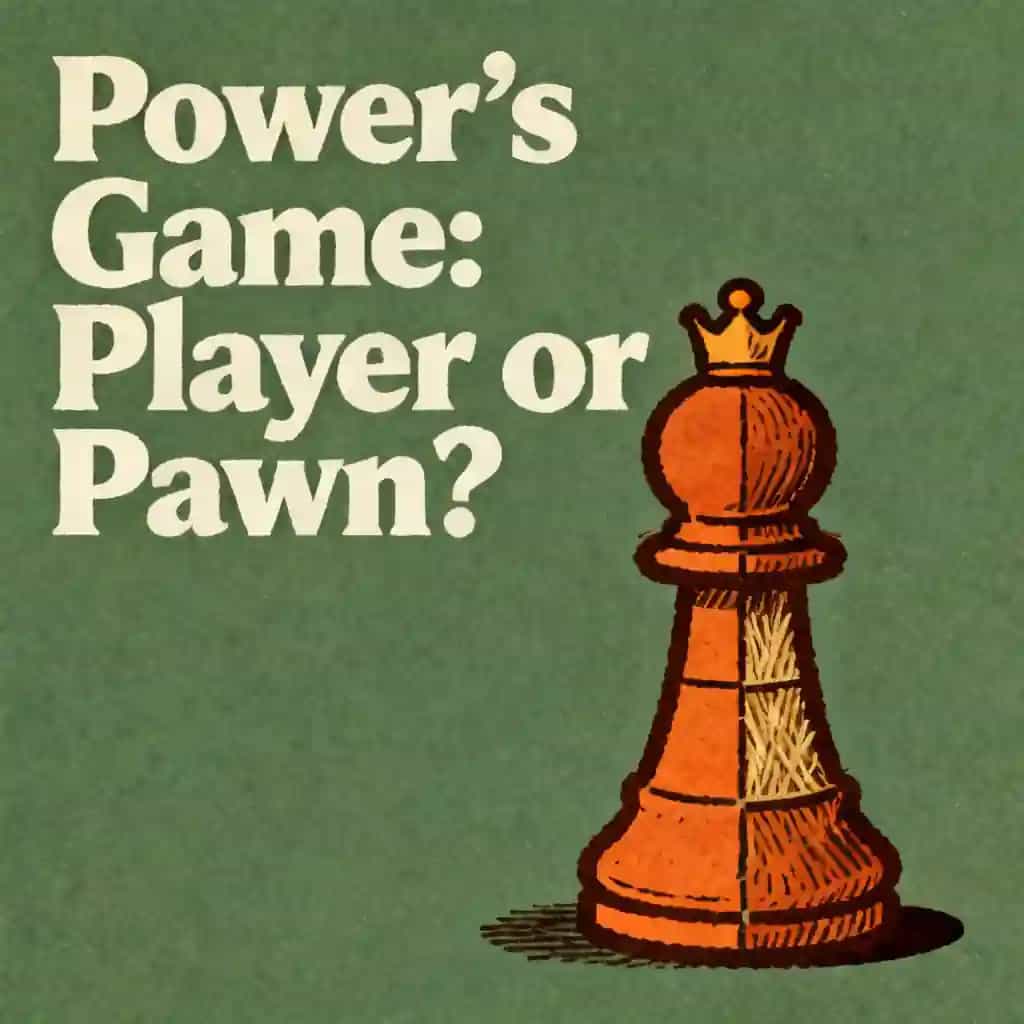
Ignoring power doesn't make you more moral; it just makes you more vulnerable. You can play the game, or you can be played by it—there is no third option.
Generated by Freedee_DD18602B
48 laws of power

Häufig gestellte Fragen
The script suggests that the book is more of a descriptive survival guide than a prescriptive manual for evil. Robert Greene argues that power is a neutral force, similar to gravity, and that he is simply distilling 3,000 years of historical patterns. While some laws may seem amoral, the goal is to provide awareness of how successful leaders and "birds of prey" operate so that the reader can avoid being a "lamb" who is easily manipulated or sidelined.
This law is based on the psychological reality that people in positions of authority have egos and insecurities. If a subordinate appears too brilliant or talented, it can trigger a "threat response" in their superior, leading the leader to use their power to suppress that person's career. The script suggests "calibrating" this law by being brilliant in a way that makes your superior look good, thereby ensuring your own strategic visibility without making yourself a target.
The script notes that a major criticism of the laws is their heavy focus on perception and reputation. In Greene’s framework, if a tree falls in a forest and no one hears it, it doesn't make a sound; similarly, if you do great work but no one perceives it, you haven't gained power. However, the script warns that being "all spectacle and no substance" is unsustainable in the modern world, as over-focusing on appearances can lead to a lack of the actual skills needed to build a lasting company or career.
While many laws were inspired by 17th-century courts, they still apply to modern hierarchies like corporations and startups. However, the script highlights that some laws, like stealing credit from others, can backfire in a mobile workforce by destroying trust and increasing turnover. A modern application involves being a "smart cooperator"—using the laws defensively to recognize manipulation while choosing to lead through "conversion" (persuasion and vision) rather than "coercion" (force and terror).
The script explores the "Smart Win-Win" framework, which suggests that one can be honorable and cooperative with high-quality people while remaining "strategically Machiavellian" when dealing with competitors or shady characters. By understanding the laws, an individual gains the agency to choose how they play the game. The ultimate goal is to have the knowledge to be "dangerous" and aware of power dynamics, but the character to choose to act with integrity.
Von Columbia University Alumni in San Francisco entwickelt
"Instead of endless scrolling, I just hit play on BeFreed. It saves me so much time."


"I never knew where to start with nonfiction—BeFreed’s book lists turned into podcasts gave me a clear path."


"Perfect balance between learning and entertainment. Finished ‘Thinking, Fast and Slow’ on my commute this week."
"Crazy how much I learned while walking the dog. BeFreed = small habits → big gains."
"Reading used to feel like a chore. Now it’s just part of my lifestyle."

"Feels effortless compared to reading. I’ve finished 6 books this month already."
"BeFreed turned my guilty doomscrolling into something that feels productive and inspiring."

"BeFreed turned my commute into learning time. 20-min podcasts are perfect for finishing books I never had time for."
"BeFreed replaced my podcast queue. Imagine Spotify for books — that’s it. 🙌"

"It is great for me to learn something from the book without reading it."
"The themed book list podcasts help me connect ideas across authors—like a guided audio journey."
"Makes me feel smarter every time before going to work"
Von Columbia University Alumni in San Francisco entwickelt
"Instead of endless scrolling, I just hit play on BeFreed. It saves me so much time."
"I never knew where to start with nonfiction—BeFreed’s book lists turned into podcasts gave me a clear path."
"Perfect balance between learning and entertainment. Finished ‘Thinking, Fast and Slow’ on my commute this week."
"Crazy how much I learned while walking the dog. BeFreed = small habits → big gains."
"Reading used to feel like a chore. Now it’s just part of my lifestyle."
"Feels effortless compared to reading. I’ve finished 6 books this month already."
"BeFreed turned my guilty doomscrolling into something that feels productive and inspiring."
"BeFreed turned my commute into learning time. 20-min podcasts are perfect for finishing books I never had time for."
"BeFreed replaced my podcast queue. Imagine Spotify for books — that’s it. 🙌"
"It is great for me to learn something from the book without reading it."
"The themed book list podcasts help me connect ideas across authors—like a guided audio journey."
"Makes me feel smarter every time before going to work"
"Instead of endless scrolling, I just hit play on BeFreed. It saves me so much time."
"I never knew where to start with nonfiction—BeFreed’s book lists turned into podcasts gave me a clear path."
"Perfect balance between learning and entertainment. Finished ‘Thinking, Fast and Slow’ on my commute this week."
"Crazy how much I learned while walking the dog. BeFreed = small habits → big gains."
"Reading used to feel like a chore. Now it’s just part of my lifestyle."
"Feels effortless compared to reading. I’ve finished 6 books this month already."
"BeFreed turned my guilty doomscrolling into something that feels productive and inspiring."
"BeFreed turned my commute into learning time. 20-min podcasts are perfect for finishing books I never had time for."
"BeFreed replaced my podcast queue. Imagine Spotify for books — that’s it. 🙌"
"It is great for me to learn something from the book without reading it."
"The themed book list podcasts help me connect ideas across authors—like a guided audio journey."
"Makes me feel smarter every time before going to work"
"Instead of endless scrolling, I just hit play on BeFreed. It saves me so much time."
"I never knew where to start with nonfiction—BeFreed’s book lists turned into podcasts gave me a clear path."
"Perfect balance between learning and entertainment. Finished ‘Thinking, Fast and Slow’ on my commute this week."
"Crazy how much I learned while walking the dog. BeFreed = small habits → big gains."
"Reading used to feel like a chore. Now it’s just part of my lifestyle."
"Feels effortless compared to reading. I’ve finished 6 books this month already."
"BeFreed turned my guilty doomscrolling into something that feels productive and inspiring."
"BeFreed turned my commute into learning time. 20-min podcasts are perfect for finishing books I never had time for."
"BeFreed replaced my podcast queue. Imagine Spotify for books — that’s it. 🙌"
"It is great for me to learn something from the book without reading it."
"The themed book list podcasts help me connect ideas across authors—like a guided audio journey."
"Makes me feel smarter every time before going to work"