The 40+ Brain: Mastering Midlife Neuroplasticity
Discover how to leverage your brain's natural age-40 rewiring to break old habits and optimize cognitive performance through intentional friction, movement, and nutrition.

Bestes Zitat aus The 40+ Brain: Mastering Midlife Neuroplasticity
Your brain at forty isn't a fading memory of your twenty-year-old self—it’s a different, more sophisticated machine that requires a different kind of fuel and a different kind of exercise.
Generated by Bee
Learn about neuroplasticity and rewiring how you think and learn, tips to do so reaching 40 years old

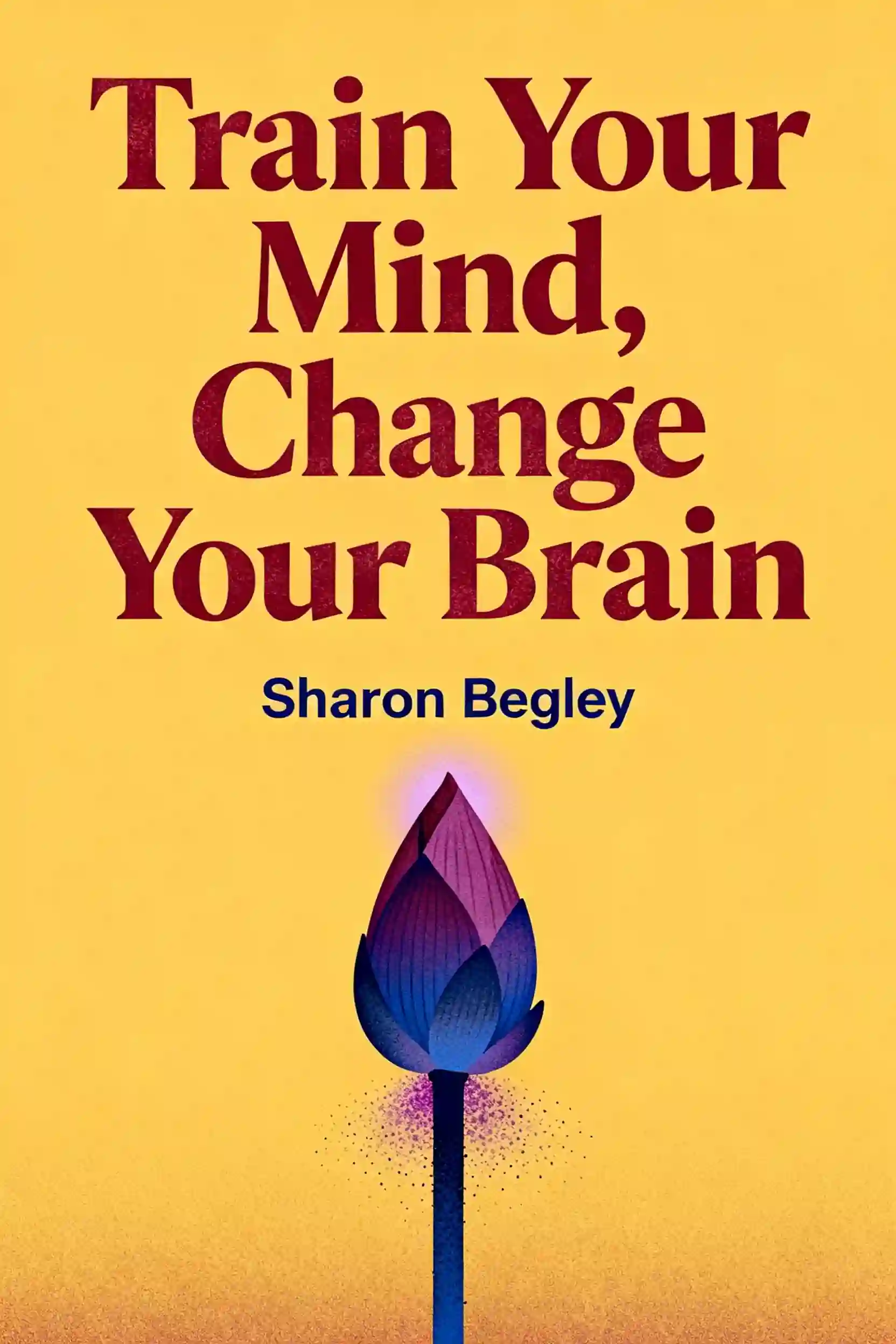
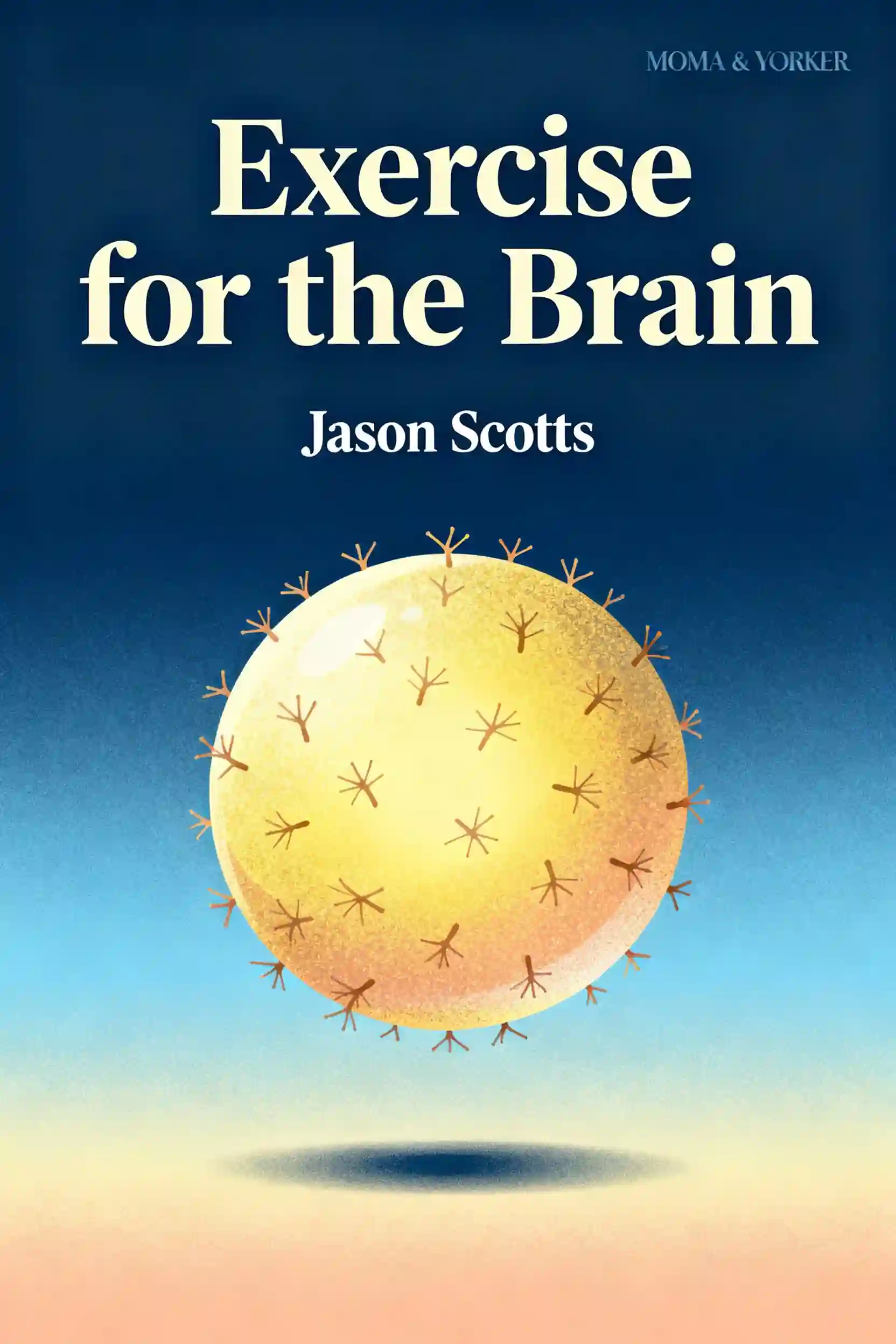
Häufig gestellte Fragen
No, this is a persistent myth. Research, including a systematic review from Monash University, shows that the brain undergoes a radical "rewiring" around age 40. Rather than becoming static, the brain begins to prioritize different types of connections, integrating various networks to function more efficiently with aging hardware. While "fluid intelligence" (processing speed) may show some decline, "crystallized intelligence" (accumulated wisdom and vocabulary) often stays stable or improves well into your sixties.
Receptive engagement involves passively taking in information, such as watching a cooking show or doing a familiar crossword puzzle, which is generally not enough to trigger neuroplasticity. Productive engagement requires you to enter a "discomfort zone" by learning new, complex skills that demand active building and problem-solving. Activities like learning digital photography, quilting, or a new language are examples of productive engagement that have been shown to significantly improve memory and strengthen neural networks.
Exercise acts as "Miracle-Gro" for the brain by increasing a protein called Brain-Derived Neurotrophic Factor (BDNF), which makes neurons more receptive to new connections. For the 40-plus brain, the type of movement matters; complex activities like ballroom dancing or Tai chi are especially effective because they combine aerobic exercise with social interaction and motor learning. Additionally, performing a "movement snack" or a bout of aerobic exercise right before a learning session can "prime" the brain to help new information stick.
Interleaved practice is a learning strategy where you mix different tasks or topics together rather than practicing one single skill repeatedly (which is known as "blocked practice"). For example, instead of practicing only knife skills for an hour, you would rotate between cutting, seasoning, and sauce-making. Although this "intentional friction" feels harder and makes progress seem slower in the moment, the process of constantly "re-loading" different instructions triggers stronger neuroplastic changes and better long-term retention.
Yes, certain "Genius Foods" provide the biological substrate necessary for rewiring. Flavonoids found in blueberries have been shown to improve cognitive flexibility by targeting the part of the hippocampus where new neurons are born. Omega-3 fatty acids (EPA and DHA) and Vitamin E (found in almonds) support the integrity of neural membranes and improve word recognition speed. Furthermore, maintaining adequate Vitamin D levels is crucial, as a deficiency can hinder the brain's ability to plan and form new memories.
Von Columbia University Alumni in San Francisco entwickelt
"Instead of endless scrolling, I just hit play on BeFreed. It saves me so much time."


"I never knew where to start with nonfiction—BeFreed’s book lists turned into podcasts gave me a clear path."


"Perfect balance between learning and entertainment. Finished ‘Thinking, Fast and Slow’ on my commute this week."
"Crazy how much I learned while walking the dog. BeFreed = small habits → big gains."
"Reading used to feel like a chore. Now it’s just part of my lifestyle."

"Feels effortless compared to reading. I’ve finished 6 books this month already."
"BeFreed turned my guilty doomscrolling into something that feels productive and inspiring."

"BeFreed turned my commute into learning time. 20-min podcasts are perfect for finishing books I never had time for."
"BeFreed replaced my podcast queue. Imagine Spotify for books — that’s it. 🙌"

"It is great for me to learn something from the book without reading it."
"The themed book list podcasts help me connect ideas across authors—like a guided audio journey."
"Makes me feel smarter every time before going to work"
Von Columbia University Alumni in San Francisco entwickelt
"Instead of endless scrolling, I just hit play on BeFreed. It saves me so much time."
"I never knew where to start with nonfiction—BeFreed’s book lists turned into podcasts gave me a clear path."
"Perfect balance between learning and entertainment. Finished ‘Thinking, Fast and Slow’ on my commute this week."
"Crazy how much I learned while walking the dog. BeFreed = small habits → big gains."
"Reading used to feel like a chore. Now it’s just part of my lifestyle."
"Feels effortless compared to reading. I’ve finished 6 books this month already."
"BeFreed turned my guilty doomscrolling into something that feels productive and inspiring."
"BeFreed turned my commute into learning time. 20-min podcasts are perfect for finishing books I never had time for."
"BeFreed replaced my podcast queue. Imagine Spotify for books — that’s it. 🙌"
"It is great for me to learn something from the book without reading it."
"The themed book list podcasts help me connect ideas across authors—like a guided audio journey."
"Makes me feel smarter every time before going to work"
"Instead of endless scrolling, I just hit play on BeFreed. It saves me so much time."
"I never knew where to start with nonfiction—BeFreed’s book lists turned into podcasts gave me a clear path."
"Perfect balance between learning and entertainment. Finished ‘Thinking, Fast and Slow’ on my commute this week."
"Crazy how much I learned while walking the dog. BeFreed = small habits → big gains."
"Reading used to feel like a chore. Now it’s just part of my lifestyle."
"Feels effortless compared to reading. I’ve finished 6 books this month already."
"BeFreed turned my guilty doomscrolling into something that feels productive and inspiring."
"BeFreed turned my commute into learning time. 20-min podcasts are perfect for finishing books I never had time for."
"BeFreed replaced my podcast queue. Imagine Spotify for books — that’s it. 🙌"
"It is great for me to learn something from the book without reading it."
"The themed book list podcasts help me connect ideas across authors—like a guided audio journey."
"Makes me feel smarter every time before going to work"
"Instead of endless scrolling, I just hit play on BeFreed. It saves me so much time."
"I never knew where to start with nonfiction—BeFreed’s book lists turned into podcasts gave me a clear path."
"Perfect balance between learning and entertainment. Finished ‘Thinking, Fast and Slow’ on my commute this week."
"Crazy how much I learned while walking the dog. BeFreed = small habits → big gains."
"Reading used to feel like a chore. Now it’s just part of my lifestyle."
"Feels effortless compared to reading. I’ve finished 6 books this month already."
"BeFreed turned my guilty doomscrolling into something that feels productive and inspiring."
"BeFreed turned my commute into learning time. 20-min podcasts are perfect for finishing books I never had time for."
"BeFreed replaced my podcast queue. Imagine Spotify for books — that’s it. 🙌"
"It is great for me to learn something from the book without reading it."
"The themed book list podcasts help me connect ideas across authors—like a guided audio journey."
"Makes me feel smarter every time before going to work"