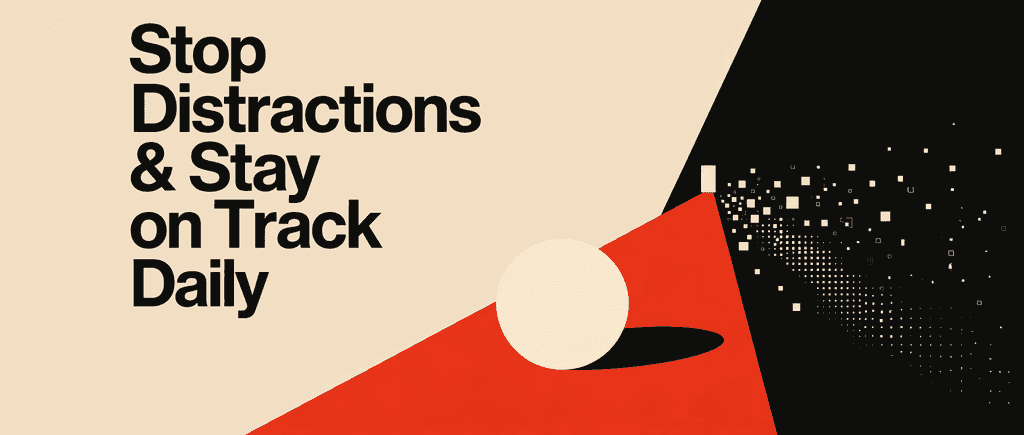
Focus and Motivation Techniques for Small Business Owners
Learn effective techniques for small business owners to stay focused and motivated. Master goal setting, build a business routine, and foster a positive mindset.

Bestes Zitat aus Focus and Motivation Techniques for Small Business Owners
Protecting your attention is the most significant gift you can give to your business. It allows you to move from 'survival mode' to 'strategic leadership' by treating your focus as your primary capital.
Generated by VIKASH KUMAR JAIN
This subtopic will discuss the various techniques for staying focused and motivated as a small business owner, including how to set goals, create a routine, and maintain a positive mindset that drives success and achievement.

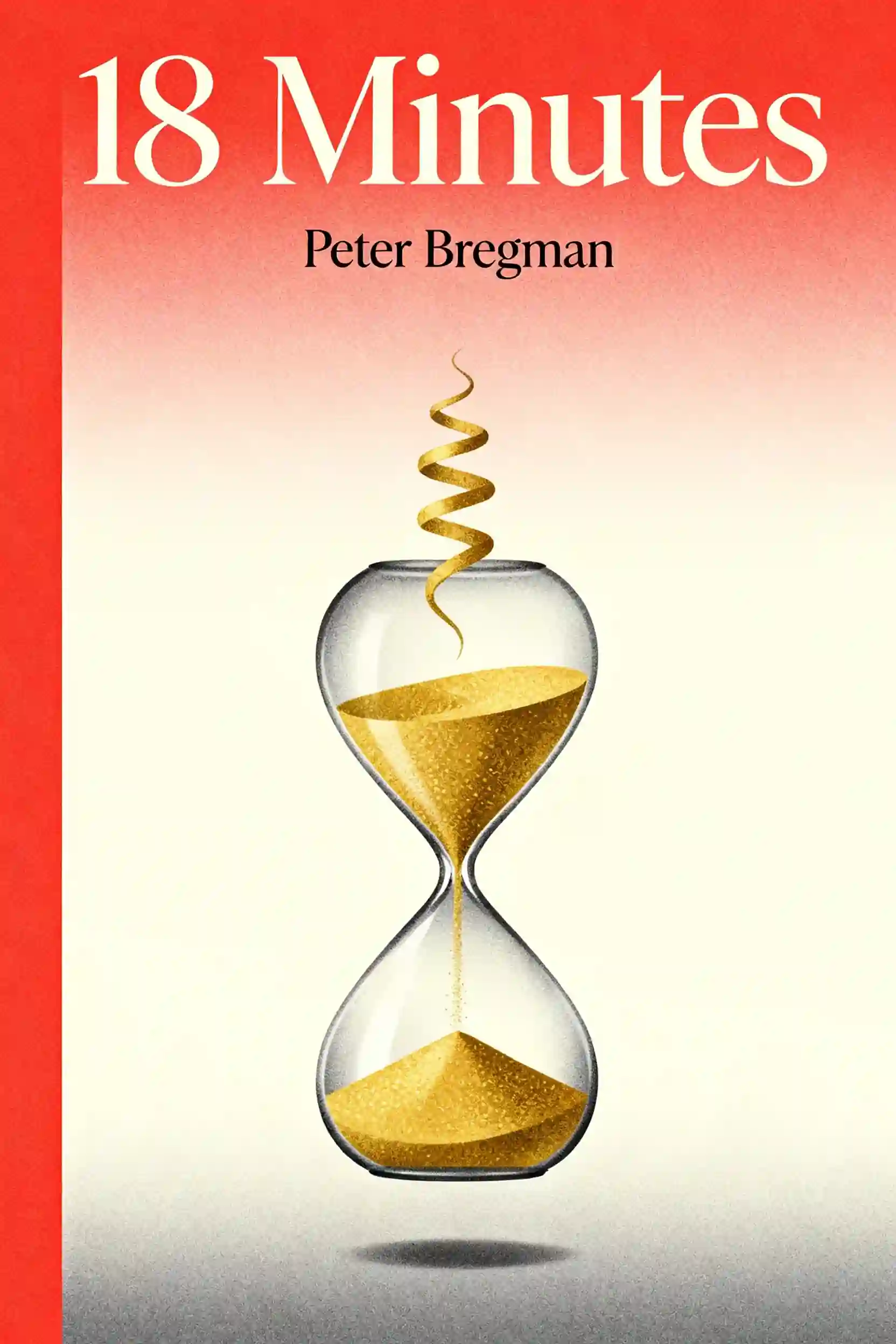
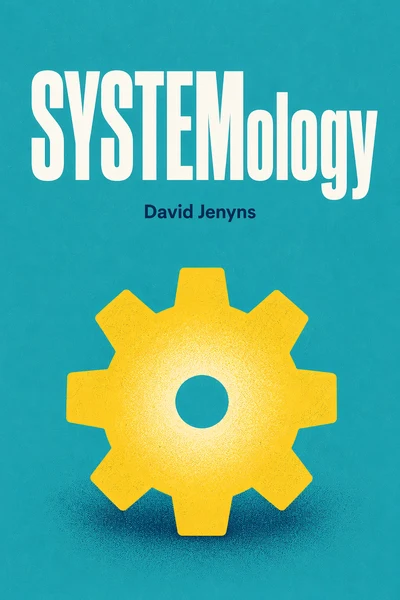

Häufig gestellte Fragen
A small business owner can stay focused by implementing structured goal setting and a consistent business routine. By breaking down large objectives into manageable daily tasks, entrepreneurs can maintain clarity and avoid distractions. This systematic approach ensures that every action contributes to overall business success, helping you stay motivated even during challenging periods of growth.
Entrepreneur motivation is often sustained through a combination of a positive mindset and a disciplined daily schedule. Techniques include visualizing success, celebrating small wins, and connecting with the core purpose of the business. Maintaining a healthy work-life balance through a structured routine also prevents burnout, ensuring you have the mental energy required to drive your business forward.
A business routine is essential because it creates a framework for consistency and efficiency. For a small business owner, having a set schedule reduces decision fatigue and ensures that critical tasks like goal setting and financial reviews are never overlooked. A reliable routine builds the momentum necessary for long-term business success and helps maintain focus on high-priority activities.
A positive mindset allows a small business owner to view challenges as opportunities for growth rather than setbacks. This mental resilience is a key driver of business success, as it fosters creativity and persistence. By practicing mindset techniques alongside practical goal setting, entrepreneurs can maintain the high levels of motivation needed to navigate the complexities of running a company.
Von Columbia University Alumni in San Francisco entwickelt
"Instead of endless scrolling, I just hit play on BeFreed. It saves me so much time."


"I never knew where to start with nonfiction—BeFreed’s book lists turned into podcasts gave me a clear path."


"Perfect balance between learning and entertainment. Finished ‘Thinking, Fast and Slow’ on my commute this week."
"Crazy how much I learned while walking the dog. BeFreed = small habits → big gains."
"Reading used to feel like a chore. Now it’s just part of my lifestyle."

"Feels effortless compared to reading. I’ve finished 6 books this month already."
"BeFreed turned my guilty doomscrolling into something that feels productive and inspiring."

"BeFreed turned my commute into learning time. 20-min podcasts are perfect for finishing books I never had time for."
"BeFreed replaced my podcast queue. Imagine Spotify for books — that’s it. 🙌"

"It is great for me to learn something from the book without reading it."
"The themed book list podcasts help me connect ideas across authors—like a guided audio journey."
"Makes me feel smarter every time before going to work"
Von Columbia University Alumni in San Francisco entwickelt
"Instead of endless scrolling, I just hit play on BeFreed. It saves me so much time."
"I never knew where to start with nonfiction—BeFreed’s book lists turned into podcasts gave me a clear path."
"Perfect balance between learning and entertainment. Finished ‘Thinking, Fast and Slow’ on my commute this week."
"Crazy how much I learned while walking the dog. BeFreed = small habits → big gains."
"Reading used to feel like a chore. Now it’s just part of my lifestyle."
"Feels effortless compared to reading. I’ve finished 6 books this month already."
"BeFreed turned my guilty doomscrolling into something that feels productive and inspiring."
"BeFreed turned my commute into learning time. 20-min podcasts are perfect for finishing books I never had time for."
"BeFreed replaced my podcast queue. Imagine Spotify for books — that’s it. 🙌"
"It is great for me to learn something from the book without reading it."
"The themed book list podcasts help me connect ideas across authors—like a guided audio journey."
"Makes me feel smarter every time before going to work"
"Instead of endless scrolling, I just hit play on BeFreed. It saves me so much time."
"I never knew where to start with nonfiction—BeFreed’s book lists turned into podcasts gave me a clear path."
"Perfect balance between learning and entertainment. Finished ‘Thinking, Fast and Slow’ on my commute this week."
"Crazy how much I learned while walking the dog. BeFreed = small habits → big gains."
"Reading used to feel like a chore. Now it’s just part of my lifestyle."
"Feels effortless compared to reading. I’ve finished 6 books this month already."
"BeFreed turned my guilty doomscrolling into something that feels productive and inspiring."
"BeFreed turned my commute into learning time. 20-min podcasts are perfect for finishing books I never had time for."
"BeFreed replaced my podcast queue. Imagine Spotify for books — that’s it. 🙌"
"It is great for me to learn something from the book without reading it."
"The themed book list podcasts help me connect ideas across authors—like a guided audio journey."
"Makes me feel smarter every time before going to work"
"Instead of endless scrolling, I just hit play on BeFreed. It saves me so much time."
"I never knew where to start with nonfiction—BeFreed’s book lists turned into podcasts gave me a clear path."
"Perfect balance between learning and entertainment. Finished ‘Thinking, Fast and Slow’ on my commute this week."
"Crazy how much I learned while walking the dog. BeFreed = small habits → big gains."
"Reading used to feel like a chore. Now it’s just part of my lifestyle."
"Feels effortless compared to reading. I’ve finished 6 books this month already."
"BeFreed turned my guilty doomscrolling into something that feels productive and inspiring."
"BeFreed turned my commute into learning time. 20-min podcasts are perfect for finishing books I never had time for."
"BeFreed replaced my podcast queue. Imagine Spotify for books — that’s it. 🙌"
"It is great for me to learn something from the book without reading it."
"The themed book list podcasts help me connect ideas across authors—like a guided audio journey."
"Makes me feel smarter every time before going to work"