Social Psychology and the Invisible Executive: Influence in Coaching
Explore how social psychology and interpersonal influence shape executive decision-making, using historical insights from JFK and the Bay of Pigs invasion.

Bestes Zitat aus Social Psychology and the Invisible Executive: Influence in Coaching
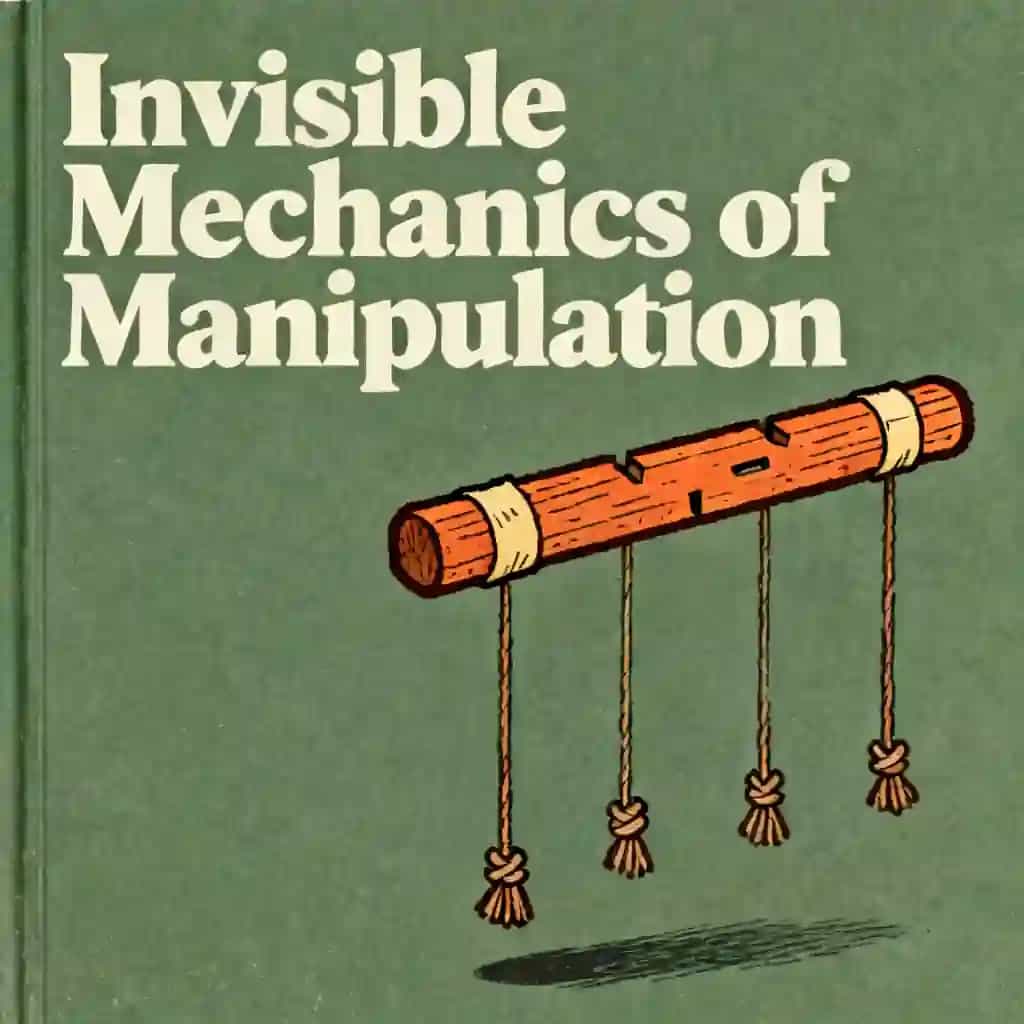
If a coach doesn't understand these 'invisible forces,' they might be trying to fix a 'broken' gear without realizing the entire machine is being operated by someone else's remote control.
Generated by Alex
Social psychology and its application in coaching.

![9 Social Psychology and Coaching - The Psychology of Executive Coaching, 2nd Edition [Book]](https://d1y2du6z1jfm9e.cloudfront.net/assets/podcast/purple.png)




Häufig gestellte Fragen
Social psychology is essential in executive coaching because it focuses on interpersonal influence and how we affect one another. Rather than viewing a leader as an autonomous individual, social psychology reveals that executives operate within a complex web of social pressures. By understanding this social context, coaches can better address the invisible influences that impact professional development and help leaders navigate the thoughts and behaviors of those around them.
The Bay of Pigs invasion serves as a powerful example of how even the brightest minds can make irrational decisions due to social dynamics. John F. Kennedy famously questioned his own judgment following the event, highlighting that leaders do not make choices in a vacuum. This historical case illustrates that social psychology is a critical factor in understanding why groups of experts might fail to make logical choices when faced with collective pressure.
Focusing solely on individual skills provides only half the picture of professional performance. Social psychology suggests that humans are not entirely independent captains of their own souls; instead, our choices are heavily influenced by the social context and the people around us. Prioritizing social psychology in professional development allows for a deeper understanding of the invisible forces that drive decision-making and behavior in high-pressure executive environments.
The 'invisible executive' refers to the idea that a leader's actions are constantly shaped by a web of social influences that are not always immediately apparent. These influences include the actual or imagined thoughts and behaviors of others. In coaching, recognizing these invisible factors is vital because it acknowledges that every executive is being pushed and pulled by social pressures, which significantly impacts their ability to make cold, hard, logical choices.
Von Columbia University Alumni in San Francisco entwickelt
"Instead of endless scrolling, I just hit play on BeFreed. It saves me so much time."


"I never knew where to start with nonfiction—BeFreed’s book lists turned into podcasts gave me a clear path."


"Perfect balance between learning and entertainment. Finished ‘Thinking, Fast and Slow’ on my commute this week."
"Crazy how much I learned while walking the dog. BeFreed = small habits → big gains."
"Reading used to feel like a chore. Now it’s just part of my lifestyle."

"Feels effortless compared to reading. I’ve finished 6 books this month already."
"BeFreed turned my guilty doomscrolling into something that feels productive and inspiring."

"BeFreed turned my commute into learning time. 20-min podcasts are perfect for finishing books I never had time for."
"BeFreed replaced my podcast queue. Imagine Spotify for books — that’s it. 🙌"

"It is great for me to learn something from the book without reading it."
"The themed book list podcasts help me connect ideas across authors—like a guided audio journey."
"Makes me feel smarter every time before going to work"
Von Columbia University Alumni in San Francisco entwickelt
"Instead of endless scrolling, I just hit play on BeFreed. It saves me so much time."
"I never knew where to start with nonfiction—BeFreed’s book lists turned into podcasts gave me a clear path."
"Perfect balance between learning and entertainment. Finished ‘Thinking, Fast and Slow’ on my commute this week."
"Crazy how much I learned while walking the dog. BeFreed = small habits → big gains."
"Reading used to feel like a chore. Now it’s just part of my lifestyle."
"Feels effortless compared to reading. I’ve finished 6 books this month already."
"BeFreed turned my guilty doomscrolling into something that feels productive and inspiring."
"BeFreed turned my commute into learning time. 20-min podcasts are perfect for finishing books I never had time for."
"BeFreed replaced my podcast queue. Imagine Spotify for books — that’s it. 🙌"
"It is great for me to learn something from the book without reading it."
"The themed book list podcasts help me connect ideas across authors—like a guided audio journey."
"Makes me feel smarter every time before going to work"
"Instead of endless scrolling, I just hit play on BeFreed. It saves me so much time."
"I never knew where to start with nonfiction—BeFreed’s book lists turned into podcasts gave me a clear path."
"Perfect balance between learning and entertainment. Finished ‘Thinking, Fast and Slow’ on my commute this week."
"Crazy how much I learned while walking the dog. BeFreed = small habits → big gains."
"Reading used to feel like a chore. Now it’s just part of my lifestyle."
"Feels effortless compared to reading. I’ve finished 6 books this month already."
"BeFreed turned my guilty doomscrolling into something that feels productive and inspiring."
"BeFreed turned my commute into learning time. 20-min podcasts are perfect for finishing books I never had time for."
"BeFreed replaced my podcast queue. Imagine Spotify for books — that’s it. 🙌"
"It is great for me to learn something from the book without reading it."
"The themed book list podcasts help me connect ideas across authors—like a guided audio journey."
"Makes me feel smarter every time before going to work"
"Instead of endless scrolling, I just hit play on BeFreed. It saves me so much time."
"I never knew where to start with nonfiction—BeFreed’s book lists turned into podcasts gave me a clear path."
"Perfect balance between learning and entertainment. Finished ‘Thinking, Fast and Slow’ on my commute this week."
"Crazy how much I learned while walking the dog. BeFreed = small habits → big gains."
"Reading used to feel like a chore. Now it’s just part of my lifestyle."
"Feels effortless compared to reading. I’ve finished 6 books this month already."
"BeFreed turned my guilty doomscrolling into something that feels productive and inspiring."
"BeFreed turned my commute into learning time. 20-min podcasts are perfect for finishing books I never had time for."
"BeFreed replaced my podcast queue. Imagine Spotify for books — that’s it. 🙌"
"It is great for me to learn something from the book without reading it."
"The themed book list podcasts help me connect ideas across authors—like a guided audio journey."
"Makes me feel smarter every time before going to work"