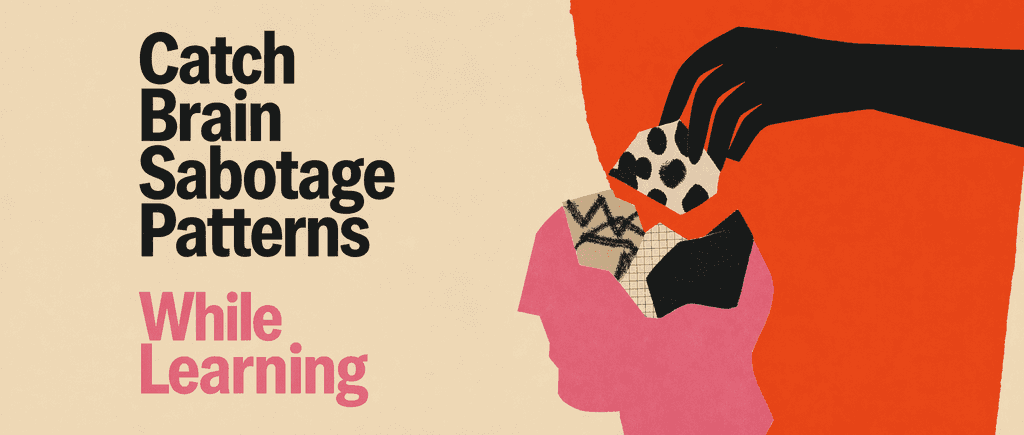
Self-Sabotage as a Survival Strategy: Why We Block Our Own Progress
Explore why self-sabotage is actually an unconscious survival strategy. Learn how protective adaptations and behavioral patterns aim to keep you safe, not stuck.

Bestes Zitat aus Self-Sabotage as a Survival Strategy: Why We Block Our Own Progress
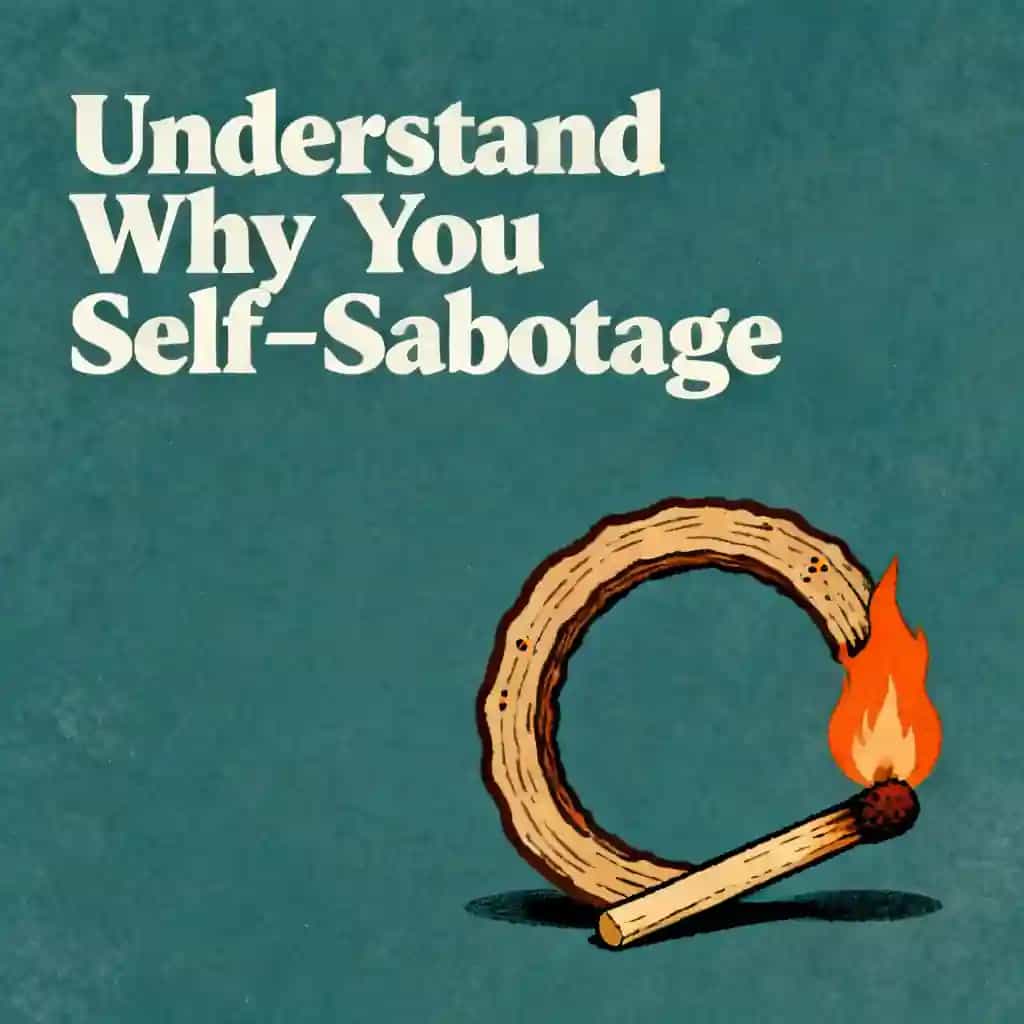
Self-sabotage is not about being broken or lacking willpower; it is an unconscious survival strategy that chooses the familiar over the happy because the familiar feels safe.
Generated by Ariane
I’m tired of surviving and self-destructing at the same time. Help me heal mentally, emotionally, spiritually, and physically so I can become consistent, sober, and emotionally healthy.






Häufig gestellte Fragen
Viewing self-sabotage as a survival strategy means shifting your perspective from seeing yourself as broken to understanding these behaviors as unconscious attempts to stay safe. Instead of being a sign of laziness or a lack of willpower, these actions are often protective adaptations that served a purpose in your past. By recognizing that your brain is trying to protect you rather than fail you, you can approach your mental health and healing journey with more compassion and clarity.
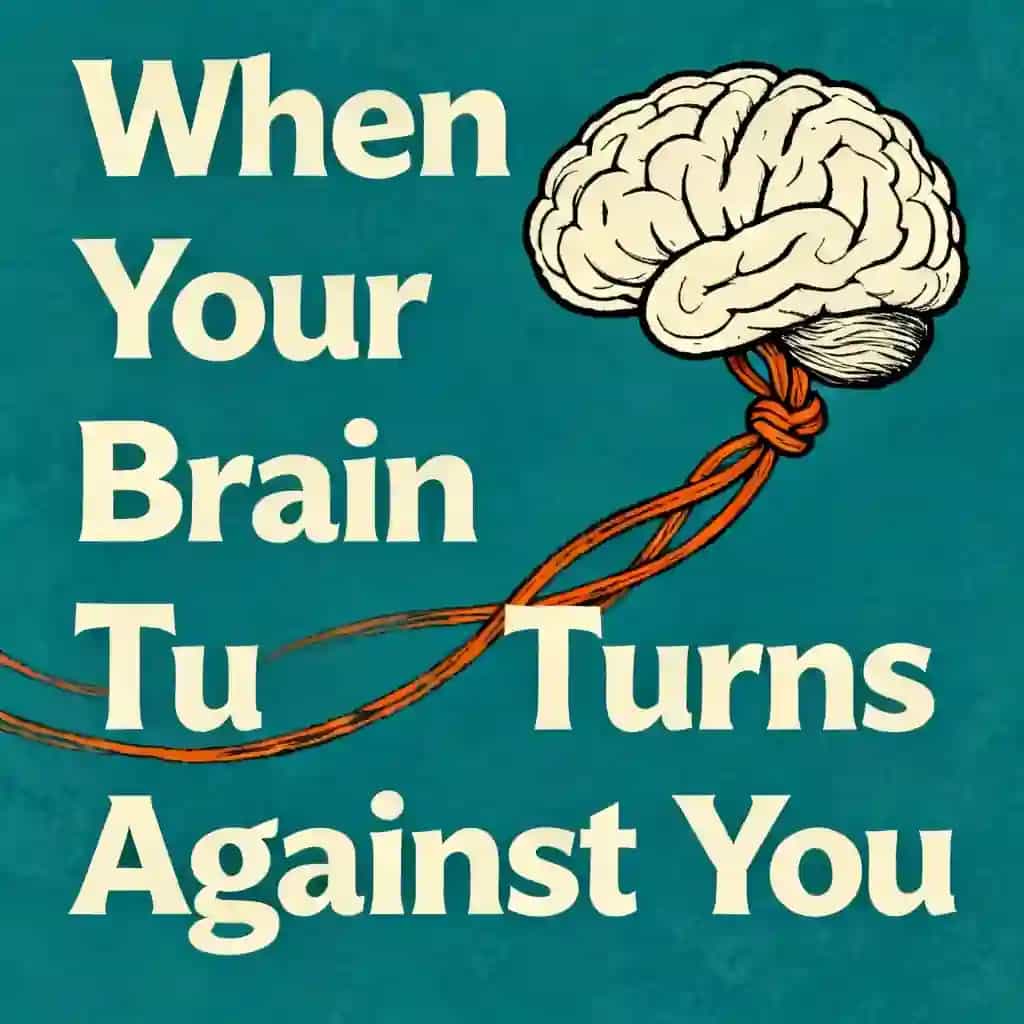
We often block our own progress because the brain tends to prioritize the familiar over the happy. When life feels unpredictable, your internal survival strategy kicks in to keep you within known boundaries, as the familiar feels safer than the unknown. This explains why you might find yourself snipping the thread of progress just as things start looking up. These behavioral patterns are rooted in how our brains and bodies work to ensure our perceived safety during times of change.
Protective adaptations can manifest in several ways, such as setting ambitious goals but never following through or isolating yourself exactly when you need connection the most. These behaviors are not flaws in character but are psychological theories put into practice by your unconscious mind. While these patterns may have outlived their usefulness, they originally developed as a way to navigate chaos or unpredictable environments, acting as a shield against potential disappointment or harm.
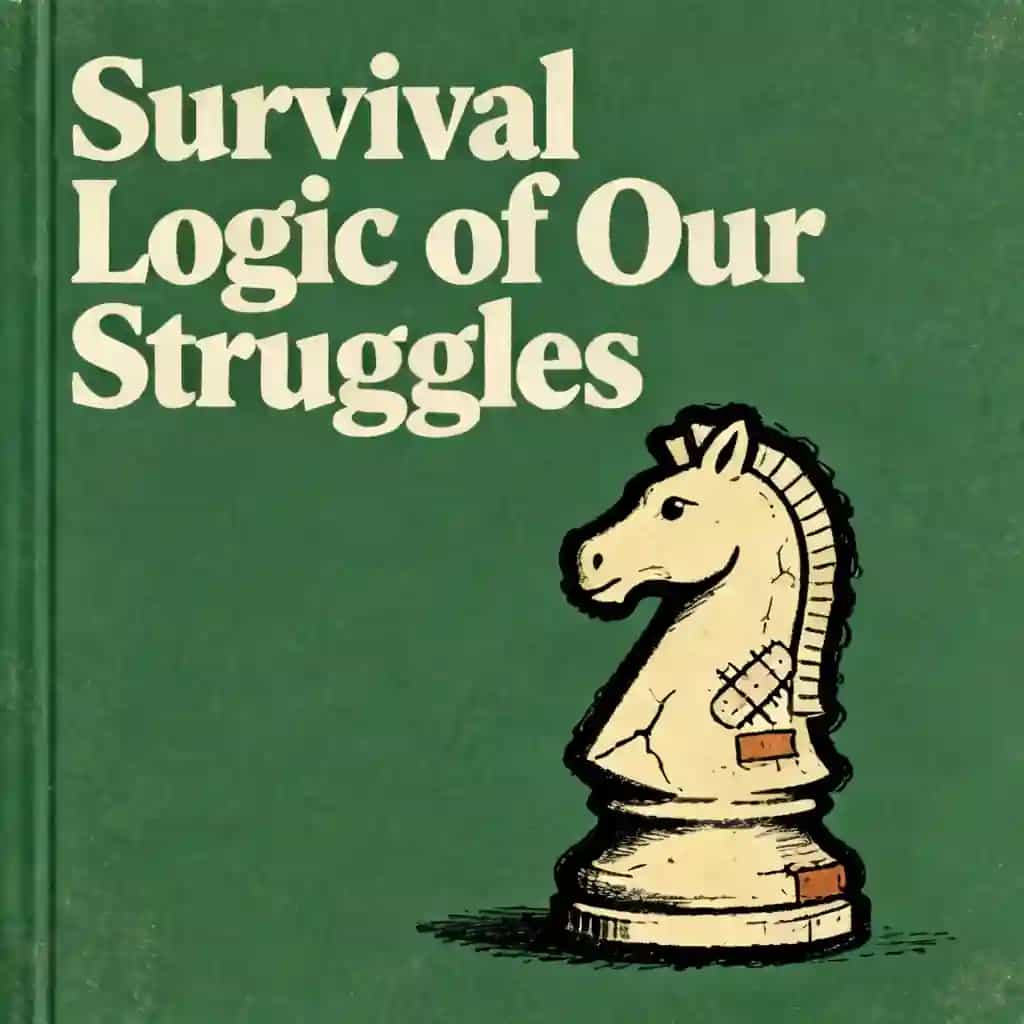
The psychology of healing addresses these behaviors by reframing them as unconscious protection rather than personal failure. Instead of viewing yourself as your own worst enemy, this approach encourages you to see these actions as survival strategies that are simply no longer needed. By understanding that your brain chooses familiar patterns to maintain a sense of security, you can begin to move forward and break the loop of feeling stuck without the heavy burden of self-judgment.
Von Columbia University Alumni in San Francisco entwickelt
"Instead of endless scrolling, I just hit play on BeFreed. It saves me so much time."


"I never knew where to start with nonfiction—BeFreed’s book lists turned into podcasts gave me a clear path."


"Perfect balance between learning and entertainment. Finished ‘Thinking, Fast and Slow’ on my commute this week."
"Crazy how much I learned while walking the dog. BeFreed = small habits → big gains."
"Reading used to feel like a chore. Now it’s just part of my lifestyle."

"Feels effortless compared to reading. I’ve finished 6 books this month already."
"BeFreed turned my guilty doomscrolling into something that feels productive and inspiring."

"BeFreed turned my commute into learning time. 20-min podcasts are perfect for finishing books I never had time for."
"BeFreed replaced my podcast queue. Imagine Spotify for books — that’s it. 🙌"

"It is great for me to learn something from the book without reading it."
"The themed book list podcasts help me connect ideas across authors—like a guided audio journey."
"Makes me feel smarter every time before going to work"
Von Columbia University Alumni in San Francisco entwickelt
"Instead of endless scrolling, I just hit play on BeFreed. It saves me so much time."
"I never knew where to start with nonfiction—BeFreed’s book lists turned into podcasts gave me a clear path."
"Perfect balance between learning and entertainment. Finished ‘Thinking, Fast and Slow’ on my commute this week."
"Crazy how much I learned while walking the dog. BeFreed = small habits → big gains."
"Reading used to feel like a chore. Now it’s just part of my lifestyle."
"Feels effortless compared to reading. I’ve finished 6 books this month already."
"BeFreed turned my guilty doomscrolling into something that feels productive and inspiring."
"BeFreed turned my commute into learning time. 20-min podcasts are perfect for finishing books I never had time for."
"BeFreed replaced my podcast queue. Imagine Spotify for books — that’s it. 🙌"
"It is great for me to learn something from the book without reading it."
"The themed book list podcasts help me connect ideas across authors—like a guided audio journey."
"Makes me feel smarter every time before going to work"
"Instead of endless scrolling, I just hit play on BeFreed. It saves me so much time."
"I never knew where to start with nonfiction—BeFreed’s book lists turned into podcasts gave me a clear path."
"Perfect balance between learning and entertainment. Finished ‘Thinking, Fast and Slow’ on my commute this week."
"Crazy how much I learned while walking the dog. BeFreed = small habits → big gains."
"Reading used to feel like a chore. Now it’s just part of my lifestyle."
"Feels effortless compared to reading. I’ve finished 6 books this month already."
"BeFreed turned my guilty doomscrolling into something that feels productive and inspiring."
"BeFreed turned my commute into learning time. 20-min podcasts are perfect for finishing books I never had time for."
"BeFreed replaced my podcast queue. Imagine Spotify for books — that’s it. 🙌"
"It is great for me to learn something from the book without reading it."
"The themed book list podcasts help me connect ideas across authors—like a guided audio journey."
"Makes me feel smarter every time before going to work"
"Instead of endless scrolling, I just hit play on BeFreed. It saves me so much time."
"I never knew where to start with nonfiction—BeFreed’s book lists turned into podcasts gave me a clear path."
"Perfect balance between learning and entertainment. Finished ‘Thinking, Fast and Slow’ on my commute this week."
"Crazy how much I learned while walking the dog. BeFreed = small habits → big gains."
"Reading used to feel like a chore. Now it’s just part of my lifestyle."
"Feels effortless compared to reading. I’ve finished 6 books this month already."
"BeFreed turned my guilty doomscrolling into something that feels productive and inspiring."
"BeFreed turned my commute into learning time. 20-min podcasts are perfect for finishing books I never had time for."
"BeFreed replaced my podcast queue. Imagine Spotify for books — that’s it. 🙌"
"It is great for me to learn something from the book without reading it."
"The themed book list podcasts help me connect ideas across authors—like a guided audio journey."
"Makes me feel smarter every time before going to work"