Breaking the Cycle: Overcoming Self-Sabotage With DBT
Discover why we sabotage our own success and learn how to use Dialectical Behavioral Therapy to rewire protective instincts into lasting resilience.

Bestes Zitat aus Breaking the Cycle: Overcoming Self-Sabotage With DBT
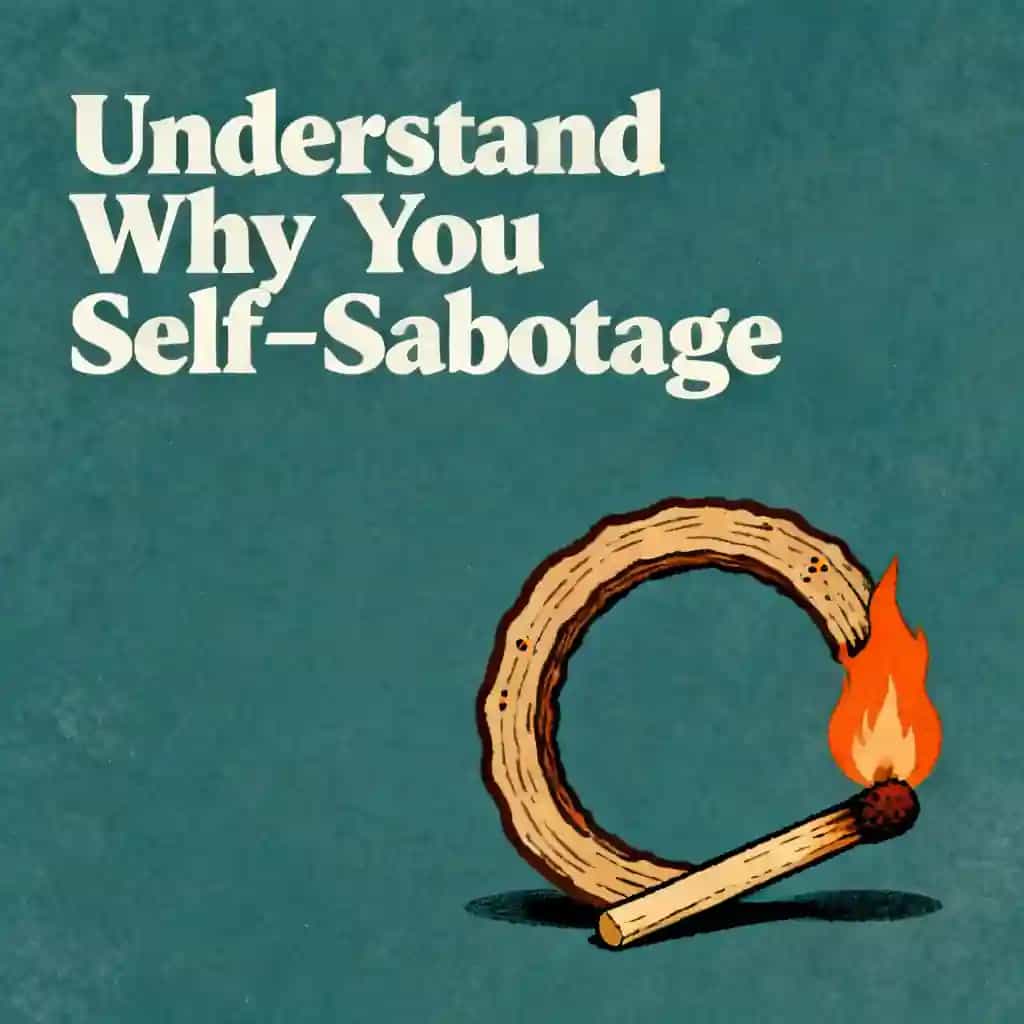
Acceptance—what DBT calls 'Radical Acceptance'—is about saying, 'This is what is happening right now.' Once you stop fighting the fact that the fire is burning, you can finally pick up the extinguisher.
Generated by Haley
Overcoming self sabotage using dialectical behavioral therapy

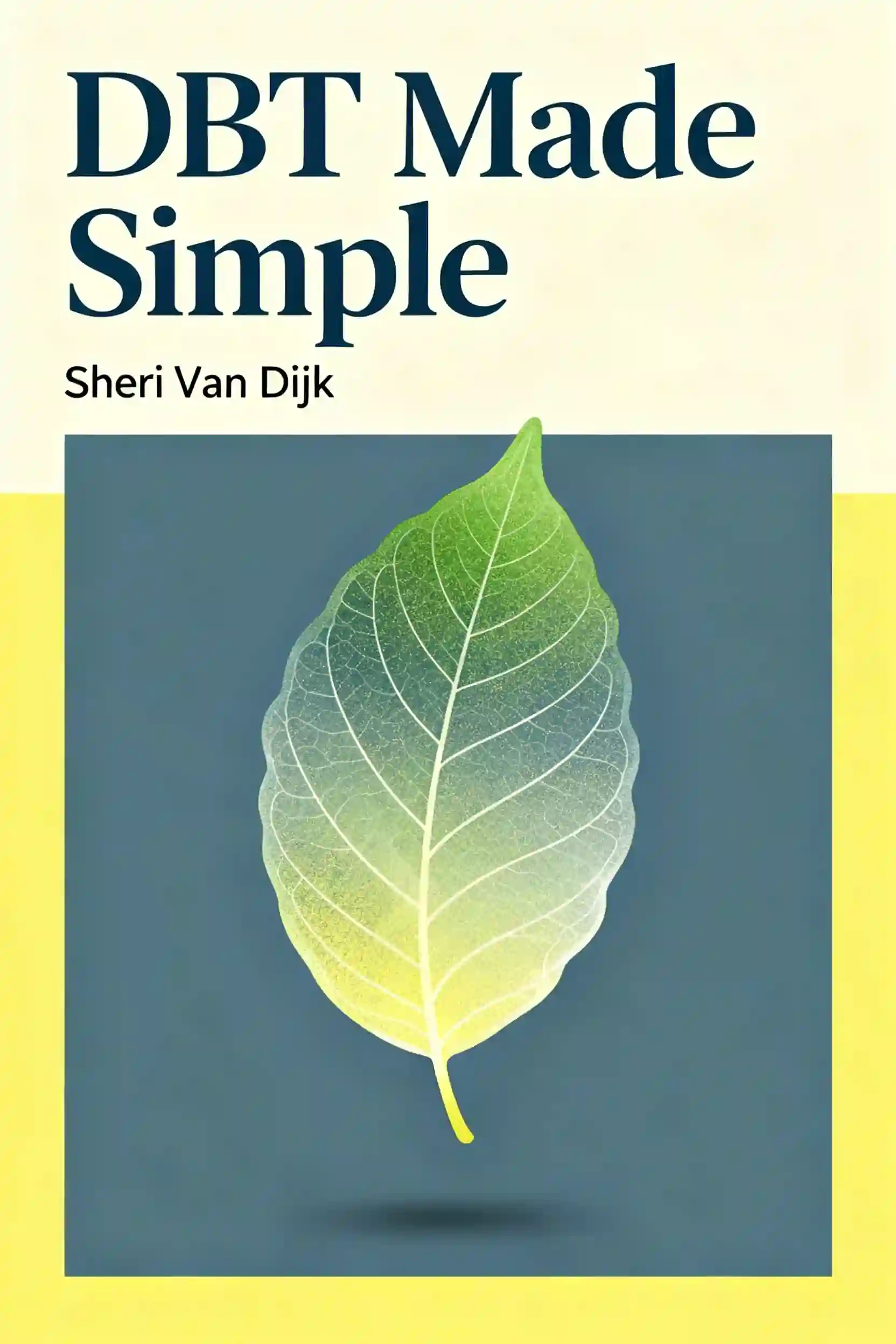
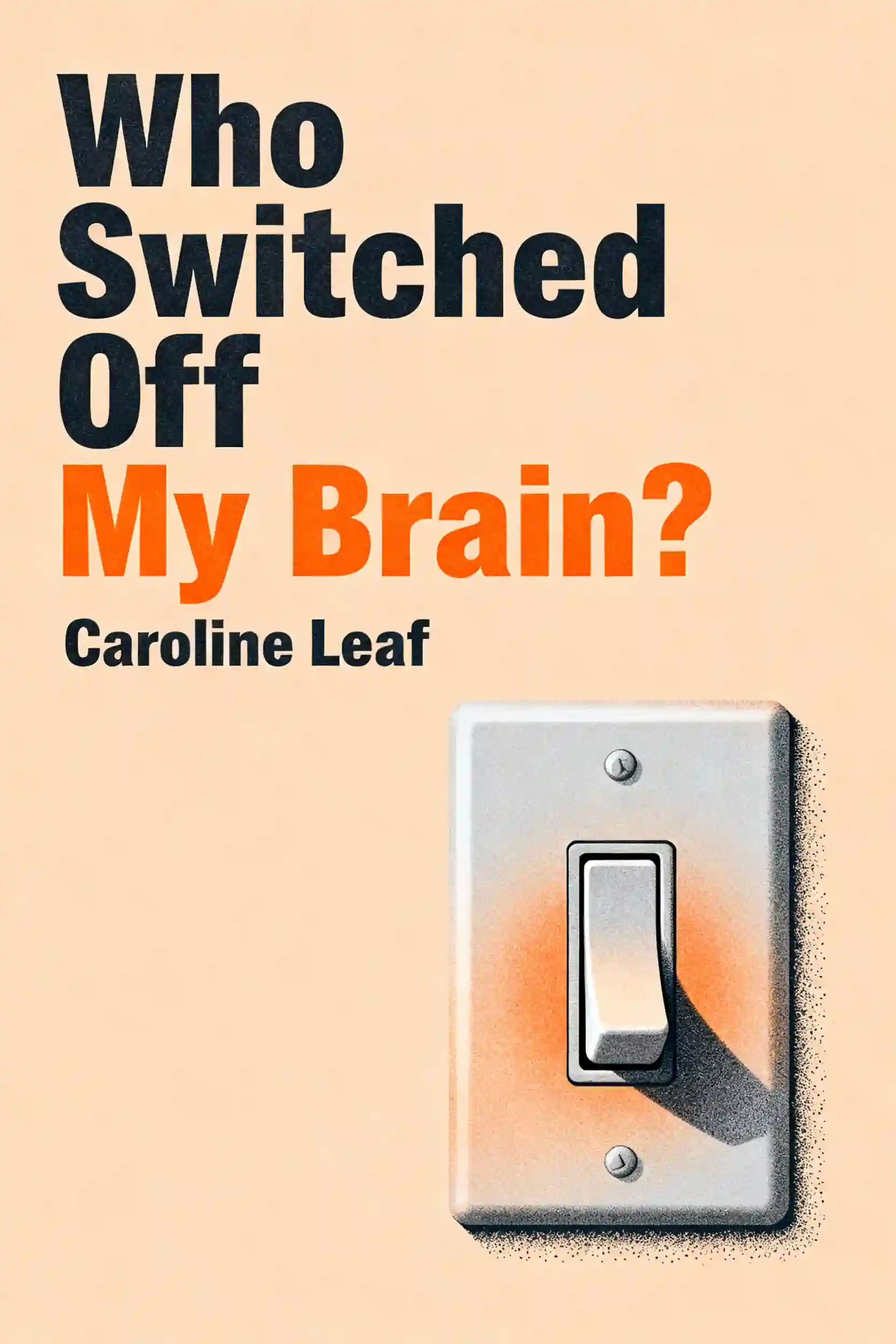
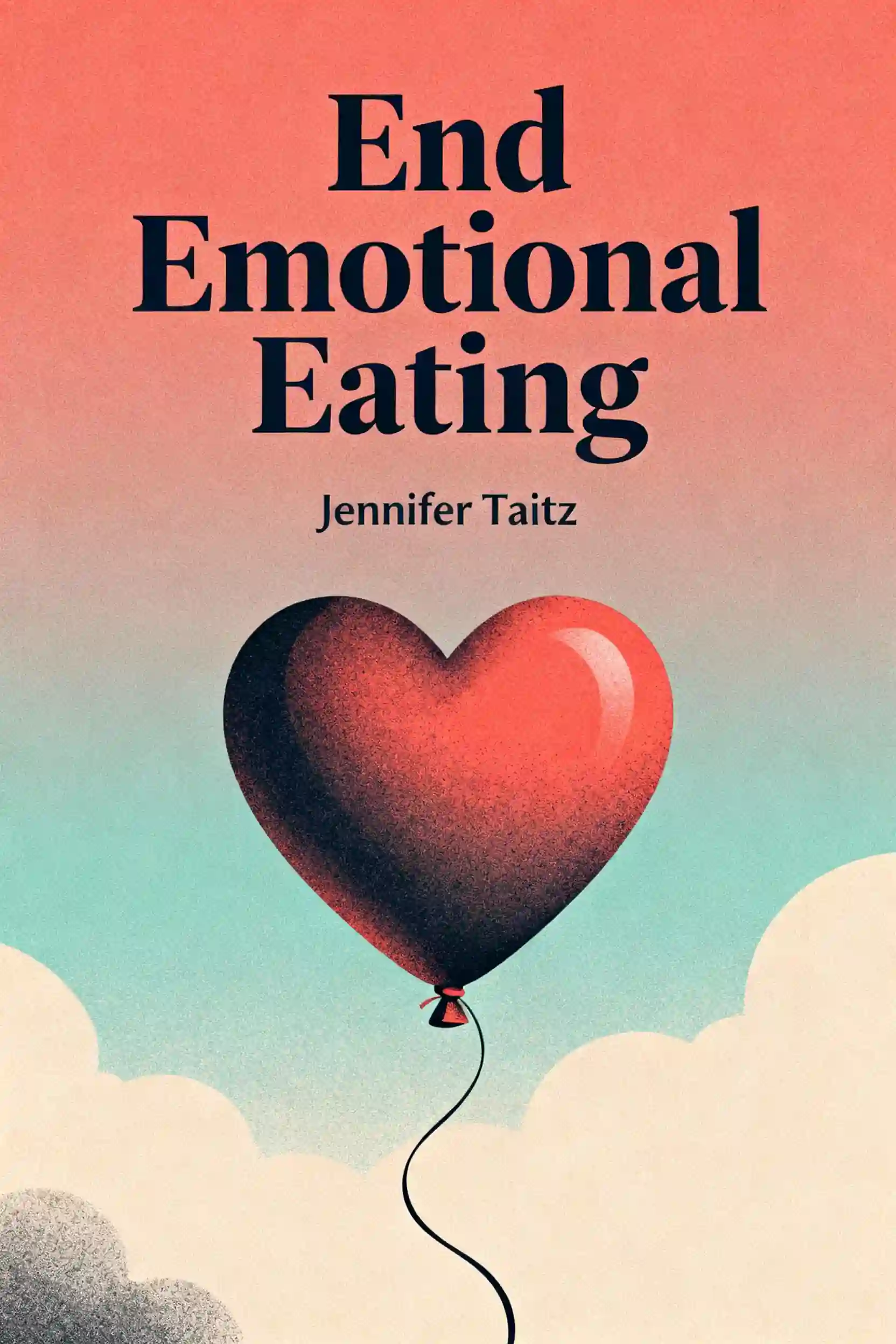
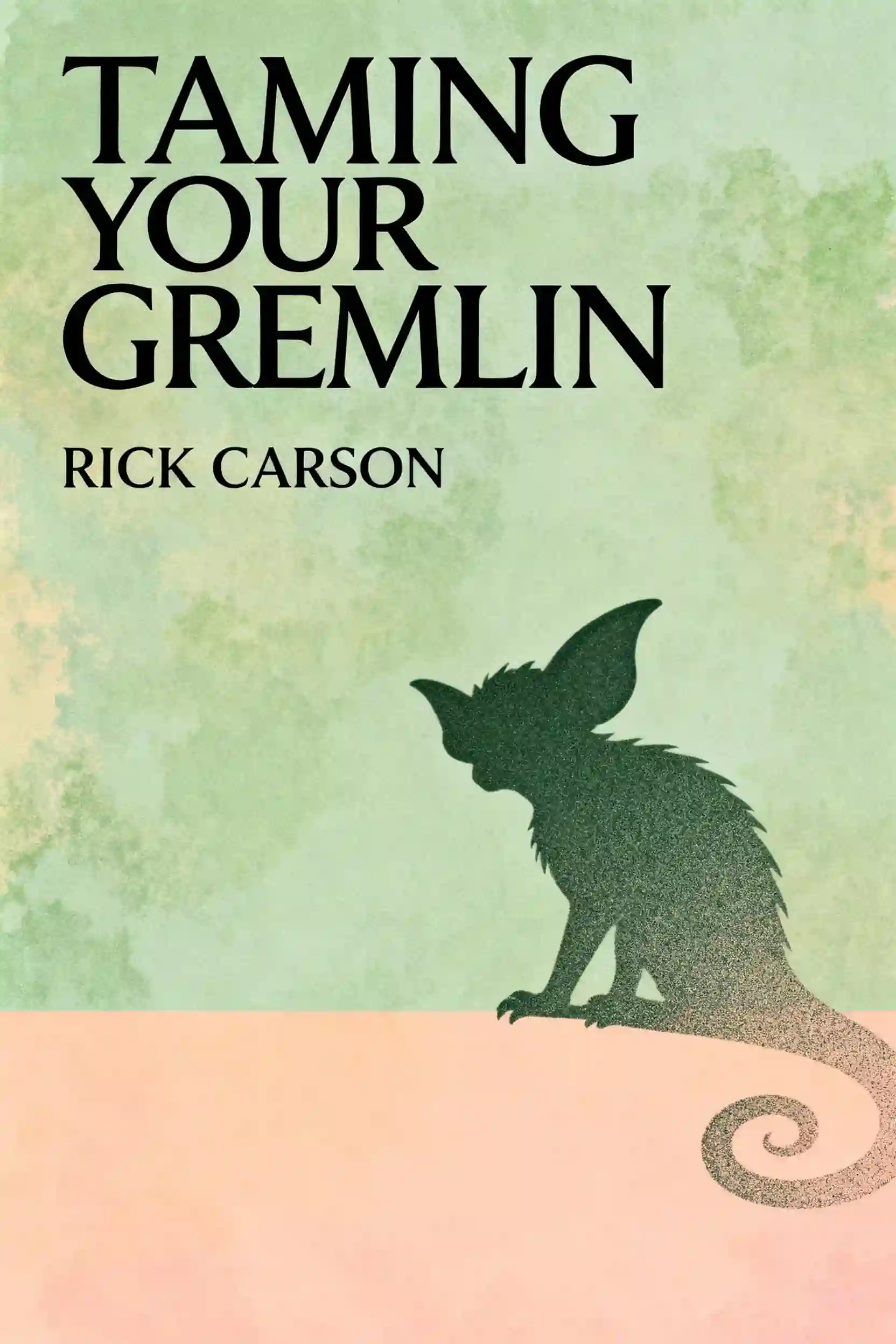
Häufig gestellte Fragen
A dialectic is the idea that two seemingly opposite truths can coexist at the same time. In the context of self-sabotage, the two truths are acceptance and change. This means you must practice "Radical Acceptance" by acknowledging exactly who you are and why you engage in certain behaviors without judgment, while simultaneously working hard to change those very behaviors to build a better life.
Behavior Chain Analysis is an exercise that helps you slow down and "replay the tape" of a problematic event in slow motion. By working backward from a sabotage behavior, you can identify the specific links in the chain, such as physical vulnerabilities (like lack of sleep), external triggers, and internal thoughts or sensations. Mapping these links allows you to see exactly where you could have used a specific skill to break the chain before the sabotage occurred.
The STOP skill is a distress tolerance tool used to create a gap between an impulsive urge and an action. The acronym stands for Stop (physically freeze), Take a breath (to lower physiological arousal), Observe (gather facts about your internal feelings and external surroundings), and Proceed mindfully (act in a way that aligns with your long-term goals). It acts as a reset button for the nervous system when emotions are running high.
Urge Surfing is a technique where you visualize an impulsive urge as an ocean wave rather than a command that must be obeyed. Because urges naturally build to a peak and then subside, this method teaches you to "ride the wave" by observing the physical sensations of the urge without acting on them. It proves that discomfort is temporary and helps you wait for your "Wise Mind"—the balance between emotion and logic—to return.
DEAR MAN is a structured communication tool designed to help you ask for what you need or set boundaries without damaging your relationships or self-respect. It stands for Describe the facts, Express your feelings, Assert your wishes, and Reinforce the benefits, while remaining Mindful, Appearing confident, and being willing to Negotiate. Using this skill prevents the resentment and "acting out" that often lead to interpersonal self-sabotage.
Von Columbia University Alumni in San Francisco entwickelt
"Instead of endless scrolling, I just hit play on BeFreed. It saves me so much time."


"I never knew where to start with nonfiction—BeFreed’s book lists turned into podcasts gave me a clear path."


"Perfect balance between learning and entertainment. Finished ‘Thinking, Fast and Slow’ on my commute this week."
"Crazy how much I learned while walking the dog. BeFreed = small habits → big gains."
"Reading used to feel like a chore. Now it’s just part of my lifestyle."

"Feels effortless compared to reading. I’ve finished 6 books this month already."
"BeFreed turned my guilty doomscrolling into something that feels productive and inspiring."

"BeFreed turned my commute into learning time. 20-min podcasts are perfect for finishing books I never had time for."
"BeFreed replaced my podcast queue. Imagine Spotify for books — that’s it. 🙌"

"It is great for me to learn something from the book without reading it."
"The themed book list podcasts help me connect ideas across authors—like a guided audio journey."
"Makes me feel smarter every time before going to work"
Von Columbia University Alumni in San Francisco entwickelt
"Instead of endless scrolling, I just hit play on BeFreed. It saves me so much time."
"I never knew where to start with nonfiction—BeFreed’s book lists turned into podcasts gave me a clear path."
"Perfect balance between learning and entertainment. Finished ‘Thinking, Fast and Slow’ on my commute this week."
"Crazy how much I learned while walking the dog. BeFreed = small habits → big gains."
"Reading used to feel like a chore. Now it’s just part of my lifestyle."
"Feels effortless compared to reading. I’ve finished 6 books this month already."
"BeFreed turned my guilty doomscrolling into something that feels productive and inspiring."
"BeFreed turned my commute into learning time. 20-min podcasts are perfect for finishing books I never had time for."
"BeFreed replaced my podcast queue. Imagine Spotify for books — that’s it. 🙌"
"It is great for me to learn something from the book without reading it."
"The themed book list podcasts help me connect ideas across authors—like a guided audio journey."
"Makes me feel smarter every time before going to work"
"Instead of endless scrolling, I just hit play on BeFreed. It saves me so much time."
"I never knew where to start with nonfiction—BeFreed’s book lists turned into podcasts gave me a clear path."
"Perfect balance between learning and entertainment. Finished ‘Thinking, Fast and Slow’ on my commute this week."
"Crazy how much I learned while walking the dog. BeFreed = small habits → big gains."
"Reading used to feel like a chore. Now it’s just part of my lifestyle."
"Feels effortless compared to reading. I’ve finished 6 books this month already."
"BeFreed turned my guilty doomscrolling into something that feels productive and inspiring."
"BeFreed turned my commute into learning time. 20-min podcasts are perfect for finishing books I never had time for."
"BeFreed replaced my podcast queue. Imagine Spotify for books — that’s it. 🙌"
"It is great for me to learn something from the book without reading it."
"The themed book list podcasts help me connect ideas across authors—like a guided audio journey."
"Makes me feel smarter every time before going to work"
"Instead of endless scrolling, I just hit play on BeFreed. It saves me so much time."
"I never knew where to start with nonfiction—BeFreed’s book lists turned into podcasts gave me a clear path."
"Perfect balance between learning and entertainment. Finished ‘Thinking, Fast and Slow’ on my commute this week."
"Crazy how much I learned while walking the dog. BeFreed = small habits → big gains."
"Reading used to feel like a chore. Now it’s just part of my lifestyle."
"Feels effortless compared to reading. I’ve finished 6 books this month already."
"BeFreed turned my guilty doomscrolling into something that feels productive and inspiring."
"BeFreed turned my commute into learning time. 20-min podcasts are perfect for finishing books I never had time for."
"BeFreed replaced my podcast queue. Imagine Spotify for books — that’s it. 🙌"
"It is great for me to learn something from the book without reading it."
"The themed book list podcasts help me connect ideas across authors—like a guided audio journey."
"Makes me feel smarter every time before going to work"