Quantum Mechanics: Beyond the Clockwork Universe
Step into the subatomic world to discover how particles defy logic and observation shapes reality. This beginner-friendly guide breaks down quantum mysteries, from entanglement to the technology in your pocket.

Bestes Zitat aus Quantum Mechanics: Beyond the Clockwork Universe
The universe isn't a 'clockwork' world where everything is determined, but a 'probabilistic' one where the most fundamental things are governed by chance and the act of observation itself shapes reality.
Generated by diego
I want to understand quantum mechanics. I’m a starter in that domain.

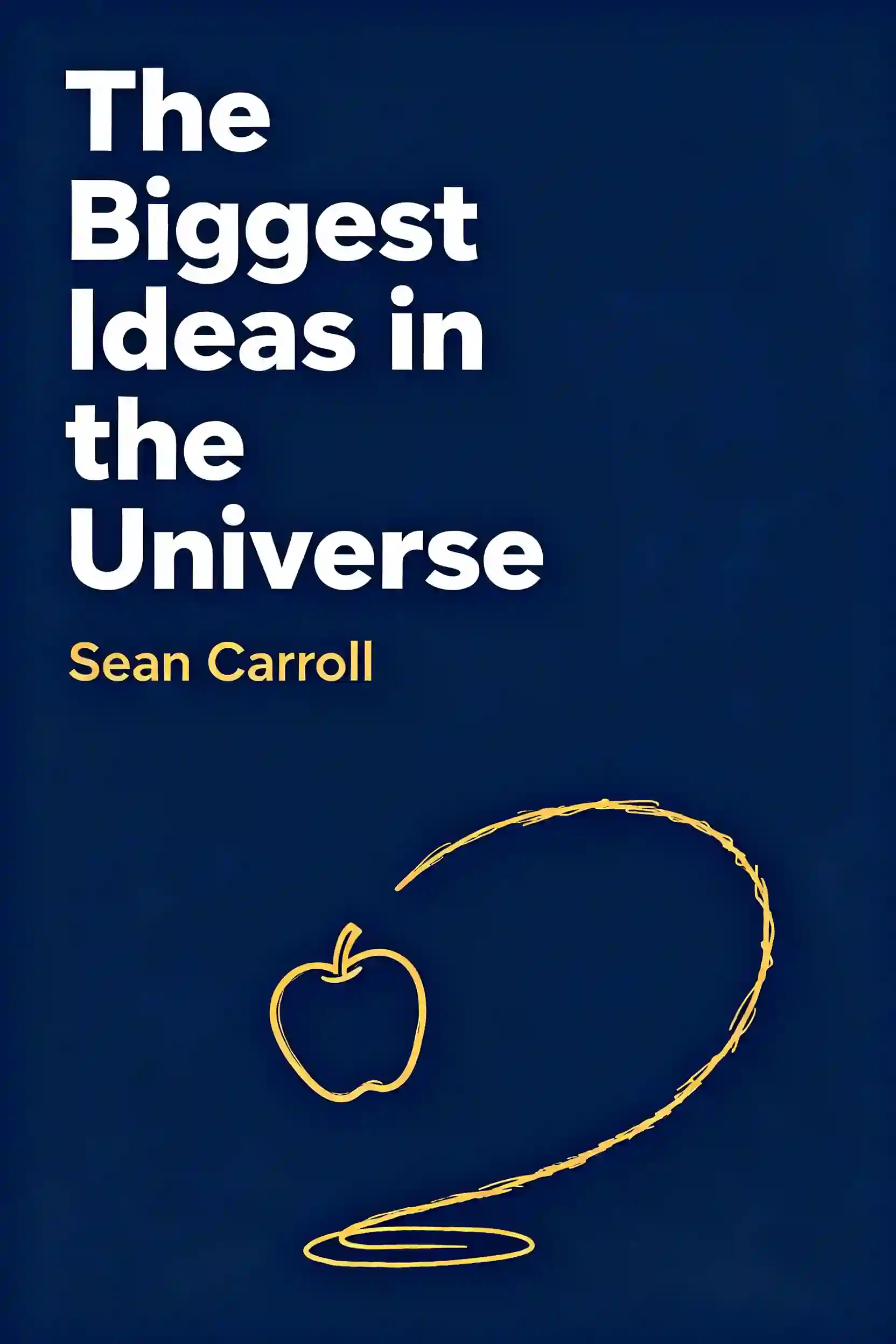
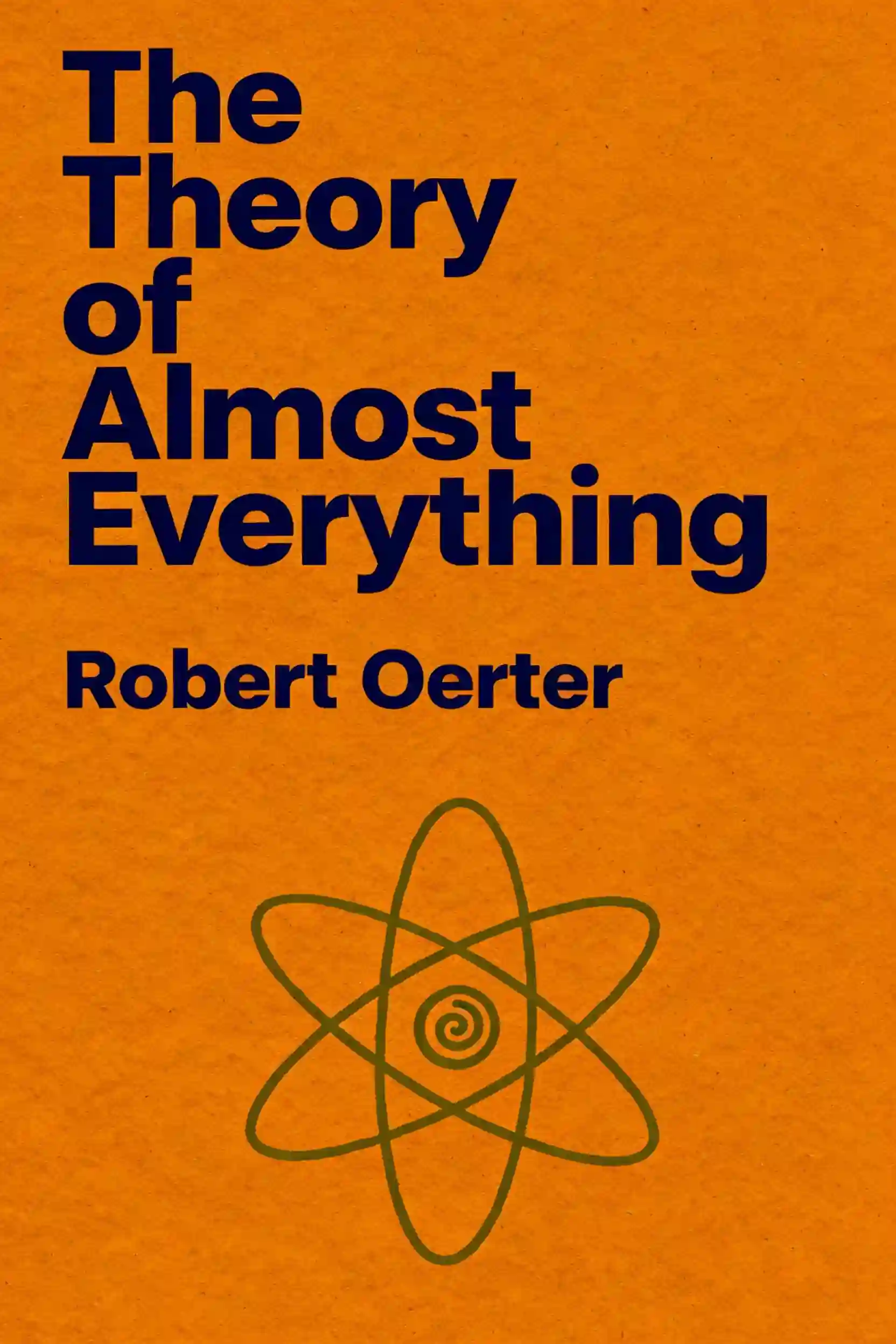
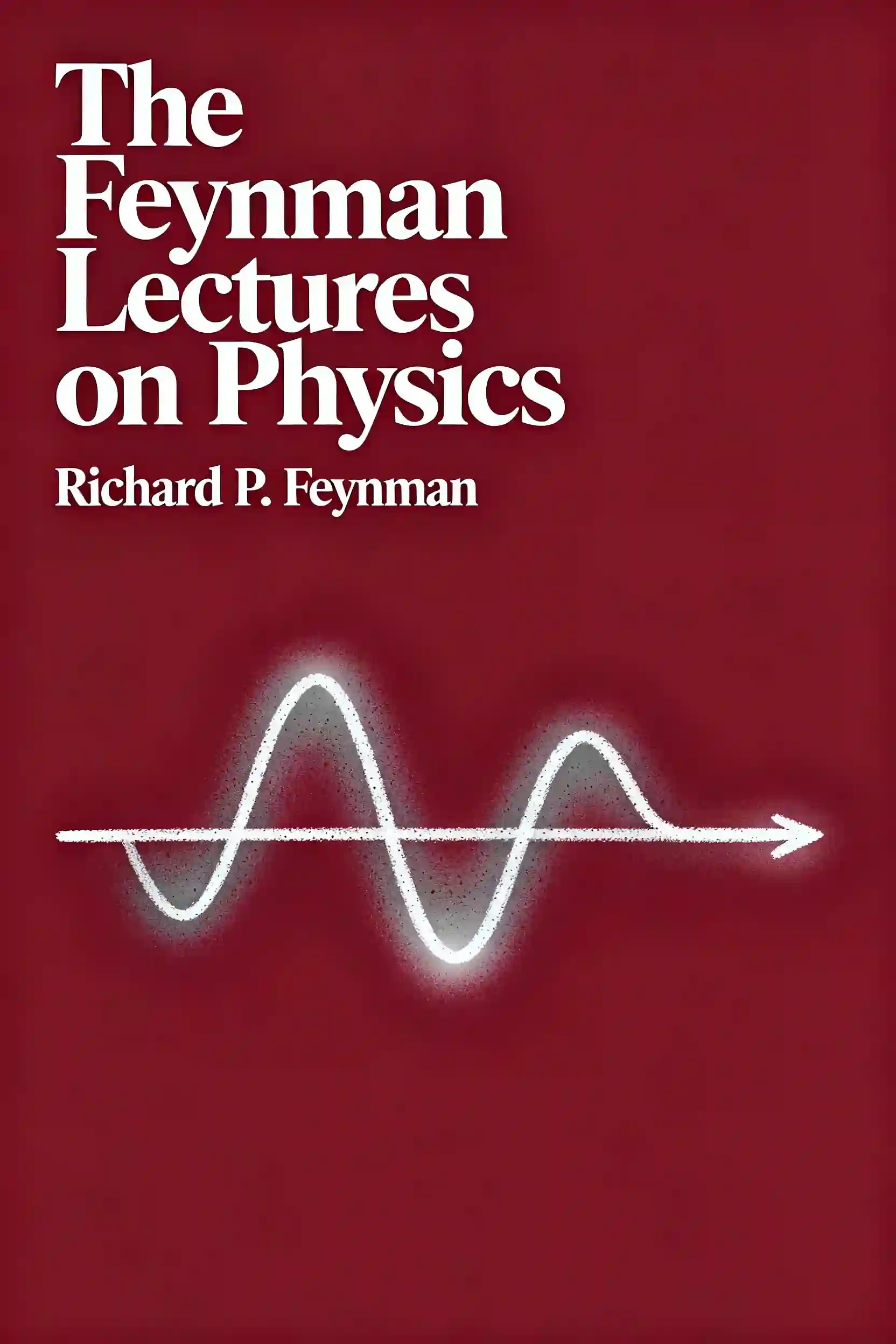
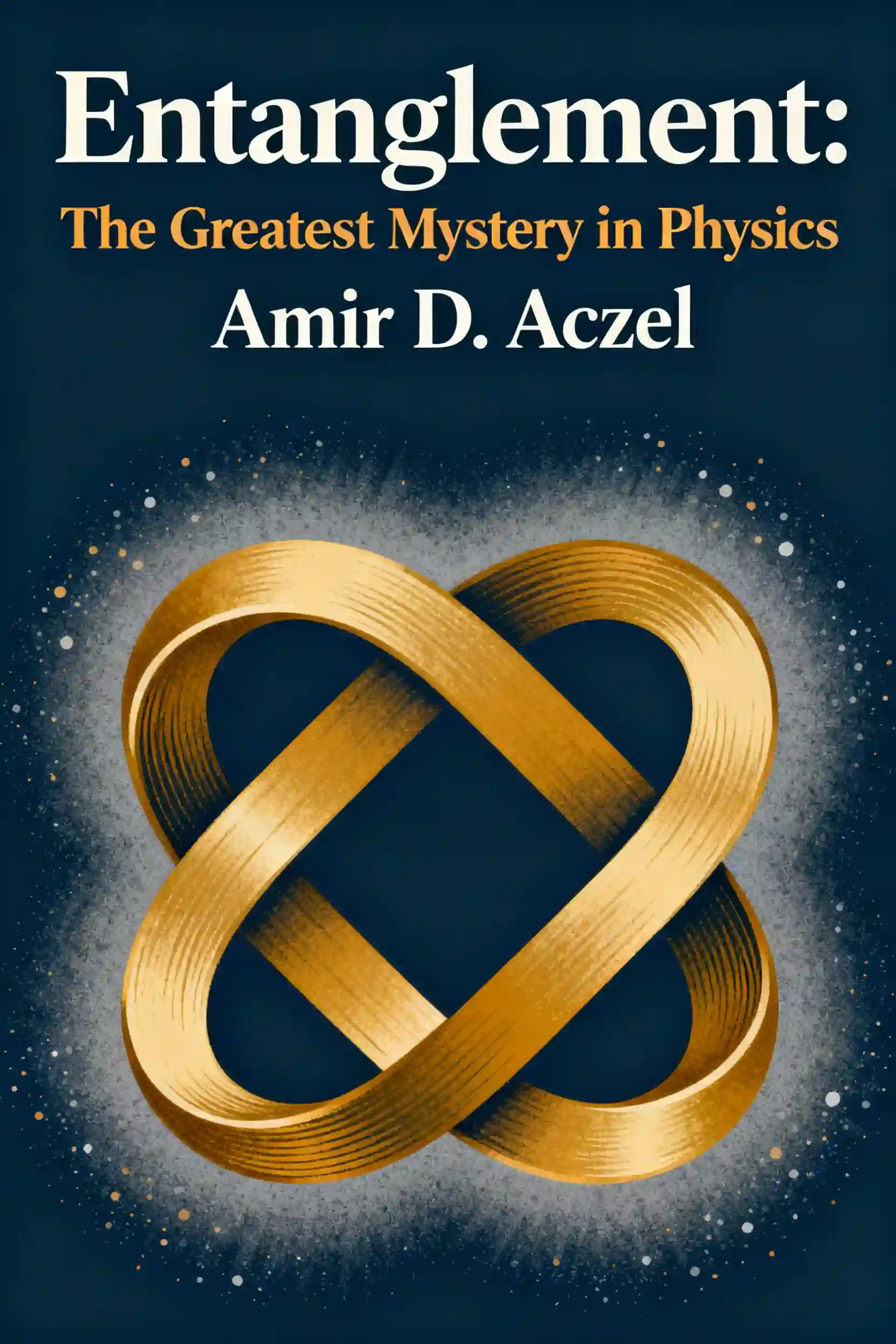
Häufig gestellte Fragen
The ultraviolet catastrophe was a major crisis in classical physics where mathematical predictions failed to match reality. Classical laws suggested that an idealized object called a "black body" would emit an infinite amount of energy at short wavelengths, such as ultraviolet light, as it heated up. In 1900, Max Planck resolved this by proposing that energy is not a continuous flow but is instead emitted in discrete packets called "quanta." This shift from a "smooth slide" to a "staircase" of energy provided the foundation for the entire field of quantum mechanics.
Wave-particle duality is the concept that all entities in the quantum world exhibit both wave-like and particle-like properties. Albert Einstein first demonstrated this with the photoelectric effect, showing that light acts as a shower of particles called photons. Later, Louis de Broglie proposed that matter, such as electrons, also has a wavelength. This was proven by the double-slit experiment, where electrons fired at two slits created an interference pattern typical of waves, suggesting that individual electrons can interfere with themselves like ripples in a pond.
The Uncertainty Principle is a fundamental law of nature stating that certain pairs of physical properties, such as position and momentum, cannot be known with perfect precision simultaneously. This is not due to poor measurement tools, but rather the wave-like nature of particles. To pin down a particle's exact position, you must bunch its wave into a tiny packet, which requires combining many different wavelengths and thus losing a clear measure of its momentum. This principle explains why atoms are stable and why the "vacuum" of space contains constant quantum fluctuations.
Quantum entanglement occurs when two particles are linked in such a way that the state of one instantly influences the state of the other, regardless of the distance between them. Einstein called this "spooky action at a distance" because it seemed to defy the rule that nothing can travel faster than light. While Einstein believed the particles had "hidden variables" decided at birth, experiments testing Bell’s Theorem have proven that the particles remain in a superposition of states until measured. The moment one is measured, the other's state is determined instantly across space.
Quantum mechanics is the "secret sauce" in many everyday devices. Smartphones rely on transistors, which use a process called "quantum tunneling" to allow electrons to pass through barriers they classically shouldn't be able to cross. Lasers function through "stimulated emission," a quantum process where atoms release synchronized photons. Additionally, MRI machines utilize the quantum property of "spin" in hydrogen nuclei, and LED lights work through "quantum transitions" where electrons jump between specific energy levels to emit light efficiently.
Von Columbia University Alumni in San Francisco entwickelt
"Instead of endless scrolling, I just hit play on BeFreed. It saves me so much time."


"I never knew where to start with nonfiction—BeFreed’s book lists turned into podcasts gave me a clear path."


"Perfect balance between learning and entertainment. Finished ‘Thinking, Fast and Slow’ on my commute this week."
"Crazy how much I learned while walking the dog. BeFreed = small habits → big gains."
"Reading used to feel like a chore. Now it’s just part of my lifestyle."

"Feels effortless compared to reading. I’ve finished 6 books this month already."
"BeFreed turned my guilty doomscrolling into something that feels productive and inspiring."

"BeFreed turned my commute into learning time. 20-min podcasts are perfect for finishing books I never had time for."
"BeFreed replaced my podcast queue. Imagine Spotify for books — that’s it. 🙌"

"It is great for me to learn something from the book without reading it."
"The themed book list podcasts help me connect ideas across authors—like a guided audio journey."
"Makes me feel smarter every time before going to work"
Von Columbia University Alumni in San Francisco entwickelt
"Instead of endless scrolling, I just hit play on BeFreed. It saves me so much time."
"I never knew where to start with nonfiction—BeFreed’s book lists turned into podcasts gave me a clear path."
"Perfect balance between learning and entertainment. Finished ‘Thinking, Fast and Slow’ on my commute this week."
"Crazy how much I learned while walking the dog. BeFreed = small habits → big gains."
"Reading used to feel like a chore. Now it’s just part of my lifestyle."
"Feels effortless compared to reading. I’ve finished 6 books this month already."
"BeFreed turned my guilty doomscrolling into something that feels productive and inspiring."
"BeFreed turned my commute into learning time. 20-min podcasts are perfect for finishing books I never had time for."
"BeFreed replaced my podcast queue. Imagine Spotify for books — that’s it. 🙌"
"It is great for me to learn something from the book without reading it."
"The themed book list podcasts help me connect ideas across authors—like a guided audio journey."
"Makes me feel smarter every time before going to work"
"Instead of endless scrolling, I just hit play on BeFreed. It saves me so much time."
"I never knew where to start with nonfiction—BeFreed’s book lists turned into podcasts gave me a clear path."
"Perfect balance between learning and entertainment. Finished ‘Thinking, Fast and Slow’ on my commute this week."
"Crazy how much I learned while walking the dog. BeFreed = small habits → big gains."
"Reading used to feel like a chore. Now it’s just part of my lifestyle."
"Feels effortless compared to reading. I’ve finished 6 books this month already."
"BeFreed turned my guilty doomscrolling into something that feels productive and inspiring."
"BeFreed turned my commute into learning time. 20-min podcasts are perfect for finishing books I never had time for."
"BeFreed replaced my podcast queue. Imagine Spotify for books — that’s it. 🙌"
"It is great for me to learn something from the book without reading it."
"The themed book list podcasts help me connect ideas across authors—like a guided audio journey."
"Makes me feel smarter every time before going to work"
"Instead of endless scrolling, I just hit play on BeFreed. It saves me so much time."
"I never knew where to start with nonfiction—BeFreed’s book lists turned into podcasts gave me a clear path."
"Perfect balance between learning and entertainment. Finished ‘Thinking, Fast and Slow’ on my commute this week."
"Crazy how much I learned while walking the dog. BeFreed = small habits → big gains."
"Reading used to feel like a chore. Now it’s just part of my lifestyle."
"Feels effortless compared to reading. I’ve finished 6 books this month already."
"BeFreed turned my guilty doomscrolling into something that feels productive and inspiring."
"BeFreed turned my commute into learning time. 20-min podcasts are perfect for finishing books I never had time for."
"BeFreed replaced my podcast queue. Imagine Spotify for books — that’s it. 🙌"
"It is great for me to learn something from the book without reading it."
"The themed book list podcasts help me connect ideas across authors—like a guided audio journey."
"Makes me feel smarter every time before going to work"