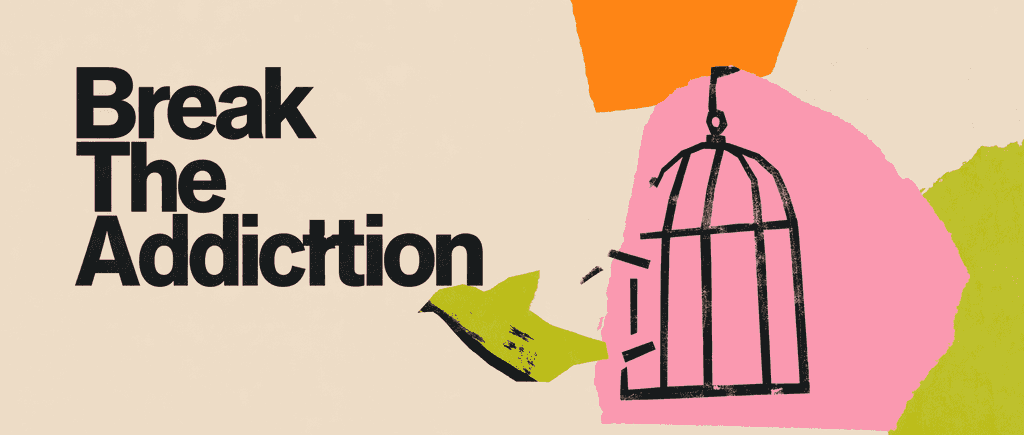
Overcoming addiction by rewiring your brain
Struggling to quit? Learn why addiction is a chronic brain condition and how to use neural recovery to break the cycle and build a balanced life.

Bestes Zitat aus Overcoming addiction by rewiring your brain
Recovery is not just a lack of willpower; it is a process of rewiring the brain's executive control center to move from an automatic, 'autopilot' response into the realm of conscious thought.
Generated by Morgan
How to overcome addiction

Häufig gestellte Fragen
Research, including meta-analyses from organizations like NIDA, identifies the first three months as a "make-or-break" window where the brain is most receptive to being steered in a new direction. During this intensive period, engagement in therapies like Cognitive Behavioral Therapy (CBT) leads to a sharp decline in relapse rates. After this ninety-day mark, the brain begins to reach a stage of stabilization, creating a foundation for long-term resilience.
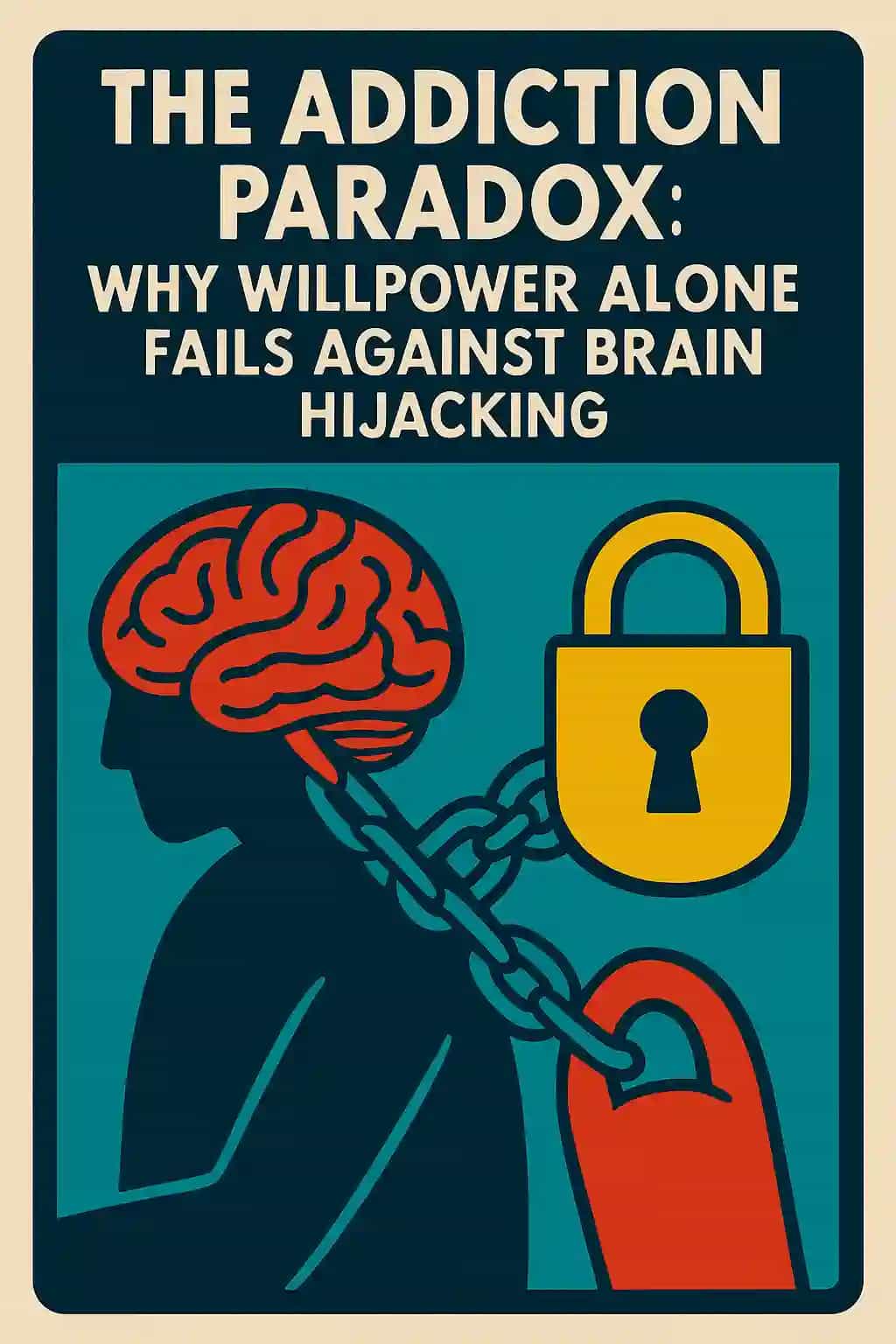
Addiction disrupts the prefrontal cortex, which acts as the brain's executive control center responsible for impulse control and weighing consequences. It essentially "locks the CEO in a closet" while the reward system takes over. Behavioral therapies help reconnect these "brakes" by moving automatic impulses into the realm of conscious thought, which functional MRI scans show can actually increase measurable activity and strength in the prefrontal cortex.
Top-down strategies involve using the conscious mind to influence subcortical drives, such as using CBT to cross-examine cravings or Acceptance and Commitment Therapy (ACT) to pivot toward personal values. Bottom-up strategies focus on the biological "hardware" of the body to support the brain. This includes using aerobic exercise to boost Brain-Derived Neurotrophic Factor (BDNF) for neural repair, maintaining nutrition to prevent "hangry" impulses, and ensuring proper sleep to allow the brain to clear metabolic waste and solidify therapeutic progress.
According to the script, this is a scientifically inaccurate myth. Medications used in MAT, such as buprenorphine or naltrexone, do not produce the "high" that hijacks the brain's reward system. Instead, they act as stabilizers that fill receptors just enough to manage withdrawal and cravings. This levels the biological "see-saw," making it possible for a person to actually engage in and benefit from the psychological work of therapy.
Isolation is biologically destabilizing because humans are social animals who rely on "oxytocin," a bonding hormone that inhibits the stress response. Meaningful social connections provide a natural anti-craving chemical buffer. Building a "sober network" allows individuals to essentially outsource their executive function to others while their own prefrontal cortex is still healing, creating a neurological safety net that makes the stress of early recovery easier to manage.
Von Columbia University Alumni in San Francisco entwickelt
"Instead of endless scrolling, I just hit play on BeFreed. It saves me so much time."


"I never knew where to start with nonfiction—BeFreed’s book lists turned into podcasts gave me a clear path."


"Perfect balance between learning and entertainment. Finished ‘Thinking, Fast and Slow’ on my commute this week."
"Crazy how much I learned while walking the dog. BeFreed = small habits → big gains."
"Reading used to feel like a chore. Now it’s just part of my lifestyle."

"Feels effortless compared to reading. I’ve finished 6 books this month already."
"BeFreed turned my guilty doomscrolling into something that feels productive and inspiring."

"BeFreed turned my commute into learning time. 20-min podcasts are perfect for finishing books I never had time for."
"BeFreed replaced my podcast queue. Imagine Spotify for books — that’s it. 🙌"

"It is great for me to learn something from the book without reading it."
"The themed book list podcasts help me connect ideas across authors—like a guided audio journey."
"Makes me feel smarter every time before going to work"
 Ask ChatGPT
 Ask Claude
Von Columbia University Alumni in San Francisco entwickelt
"Instead of endless scrolling, I just hit play on BeFreed. It saves me so much time."
"I never knew where to start with nonfiction—BeFreed’s book lists turned into podcasts gave me a clear path."
"Perfect balance between learning and entertainment. Finished ‘Thinking, Fast and Slow’ on my commute this week."
"Crazy how much I learned while walking the dog. BeFreed = small habits → big gains."
"Reading used to feel like a chore. Now it’s just part of my lifestyle."
"Feels effortless compared to reading. I’ve finished 6 books this month already."
"BeFreed turned my guilty doomscrolling into something that feels productive and inspiring."
"BeFreed turned my commute into learning time. 20-min podcasts are perfect for finishing books I never had time for."
"BeFreed replaced my podcast queue. Imagine Spotify for books — that’s it. 🙌"
"It is great for me to learn something from the book without reading it."
"The themed book list podcasts help me connect ideas across authors—like a guided audio journey."
"Makes me feel smarter every time before going to work"
"Instead of endless scrolling, I just hit play on BeFreed. It saves me so much time."
"I never knew where to start with nonfiction—BeFreed’s book lists turned into podcasts gave me a clear path."
"Perfect balance between learning and entertainment. Finished ‘Thinking, Fast and Slow’ on my commute this week."
"Crazy how much I learned while walking the dog. BeFreed = small habits → big gains."
"Reading used to feel like a chore. Now it’s just part of my lifestyle."
"Feels effortless compared to reading. I’ve finished 6 books this month already."
"BeFreed turned my guilty doomscrolling into something that feels productive and inspiring."
"BeFreed turned my commute into learning time. 20-min podcasts are perfect for finishing books I never had time for."
"BeFreed replaced my podcast queue. Imagine Spotify for books — that’s it. 🙌"
"It is great for me to learn something from the book without reading it."
"The themed book list podcasts help me connect ideas across authors—like a guided audio journey."
"Makes me feel smarter every time before going to work"
"Instead of endless scrolling, I just hit play on BeFreed. It saves me so much time."
"I never knew where to start with nonfiction—BeFreed’s book lists turned into podcasts gave me a clear path."
"Perfect balance between learning and entertainment. Finished ‘Thinking, Fast and Slow’ on my commute this week."
"Crazy how much I learned while walking the dog. BeFreed = small habits → big gains."
"Reading used to feel like a chore. Now it’s just part of my lifestyle."
"Feels effortless compared to reading. I’ve finished 6 books this month already."
"BeFreed turned my guilty doomscrolling into something that feels productive and inspiring."
"BeFreed turned my commute into learning time. 20-min podcasts are perfect for finishing books I never had time for."
"BeFreed replaced my podcast queue. Imagine Spotify for books — that’s it. 🙌"
"It is great for me to learn something from the book without reading it."
"The themed book list podcasts help me connect ideas across authors—like a guided audio journey."
"Makes me feel smarter every time before going to work"