Navigating the Political Battlefield
A practical guide to having productive political conversations in today's polarized climate, exploring evidence-based techniques for effective debate without sacrificing relationships or intellectual honesty.

Bestes Zitat aus Navigating the Political Battlefield
The real goal of political debate should not be to win the argument, but to understand why people hold the beliefs they do, as political positions are often deeply tied to a person's identity and sense of safety.

Diese Audiolektion wurde von einem BeFreed-Community-Mitglied erstellt
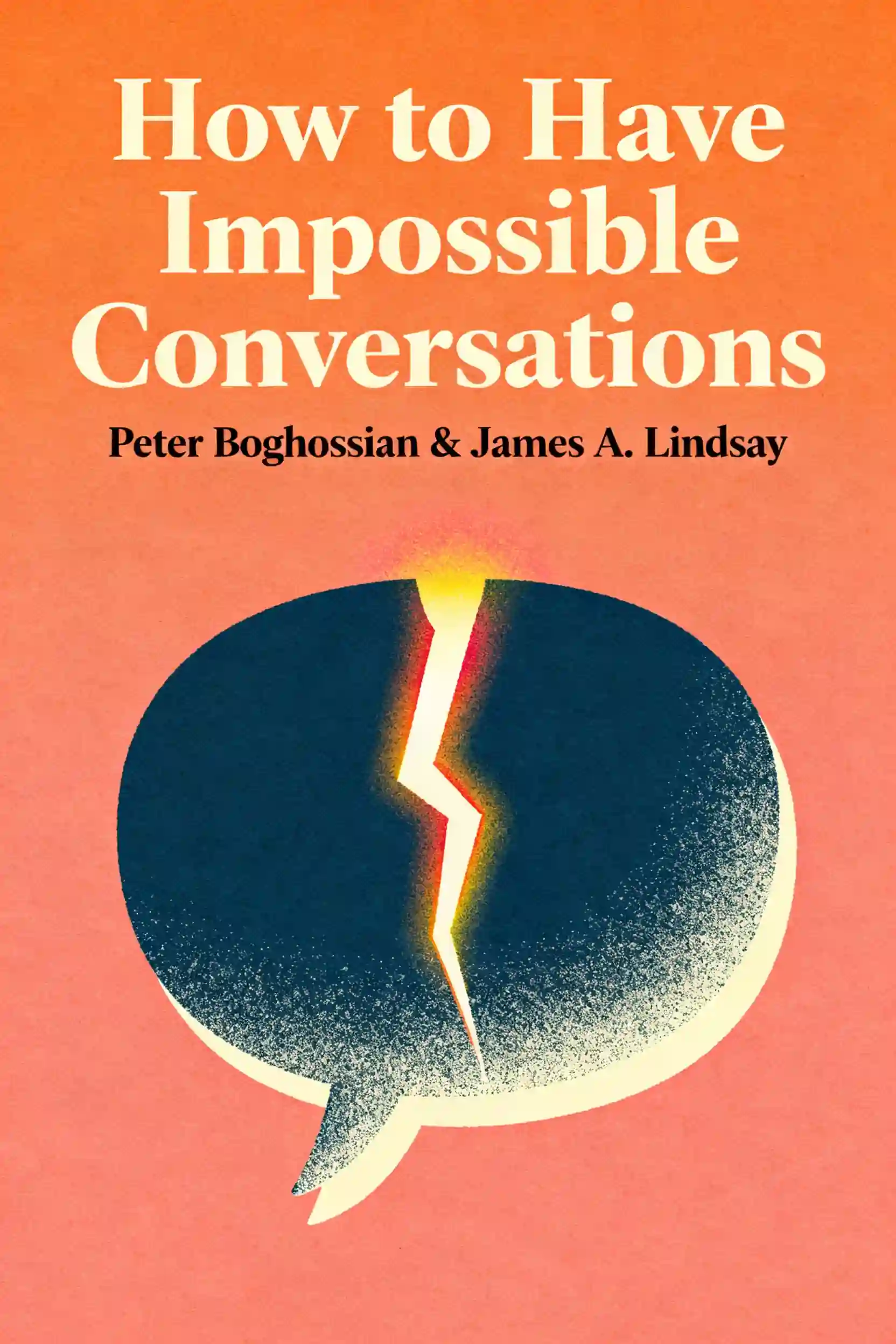
How to debate and argue about the modern political environment

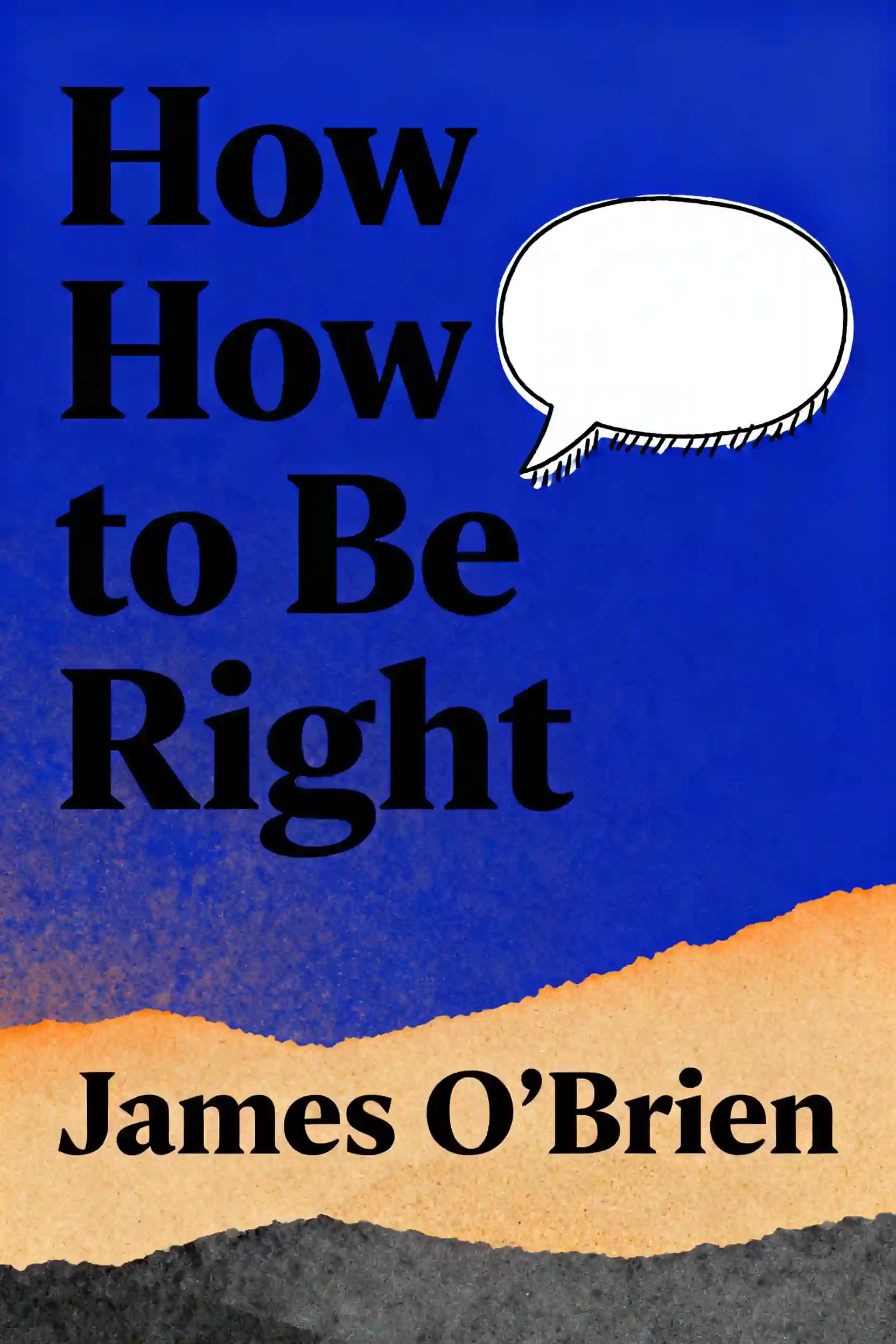
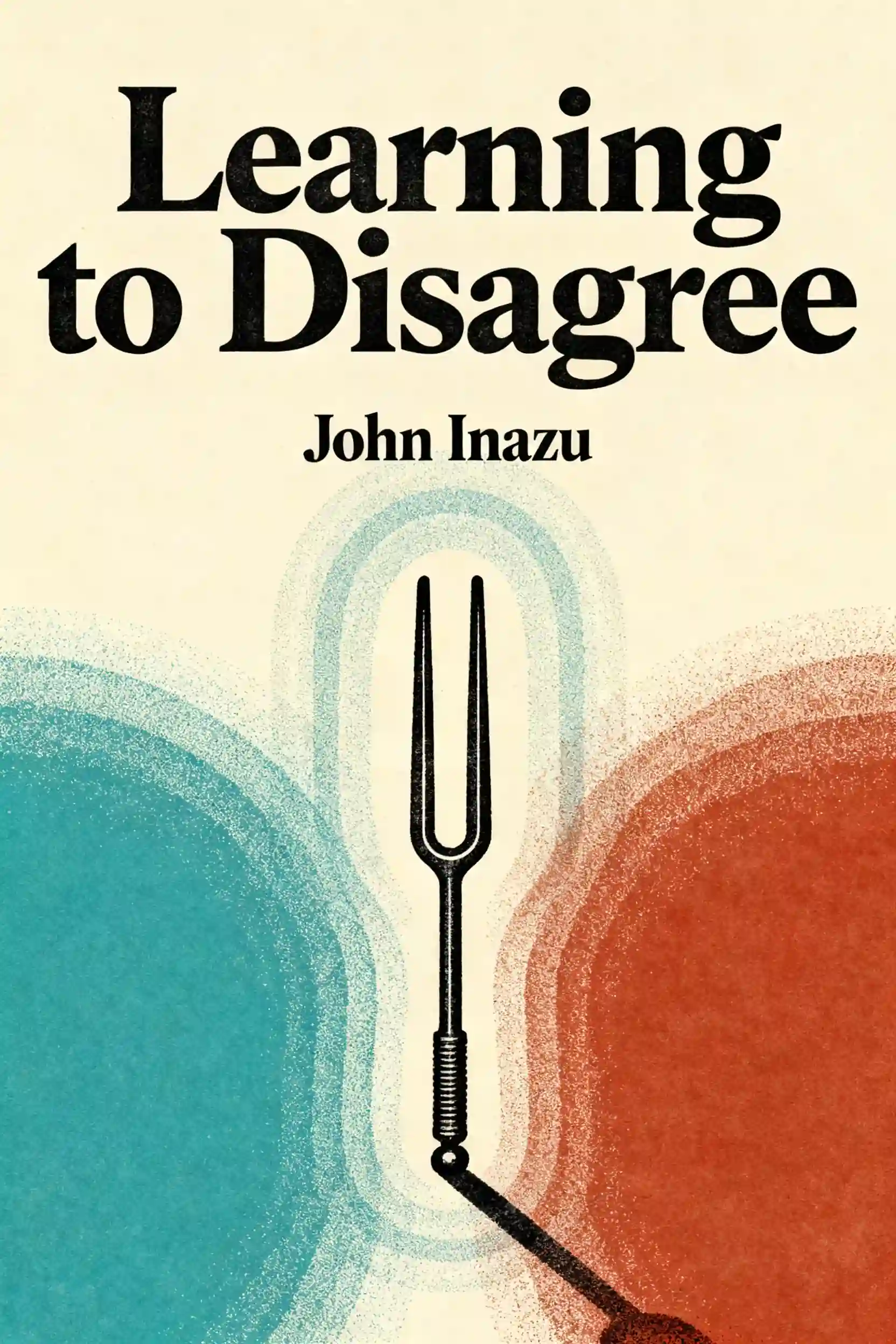
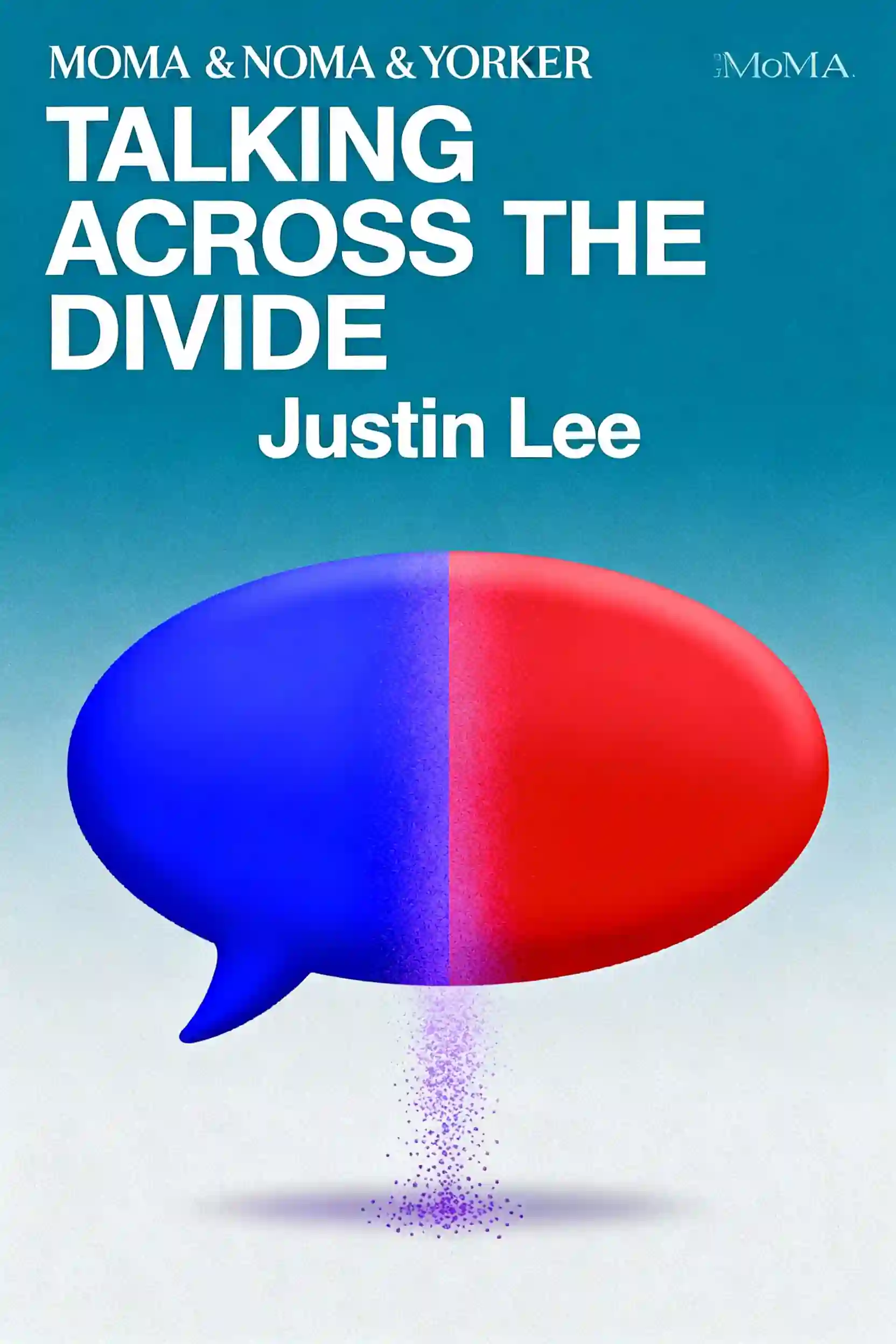
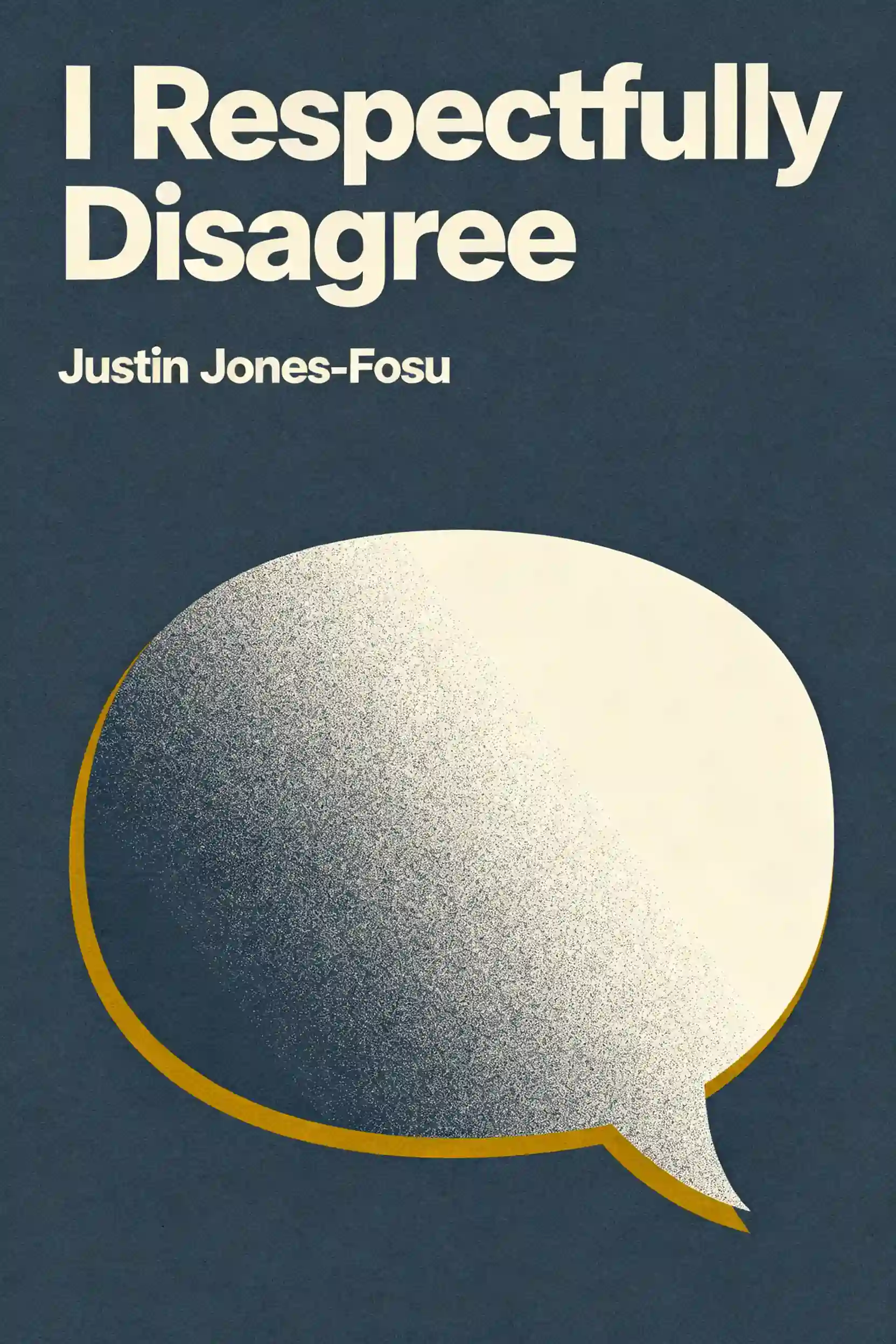
Mehr entdecken

Navigate High-Stakes Conversations
High-stakes conversations shape our professional success and personal relationships, yet most people lack the skills to navigate them effectively. This learning plan equips professionals and individuals with evidence-based techniques to transform challenging interactions into opportunities for connection, influence, and positive outcomes.

politica,
This comprehensive political education is essential for anyone seeking to understand how power shapes our world—from local governance to global conflicts. It's ideal for aspiring policy professionals, journalists, activists, business leaders navigating political risk, or engaged citizens who want to move beyond headlines to grasp the deeper forces driving political events and decisions.

Become better at talking, argumenting
Effective communication is the cornerstone of professional leadership and personal influence. This plan is designed for professionals and aspiring leaders who want to transform their debating skills into a powerful tool for negotiation and persuasion.

Stay Grounded in the Heat
This plan is essential for anyone who feels overwhelmed or defensive during difficult conversations. It is designed for individuals and partners seeking to transform reactive arguments into constructive dialogues through emotional regulation and assertive communication.

Current polical events
In an era of information overload, deepfakes, and increasing global complexity, understanding current political events requires more than just reading headlines. This learning plan is essential for anyone who wants to be an informed citizen, make sense of polarized discourse, and understand the forces shaping our world—whether you're a student, professional, voter, or simply someone who wants to cut through the noise and grasp what's really happening in politics today.

Dialogue Over Debate
In an increasingly polarized world, the ability to find common ground is a critical leadership skill. This plan is designed for professionals and community leaders who need to navigate high-stakes disagreements without damaging vital relationships.
The Strategist's Guide to Truth
In an era of misinformation and polarized rhetoric, mastering the mechanics of honest discourse is a vital leadership skill. This guide is designed for strategists, managers, and communicators who want to replace manipulation with genuine influence and logical clarity.

Understand modern politic
In an era of unprecedented political division and information overload, understanding the underlying systems, ideologies, and forces shaping modern politics has become essential for informed citizenship. This learning plan is valuable for anyone seeking to move beyond partisan soundbites to grasp why politics works the way it does—from students and professionals to engaged citizens who want to understand the deeper currents driving today's political landscape.
Von Columbia University Alumni in San Francisco entwickelt
"Instead of endless scrolling, I just hit play on BeFreed. It saves me so much time."


"I never knew where to start with nonfiction—BeFreed’s book lists turned into podcasts gave me a clear path."


"Perfect balance between learning and entertainment. Finished ‘Thinking, Fast and Slow’ on my commute this week."
"Crazy how much I learned while walking the dog. BeFreed = small habits → big gains."
"Reading used to feel like a chore. Now it’s just part of my lifestyle."

"Feels effortless compared to reading. I’ve finished 6 books this month already."
"BeFreed turned my guilty doomscrolling into something that feels productive and inspiring."

"BeFreed turned my commute into learning time. 20-min podcasts are perfect for finishing books I never had time for."
"BeFreed replaced my podcast queue. Imagine Spotify for books — that’s it. 🙌"

"It is great for me to learn something from the book without reading it."
"The themed book list podcasts help me connect ideas across authors—like a guided audio journey."
"Makes me feel smarter every time before going to work"
Von Columbia University Alumni in San Francisco entwickelt
"Instead of endless scrolling, I just hit play on BeFreed. It saves me so much time."
"I never knew where to start with nonfiction—BeFreed’s book lists turned into podcasts gave me a clear path."
"Perfect balance between learning and entertainment. Finished ‘Thinking, Fast and Slow’ on my commute this week."
"Crazy how much I learned while walking the dog. BeFreed = small habits → big gains."
"Reading used to feel like a chore. Now it’s just part of my lifestyle."
"Feels effortless compared to reading. I’ve finished 6 books this month already."
"BeFreed turned my guilty doomscrolling into something that feels productive and inspiring."
"BeFreed turned my commute into learning time. 20-min podcasts are perfect for finishing books I never had time for."
"BeFreed replaced my podcast queue. Imagine Spotify for books — that’s it. 🙌"
"It is great for me to learn something from the book without reading it."
"The themed book list podcasts help me connect ideas across authors—like a guided audio journey."
"Makes me feel smarter every time before going to work"
"Instead of endless scrolling, I just hit play on BeFreed. It saves me so much time."
"I never knew where to start with nonfiction—BeFreed’s book lists turned into podcasts gave me a clear path."
"Perfect balance between learning and entertainment. Finished ‘Thinking, Fast and Slow’ on my commute this week."
"Crazy how much I learned while walking the dog. BeFreed = small habits → big gains."
"Reading used to feel like a chore. Now it’s just part of my lifestyle."
"Feels effortless compared to reading. I’ve finished 6 books this month already."
"BeFreed turned my guilty doomscrolling into something that feels productive and inspiring."
"BeFreed turned my commute into learning time. 20-min podcasts are perfect for finishing books I never had time for."
"BeFreed replaced my podcast queue. Imagine Spotify for books — that’s it. 🙌"
"It is great for me to learn something from the book without reading it."
"The themed book list podcasts help me connect ideas across authors—like a guided audio journey."
"Makes me feel smarter every time before going to work"
"Instead of endless scrolling, I just hit play on BeFreed. It saves me so much time."
"I never knew where to start with nonfiction—BeFreed’s book lists turned into podcasts gave me a clear path."
"Perfect balance between learning and entertainment. Finished ‘Thinking, Fast and Slow’ on my commute this week."
"Crazy how much I learned while walking the dog. BeFreed = small habits → big gains."
"Reading used to feel like a chore. Now it’s just part of my lifestyle."
"Feels effortless compared to reading. I’ve finished 6 books this month already."
"BeFreed turned my guilty doomscrolling into something that feels productive and inspiring."
"BeFreed turned my commute into learning time. 20-min podcasts are perfect for finishing books I never had time for."
"BeFreed replaced my podcast queue. Imagine Spotify for books — that’s it. 🙌"
"It is great for me to learn something from the book without reading it."
"The themed book list podcasts help me connect ideas across authors—like a guided audio journey."
"Makes me feel smarter every time before going to work"