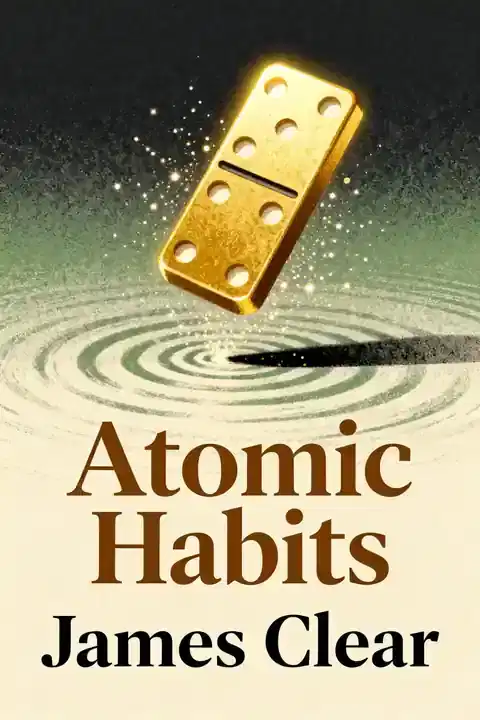
Daily life rhythms and the science of your routine
Why do our daily habits feel so automatic? Learn how biological blueprints and social rules shape your schedule so you can finally master your time.

Bestes Zitat aus Daily life rhythms and the science of your routine
Your daily rhythm is basically a science, and the first 90 minutes after you wake up essentially set the neurochemical tone for your entire day.
Generated by Eran
Daily life

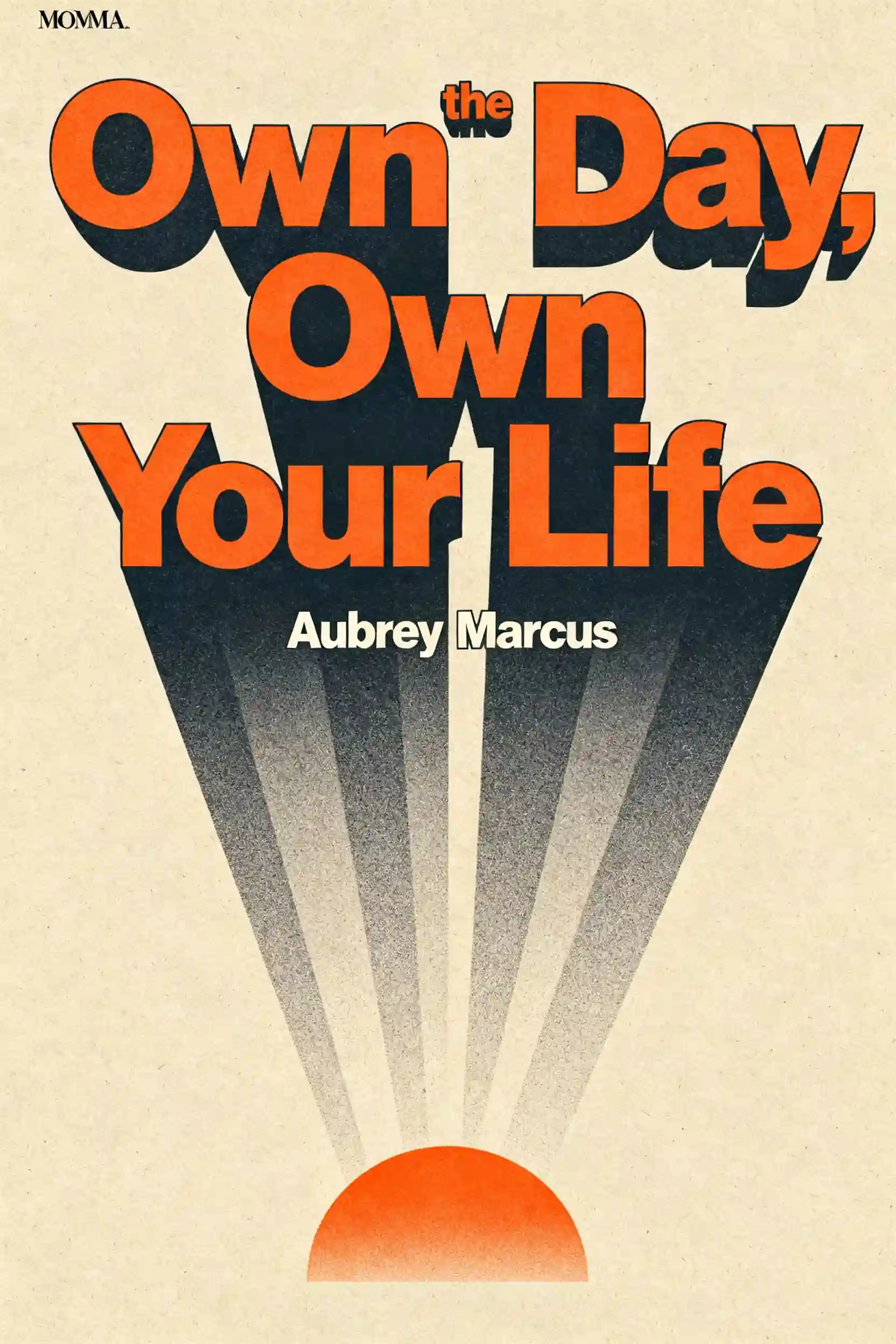
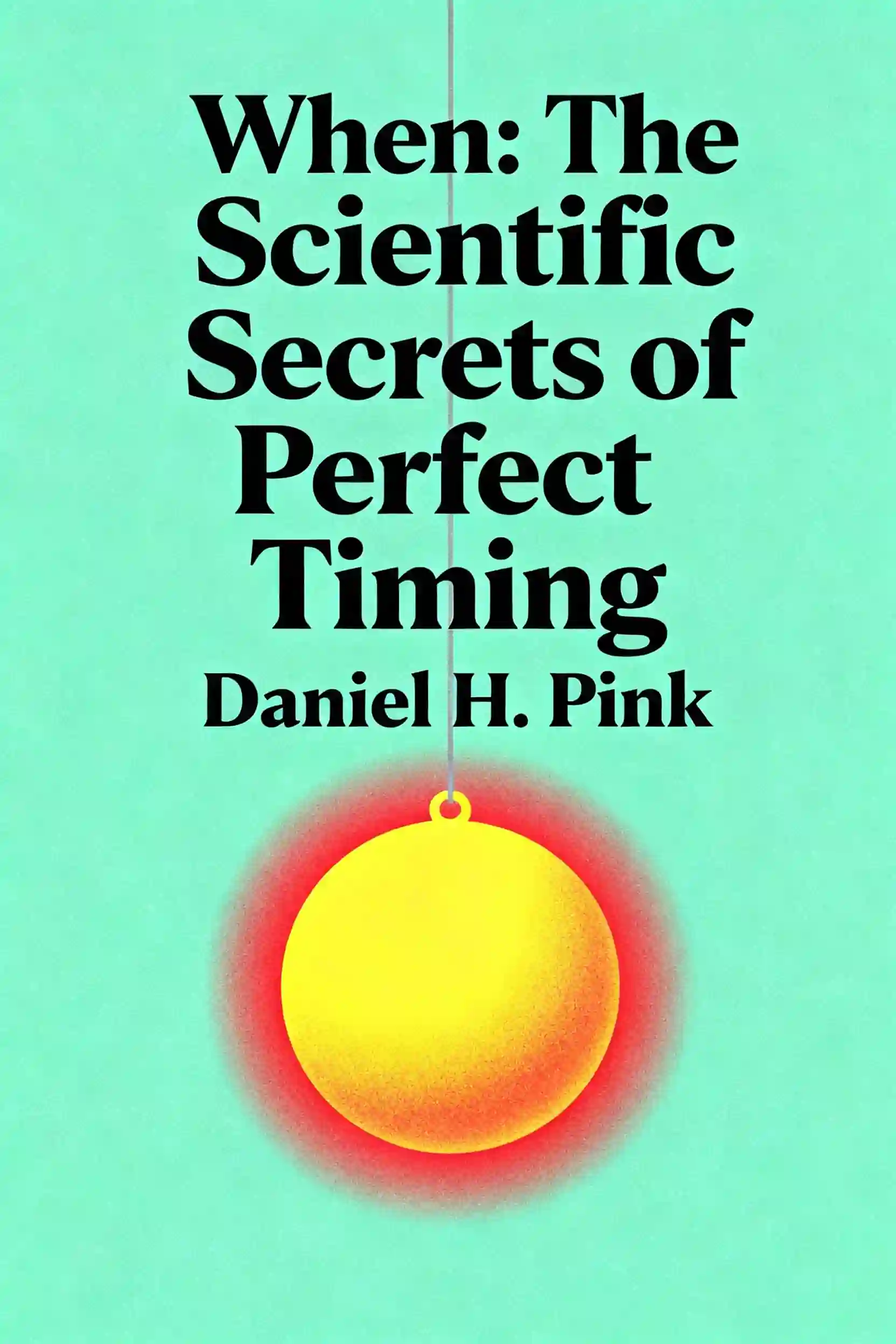
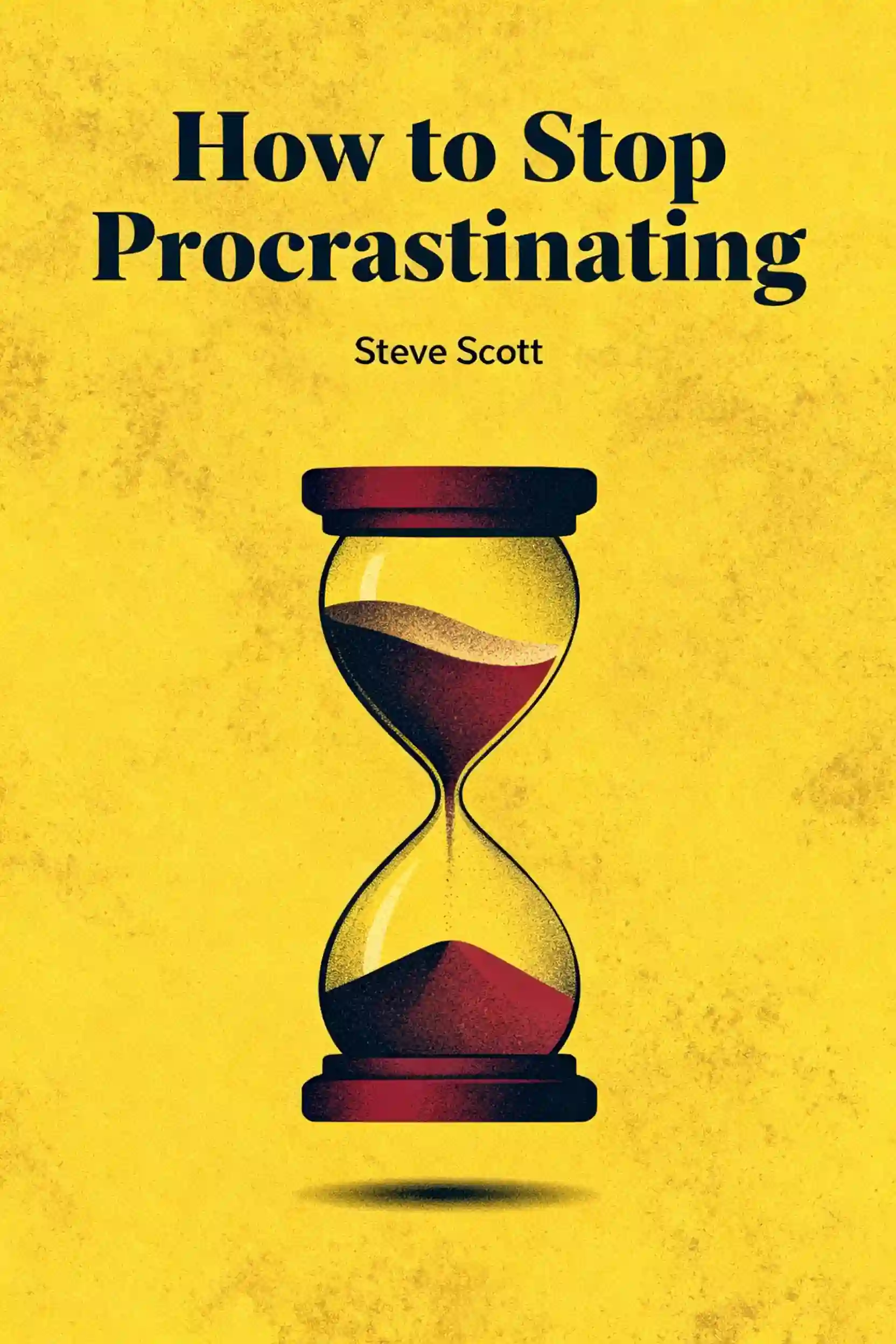
Häufig gestellte Fragen
Viewing morning sunlight within the first 90 minutes of waking triggers a specific biological process that sets the neurochemical tone for the entire day. The light hits the eyes and triggers a timed release of cortisol, which promotes alertness and focus. Furthermore, this early light exposure sets a silent internal timer for the release of melatonin approximately 14 to 16 hours later, essentially preparing the body for a high-quality night of sleep.
The 90-minute caffeine rule suggests delaying your first cup of coffee until an hour and a half after waking up. This is recommended because the body experiences a natural cortisol awakening response shortly after waking. Consuming caffeine immediately can blunt this natural spike and lead to a more significant energy crash later in the morning. By waiting, you allow your natural wake-up chemistry to function first, making the caffeine more effective and your energy levels more stable.
Deep Work involves protecting the first 90 minutes of the workday for the most cognitively demanding tasks while avoiding "digital drag" like emails or notifications. Unlike multitasking, which research shows actually makes people more easily distracted, Deep Work respects the brain's "ultradian rhythms"—cycles of 90 to 120 minutes where focus is naturally highest. This practice prevents "attention residue," where the brain remains distracted by previous unfinished tasks, allowing for higher-quality output and better use of the prefrontal cortex.
A breakfast high in refined carbohydrates causes a rapid glucose spike followed by a mid-morning energy crash, which can disrupt focus. In contrast, a protein-forward meal—including foods like eggs or Greek yogurt—promotes blood sugar stability. Maintaining steady blood sugar levels prevents the "rollercoaster" of energy peaks and valleys, providing the brain with a consistent fuel source for sustained mental performance throughout the morning.
Habit stacking is a method of linking a new desired habit to an existing, automatic action rather than relying on a specific time of day. For example, one might decide that "after I pour my coffee, I will write three things I am grateful for." This technique uses a concrete event that the brain already tracks as a trigger, making the new behavior much more reliable and easier to integrate into a supportive daily ecosystem.
Von Columbia University Alumni in San Francisco entwickelt
"Instead of endless scrolling, I just hit play on BeFreed. It saves me so much time."


"I never knew where to start with nonfiction—BeFreed’s book lists turned into podcasts gave me a clear path."


"Perfect balance between learning and entertainment. Finished ‘Thinking, Fast and Slow’ on my commute this week."
"Crazy how much I learned while walking the dog. BeFreed = small habits → big gains."
"Reading used to feel like a chore. Now it’s just part of my lifestyle."

"Feels effortless compared to reading. I’ve finished 6 books this month already."
"BeFreed turned my guilty doomscrolling into something that feels productive and inspiring."

"BeFreed turned my commute into learning time. 20-min podcasts are perfect for finishing books I never had time for."
"BeFreed replaced my podcast queue. Imagine Spotify for books — that’s it. 🙌"

"It is great for me to learn something from the book without reading it."
"The themed book list podcasts help me connect ideas across authors—like a guided audio journey."
"Makes me feel smarter every time before going to work"
Von Columbia University Alumni in San Francisco entwickelt
"Instead of endless scrolling, I just hit play on BeFreed. It saves me so much time."
"I never knew where to start with nonfiction—BeFreed’s book lists turned into podcasts gave me a clear path."
"Perfect balance between learning and entertainment. Finished ‘Thinking, Fast and Slow’ on my commute this week."
"Crazy how much I learned while walking the dog. BeFreed = small habits → big gains."
"Reading used to feel like a chore. Now it’s just part of my lifestyle."
"Feels effortless compared to reading. I’ve finished 6 books this month already."
"BeFreed turned my guilty doomscrolling into something that feels productive and inspiring."
"BeFreed turned my commute into learning time. 20-min podcasts are perfect for finishing books I never had time for."
"BeFreed replaced my podcast queue. Imagine Spotify for books — that’s it. 🙌"
"It is great for me to learn something from the book without reading it."
"The themed book list podcasts help me connect ideas across authors—like a guided audio journey."
"Makes me feel smarter every time before going to work"
"Instead of endless scrolling, I just hit play on BeFreed. It saves me so much time."
"I never knew where to start with nonfiction—BeFreed’s book lists turned into podcasts gave me a clear path."
"Perfect balance between learning and entertainment. Finished ‘Thinking, Fast and Slow’ on my commute this week."
"Crazy how much I learned while walking the dog. BeFreed = small habits → big gains."
"Reading used to feel like a chore. Now it’s just part of my lifestyle."
"Feels effortless compared to reading. I’ve finished 6 books this month already."
"BeFreed turned my guilty doomscrolling into something that feels productive and inspiring."
"BeFreed turned my commute into learning time. 20-min podcasts are perfect for finishing books I never had time for."
"BeFreed replaced my podcast queue. Imagine Spotify for books — that’s it. 🙌"
"It is great for me to learn something from the book without reading it."
"The themed book list podcasts help me connect ideas across authors—like a guided audio journey."
"Makes me feel smarter every time before going to work"
"Instead of endless scrolling, I just hit play on BeFreed. It saves me so much time."
"I never knew where to start with nonfiction—BeFreed’s book lists turned into podcasts gave me a clear path."
"Perfect balance between learning and entertainment. Finished ‘Thinking, Fast and Slow’ on my commute this week."
"Crazy how much I learned while walking the dog. BeFreed = small habits → big gains."
"Reading used to feel like a chore. Now it’s just part of my lifestyle."
"Feels effortless compared to reading. I’ve finished 6 books this month already."
"BeFreed turned my guilty doomscrolling into something that feels productive and inspiring."
"BeFreed turned my commute into learning time. 20-min podcasts are perfect for finishing books I never had time for."
"BeFreed replaced my podcast queue. Imagine Spotify for books — that’s it. 🙌"
"It is great for me to learn something from the book without reading it."
"The themed book list podcasts help me connect ideas across authors—like a guided audio journey."
"Makes me feel smarter every time before going to work"