Classic literature is more modern than you think
Why do centuries-old stories still feel so personal? Discover how the Western Canon shapes our modern lives and how to start your own collection.

Bestes Zitat aus Classic literature is more modern than you think
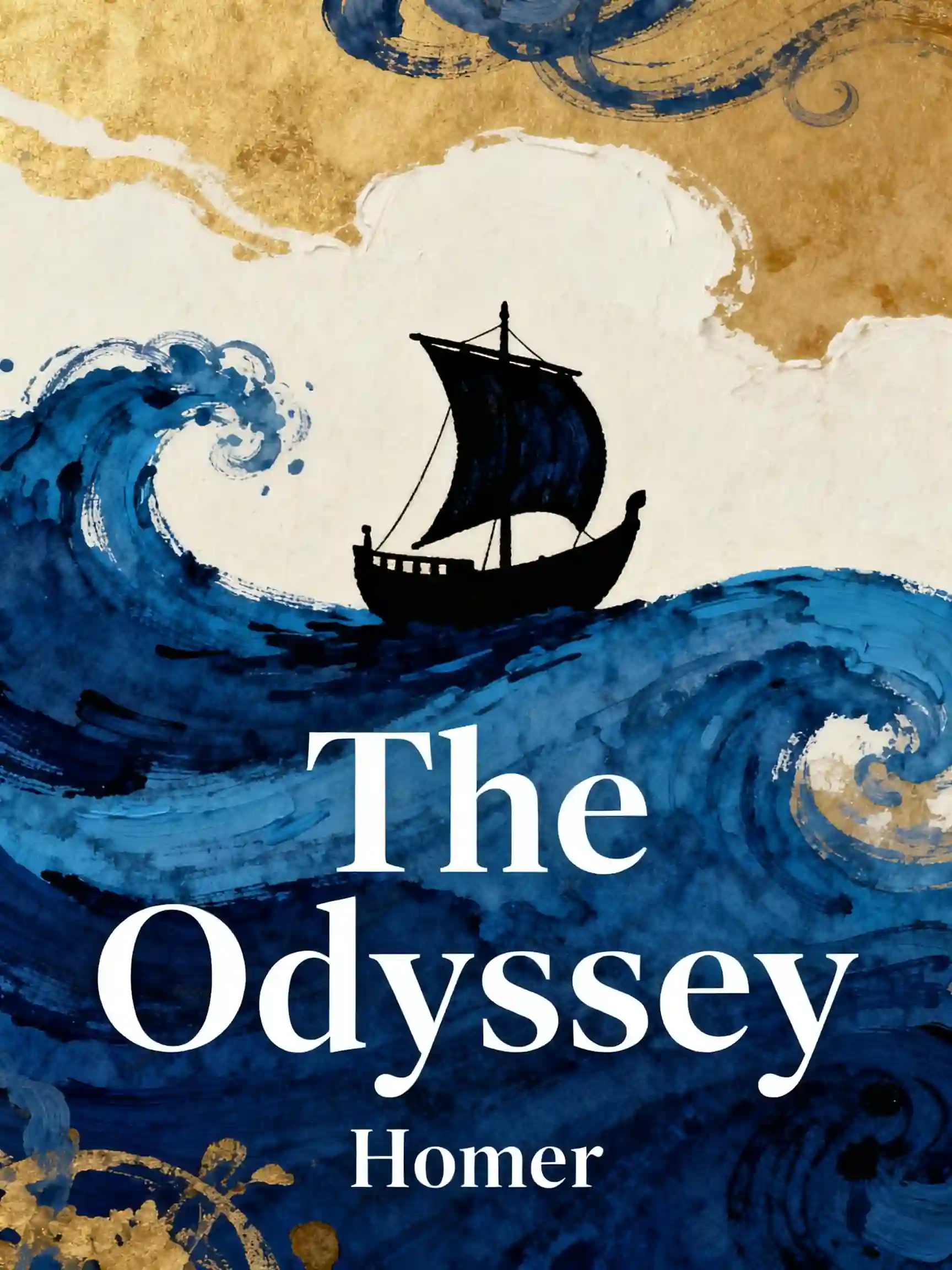
The Western Canon isn't just a physical space—it’s like an invisible architecture that supports how we perceive a good story and serves as the cultural DNA of the world. It’s a living conversation that transcends its own time to help us understand our own modern psyche.
Generated by Zaul
Classic literature

Häufig gestellte Fragen
A book earns its place in the canon not simply by being old, but by meeting specific criteria such as artistic quality, enduring relevance, and a significant cultural contribution. It must possess a universal appeal that allows it to transcend its original time and social climate to speak to modern audiences. Scholars and critics often act as gatekeepers, looking for works with "aesthetic autonomy" and the power to help readers confront their inner selves and the human experience.
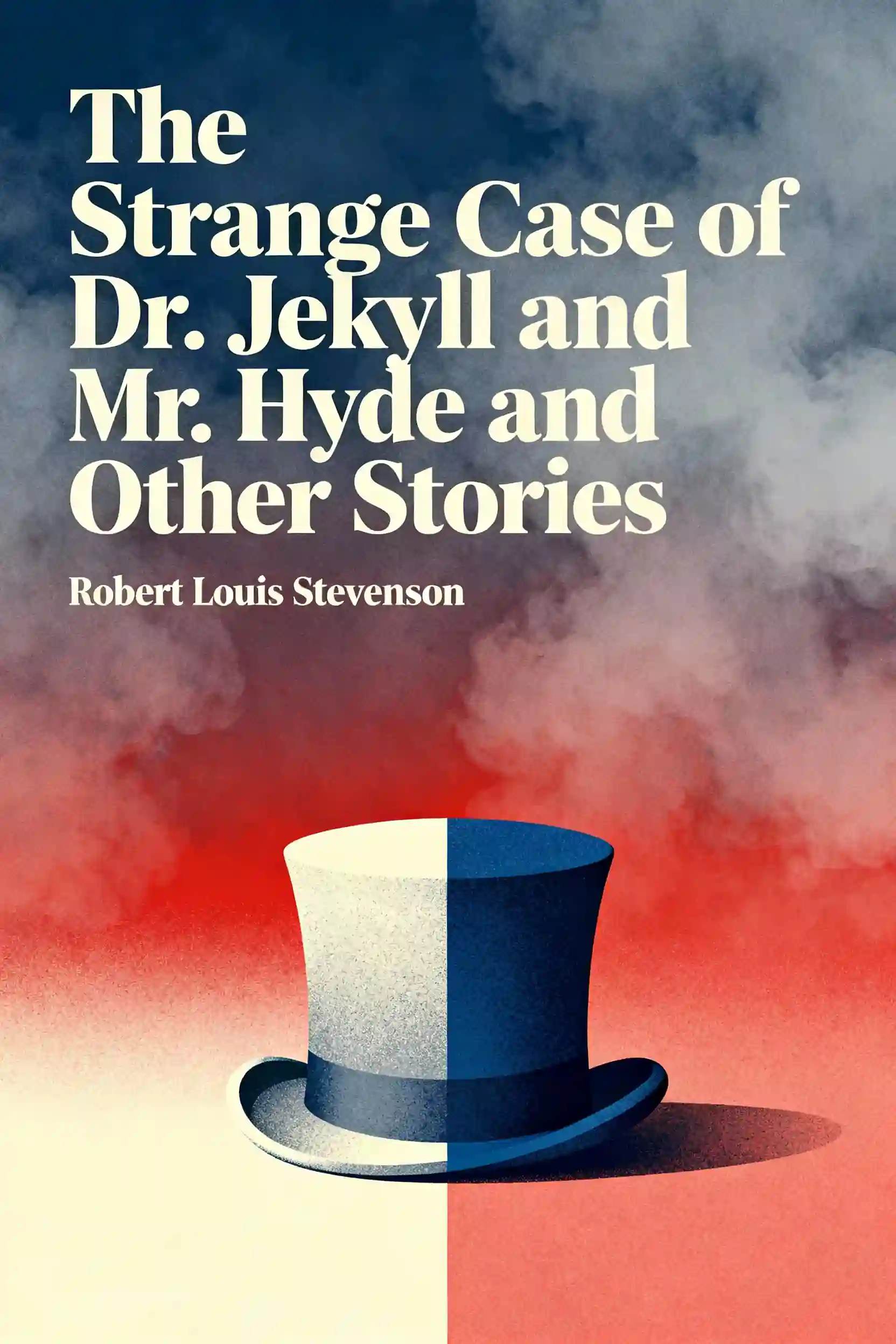
Classic literature serves as the "cultural DNA" or "blueprint" for modern stories through a process called intertextuality. For example, the "Byronic hero" trope found in 19th-century poetry continues to be a staple of modern thrillers, and the themes of responsibility in Mary Shelley’s Frankenstein are central to contemporary films about Artificial Intelligence. Additionally, narrative techniques like "stream of consciousness" or the epistolary (letter-writing) format created by past masters are still used by today's authors to create intimacy and realism.
The "Five-Foot Shelf," also known as the Harvard Classics, was a 51-volume collection curated by Dr. Charles W. Eliot in the early 20th century. His goal was to democratize education by providing a set of essential works—including literature, philosophy, and science—that anyone could master by reading for just fifteen minutes a day. While the original list is considered very Eurocentric by modern standards, the "fifteen minutes a day" approach remains a popular "life hack" for readers looking to tackle daunting classics in manageable segments.
The canon is constantly evolving to reflect changing societal values and a move toward greater inclusivity. While it was historically dominated by Western, male voices, it is expanding to include diverse perspectives from authors like Toni Morrison, Chinua Achebe, and Gabriel García Márquez. As society reassesses which stories have the power to help us understand ourselves, new "wings" are added to the cultural library, ensuring the collection remains relevant and engaging for future generations.
To make the experience enjoyable rather than a chore, listeners are encouraged to maintain a realistic schedule, such as the fifteen-minute-a-day rule, and to balance traditional European works with diverse global perspectives. Active engagement is key—taking notes, researching the historical context of a book, and participating in book clubs can make the themes more vivid. Finally, readers shouldn't be afraid of "difficult" books, as interpreting complex language acts as a mental workout that builds cognitive health and empathy.
Von Columbia University Alumni in San Francisco entwickelt
"Instead of endless scrolling, I just hit play on BeFreed. It saves me so much time."


"I never knew where to start with nonfiction—BeFreed’s book lists turned into podcasts gave me a clear path."


"Perfect balance between learning and entertainment. Finished ‘Thinking, Fast and Slow’ on my commute this week."
"Crazy how much I learned while walking the dog. BeFreed = small habits → big gains."
"Reading used to feel like a chore. Now it’s just part of my lifestyle."

"Feels effortless compared to reading. I’ve finished 6 books this month already."
"BeFreed turned my guilty doomscrolling into something that feels productive and inspiring."

"BeFreed turned my commute into learning time. 20-min podcasts are perfect for finishing books I never had time for."
"BeFreed replaced my podcast queue. Imagine Spotify for books — that’s it. 🙌"

"It is great for me to learn something from the book without reading it."
"The themed book list podcasts help me connect ideas across authors—like a guided audio journey."
"Makes me feel smarter every time before going to work"
Von Columbia University Alumni in San Francisco entwickelt
"Instead of endless scrolling, I just hit play on BeFreed. It saves me so much time."
"I never knew where to start with nonfiction—BeFreed’s book lists turned into podcasts gave me a clear path."
"Perfect balance between learning and entertainment. Finished ‘Thinking, Fast and Slow’ on my commute this week."
"Crazy how much I learned while walking the dog. BeFreed = small habits → big gains."
"Reading used to feel like a chore. Now it’s just part of my lifestyle."
"Feels effortless compared to reading. I’ve finished 6 books this month already."
"BeFreed turned my guilty doomscrolling into something that feels productive and inspiring."
"BeFreed turned my commute into learning time. 20-min podcasts are perfect for finishing books I never had time for."
"BeFreed replaced my podcast queue. Imagine Spotify for books — that’s it. 🙌"
"It is great for me to learn something from the book without reading it."
"The themed book list podcasts help me connect ideas across authors—like a guided audio journey."
"Makes me feel smarter every time before going to work"
"Instead of endless scrolling, I just hit play on BeFreed. It saves me so much time."
"I never knew where to start with nonfiction—BeFreed’s book lists turned into podcasts gave me a clear path."
"Perfect balance between learning and entertainment. Finished ‘Thinking, Fast and Slow’ on my commute this week."
"Crazy how much I learned while walking the dog. BeFreed = small habits → big gains."
"Reading used to feel like a chore. Now it’s just part of my lifestyle."
"Feels effortless compared to reading. I’ve finished 6 books this month already."
"BeFreed turned my guilty doomscrolling into something that feels productive and inspiring."
"BeFreed turned my commute into learning time. 20-min podcasts are perfect for finishing books I never had time for."
"BeFreed replaced my podcast queue. Imagine Spotify for books — that’s it. 🙌"
"It is great for me to learn something from the book without reading it."
"The themed book list podcasts help me connect ideas across authors—like a guided audio journey."
"Makes me feel smarter every time before going to work"
"Instead of endless scrolling, I just hit play on BeFreed. It saves me so much time."
"I never knew where to start with nonfiction—BeFreed’s book lists turned into podcasts gave me a clear path."
"Perfect balance between learning and entertainment. Finished ‘Thinking, Fast and Slow’ on my commute this week."
"Crazy how much I learned while walking the dog. BeFreed = small habits → big gains."
"Reading used to feel like a chore. Now it’s just part of my lifestyle."
"Feels effortless compared to reading. I’ve finished 6 books this month already."
"BeFreed turned my guilty doomscrolling into something that feels productive and inspiring."
"BeFreed turned my commute into learning time. 20-min podcasts are perfect for finishing books I never had time for."
"BeFreed replaced my podcast queue. Imagine Spotify for books — that’s it. 🙌"
"It is great for me to learn something from the book without reading it."
"The themed book list podcasts help me connect ideas across authors—like a guided audio journey."
"Makes me feel smarter every time before going to work"