Bible stories through a modern lens
Ancient stories often feel too formal to be relatable. We explore the Bible’s biggest moments using modern language to find fresh spiritual insights.

Bestes Zitat aus Bible stories through a modern lens
The Gen Z Bible isn't just about making it 'cool' for the sake of it; it’s about subverting the gatekeeping of religion and making the youth feel like they have ownership over the text.
Generated by Melanie
Can you tell me the stories of the Bible but how we talk now days

Häufig gestellte Fragen
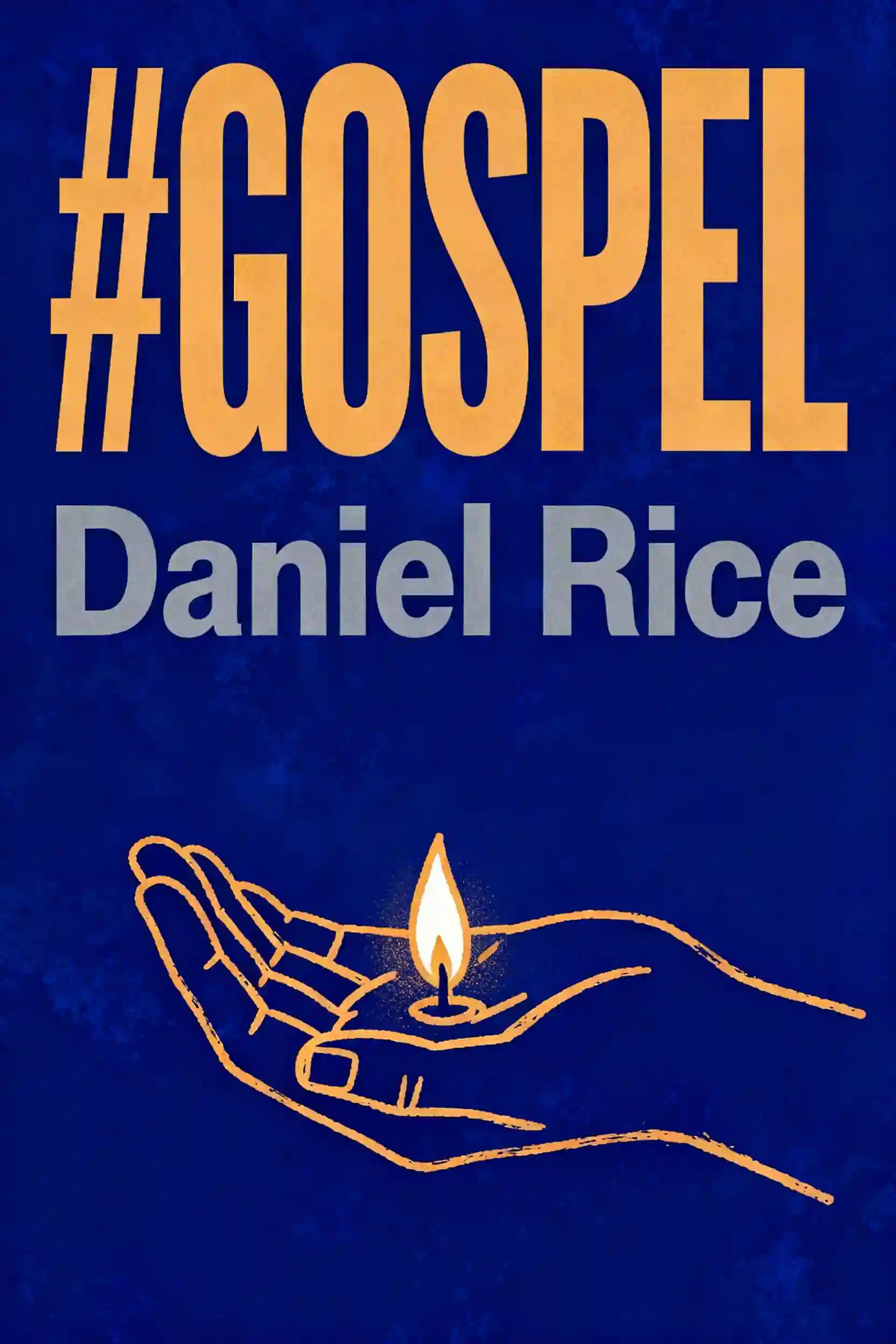
The Gen Z Bible refers to modern translations or "remixes" that replace traditional religious terminology with contemporary slang, such as calling the Holy Spirit the "Divine Aura" or referring to the Gospel as "the Lore." The goal of these versions is to make the text feel more immediate and accessible to younger generations. By stripping away formal language like "verily, verily" and using terms like "no cap" or "deadass," creators aim to remove the "gatekeeping" of religion and help youth feel a sense of ownership over the text.
In these contemporary versions, traditional concepts are reframed to match modern social dynamics. A miracle is described as a "certified flex" of God’s power, while "sin" is often translated as "L behavior" or being a "snake." These terms are intended to provide immediate mnemonic value and a clear call to action. For example, the commandment "Thou shalt not bear false witness" becomes "Don’t be a snake," which the script suggests offers a more direct and relatable understanding of the moral instruction.
The script identifies a spectrum of translation styles: "formal equivalence" (word-for-word) like the NASB or ESV, which are best for academic study; "optimal equivalence" like the NIV or CSB, which balance accuracy with readability; and "dynamic equivalence" or "paraphrases" like The Message. While paraphrases capture the energy and tone of the original writers using everyday language, the script cautions that they may sacrifice literal accuracy for stylistic flair and should be used alongside more formal translations for a balanced understanding.
Oral Bible Translation is a method where translators perform stories using props, song, and acting—as seen in projects in Uganda—to ensure the "vibes" and heart of the story are captured rather than just the grammar. This relates to "embodied cognition," the idea that our understanding of reality is shaped by how we physically interact with the world. By acting out stories like the Book of Ruth, translators ensure the language feels natural and "sticks" in the memory, moving beyond "wooden" or "mid" literal translations to a more experiential understanding.
To level up one's "spirituality game," the script recommends "parallel reading," which involves comparing a single passage across multiple versions, such as a literal translation and a paraphrase. This helps the reader see both the formal structure and the emotional impact of the text. Additionally, listeners are encouraged to "evaluate the ecosystem" of a translation by checking for digital support and commentaries, and to avoid "translation tribalism"—the idea that only one specific version is valid or godly.
Von Columbia University Alumni in San Francisco entwickelt
"Instead of endless scrolling, I just hit play on BeFreed. It saves me so much time."


"I never knew where to start with nonfiction—BeFreed’s book lists turned into podcasts gave me a clear path."


"Perfect balance between learning and entertainment. Finished ‘Thinking, Fast and Slow’ on my commute this week."
"Crazy how much I learned while walking the dog. BeFreed = small habits → big gains."
"Reading used to feel like a chore. Now it’s just part of my lifestyle."

"Feels effortless compared to reading. I’ve finished 6 books this month already."
"BeFreed turned my guilty doomscrolling into something that feels productive and inspiring."

"BeFreed turned my commute into learning time. 20-min podcasts are perfect for finishing books I never had time for."
"BeFreed replaced my podcast queue. Imagine Spotify for books — that’s it. 🙌"

"It is great for me to learn something from the book without reading it."
"The themed book list podcasts help me connect ideas across authors—like a guided audio journey."
"Makes me feel smarter every time before going to work"
Von Columbia University Alumni in San Francisco entwickelt
"Instead of endless scrolling, I just hit play on BeFreed. It saves me so much time."
"I never knew where to start with nonfiction—BeFreed’s book lists turned into podcasts gave me a clear path."
"Perfect balance between learning and entertainment. Finished ‘Thinking, Fast and Slow’ on my commute this week."
"Crazy how much I learned while walking the dog. BeFreed = small habits → big gains."
"Reading used to feel like a chore. Now it’s just part of my lifestyle."
"Feels effortless compared to reading. I’ve finished 6 books this month already."
"BeFreed turned my guilty doomscrolling into something that feels productive and inspiring."
"BeFreed turned my commute into learning time. 20-min podcasts are perfect for finishing books I never had time for."
"BeFreed replaced my podcast queue. Imagine Spotify for books — that’s it. 🙌"
"It is great for me to learn something from the book without reading it."
"The themed book list podcasts help me connect ideas across authors—like a guided audio journey."
"Makes me feel smarter every time before going to work"
"Instead of endless scrolling, I just hit play on BeFreed. It saves me so much time."
"I never knew where to start with nonfiction—BeFreed’s book lists turned into podcasts gave me a clear path."
"Perfect balance between learning and entertainment. Finished ‘Thinking, Fast and Slow’ on my commute this week."
"Crazy how much I learned while walking the dog. BeFreed = small habits → big gains."
"Reading used to feel like a chore. Now it’s just part of my lifestyle."
"Feels effortless compared to reading. I’ve finished 6 books this month already."
"BeFreed turned my guilty doomscrolling into something that feels productive and inspiring."
"BeFreed turned my commute into learning time. 20-min podcasts are perfect for finishing books I never had time for."
"BeFreed replaced my podcast queue. Imagine Spotify for books — that’s it. 🙌"
"It is great for me to learn something from the book without reading it."
"The themed book list podcasts help me connect ideas across authors—like a guided audio journey."
"Makes me feel smarter every time before going to work"
"Instead of endless scrolling, I just hit play on BeFreed. It saves me so much time."
"I never knew where to start with nonfiction—BeFreed’s book lists turned into podcasts gave me a clear path."
"Perfect balance between learning and entertainment. Finished ‘Thinking, Fast and Slow’ on my commute this week."
"Crazy how much I learned while walking the dog. BeFreed = small habits → big gains."
"Reading used to feel like a chore. Now it’s just part of my lifestyle."
"Feels effortless compared to reading. I’ve finished 6 books this month already."
"BeFreed turned my guilty doomscrolling into something that feels productive and inspiring."
"BeFreed turned my commute into learning time. 20-min podcasts are perfect for finishing books I never had time for."
"BeFreed replaced my podcast queue. Imagine Spotify for books — that’s it. 🙌"
"It is great for me to learn something from the book without reading it."
"The themed book list podcasts help me connect ideas across authors—like a guided audio journey."
"Makes me feel smarter every time before going to work"