Building wealth when you're starting from zero
Struggling to see financial progress? Discover a 30-step roadmap to build the habits and systems needed to turn small savings into self-made success.

Bestes Zitat aus Building wealth when you're starting from zero
Wealth is built in the boring moments where you stick to your system even when you don't feel like it. It’s an engineering project: you build the foundation, install the engines, and then simply maintain the system.
Generated by Sola
I need clear, simple, step by step instructions on exactly what to do to become financially successful starting with little money. I have trouble sticking with things when I don’t see progress.

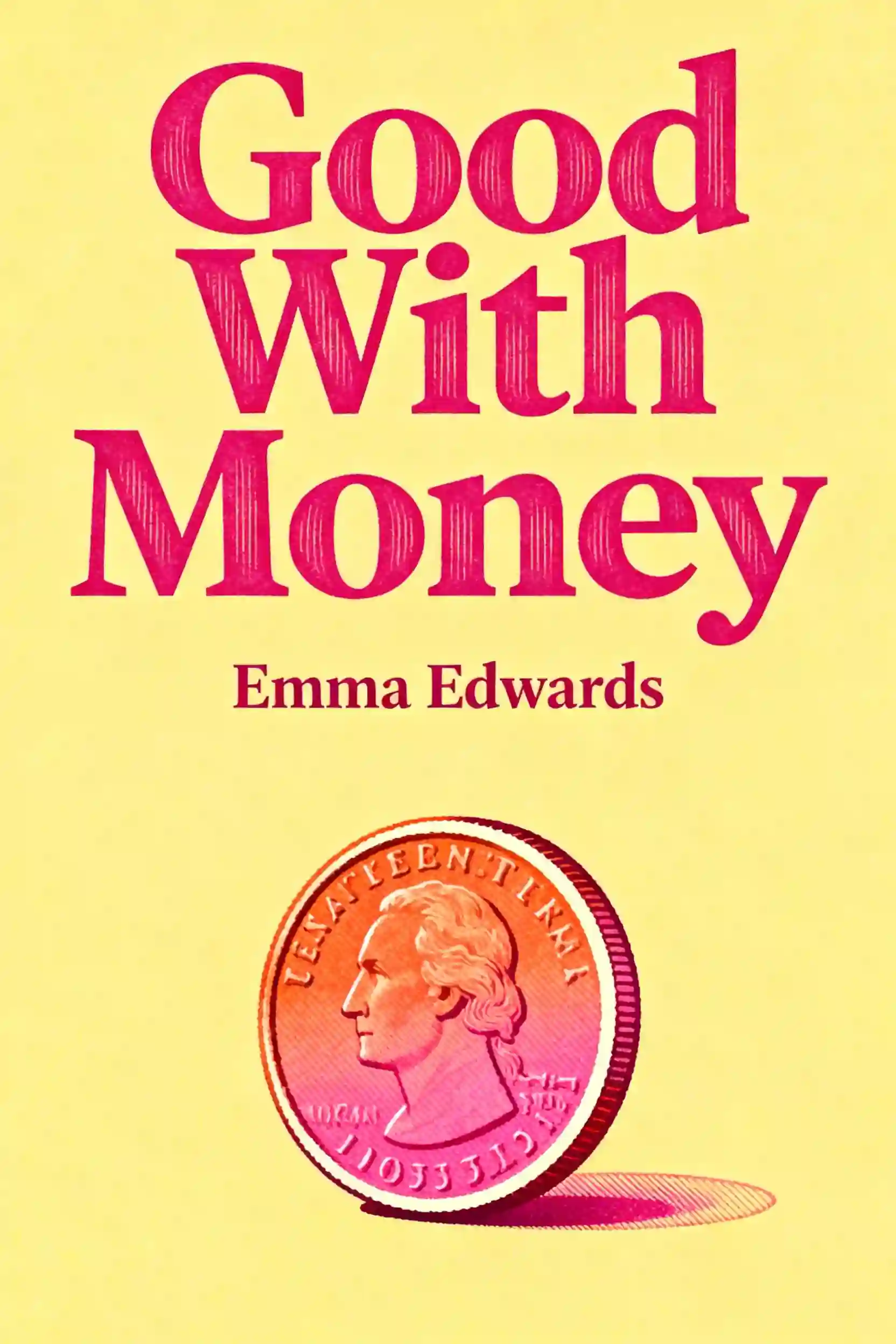
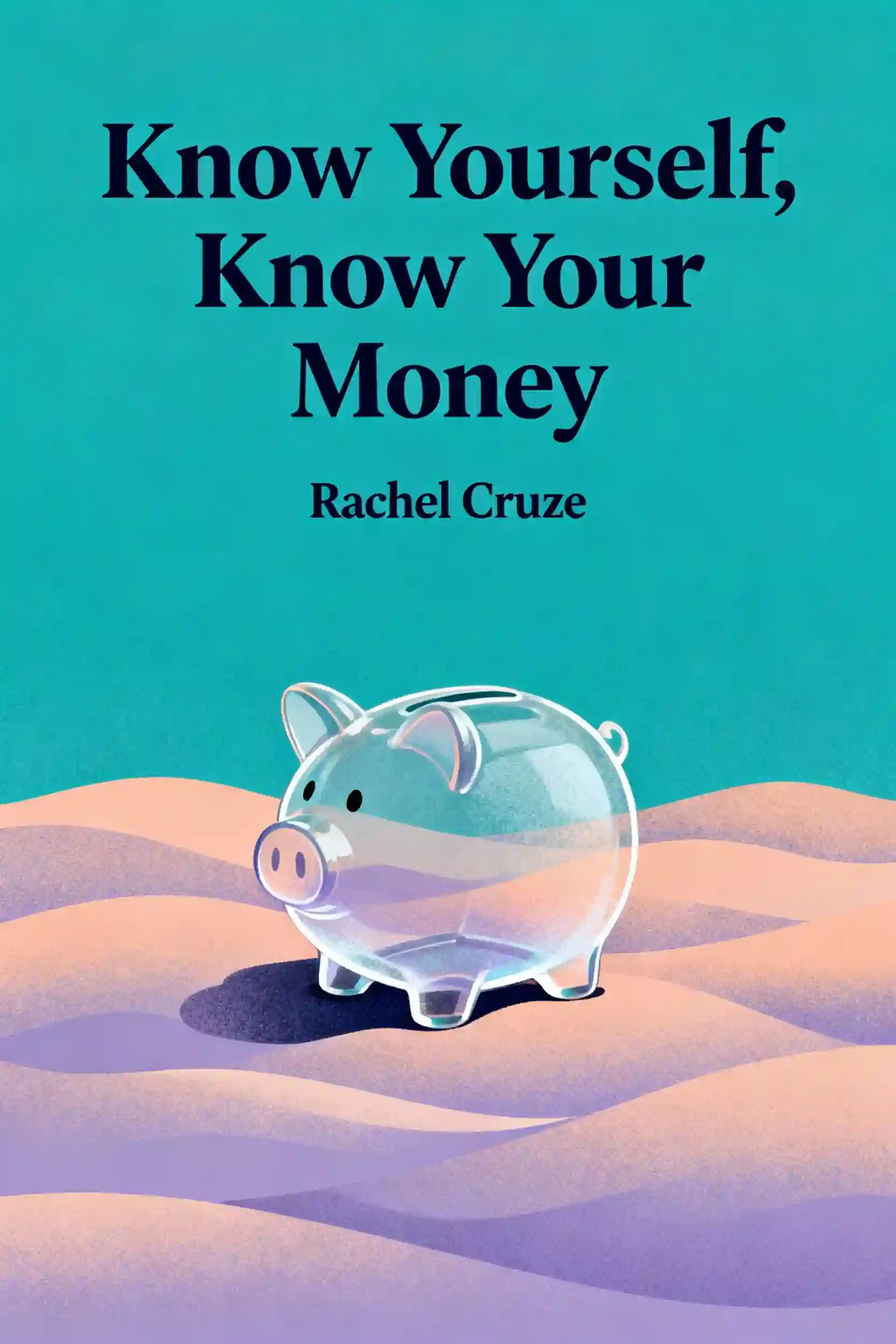
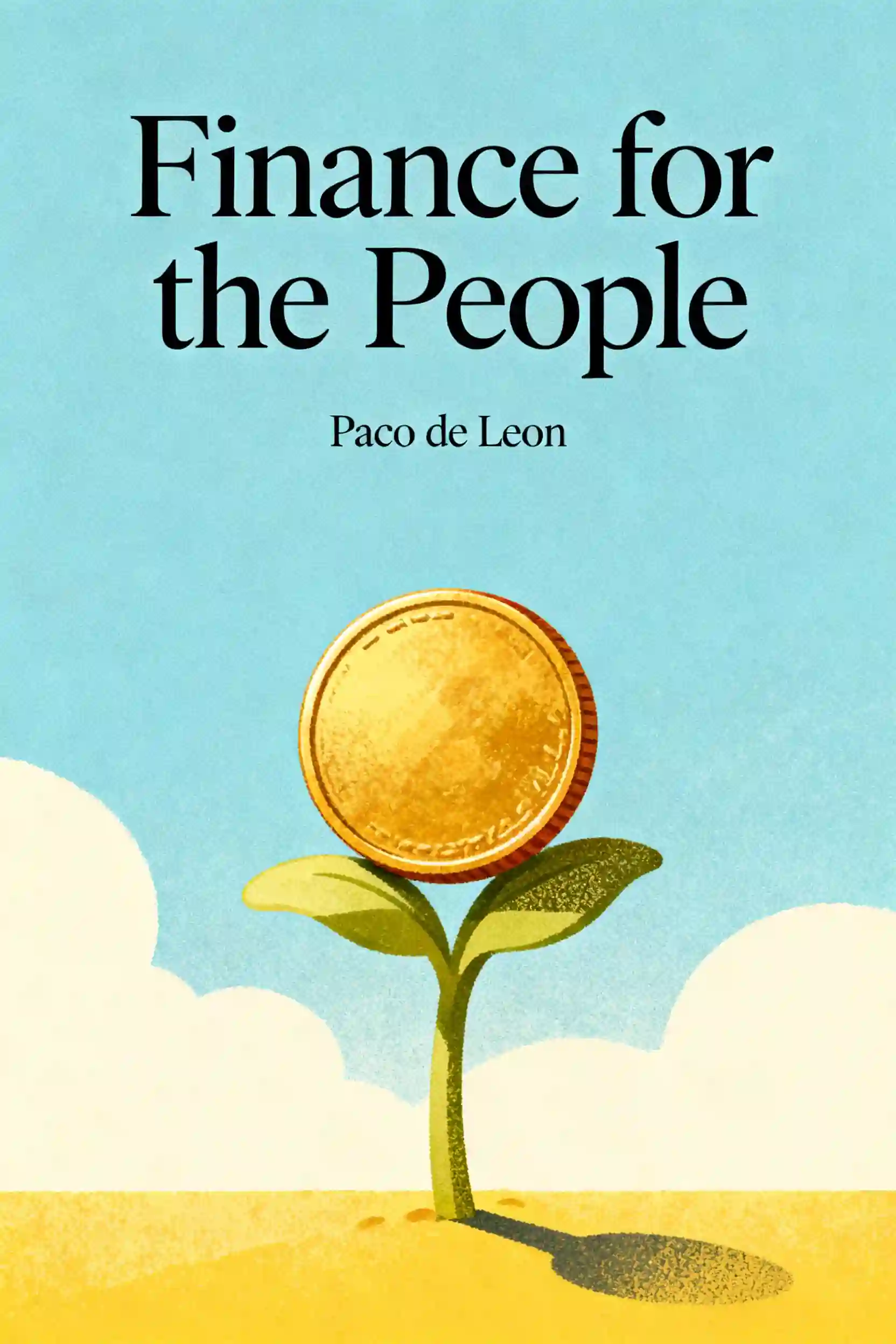
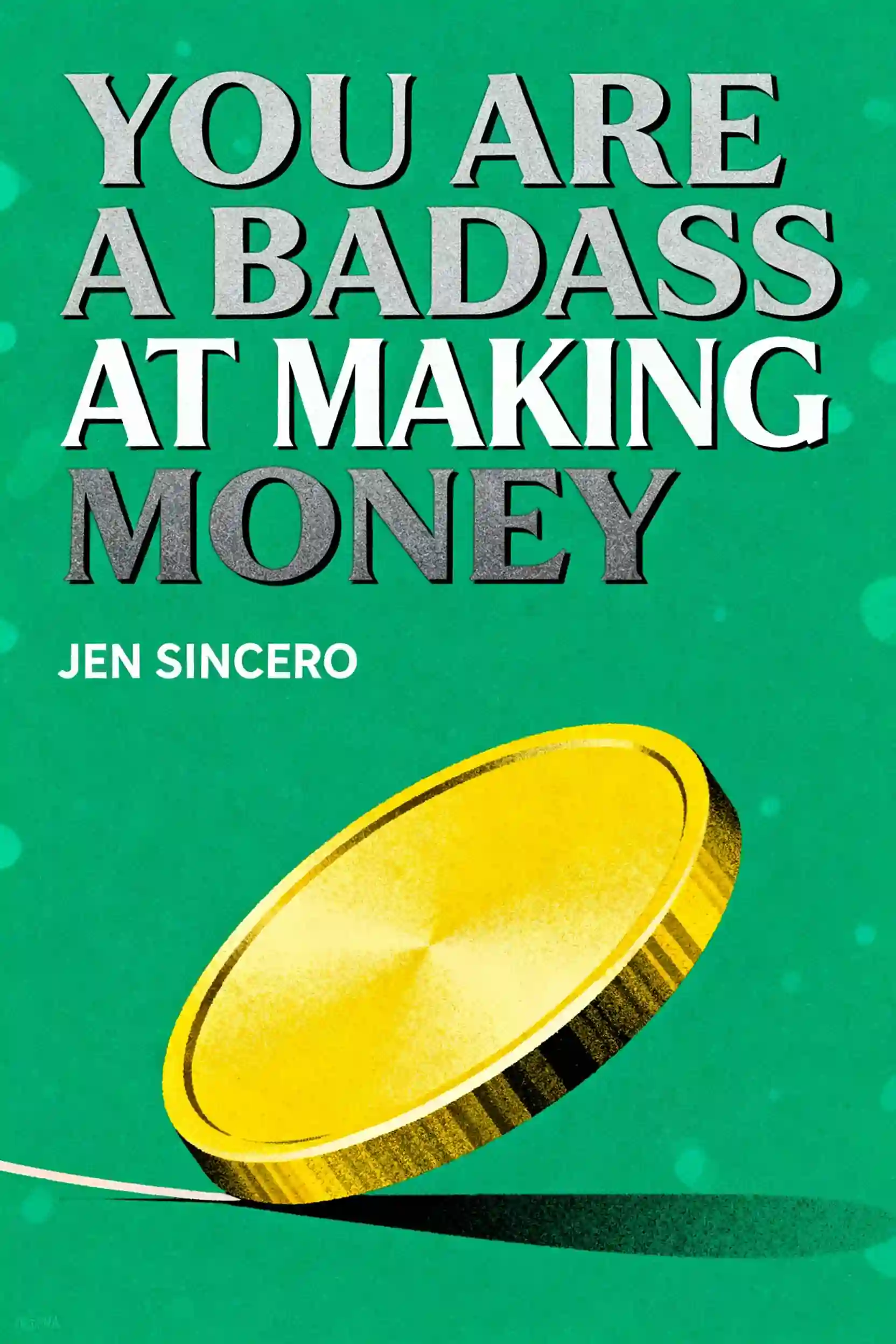
Häufig gestellte Fragen
A wealth mindset is the invisible architecture that determines how a person interacts with money. According to the script, viewing money as a neutral, learnable tool rather than a scarce resource allows individuals to make better financial decisions. Identifying and destroying limiting beliefs—such as the idea that money is inherently evil—is essential because these subconscious thoughts often lead to self-sabotage, like impulsive spending or a fear of investing.
The "Pay Yourself First" principle involves prioritizing your future financial health by directing money toward savings and investments the moment your salary arrives, before paying for bills or groceries. Automation is the key to this strategy because human discipline is often unreliable. By setting up automatic transfers, you remove willpower from the equation, ensuring that your portfolio grows consistently without the temptation to spend that money on immediate wants.
Both methods are effective for killing the "compound interest monster" of high-interest debt, but they prioritize different goals. The avalanche method focuses on mathematical efficiency by attacking the debt with the highest interest rate first, which saves the most money over time. The snowball method focuses on psychological momentum by paying off the smallest balances first; this provides a quick "win" and a hit of dopamine that helps individuals stay motivated to continue their financial journey.
The "Wait 24 Hours" rule is a daily habit designed to curb impulsive spending. It requires an individual to wait a full day before making any unplanned or non-essential purchase. This cooling-off period allows the initial emotional urge to subside, often revealing that the purchase wasn't actually necessary. It is a simple way to reduce "money drift" and ensure that capital is being directed toward wealth-building goals instead of forgotten items.
Human capital refers to an individual's skills, knowledge, and earning capacity. The script emphasizes that especially when starting with little money, your brain is your greatest financial engine. By investing 20 to 30 minutes a day in "Skill Deposits"—learning high-income skills like digital marketing or cybersecurity—you increase your value to the market. This compounds over time, significantly increasing your bargaining power for raises and your ability to generate primary and side income.
Von Columbia University Alumni in San Francisco entwickelt
"Instead of endless scrolling, I just hit play on BeFreed. It saves me so much time."


"I never knew where to start with nonfiction—BeFreed’s book lists turned into podcasts gave me a clear path."


"Perfect balance between learning and entertainment. Finished ‘Thinking, Fast and Slow’ on my commute this week."
"Crazy how much I learned while walking the dog. BeFreed = small habits → big gains."
"Reading used to feel like a chore. Now it’s just part of my lifestyle."

"Feels effortless compared to reading. I’ve finished 6 books this month already."
"BeFreed turned my guilty doomscrolling into something that feels productive and inspiring."

"BeFreed turned my commute into learning time. 20-min podcasts are perfect for finishing books I never had time for."
"BeFreed replaced my podcast queue. Imagine Spotify for books — that’s it. 🙌"

"It is great for me to learn something from the book without reading it."
"The themed book list podcasts help me connect ideas across authors—like a guided audio journey."
"Makes me feel smarter every time before going to work"
 Ask ChatGPT
 Ask Claude
Von Columbia University Alumni in San Francisco entwickelt
"Instead of endless scrolling, I just hit play on BeFreed. It saves me so much time."
"I never knew where to start with nonfiction—BeFreed’s book lists turned into podcasts gave me a clear path."
"Perfect balance between learning and entertainment. Finished ‘Thinking, Fast and Slow’ on my commute this week."
"Crazy how much I learned while walking the dog. BeFreed = small habits → big gains."
"Reading used to feel like a chore. Now it’s just part of my lifestyle."
"Feels effortless compared to reading. I’ve finished 6 books this month already."
"BeFreed turned my guilty doomscrolling into something that feels productive and inspiring."
"BeFreed turned my commute into learning time. 20-min podcasts are perfect for finishing books I never had time for."
"BeFreed replaced my podcast queue. Imagine Spotify for books — that’s it. 🙌"
"It is great for me to learn something from the book without reading it."
"The themed book list podcasts help me connect ideas across authors—like a guided audio journey."
"Makes me feel smarter every time before going to work"
"Instead of endless scrolling, I just hit play on BeFreed. It saves me so much time."
"I never knew where to start with nonfiction—BeFreed’s book lists turned into podcasts gave me a clear path."
"Perfect balance between learning and entertainment. Finished ‘Thinking, Fast and Slow’ on my commute this week."
"Crazy how much I learned while walking the dog. BeFreed = small habits → big gains."
"Reading used to feel like a chore. Now it’s just part of my lifestyle."
"Feels effortless compared to reading. I’ve finished 6 books this month already."
"BeFreed turned my guilty doomscrolling into something that feels productive and inspiring."
"BeFreed turned my commute into learning time. 20-min podcasts are perfect for finishing books I never had time for."
"BeFreed replaced my podcast queue. Imagine Spotify for books — that’s it. 🙌"
"It is great for me to learn something from the book without reading it."
"The themed book list podcasts help me connect ideas across authors—like a guided audio journey."
"Makes me feel smarter every time before going to work"
"Instead of endless scrolling, I just hit play on BeFreed. It saves me so much time."
"I never knew where to start with nonfiction—BeFreed’s book lists turned into podcasts gave me a clear path."
"Perfect balance between learning and entertainment. Finished ‘Thinking, Fast and Slow’ on my commute this week."
"Crazy how much I learned while walking the dog. BeFreed = small habits → big gains."
"Reading used to feel like a chore. Now it’s just part of my lifestyle."
"Feels effortless compared to reading. I’ve finished 6 books this month already."
"BeFreed turned my guilty doomscrolling into something that feels productive and inspiring."
"BeFreed turned my commute into learning time. 20-min podcasts are perfect for finishing books I never had time for."
"BeFreed replaced my podcast queue. Imagine Spotify for books — that’s it. 🙌"
"It is great for me to learn something from the book without reading it."
"The themed book list podcasts help me connect ideas across authors—like a guided audio journey."
"Makes me feel smarter every time before going to work"