Bridging the Political Trust Gap
Discover why Reform UK voters distrust the system and how to authentically connect across political divides without compromising principles. Learn the surprising values beneath polarized positions to reduce radicalization.

Bestes Zitat aus Bridging the Political Trust Gap
The key to reducing polarization isn't trying to completely shift their views, but first understanding the legitimate values and concerns beneath positions that might seem alien to you.

Diese Audiolektion wurde von einem BeFreed-Community-Mitglied erstellt
How can we appeal to reform voters (UK context) or republicans (us) authentically. Not necessarily to shift their views left but firstly to just create less polarisation and radicalisability. They suspect lefties. Why? And what do they value/need in terms of taste politically?

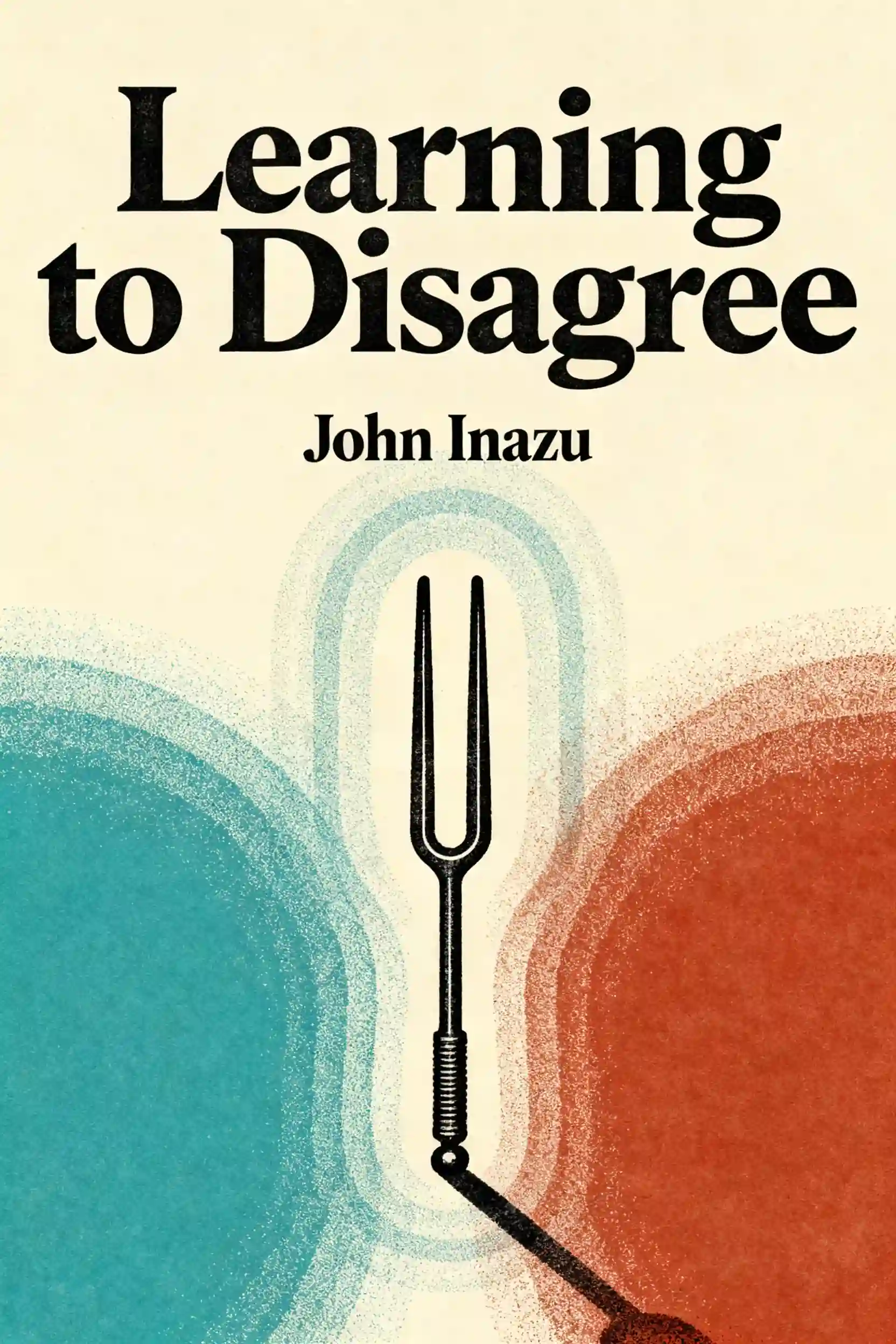
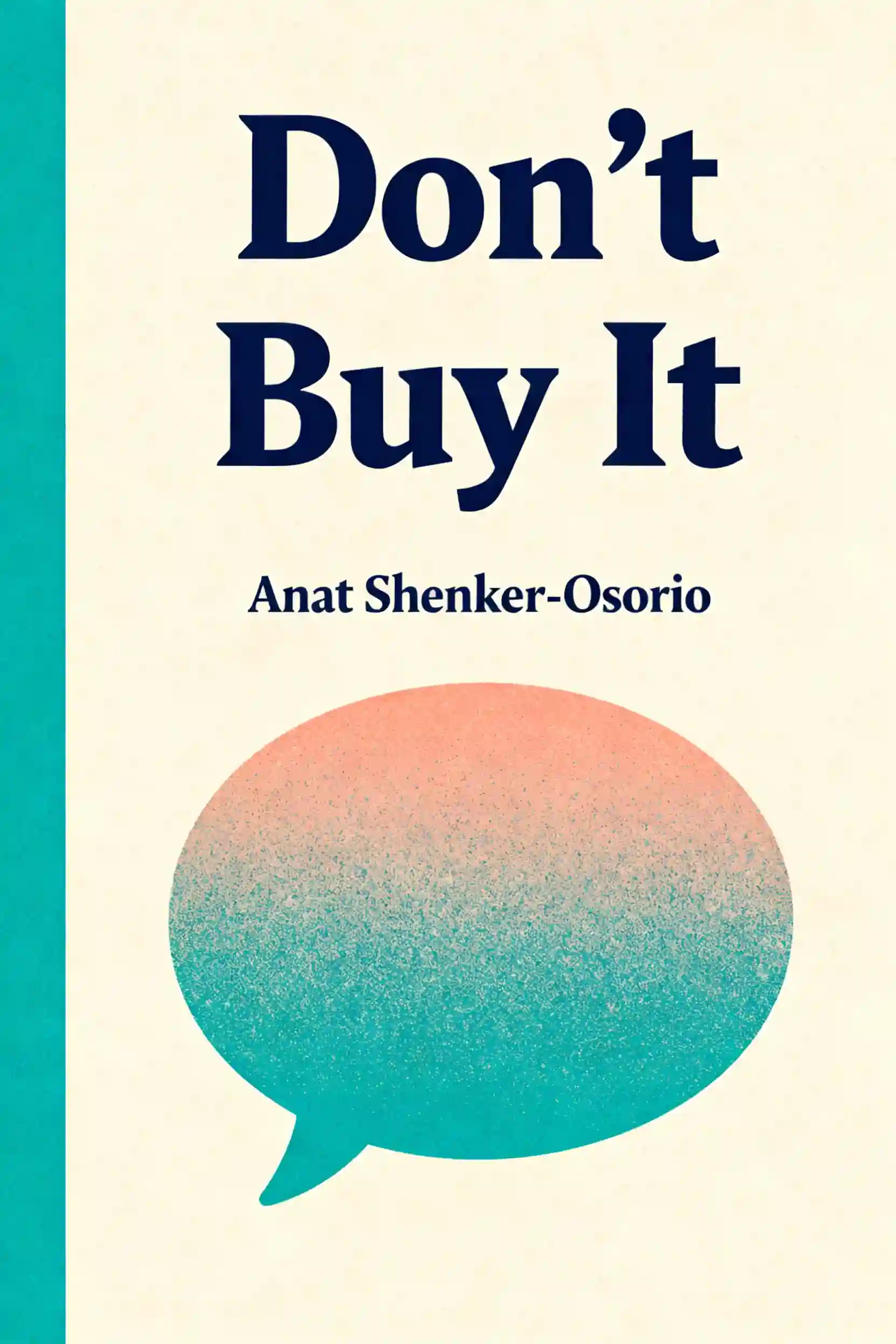
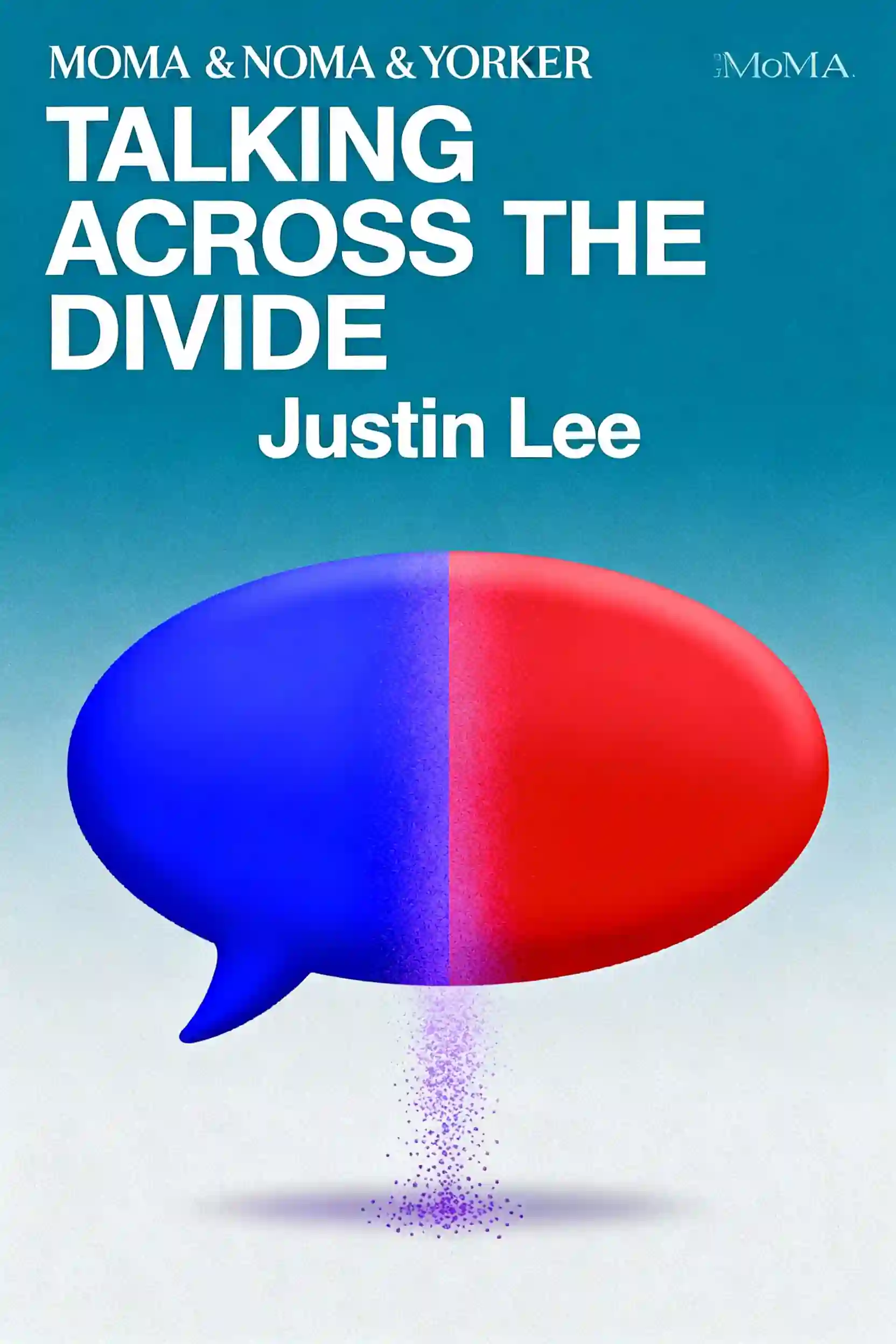
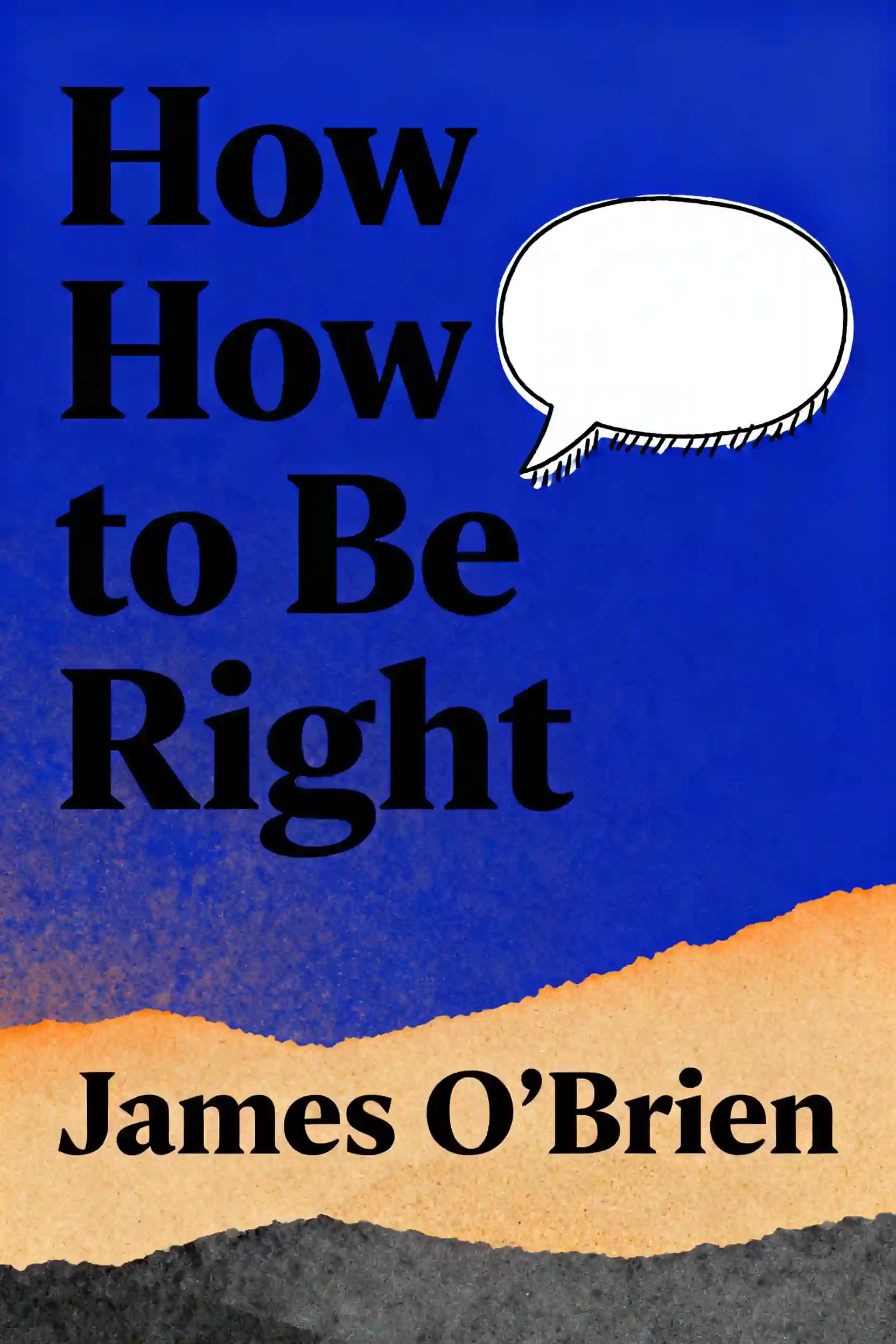

Mehr entdecken

Truth, Trust, and Public Reason
In an era of deep polarization and digital manipulation, understanding the architecture of truth is a vital survival skill. This plan is designed for citizens, professionals, and students who want to navigate modern information ecosystems with skepticism and intellectual integrity.

Build Resilient High Trust Connections
This plan is essential for professionals and individuals looking to navigate complex interpersonal dynamics with emotional intelligence. It is ideal for anyone seeking to replace reactive habits with intentional communication and sustainable trust-building skills.

High-Trust Connections and Healthy Boundaries
This plan is essential for individuals looking to move beyond surface-level interactions and establish meaningful, secure relationships. It is particularly beneficial for those who struggle with setting boundaries or navigating the complexities of modern dating and social networking.
Dismantle Blame and Tribalism
In an increasingly polarized world, understanding the mechanics of group bias is essential for effective leadership and conflict resolution. This plan is ideal for professionals and community leaders looking to foster objectivity and accountability within their teams.
Rebuild Trust After Betrayal
Betrayal can shatter even the strongest relationships, leaving lasting emotional wounds that seem impossible to heal. This learning plan provides practical strategies for those committed to rebuilding trust and transforming their relationships after experiencing betrayal, whether in romantic partnerships, friendships, or family connections.

Study politics fundamentals
This learning plan provides essential political literacy for anyone seeking to understand how power, governance, and ideology shape our world. It's ideal for students, professionals entering public policy or international relations, engaged citizens wanting to participate more meaningfully in democratic processes, or anyone curious about the forces that drive political decision-making locally and globally.

Build High-Trust Professional Networks
In today's interconnected workplace, technical skill is often secondary to the strength of your professional relationships. This plan is designed for ambitious professionals and leaders who want to move beyond superficial networking to build a reliable, high-trust ecosystem of collaborators.

US Politics
This learning plan provides essential knowledge for anyone seeking to understand how American democracy actually works beyond news headlines and partisan talking points. It's ideal for engaged citizens, students, professionals working in policy or government, and anyone who wants to participate more meaningfully in civic life by understanding both the constitutional foundations and contemporary challenges facing US political institutions.
Von Columbia University Alumni in San Francisco entwickelt
"Instead of endless scrolling, I just hit play on BeFreed. It saves me so much time."


"I never knew where to start with nonfiction—BeFreed’s book lists turned into podcasts gave me a clear path."


"Perfect balance between learning and entertainment. Finished ‘Thinking, Fast and Slow’ on my commute this week."
"Crazy how much I learned while walking the dog. BeFreed = small habits → big gains."
"Reading used to feel like a chore. Now it’s just part of my lifestyle."

"Feels effortless compared to reading. I’ve finished 6 books this month already."
"BeFreed turned my guilty doomscrolling into something that feels productive and inspiring."

"BeFreed turned my commute into learning time. 20-min podcasts are perfect for finishing books I never had time for."
"BeFreed replaced my podcast queue. Imagine Spotify for books — that’s it. 🙌"

"It is great for me to learn something from the book without reading it."
"The themed book list podcasts help me connect ideas across authors—like a guided audio journey."
"Makes me feel smarter every time before going to work"
Von Columbia University Alumni in San Francisco entwickelt
"Instead of endless scrolling, I just hit play on BeFreed. It saves me so much time."
"I never knew where to start with nonfiction—BeFreed’s book lists turned into podcasts gave me a clear path."
"Perfect balance between learning and entertainment. Finished ‘Thinking, Fast and Slow’ on my commute this week."
"Crazy how much I learned while walking the dog. BeFreed = small habits → big gains."
"Reading used to feel like a chore. Now it’s just part of my lifestyle."
"Feels effortless compared to reading. I’ve finished 6 books this month already."
"BeFreed turned my guilty doomscrolling into something that feels productive and inspiring."
"BeFreed turned my commute into learning time. 20-min podcasts are perfect for finishing books I never had time for."
"BeFreed replaced my podcast queue. Imagine Spotify for books — that’s it. 🙌"
"It is great for me to learn something from the book without reading it."
"The themed book list podcasts help me connect ideas across authors—like a guided audio journey."
"Makes me feel smarter every time before going to work"
"Instead of endless scrolling, I just hit play on BeFreed. It saves me so much time."
"I never knew where to start with nonfiction—BeFreed’s book lists turned into podcasts gave me a clear path."
"Perfect balance between learning and entertainment. Finished ‘Thinking, Fast and Slow’ on my commute this week."
"Crazy how much I learned while walking the dog. BeFreed = small habits → big gains."
"Reading used to feel like a chore. Now it’s just part of my lifestyle."
"Feels effortless compared to reading. I’ve finished 6 books this month already."
"BeFreed turned my guilty doomscrolling into something that feels productive and inspiring."
"BeFreed turned my commute into learning time. 20-min podcasts are perfect for finishing books I never had time for."
"BeFreed replaced my podcast queue. Imagine Spotify for books — that’s it. 🙌"
"It is great for me to learn something from the book without reading it."
"The themed book list podcasts help me connect ideas across authors—like a guided audio journey."
"Makes me feel smarter every time before going to work"
"Instead of endless scrolling, I just hit play on BeFreed. It saves me so much time."
"I never knew where to start with nonfiction—BeFreed’s book lists turned into podcasts gave me a clear path."
"Perfect balance between learning and entertainment. Finished ‘Thinking, Fast and Slow’ on my commute this week."
"Crazy how much I learned while walking the dog. BeFreed = small habits → big gains."
"Reading used to feel like a chore. Now it’s just part of my lifestyle."
"Feels effortless compared to reading. I’ve finished 6 books this month already."
"BeFreed turned my guilty doomscrolling into something that feels productive and inspiring."
"BeFreed turned my commute into learning time. 20-min podcasts are perfect for finishing books I never had time for."
"BeFreed replaced my podcast queue. Imagine Spotify for books — that’s it. 🙌"
"It is great for me to learn something from the book without reading it."
"The themed book list podcasts help me connect ideas across authors—like a guided audio journey."
"Makes me feel smarter every time before going to work"